Kia K900 Exhaust Upgrade Review: V8 Sound & Quiet Ride
Service Price
$150+
Estimated price · Actual price may vary by shop

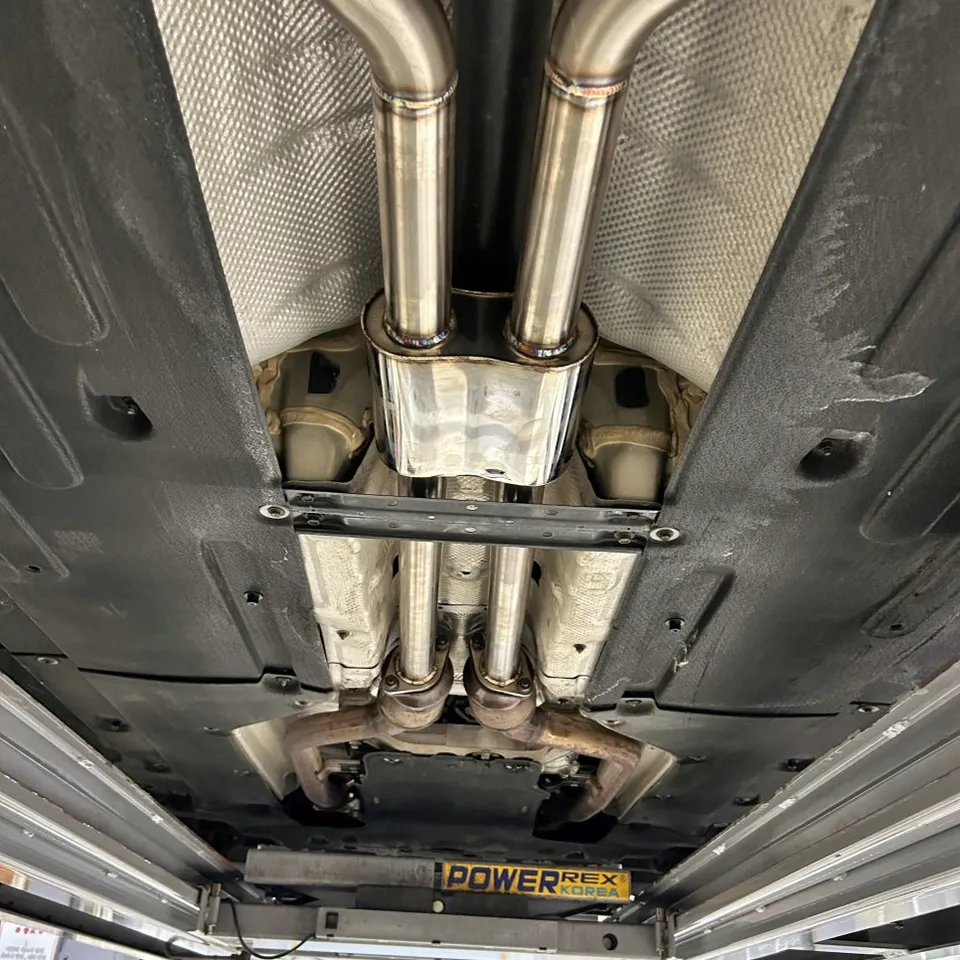
Kia K900 5.0 electronic variable exhaust upgrade. Experience quiet daily driving and powerful V8 sound. Installation details and costs provided.
K9 5.0: Is an Exhaust Upgrade Necessary?
The Kia K900 5.0, a flagship Korean luxury sedan, boasts a powerful 8-cylinder naturally aspirated engine. However, many owners find the stock exhaust note doesn't quite match the engine's performance. This review details an electronic variable exhaust system upgrade for the Kia K900 5.0, designed to maintain daily driving quietness while unleashing the true V8 sound when you step on the accelerator.
This Article Covers:
- Why an exhaust upgrade for the K9 5.0 is beneficial
- The difference between variable exhaust ON/OFF sound
- Comparing vacuum vs. electronic variable exhaust systems
- Installation costs, time, and expected lifespan
- Answering your top questions about exhaust tuning
Quiet Comfort vs. Exhilarating Sound: Finding the Balance
A common dilemma for car owners considering exhaust modifications is the desire for both a quiet, refined ride for daily commutes and an aggressive, engaging sound for spirited driving. A variable exhaust system offers the perfect solution, allowing you to have both.
Variable exhaust systems work by controlling a valve that opens and closes. In the 'OFF' state, the valve is closed, directing exhaust gases through mufflers to minimize noise. When switched to 'ON', the valve opens, allowing exhaust gases to bypass the mufflers for a louder, more aggressive tone. The speed and precision of this valve operation significantly impact the driving experience.
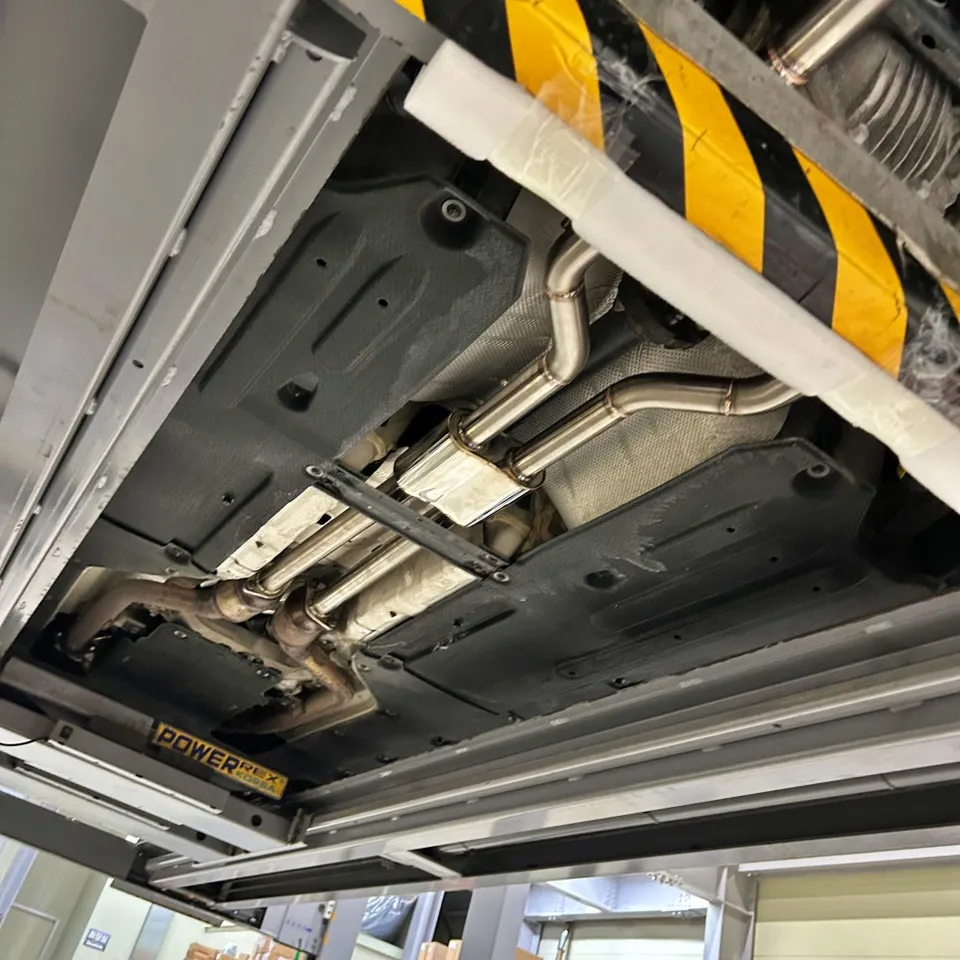
Electronic vs. Vacuum Variable Exhaust: What's the Difference?
Variable exhaust systems are broadly categorized into two types: vacuum-operated and electronic. Understanding their differences is key to making an informed choice.
Vacuum-operated variable exhaust systems use engine vacuum signals to actuate the valve. They are simpler in design and often have a lower initial cost. However, their performance can be inconsistent as engine load fluctuates, affecting vacuum levels. A common issue is valve sticking over time due to vacuum line degradation.
Electronic variable exhaust systems utilize electronic valves controlled by the vehicle's ECU (Engine Control Unit). This allows for rapid and precise valve operation, independent of engine conditions. They are highly durable, virtually eliminating sticking issues, and provide a dramatic, instantaneous change in sound when switching between modes. While the initial investment is higher, electronic systems typically require less maintenance in the long run, making them more economical over time.
For a luxury sedan like the Kia K900 5.0, an electronic variable exhaust system is generally the superior choice, maximizing the engine's auditory potential while ensuring reliability and seamless integration.
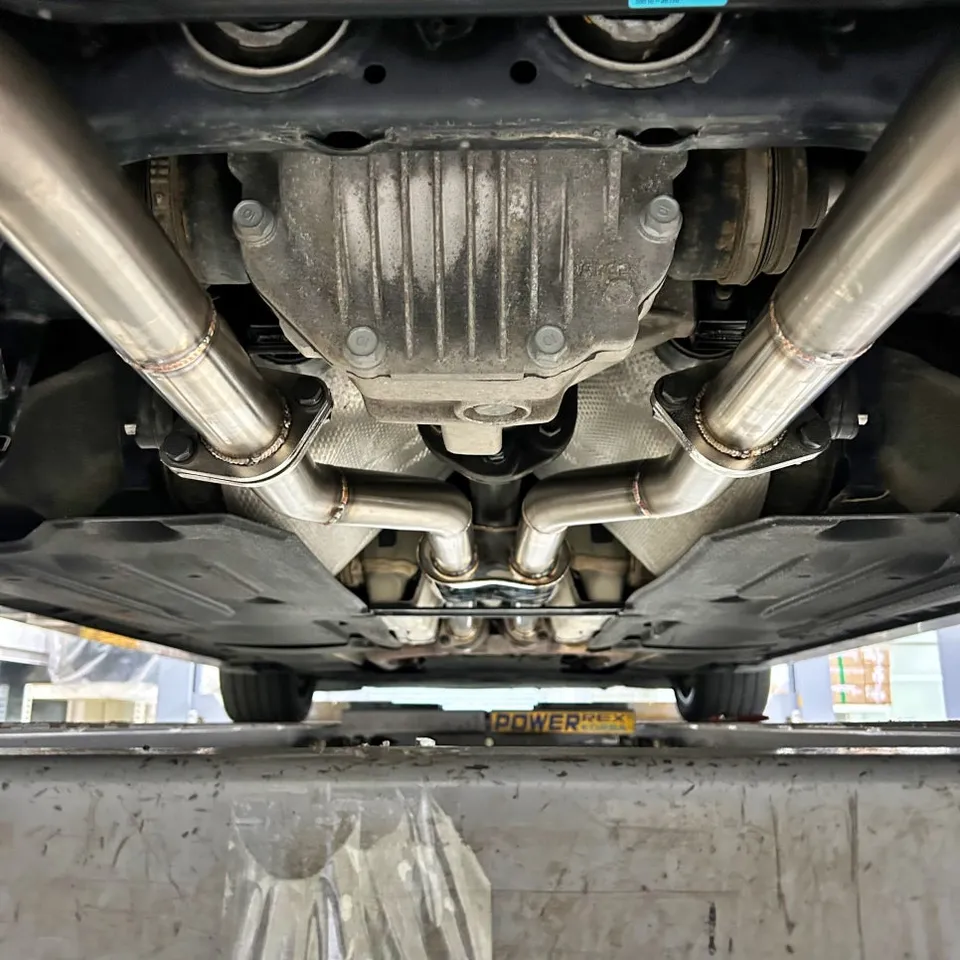
Kia K900 5.0 Electronic Variable Exhaust Installation Case Study
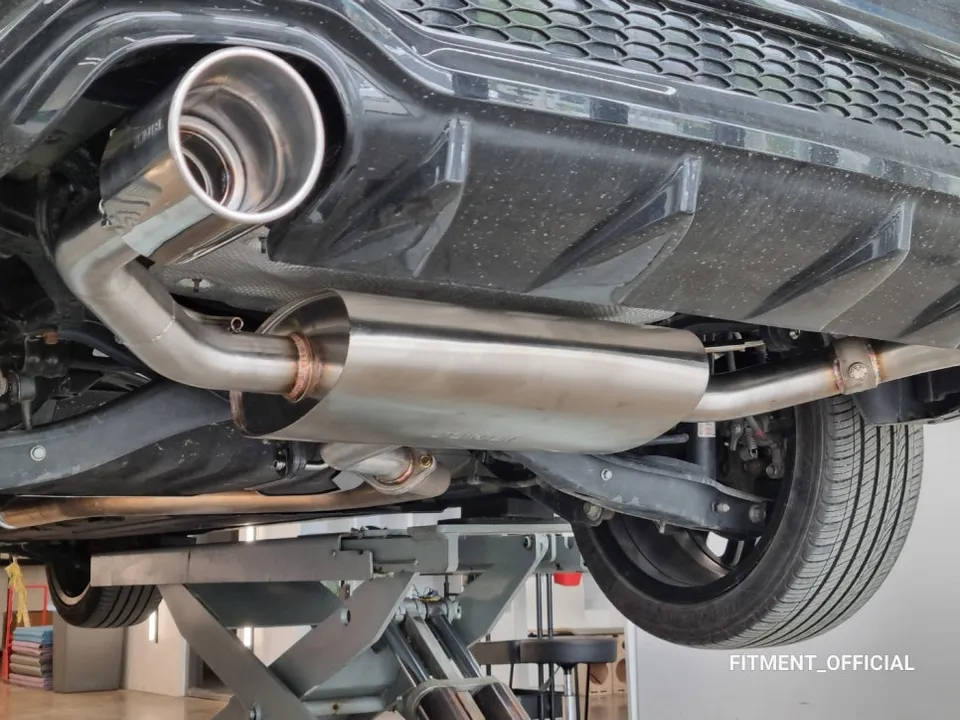
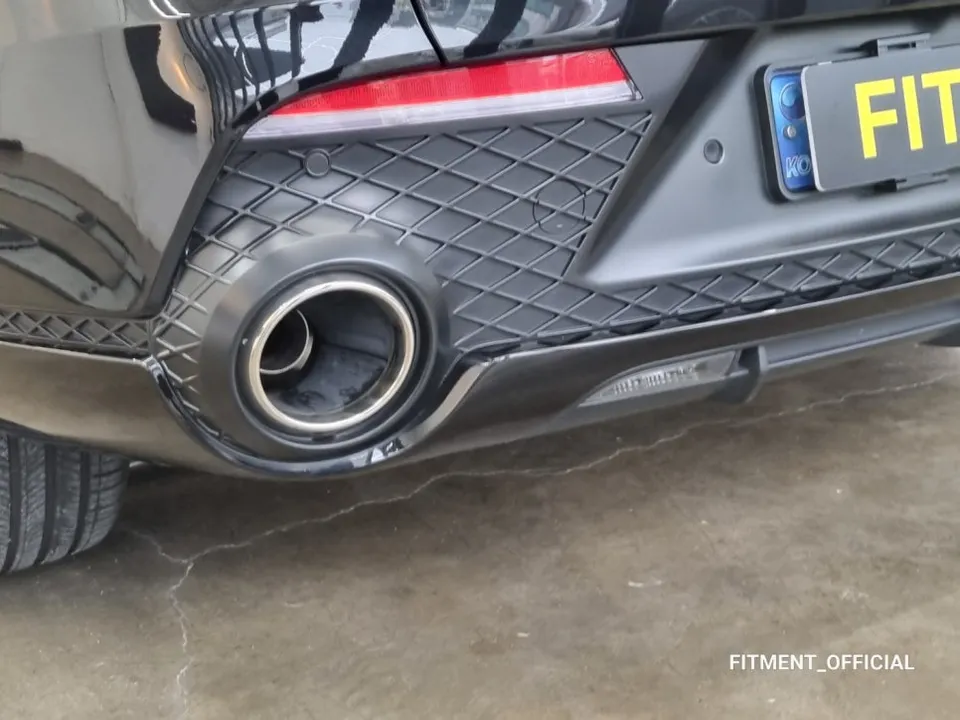
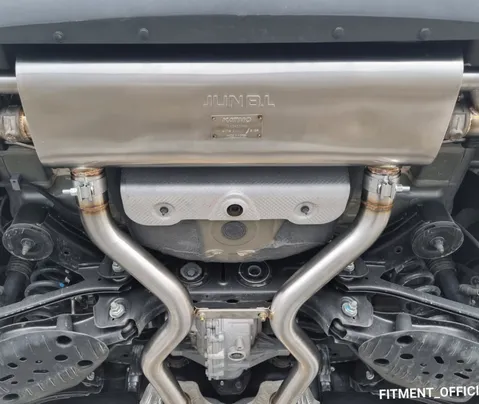
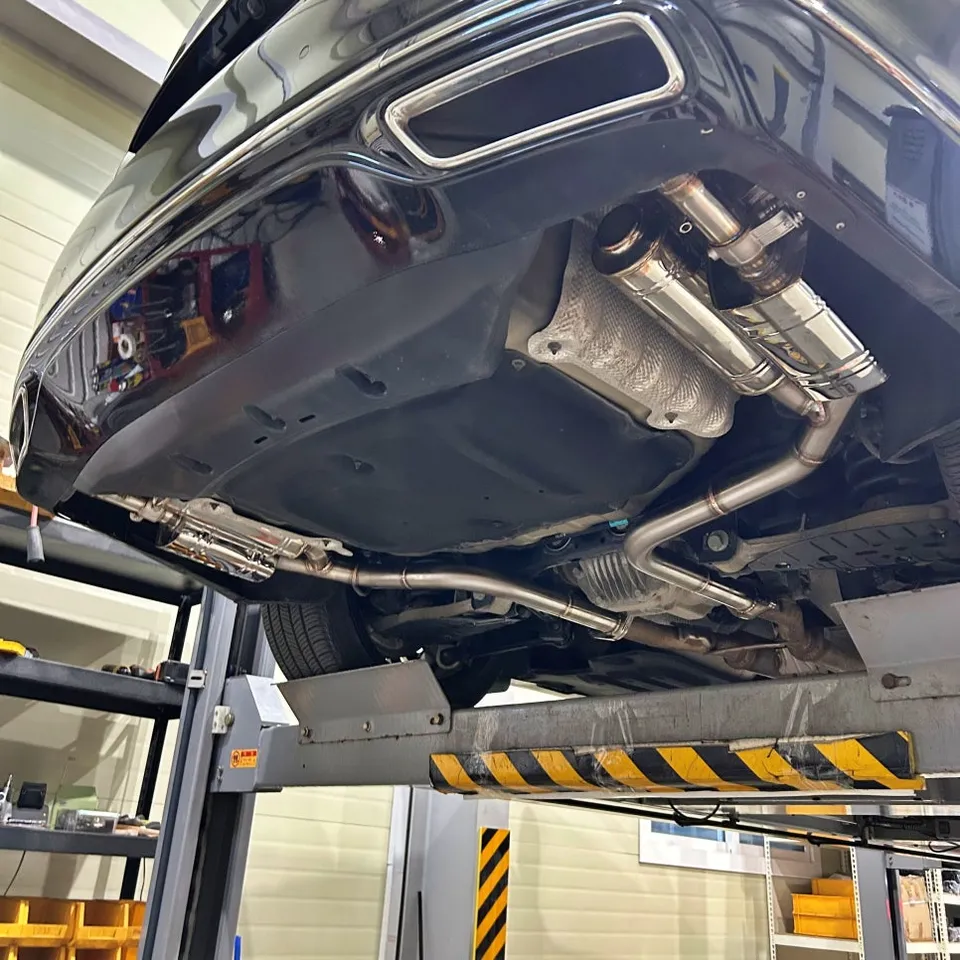
This case study features a custom mid-pipe and end-pipe electronic variable exhaust system installed on a Kia K900 5.0. The primary goals were to achieve perfect integration with the stock bumper aesthetics and to fully capture the character of the V8 engine.
Installation Process:
- Custom Pipe Fabrication: The existing exhaust system is carefully removed. New mid-pipes and end-mufflers are fabricated to precise specifications, ensuring optimal flow and sound characteristics for the V8 engine.
- Electronic Valve Integration: An electronic control valve is strategically installed in the mid-pipe section. This valve is the core component responsible for switching between quiet and loud modes.
- Component Mounting: The new mufflers and the electronic valve assembly are securely mounted, ensuring perfect alignment with the vehicle's undercarriage and the rear bumper's exhaust outlets.
- Wiring and Control Setup: The electronic valve is connected to the vehicle's power source and a control unit (often integrated with a remote or button). This allows the driver to manually switch between modes.
- Final Checks and Sound Tuning: All connections are inspected for leaks. The system is tested in both open and closed valve states to confirm proper operation and desired sound profiles.
The result is a Kia K900 5.0 that offers a sophisticated, quiet ride during normal driving, but transforms into a powerful V8 symphony with the press of a button, enhancing both the driving experience and the car's overall presence.
Frequently Asked Questions
Q. How much does an exhaust & intake upgrade cost for a Kia K900?
The electronic variable exhaust system for the Kia K900 5.0 in this review was a custom installation, with costs typically ranging from ₩2,000,000 to ₩4,000,000 (approximately $1,500 - $3,000 USD). Standard exhaust upgrades in the US can range from $500 to $3,000 depending on the system's complexity and brand.
Q. How long does an exhaust & intake upgrade last on a Kia K900?
An electronic variable exhaust system, when properly installed and maintained, can last for many years, often exceeding 5-10 years. Regular checks for exhaust leaks and ensuring the electronic valve mechanism remains free of debris will help prolong its lifespan.
Q. Is an exhaust & intake upgrade worth it for a Kia K900?
An exhaust upgrade is most beneficial for K900 5.0 owners who desire a more engaging V8 sound without sacrificing the car's inherent quiet luxury. It significantly enhances the auditory experience, making the driving feel more connected to the powerful engine.
Q. How is an exhaust & intake upgrade done on a Kia K900?
The installation involves removing the stock exhaust system and fabricating custom mid-pipes and end-mufflers. An electronic control valve is integrated into the mid-pipe, connected to the vehicle's power and a control switch. Finally, the new components are securely mounted, and the system is tested for leaks and sound.
Q. What is the best exhaust & intake upgrade option for a Kia K900?
For the Kia K900 5.0, an electronic variable exhaust system is recommended over vacuum-based systems due to its superior precision, reliability, and sound control. It offers the best balance of quiet daily driving and exhilarating V8 performance.
OhCar Partner Shop