Kia K900 Seat Climate Upgrade Review
Service Price
$150+
Estimated price · Actual price may vary by shop
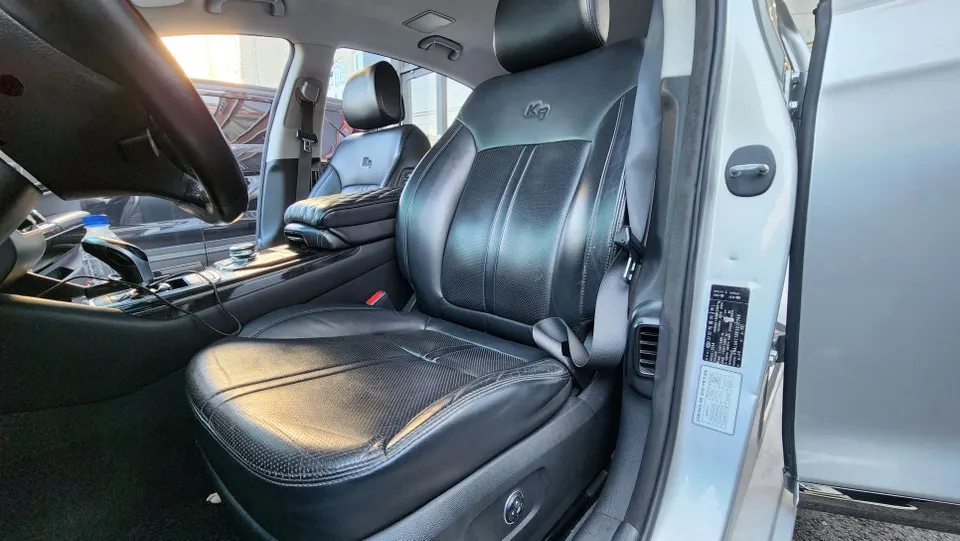
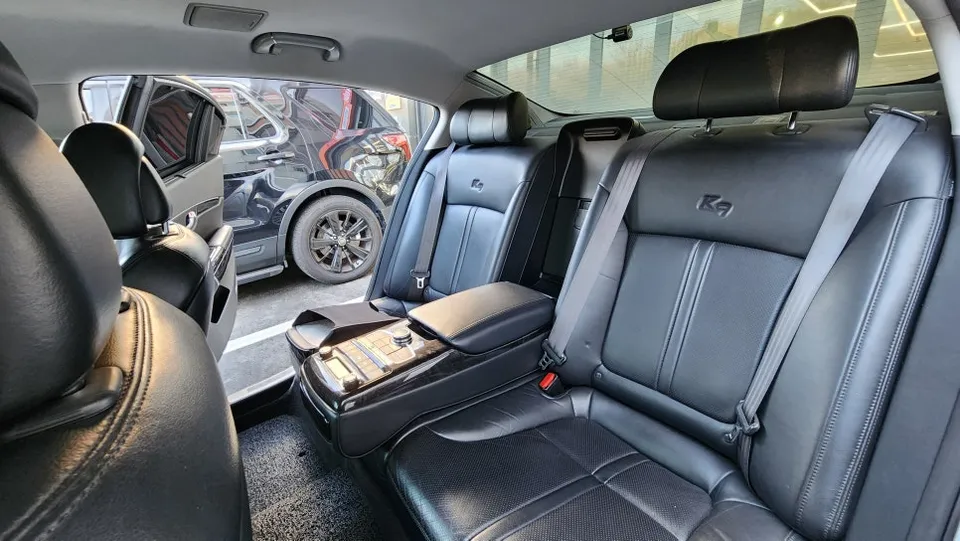
Kia K900 seat climate upgrade: ~$150+. Enhances comfort with ventilation & heating, premium Nappa leather.
Revitalizing Your Kia K900's Interior with Seat Climate Control
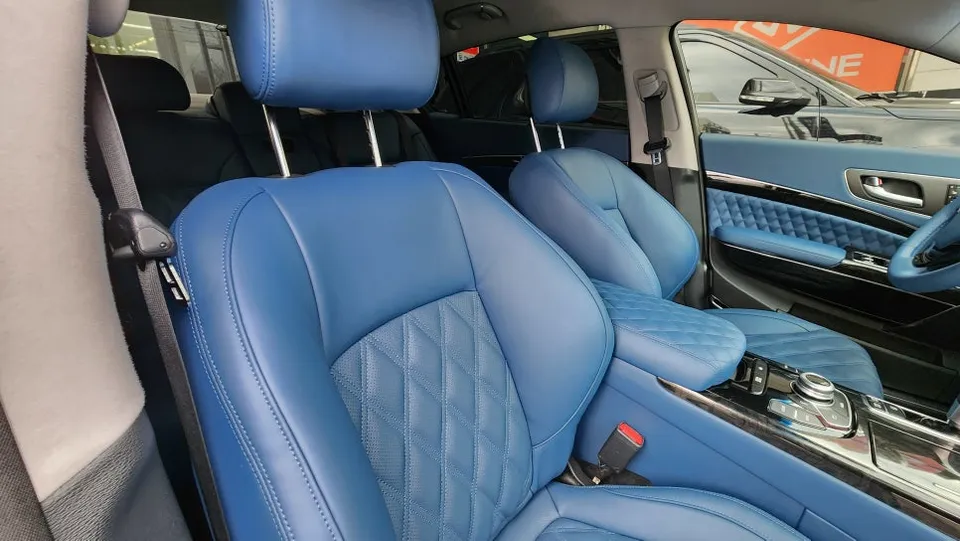
Is your luxury sedan's interior showing its age? For a vehicle like the Kia K900, the condition of its cabin significantly impacts its overall value and your driving experience. Many owners find that worn or stained leather seats detract from the car's premium feel. This was the case for the owner of a 2014 K900, who sought to refresh the look and feel of their original seats. In Busan, South Korea, a comprehensive seat climate upgrade was performed, transforming the interior with premium Pacific Blue Nappa leather, incorporating both ventilation and heating features. This upgrade not only addresses wear and tear but also significantly enhances comfort and luxury.
The Benefits of a Seat Climate Upgrade
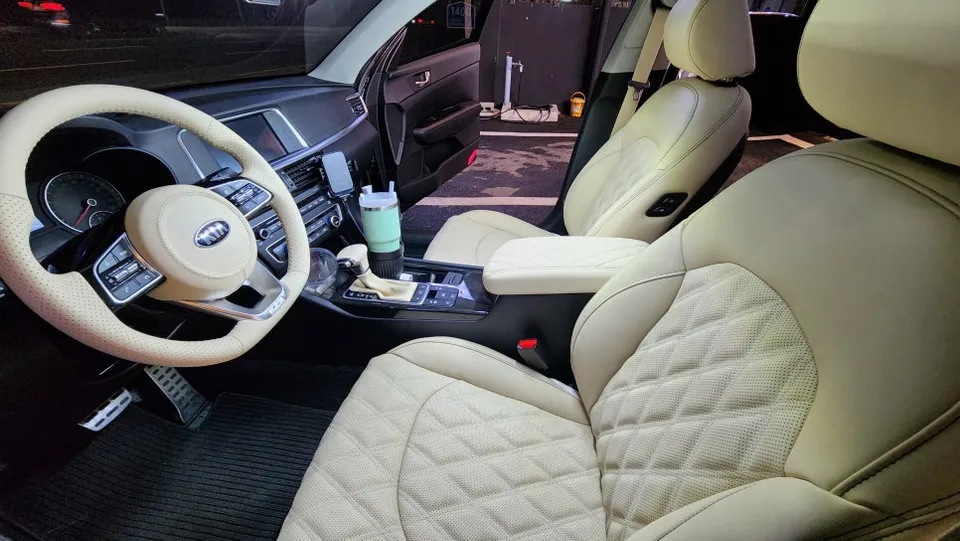
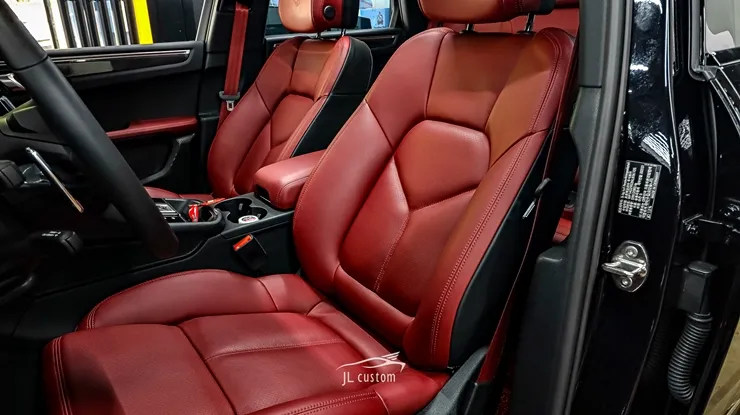
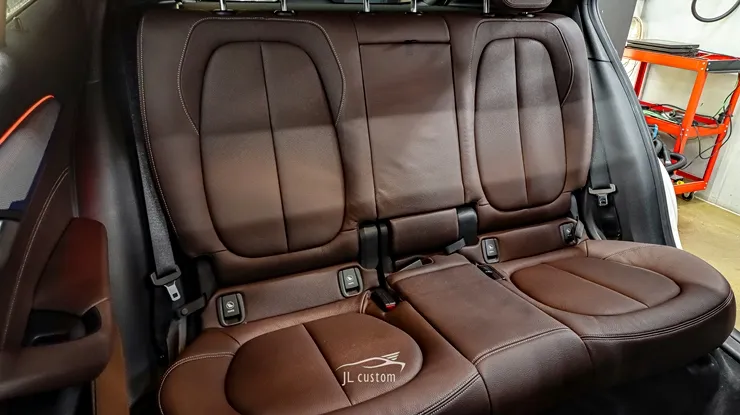
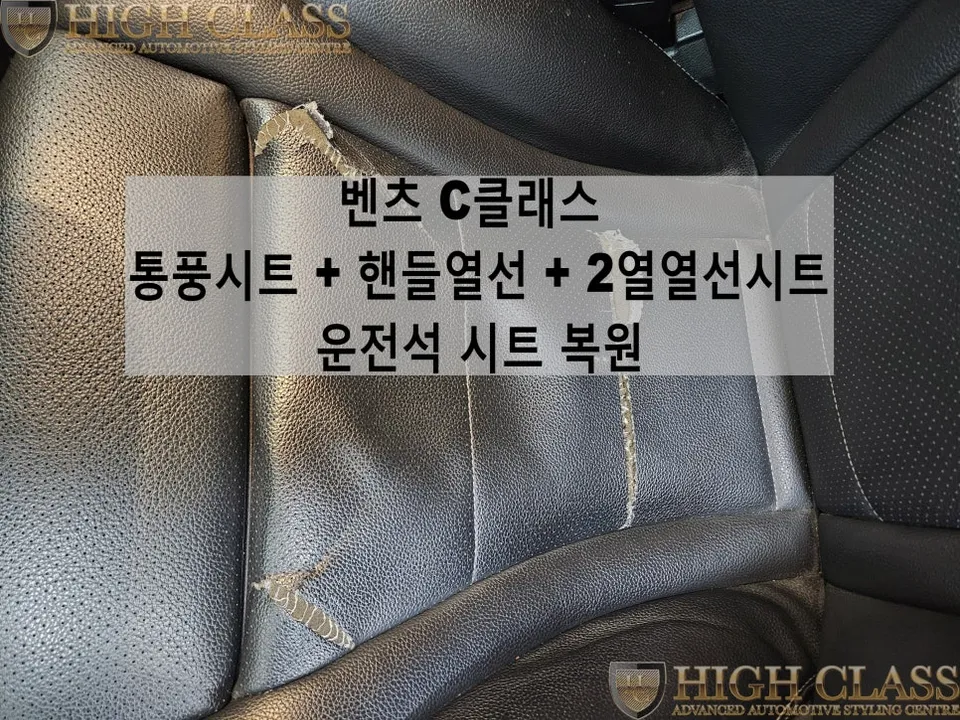
Over time, car seats naturally experience wear, fading, and staining, especially the driver's seat due to frequent use. For a pre-owned luxury vehicle like the K900, upgrading the seats can dramatically increase its perceived value and aesthetic appeal. This particular K900 received a full interior refresh using premium Nappa leather in a sophisticated Pacific Blue. Nappa leather is renowned for its soft texture and durability, commonly found in high-end vehicles. The chosen Pacific Blue offers a deep, subtle hue that adds a refined and luxurious ambiance to the cabin.
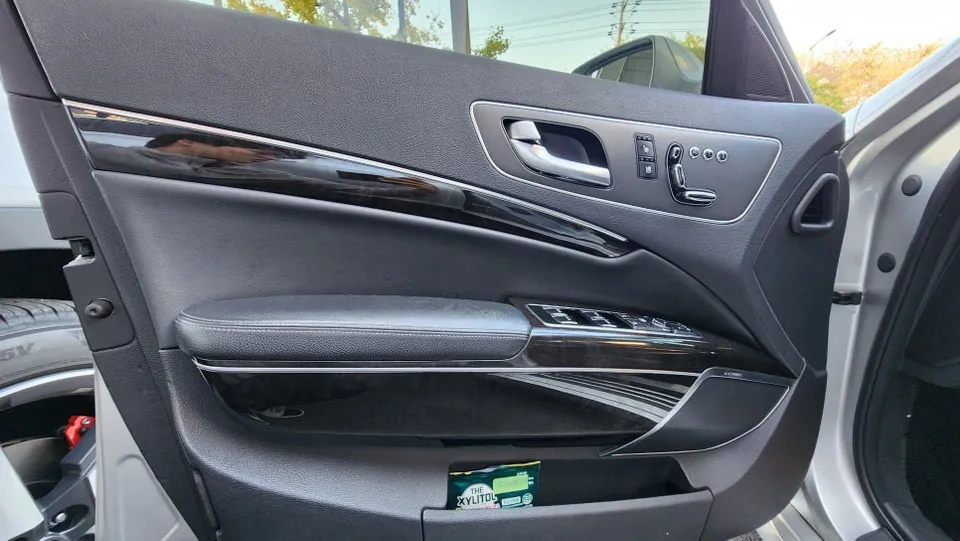
The customization extended beyond just the material. A double diamond pattern was incorporated into the seat design, adding depth and visual interest while enhancing the perceived plushness of the cushioning. Crucially, the T-zone areas – those most frequently touched by the driver – received custom detailing for a premium finish. The door trims were also upgraded with a three-point custom design, featuring intricate perforation and quilting on the Pacific Blue Nappa leather to create a dynamic, voluminous look and feel. Even the steering wheel, horn cover, and gear shift knob were integrated into this leather customization. The steering wheel specifically features perforated leather for improved grip and breathability, adding a sporty touch. This cohesive approach ensures that every touchpoint in the driver's cockpit feels new and luxurious, reminiscent of the excitement of receiving a brand-new car.
Installation Process and Considerations
The process of retrofitting seat ventilation and heating systems involves several key steps to ensure optimal performance and integration. While the specific details can vary based on the aftermarket kit and the vehicle's existing electrical system, a general outline provides insight into the complexity and craftsmanship involved.
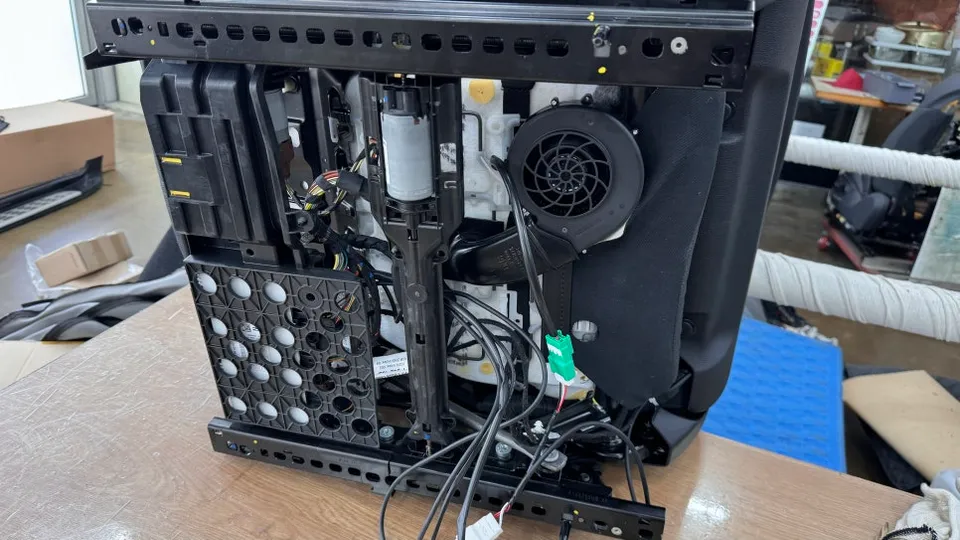
- System Integration: The core of the upgrade involves installing ventilation fans and heating elements beneath the seat upholstery. This requires careful placement to ensure even airflow and heat distribution without compromising seat comfort or structure.
- Wiring and Power: New wiring harnesses are run from the seats to the vehicle's power source and control modules. This often involves tapping into existing circuits or installing new relays and fuses to safely manage the power demands of the ventilation and heating systems.
- Control Interface: Switches or control panels are installed, typically in a discreet location on the seat base or center console, allowing the driver to adjust fan speed and temperature settings. Integration with existing vehicle controls may also be possible for a factory-like appearance.
- Upholstery Reassembly: After the internal components are installed and tested, the seat upholstery is carefully reassembled. This step is critical for maintaining the original seat's shape and ensuring all components are securely hidden and protected.
When considering a seat climate upgrade in regions like Busan, it's essential to verify the quality of the materials used, such as Nappa leather versus other grades or synthetic options. The precision of the stitching, the uniformity of patterns, and the tautness of the leather are indicators of the installation's quality. Understanding the expected installation time, typically one to two days, and confirming the warranty period offered by the installer are also crucial steps before committing to the service. The estimated cost for such an upgrade can start around $150 USD in the US market, though prices vary significantly based on the components and labor involved.
Frequently Asked Questions
Q. How much does ventilated seat installation cost for a Kia K900?
The estimated cost for a seat climate upgrade on a Kia K900 starts around $150 USD, though actual prices can vary significantly based on the specific components and labor involved.
Q. How durable are aftermarket ventilated seats for a Kia K900?
With quality materials like Nappa leather and proper installation, aftermarket ventilated seats can be very durable, often lasting many years. Regular cleaning with a leather conditioner is recommended to maintain their condition.
Q. Are aftermarket ventilated seats worth it for a Kia K900?
Aftermarket ventilated and heated seats are a worthwhile investment for Kia K900 owners seeking to significantly enhance driving comfort and cabin luxury, especially if the original seats are worn or lack climate features.
Q. How are ventilated seats installed in a Kia K900?
Installation involves integrating ventilation fans and heating elements under the seat upholstery, running new wiring harnesses, installing control switches, and carefully reassembling the seat trim for a seamless finish.
Q. What is the difference between OEM and aftermarket ventilated seats for a Kia K900?
OEM (Original Equipment Manufacturer) seats are designed and installed by Kia, offering perfect integration, while aftermarket options provide more customization choices and can be more budget-friendly, though integration quality may vary.
OhCar Partner Shop