Kia K900 Window Tinting Review: Heat Rejection & Cost
Service Price
$approx. $750–1,150
Estimated price · Actual price may vary by shop
Before

After
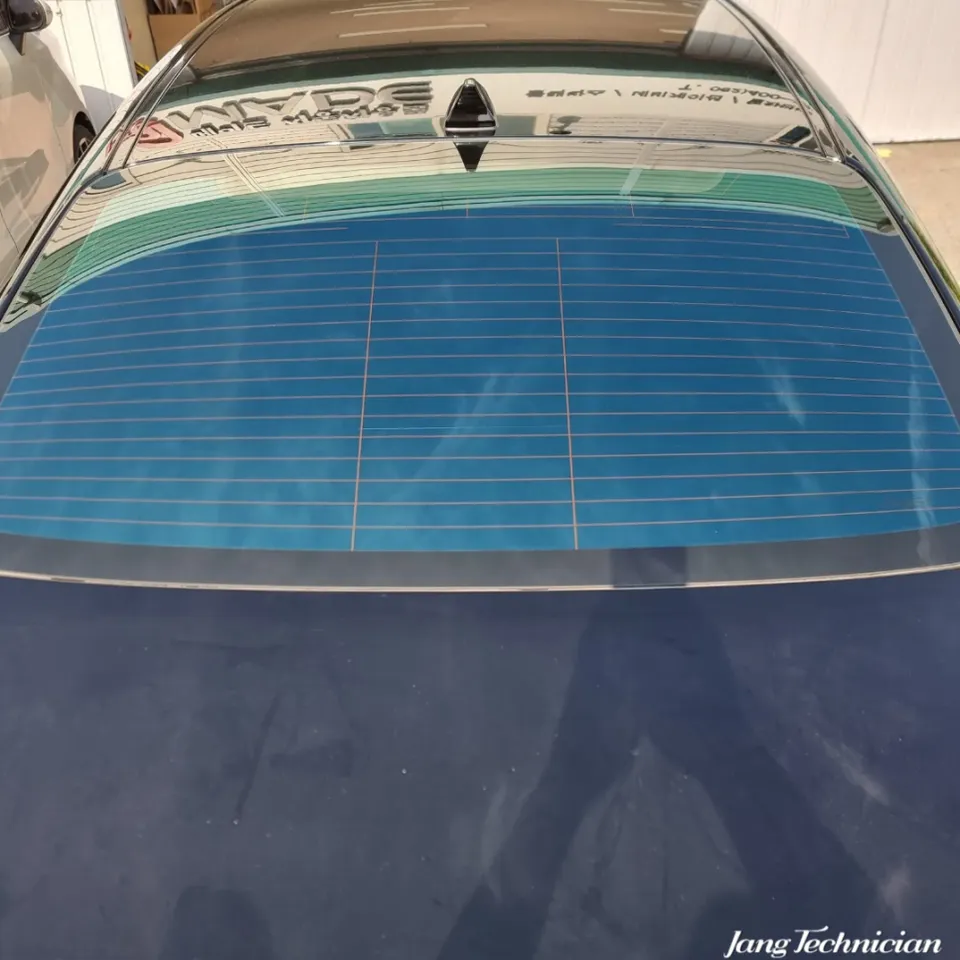
Process photos
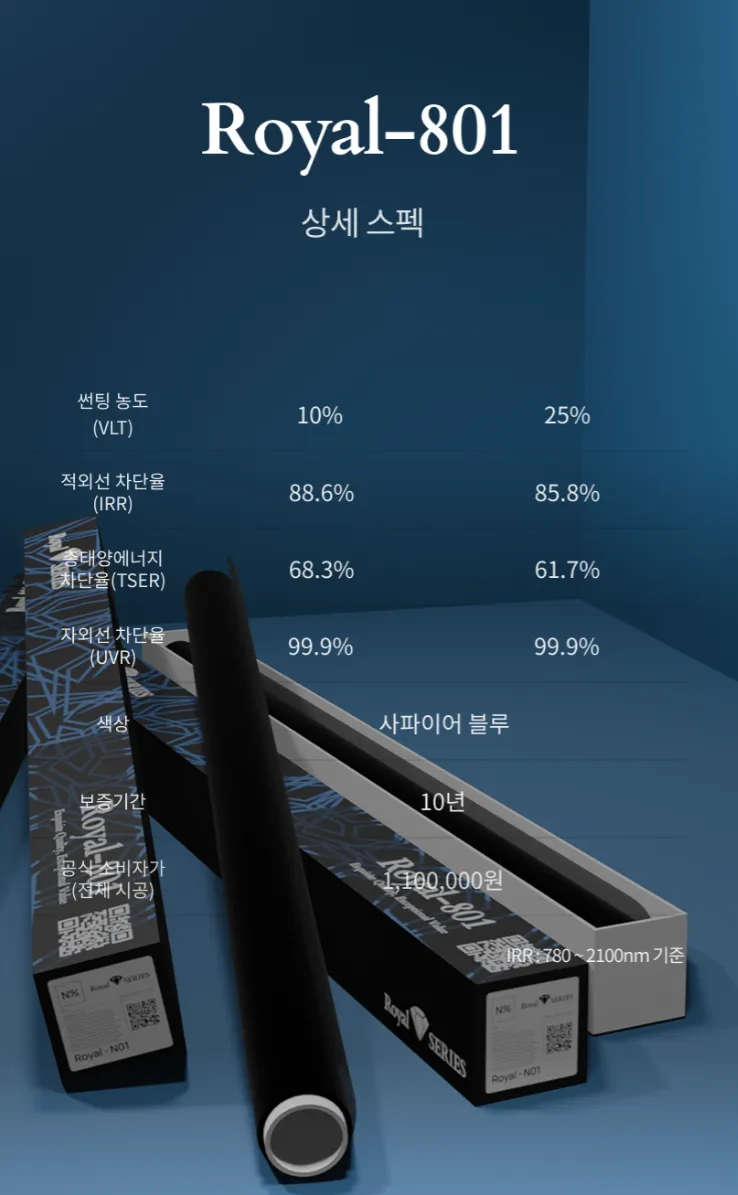
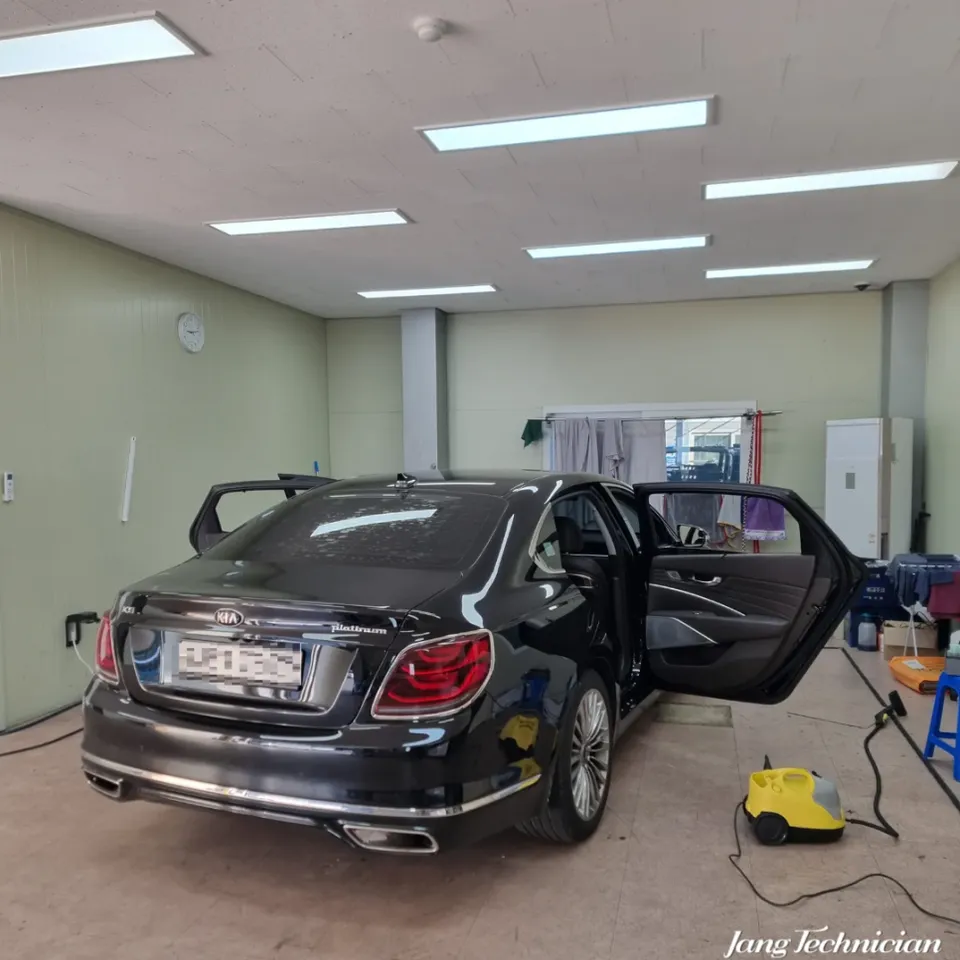
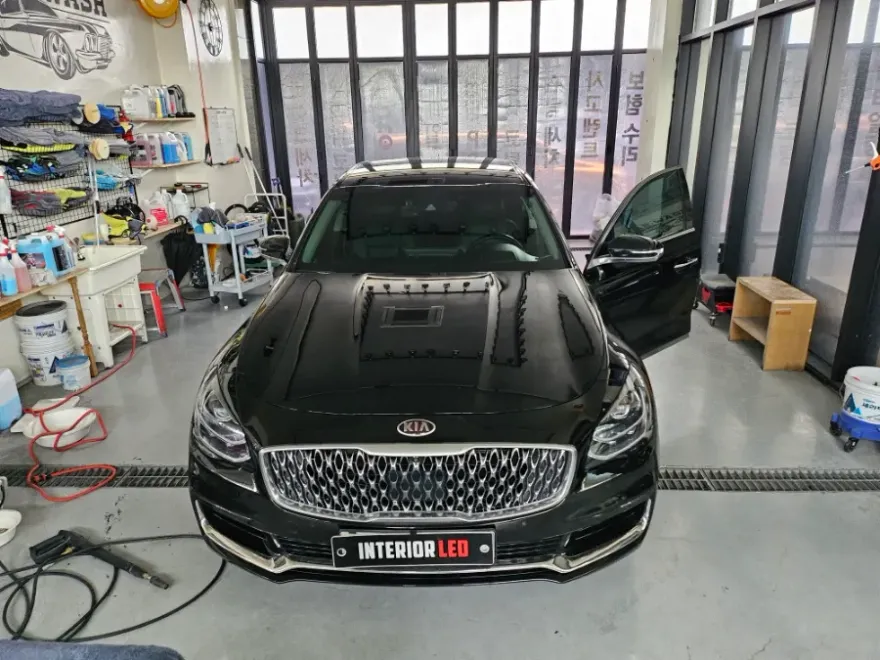
Kia K900 window tinting with Royal Series 801: ₩800,000. Achieved over 80% heat rejection and enhanced aesthetics.
Expert Window Tinting for Your Kia K900: A Royal Series Review
Considering window tinting for your Kia K900? Many car owners have experienced the frustration of needing follow-up work after choosing a tint that didn't meet expectations, especially regarding heat rejection. This review details a professional installation of the Royal Series 801 tint on a Kia K900 in Gwangju, South Korea, focusing on achieving over 80% heat rejection while enhancing the vehicle's appearance. We'll cover the entire process, from initial inspection to the final results, highlighting why choosing a verified installer is crucial.
Key aspects covered in this review:
① Vehicle inspection and installation planning
② Removal of old tint and surface preparation
③ The Royal Series 801 installation process
4. Final inspection and outcome analysis
Pre-Installation: Diagnosing Your Kia K900's Condition
The first critical step before any window tinting service begins is a thorough inspection of the existing film and glass. Skipping this can lead to quality issues later, particularly if the previous tint was an unknown, low-quality product that leaves behind stubborn adhesive residue. Verified installers meticulously check these conditions to prevent complications.
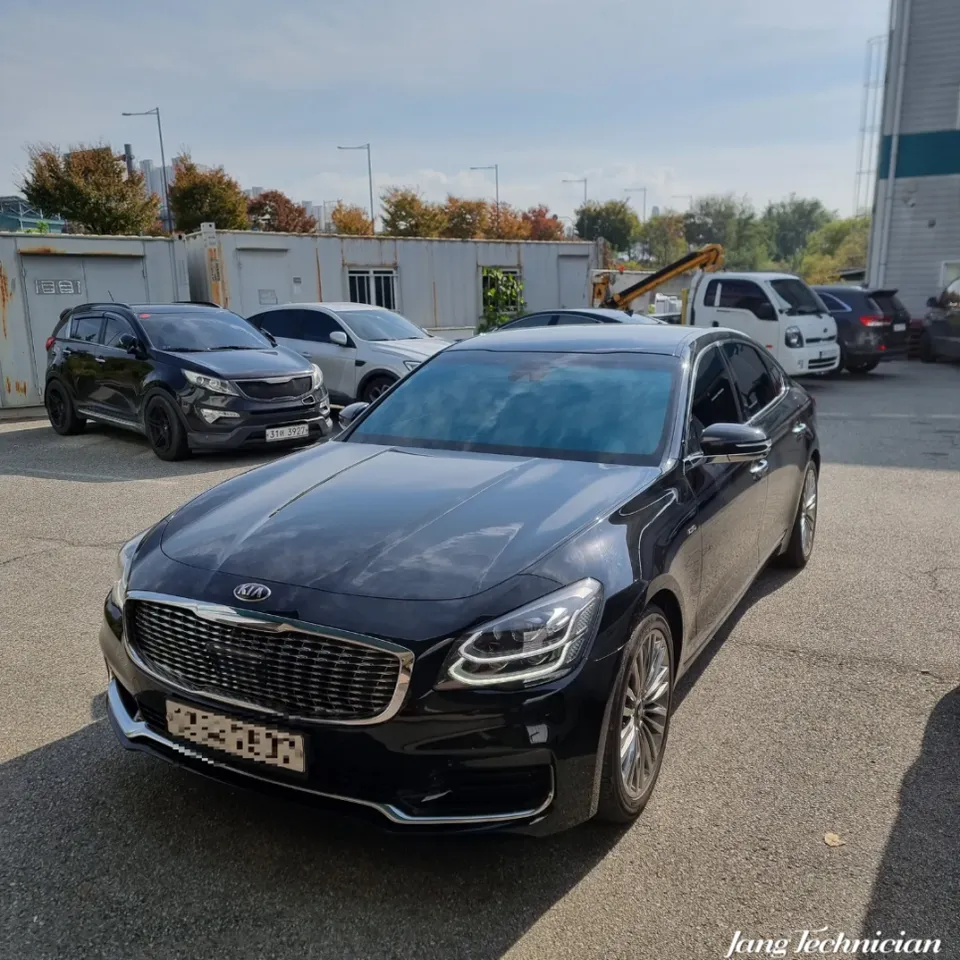
For this Kia K900, the plan was to apply 30% tint to the front windshield and 10% to the side and rear windows. We informed the owner that the total time could increase significantly due to the potential need for extensive removal of old film and adhesive. Experienced shops account for these variables and communicate them transparently.
Verifying the specifications of the chosen tint is also vital. The Royal Series 801, a new product featuring a distinct blue reflective characteristic, was selected for its impressive heat rejection capabilities, exceeding 80%. This level of performance is key to maintaining a comfortable interior temperature, especially during hot weather.
The Crucial Step: Removing Old Window Tint
The condition of the existing window tint significantly impacts the removal process. Older, low-cost films often leave behind hardened adhesive that is difficult to remove, potentially doubling the installation time. Patience and thoroughness are essential here.
Completely removing all adhesive residue is a slow but necessary part of ensuring a flawless finish. Any remaining glue will prevent the new film from adhering properly, leading to bubbles and peeling. This meticulous cleaning is arguably the most important step for achieving high-quality window tinting.
After adhesive removal, the glass surface must be cleaned with a neutral detergent and a microfiber cloth, then dried completely. Rushing this preparation can result in trapped air or moisture, compromising the new tint's adhesion and appearance.
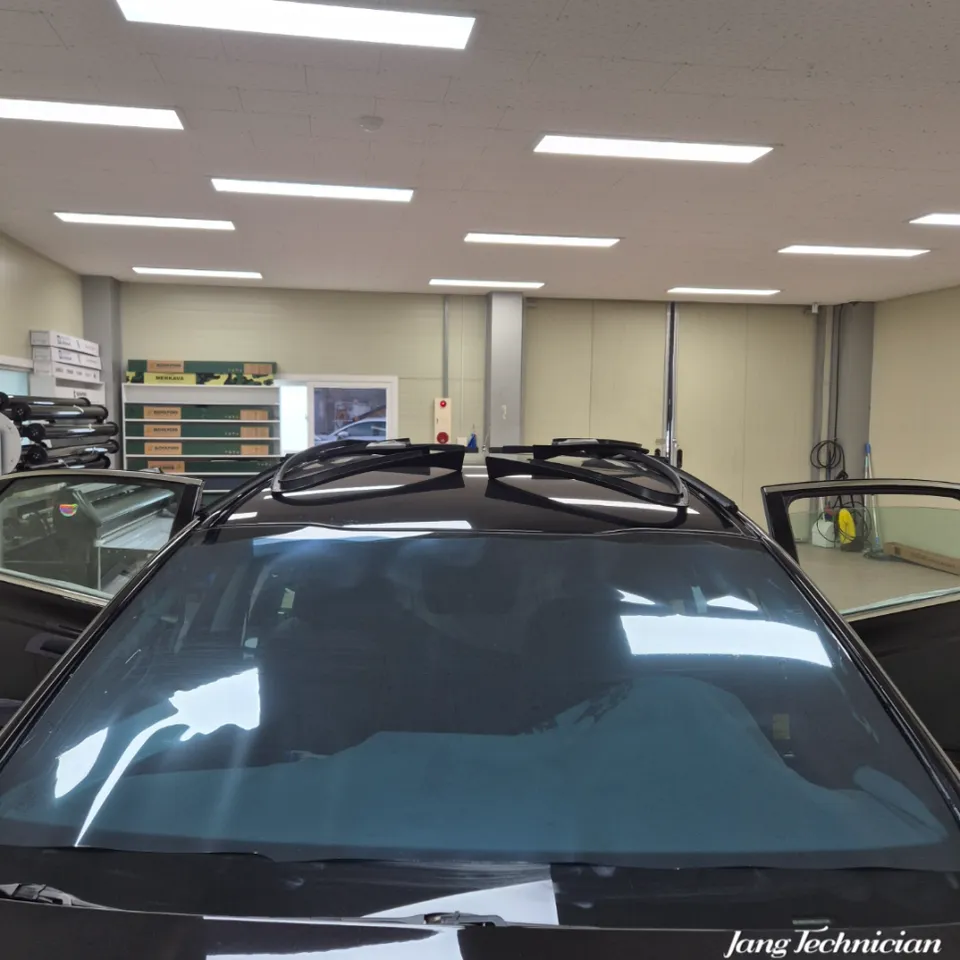
Royal Series 801 Installation: Front Windshield and Beyond
The Royal Series 801 offers excellent aesthetic appeal with its blue reflective finish, complementing the K900's luxurious design. Beyond its looks, the high heat rejection rate (over 80%) provides significant practical benefits for cabin comfort.
During front windshield installation, special care must be taken to avoid damaging the defroster lines. Using specialized tools instead of standard blades and working with controlled movements prevents these delicate heating elements from being cut. Professional installers are trained in these precise techniques.
Accurate film cutting is paramount, especially for curved windshields. The film is precisely measured and cut to match the glass's contours, a process that can take around 15-20 minutes before the actual application begins. This precision ensures a perfect fit.
Application involves misting the glass to create a slip solution, allowing the film to be positioned correctly. Air is then carefully squeegeed out. The technique focuses on consistent pressure rather than just speed to achieve a smooth, bubble-free finish.
Side and Rear Window Tinting (10%)
The side and rear windows were tinted to a 10% opacity. This level offers a balance between privacy, a slight reduction in interior glare, and effective heat rejection, without making the cabin excessively dark. It effectively deters prying eyes while maintaining visibility.
The installation process for the side and rear windows follows the same principles of careful application and meticulous air removal as the front windshield, ensuring a uniform look across the entire vehicle.
Final Inspection and Results
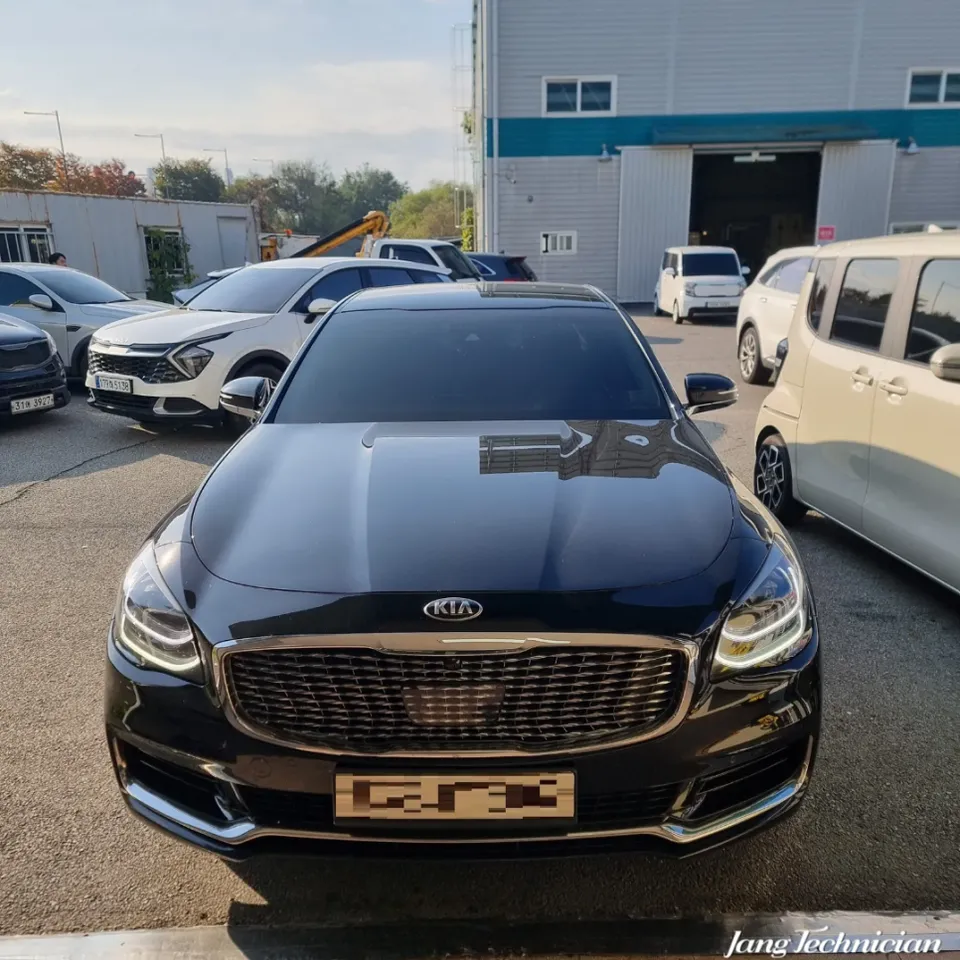
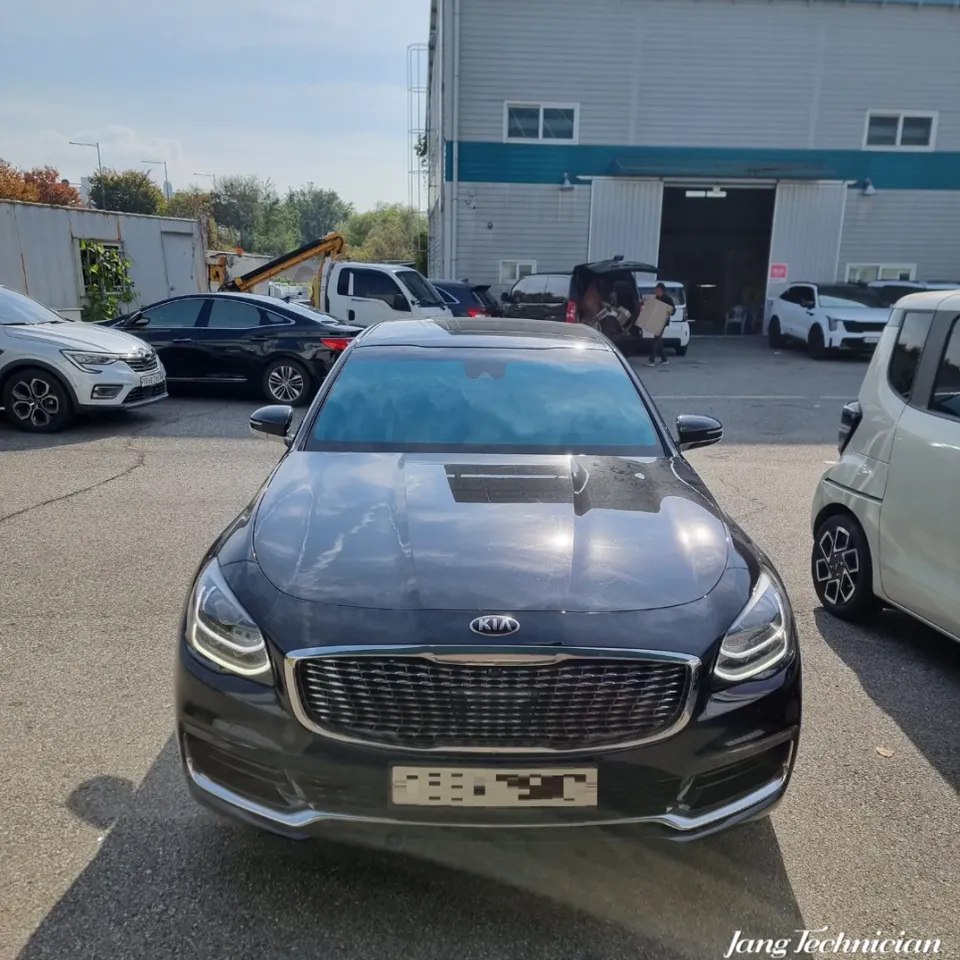
After installation, a thorough inspection confirms the tint is applied correctly, free of defects like bubbles, dust, or peeling edges. The blue reflective quality of the Royal Series 801 provides a striking visual enhancement to the Kia K900, while the high heat rejection performance promises a cooler, more comfortable driving experience. The total cost for this comprehensive window tinting service in Gwangju was approximately ₩800,000 (around $600 USD, subject to exchange rates and specific shop pricing).
Installation process:
1. Thoroughly inspect and clean existing tint and glass, removing all old adhesive.
2. Precisely cut the new tint film to match the vehicle's window contours.
3. Apply the tint film to the glass using a slip solution and carefully squeegee out all air and moisture.
4. Inspect the finished installation for any imperfections.
Frequently Asked Questions
Q. How much does window tinting cost for a Kia K900?
This specific Royal Series 801 installation on a Kia K900 cost approximately ₩800,000 (around $600 USD). Typical professional window tinting for a luxury sedan like the K900 in the US can range from $300 to $800 depending on the film type and shop.
Q. How long does window tinting on a Kia K900 typically last?
High-quality window tints, like the ceramic or heat rejection films used on a Kia K900, are designed to last for many years, often 10 years or more, without significant fading or peeling. To maintain the tint, avoid rolling down windows for 24-48 hours after installation and clean them gently with a soft cloth and ammonia-free cleaner.
Q. Is ceramic tint worth the extra cost for a Kia K900?
Ceramic tint is often worth the investment for a Kia K900 owner prioritizing maximum heat rejection and UV protection without significantly darkening the windows. Its advanced technology offers superior performance compared to traditional dyed or metallic films, justifying the higher price for enhanced comfort and protection.
Q. How is window tint installed on a Kia K900?
Installation involves meticulously cleaning the glass, removing any old tint and adhesive, precisely cutting the new tint film, applying it to the glass with a slip solution, and carefully squeegeeing out all air and moisture for a smooth, bubble-free finish. A final inspection ensures a perfect application.
Q. What is the difference between ceramic and dyed window tint for a Kia K900?
Ceramic tint uses non-metallic ceramic particles to block heat and UV rays, offering superior heat rejection and clarity without interfering with electronics, while dyed tint uses coloring to reduce glare and provide privacy but offers less heat rejection. For optimal performance and durability on a Kia K900, ceramic tint is generally recommended.
OhCar Partner Shop
More window tinting Reviews
See all →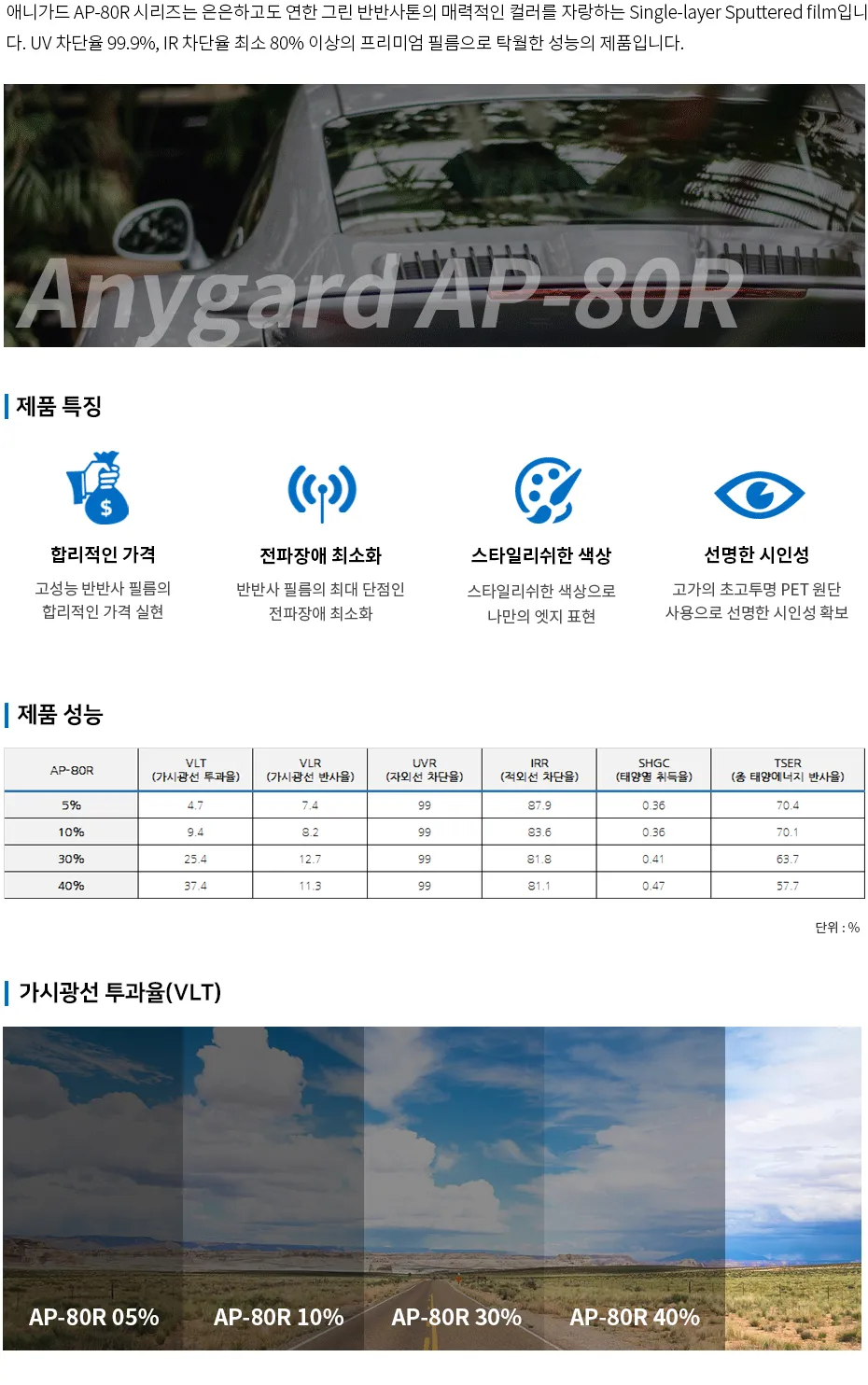

More Kia Reviews
Pair with Another Service
Protect paint while you're at the shop
Add gloss and protection