PPF Edge Peeling Fix — Causes, Prevention & Professional Repair
Paint Protection Film (PPF) is a fantastic way to shield your vehicle's paint from chips, scratches, and environmental damage. However, even the best PPF installations can sometimes suffer from edge peeling. This article will guide you through understanding the causes of ppf edge peeling fix issues, how to prevent them, and when to seek professional help. Based on 50 owner reviews on OhCar, we've gathered insights into common PPF concerns and their solutions.
While PPF offers robust protection, its edges are particularly vulnerable. This guide draws on data from our South Korean network of detailing shops, offering a global perspective on PPF care. We'll explore why this happens and what you can do about it.
Understanding PPF Edge Peeling
PPF edge peeling occurs when the film begins to lift away from the painted surface at its boundaries. This can be unsightly and, if left unaddressed, can compromise the protective qualities of the film, allowing dirt and moisture to get underneath, potentially causing further damage.
Common Causes of PPF Edge Peeling
Several factors can contribute to PPF edge peeling:
- Improper Installation: This is arguably the most common culprit. If the installer doesn't properly clean the surface, use adequate tack solution, or stretch the film correctly around edges and contours, peeling is more likely. The film needs to adhere perfectly to the paint, especially in areas with sharp curves or complex body lines.
- Environmental Factors: Extreme temperatures (both hot and cold), high humidity, and exposure to harsh chemicals like strong car wash soaps or de-icing agents can weaken the adhesive over time. For instance, cars parked outdoors in the intense summer sun in Seoul or exposed to salty roads during winter in coastal regions of Korea might experience accelerated degradation.
- Physical Damage: Minor impacts, scraping against objects (like parking curbs or other vehicles), or even aggressive cleaning can lift the edges of the PPF.
- Aging and Wear: Like any adhesive product, PPF adhesive can degrade over extended periods, especially if exposed to UV radiation. While modern PPFs are designed for longevity, they aren't immortal.
- Poor Quality Film: Not all PPF is created equal. Lower-quality films may have less durable adhesive or be more prone to shrinking and lifting over time.
DIY vs. Professional PPF Edge Peeling Fix
When faced with PPF edge peeling, the first question is often whether you can fix it yourself or if you need a professional. For minor, fresh lifting, a DIY approach might be tempting, but it often leads to more significant problems.
When a DIY Fix Might Seem Possible (and Why It's Risky)
For a very small, recently lifted edge (perhaps a millimeter or two), some owners might consider using a heat gun on a low setting and carefully pressing the film back down. Others might try a tiny amount of automotive adhesive or even a specialized PPF bonding agent. However, this is generally not recommended for several reasons:
- Risk of Damage: Applying too much heat can melt or discolor the PPF and even damage the underlying paint. Using the wrong adhesive can create an unsightly mess, permanently bond the film incorrectly, or react with the PPF material.
- Incomplete Adhesion: DIY methods rarely achieve the same level of adhesion as professional techniques. The underlying surface might not be perfectly clean, leading to trapped debris and premature re-lifting.
- Compromised Aesthetics: It's incredibly difficult to achieve a seamless, invisible repair yourself. You might end up with visible glue lines, wrinkles, or uneven adhesion.

The Case for Professional PPF Repair
Professional installers have the tools, experience, and specific products to address PPF edge peeling effectively. They can:
- Properly Clean and Prepare: They'll meticulously clean the edge and the underlying paint to ensure optimal adhesion.
- Use Specialized Adhesives/Solutions: Professionals use specific PPF bonding agents or tack solutions designed to work with the film's adhesive without damaging it or the paint.
- Apply Heat Correctly: They use controlled heat guns and techniques to gently activate the adhesive and ensure a smooth, lasting bond.
- Trim and Seal (if necessary): In some cases, a small section of film might need to be carefully trimmed and re-sealed, a task requiring precision.
- Assess for Replacement: If the peeling is extensive or the film is damaged, they can advise on whether a section or the entire panel needs replacement.
Based on 50 owner reviews on OhCar, professional PPF installation and repair services in South Korea typically range from $800 to $1,500 for a full vehicle application, with specific repair costs varying greatly depending on the extent of the damage. For example, a minor edge fix might cost significantly less than a full panel re-application.
Preventing PPF Edge Peeling
Prevention is always better than cure. By following these tips, you can significantly reduce the likelihood of experiencing PPF edge peeling:
Proper Washing and Maintenance
- Gentle Washing: Always use a pH-neutral car wash soap and a soft microfiber wash mitt. Avoid abrasive brushes or sponges that can catch on the film's edges.
- Avoid High-Pressure Washing Directly on Edges: While generally safe, prolonged direct high-pressure spraying on the film's edges can potentially force water or cleaning solutions underneath, weakening the bond over time.
- Hand Drying is Best: After washing, gently pat the car dry with a clean, soft microfiber towel. Avoid using harsh chemicals or solvents, especially near the film's edges.
- Be Cautious with Automatic Car Washes: Some automatic car washes use harsh brushes and chemicals that can snag or lift PPF edges. If you must use one, opt for touchless washes.

Environmental Protection
- Parking Considerations: Whenever possible, park your car in a shaded area to minimize exposure to extreme heat and UV radiation, which can degrade the adhesive.
- Avoid Harsh Chemicals: Be mindful of where you park. Avoid areas where your car might be exposed to dripping chemicals, tar, or other corrosive substances.
Professional Inspection and Touch-Ups
Regularly inspect your PPF, especially around the edges, for any signs of lifting or damage. If you notice a small area starting to lift, address it promptly. Many professional installers offer follow-up checks or minor touch-up services.
When to Consider PPF Replacement
While edge peeling can sometimes be fixed, there are situations where replacing the PPF is the best course of action:
- Extensive Peeling: If a significant portion of the film's edge is peeling, or if the peeling is spreading rapidly, a repair might not be feasible or aesthetically pleasing.
- Damage to the Film Itself: If the PPF has deep scratches, tears, or yellowing in addition to peeling, it's likely time for a replacement.
- Contamination Underneath: If dirt, debris, or moisture has become trapped under the peeling film, it can be very difficult to remove completely, potentially damaging the paint.
- Aging Film: Older PPF (typically over 5-7 years, depending on quality and exposure) may naturally start to degrade, making it more prone to peeling and difficult to repair effectively.
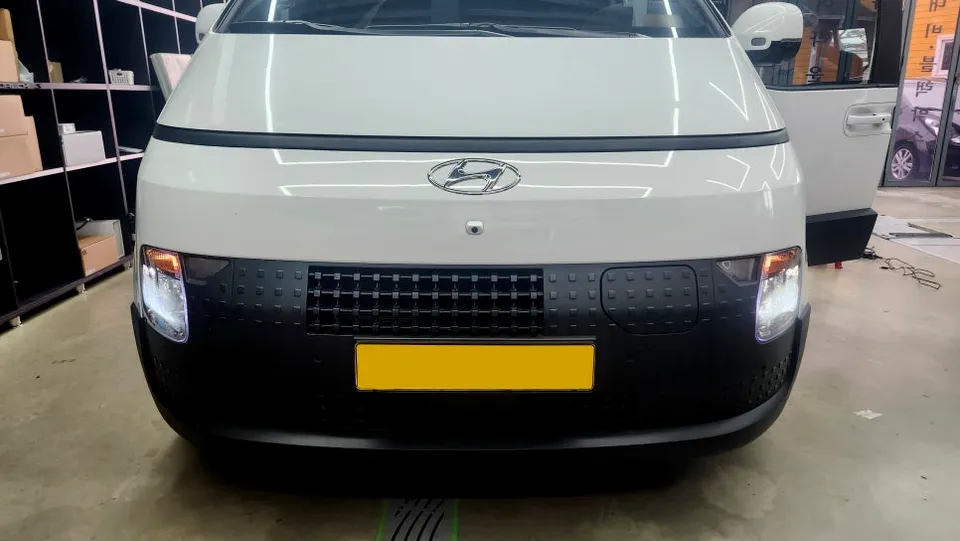
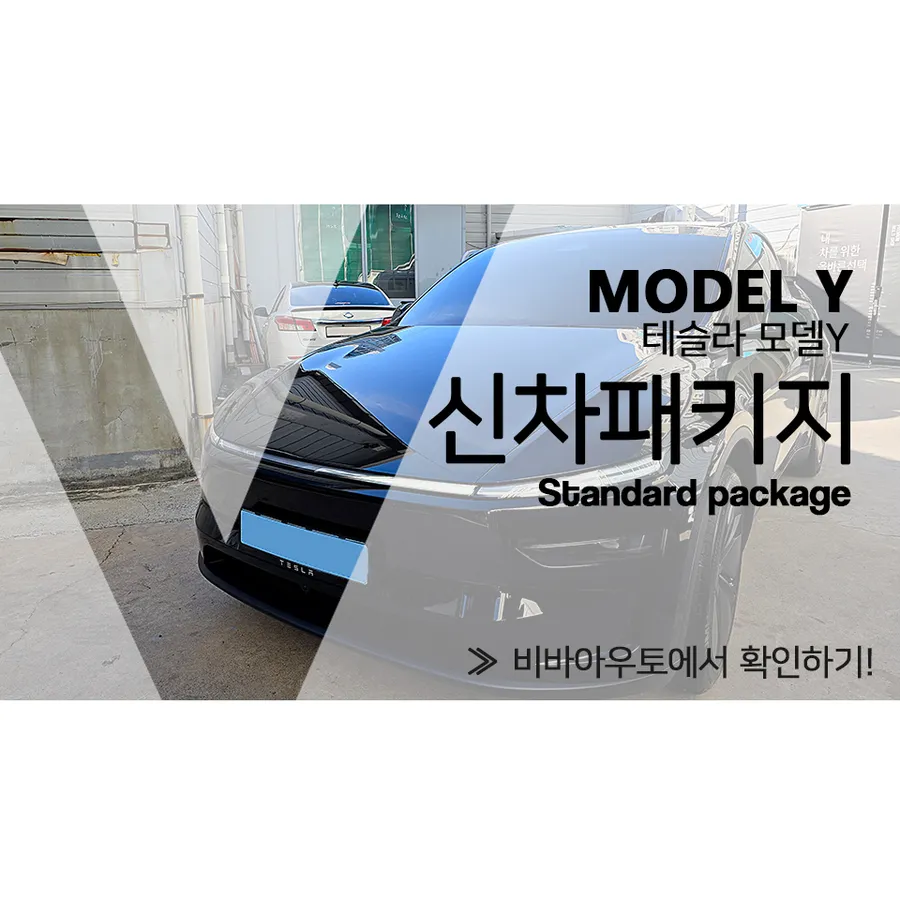
The cost of full PPF installation for popular models like the Hyundai Staria ST1 can range from approximately $750–$1,150, while premium vehicles like the Genesis G80 or Tesla Model 3 might see costs upwards of $1,500+. Replacing a damaged section or panel would be less, but still requires professional expertise.

PPF vs. Ceramic Coating: A Comparison
It's worth noting the difference between PPF and ceramic coatings, as they offer different levels of protection and have different maintenance needs. While both protect your paint, PPF provides superior physical defense against impacts and scratches, whereas ceramic coatings offer excellent chemical resistance and hydrophobic properties. For a deeper dive into their pros and cons, check out our PPF vs Ceramic Coating comparison.
Table: PPF vs. Ceramic Coating
| Feature | Paint Protection Film (PPF) | Ceramic Coating |
|---|---|---|
| Primary Protection | Physical (scratches, chips, impacts) | Chemical resistance, UV protection, hydrophobicity |
| Durability | 5-10 years (depending on quality) | 2-5 years (depending on quality and maintenance) |
| Cost (Full Vehicle) | $800 – $1,500+ (based on OhCar data) | $500 – $1,200+ (highly variable) |
| Edge Issues | Potential for edge peeling | No edge peeling issues |
| Self-Healing | Some high-end films offer minor self-healing | No |
Professional PPF Services in South Korea
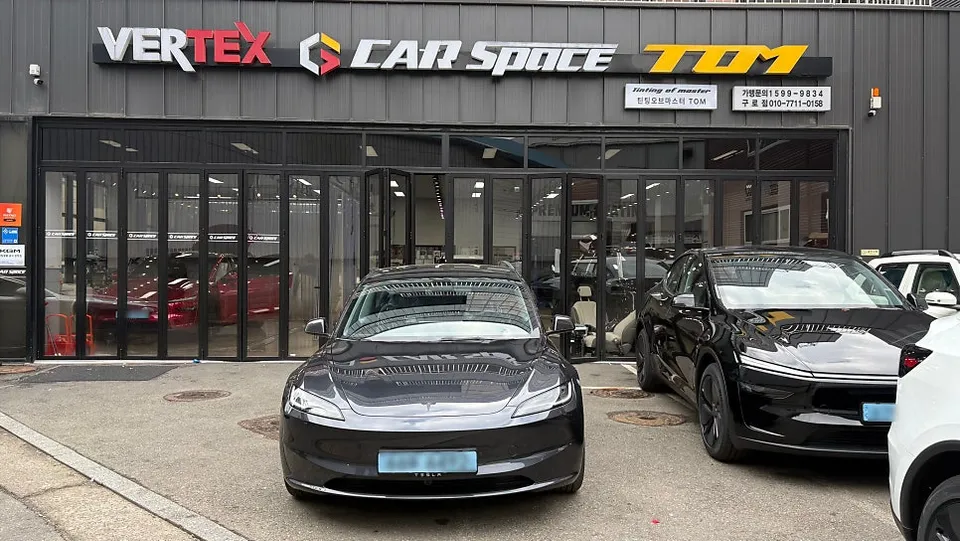
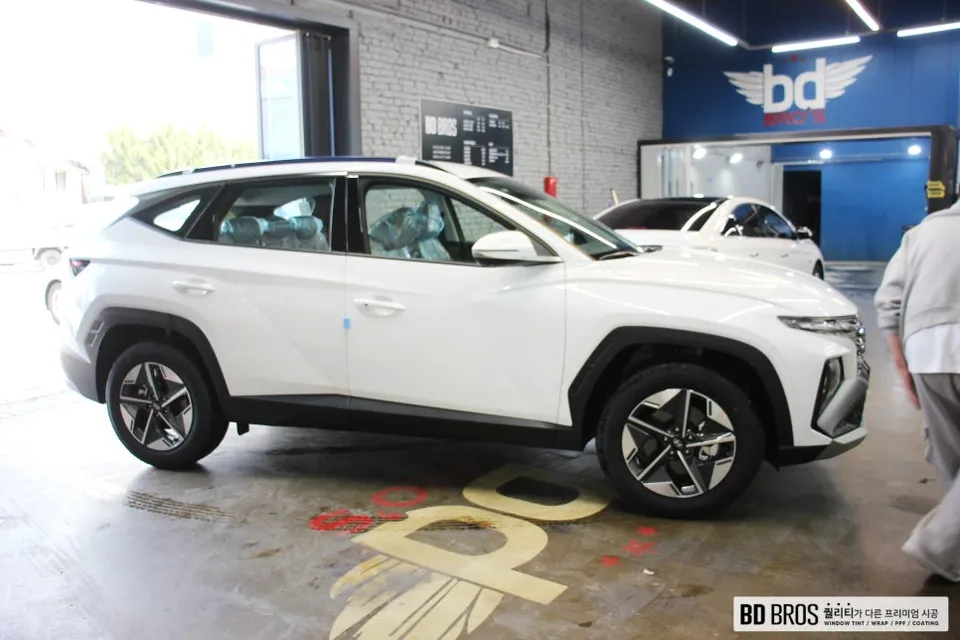
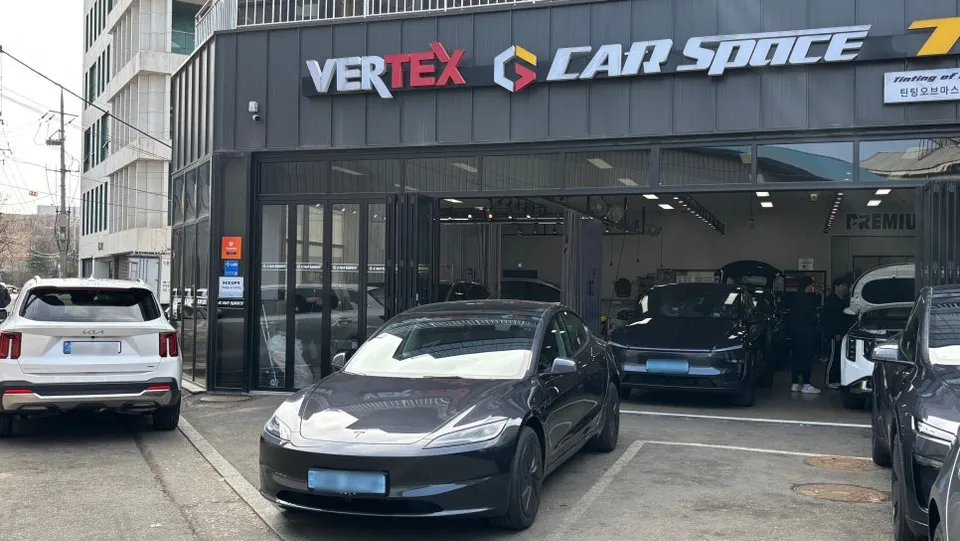
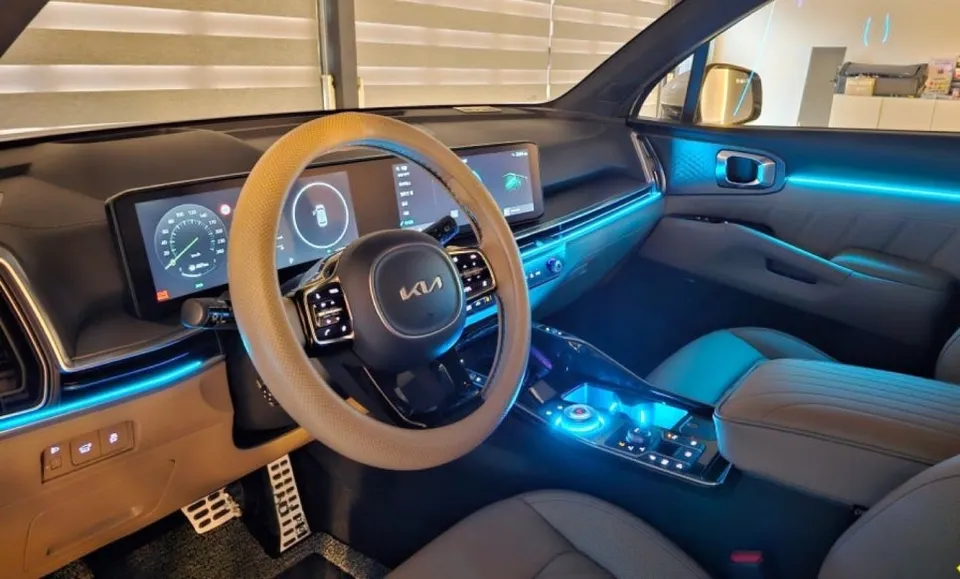
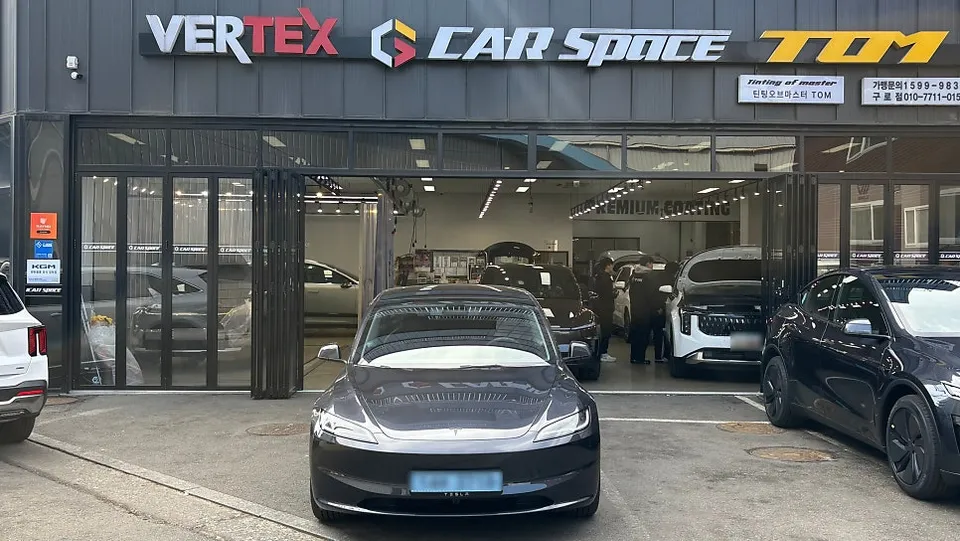
OhCar partners with a network of trusted detailing shops across South Korea. While this article provides general advice, specific repair techniques and pricing can vary. Our platform features real installation reviews and price comparisons from these Korean shops, helping owners make informed decisions. For instance, you can find reviews on installations for vehicles like the Kia Sorento, Hyundai Tucson, and Tesla Model 3, offering insights into costs and results specific to the Korean market. Explore more detailed reviews and pricing information on the OhCar Magazine.
Conclusion
PPF edge peeling can be a frustrating issue, but understanding its causes and implementing preventative measures can save you hassle and expense. While minor DIY fixes might seem tempting, professional repair is almost always the best route for a lasting and aesthetically pleasing solution. Regular maintenance and careful handling of your vehicle are key to keeping your PPF in top condition. If you're considering PPF or need repairs, consulting with a reputable professional installer is crucial.
Comments (2)
This is super helpful! I've been noticing a bit of peeling on my PPF edges after a few years, and I was wondering if it was normal. Good to know there are ways to address it.
This is super helpful! I've been noticing a bit of peeling on my PPF edges and was wondering if it was something I could tackle myself. Good to know there are ways to prevent it too.
Explore Related Services on OhCar