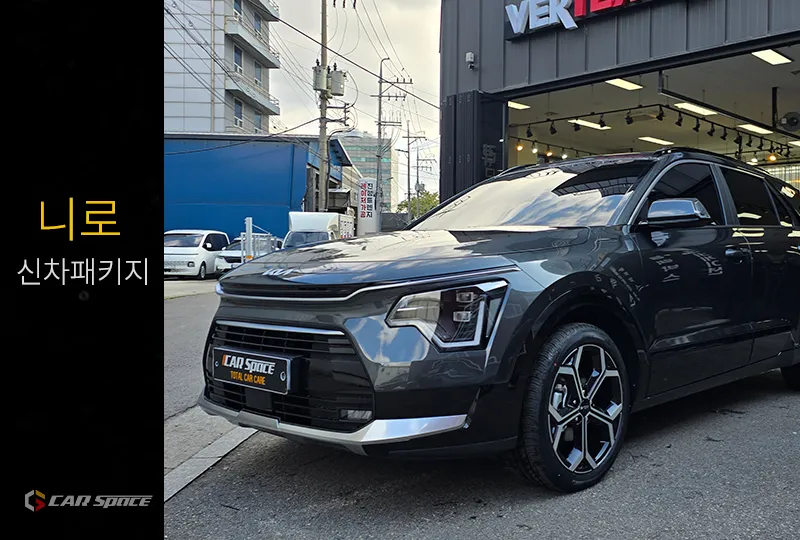
Kia Niro OEM Options Review: Factory Upgrade Cost
Service Price
$40–80
Estimated price · Actual price may vary by shop

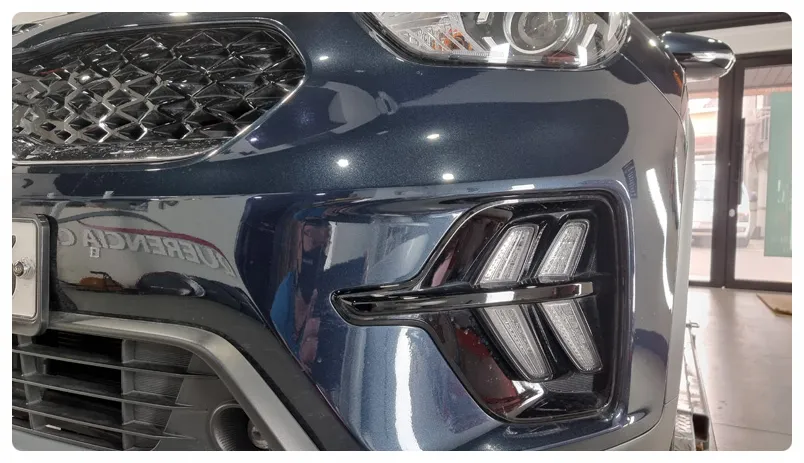
Kia Niro front parking sensor retrofit: $30-$60. Enhances parking safety and convenience.
Enhance Your Kia Niro with Factory Option Retrofits
Considering adding factory options to your Kia Niro after purchase? If you're experiencing inconvenience with parking, particularly in tight spots or when navigating busy streets, a factory upgrade for front parking sensors (PAS - Parking Assistance System) can significantly improve your driving experience. This is especially beneficial for new drivers or those returning to driving after a break. This review details the process, benefits, and considerations for retrofitting OEM options on your Kia Niro.
Why Front Parking Sensors (PAS) Are a Valuable OEM Option
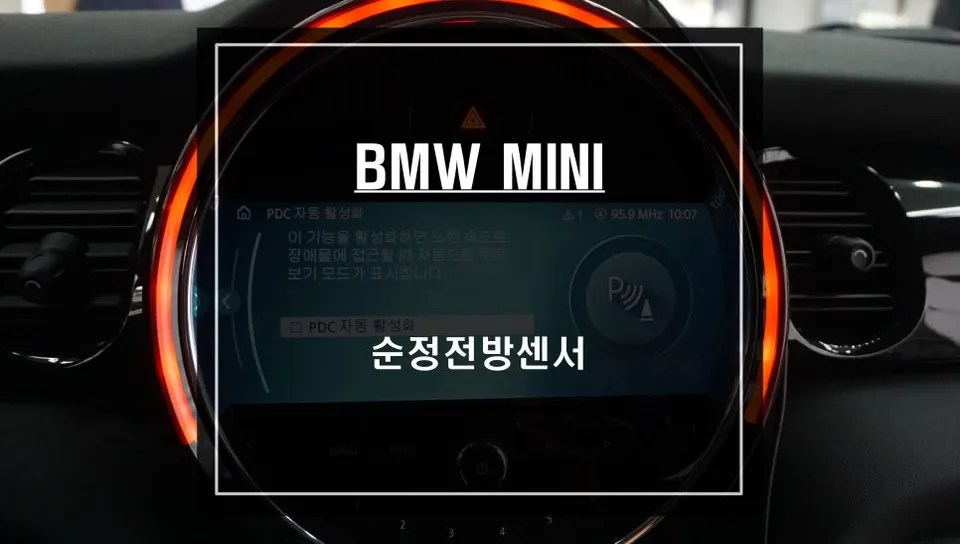
Front parking sensors are designed to detect obstacles in front of your vehicle, providing audible alerts that increase in frequency as you get closer to an object. This intuitive system is crucial for preventing low-speed collisions, especially in areas with limited visibility like narrow alleyways or crowded parking lots. Opting for an OEM (Original Equipment Manufacturer) installation ensures seamless integration with your Kia Niro's existing systems and aesthetics. The system's status is typically displayed on the instrument cluster, offering a user-friendly experience. In Korea, where this service is commonly offered, the cost for such a retrofit can range from approximately ₩40,000 to ₩80,000 (roughly $30-$60 USD, subject to exchange rates).
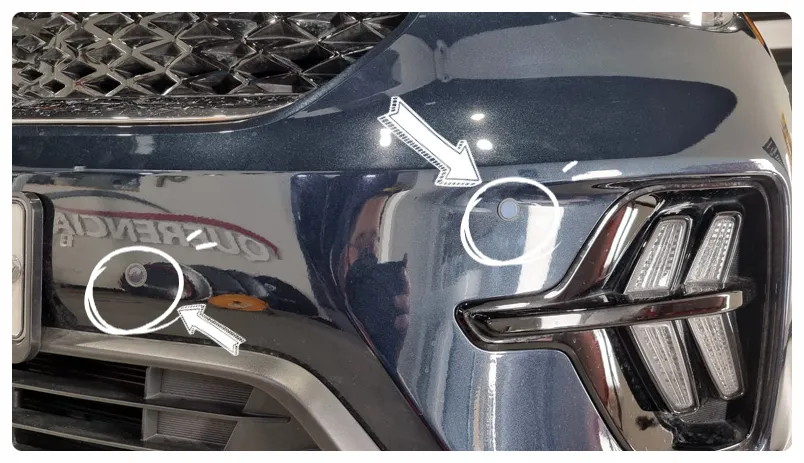
The OEM Options Installation Process for Kia Niro
Installing front parking sensors as a factory option retrofit on a Kia Niro requires professional expertise. The process generally involves:
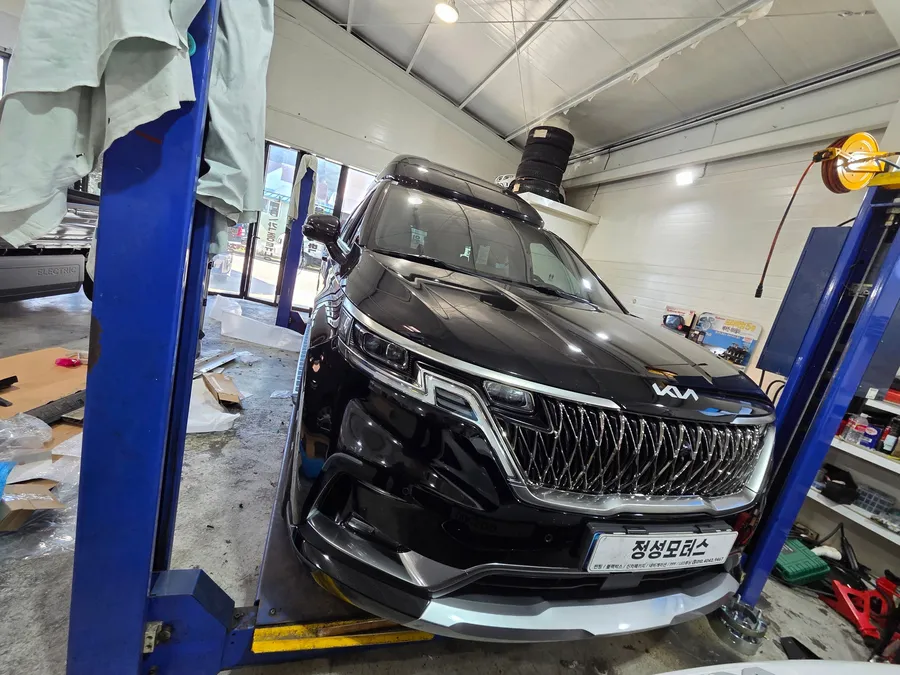
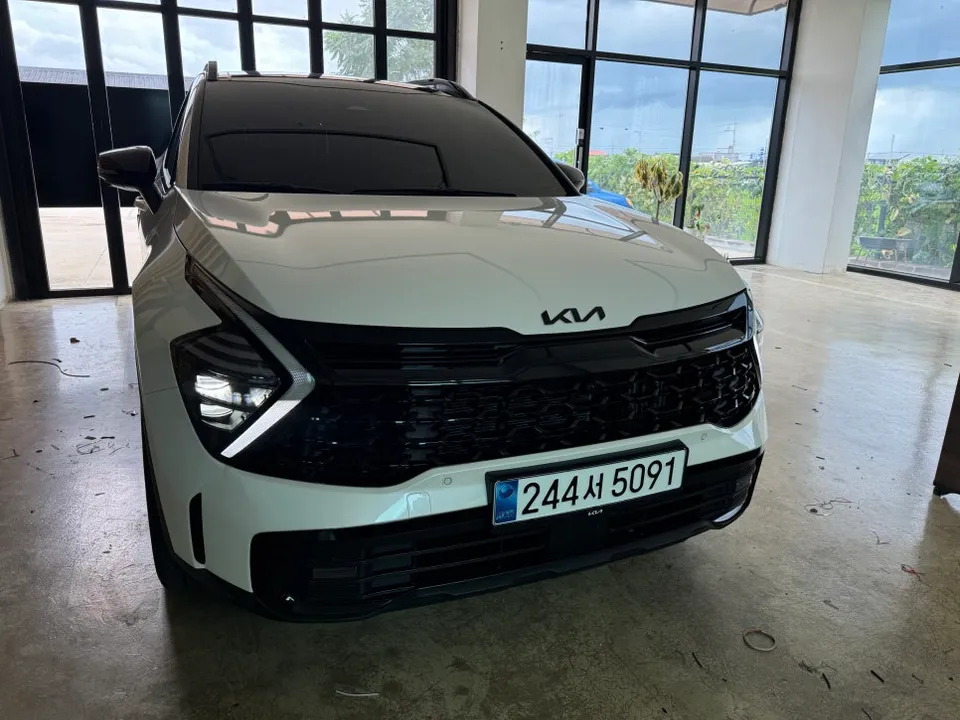
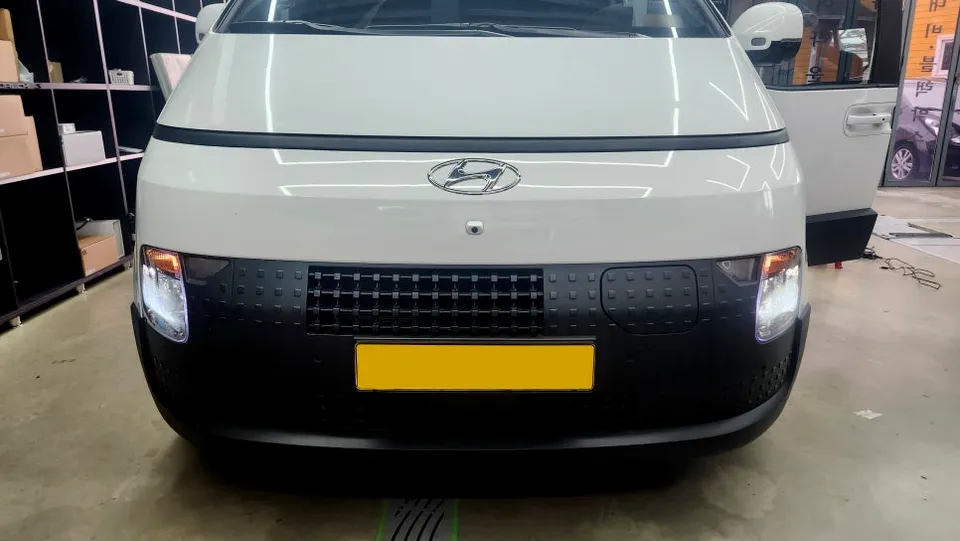
- Bumper Removal and Sensor Placement: The front bumper is carefully removed, and precise holes are drilled for the sensors, ensuring they are positioned identically to factory-installed units to maintain a clean look.
- Sensor and Wiring Installation: The sensors are securely mounted onto the bumper, and the necessary wiring is routed through the vehicle's interior.
- Control Module and Switch Integration: The main control module and a new switch (often integrated near the gear shifter, like a 'P' button) are installed using genuine OEM parts.
- System Activation and Testing: Diagnostic equipment is used to activate the new system within the vehicle's computer, followed by thorough testing to confirm all sensors are functioning correctly and providing accurate alerts. The instrument cluster is checked for proper display of the system's status.
The entire installation typically takes around 2 to 3 hours. After the upgrade, you'll notice the new sensor button on your dashboard, and the instrument cluster will indicate the system is active, ready to assist you during parking maneuvers. The final result is a factory-integrated system that enhances both safety and convenience, appearing as if it were originally equipped on your Kia Niro.
Frequently Asked Questions
Q. How much does OEM option and factory upgrade installation cost for a Kia Niro?
In Korea, the cost for this OEM option retrofit on a Kia Niro typically ranges from ₩40,000 to ₩80,000 (approximately $30-$60 USD). US pricing for similar dealer-installed options can vary significantly.
Q. How long does OEM options installation take on a Kia Niro?
The installation of OEM options like front parking sensors on a Kia Niro usually takes between 2 to 3 hours. These systems are designed for long-term durability with minimal maintenance required beyond occasional cleaning of the sensor surfaces.
Q. Are OEM options worth adding after purchase for a Kia Niro?
Adding OEM front parking sensors is highly recommended for Kia Niro owners who frequently face parking challenges or desire enhanced safety. The value lies in the improved convenience and accident prevention, especially in tight urban environments.
Q. How are OEM factory options installed on a Kia Niro?
OEM factory options are installed by first removing the front bumper to precisely drill holes for the sensors. Then, sensors are mounted, wiring is routed internally, and a control module and switch are integrated using genuine parts. Finally, the system is activated and tested via diagnostic tools.
Q. What is the difference between dealer-installed options and aftermarket upgrades for a Kia Niro?
OEM options, whether factory-installed or retrofitted by a dealer using genuine parts, ensure perfect integration and maintain vehicle warranty. Aftermarket upgrades may offer more features or lower costs but can sometimes lead to compatibility issues or void parts of your vehicle's warranty.
OhCar Partner Shop