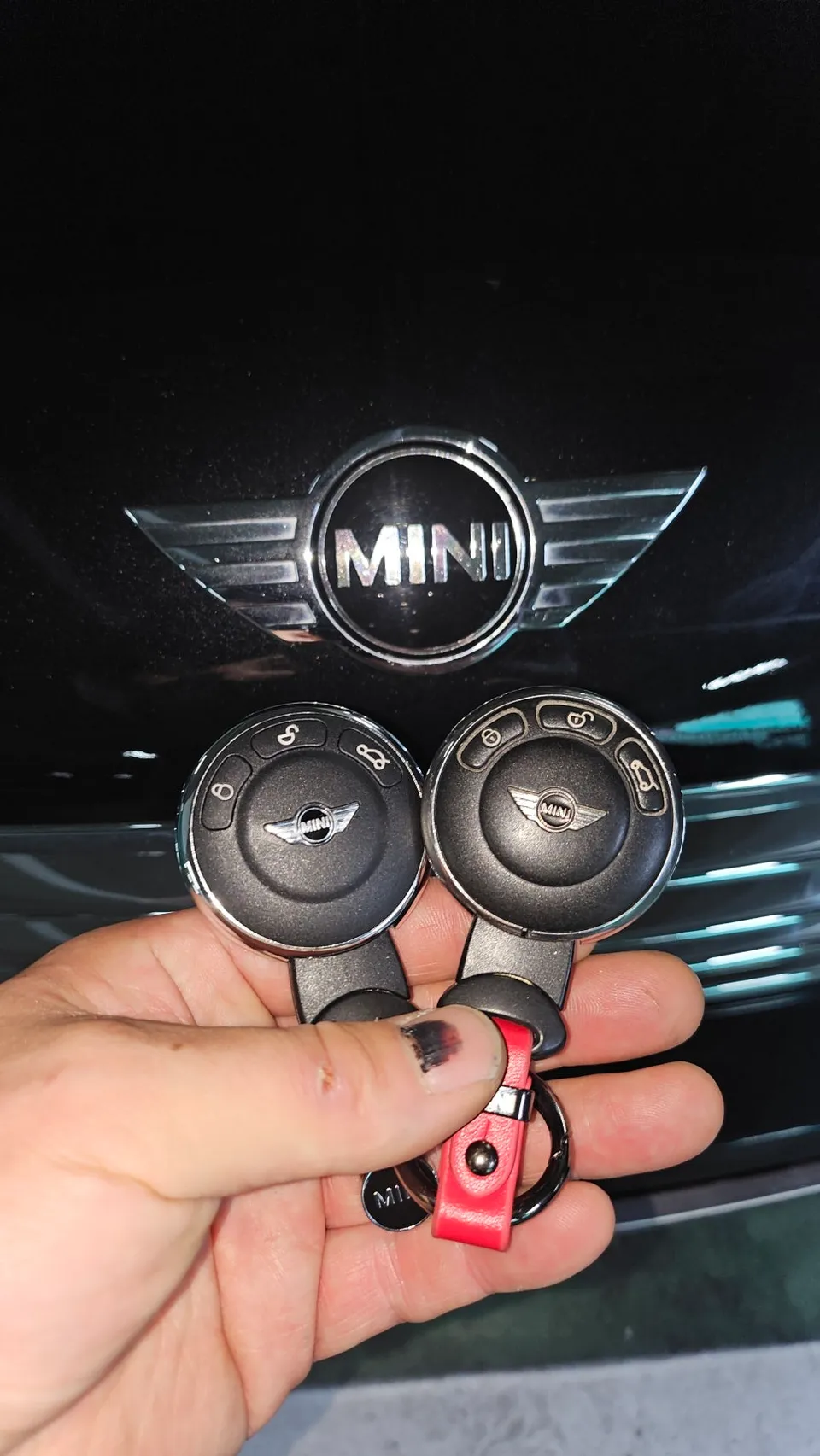
BMW MINI OEM Options Installation Cost & Review
Service Price
$150+
Estimated price · Actual price may vary by shop
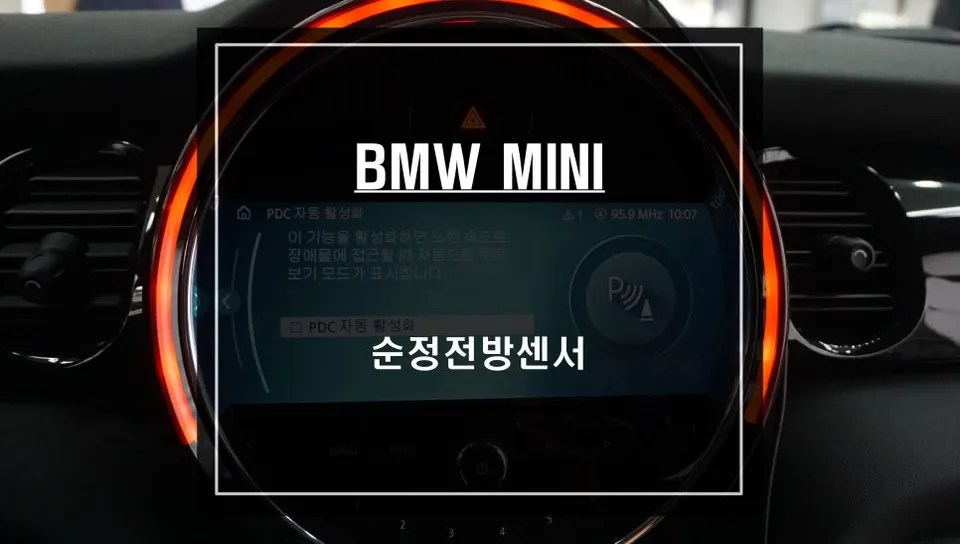
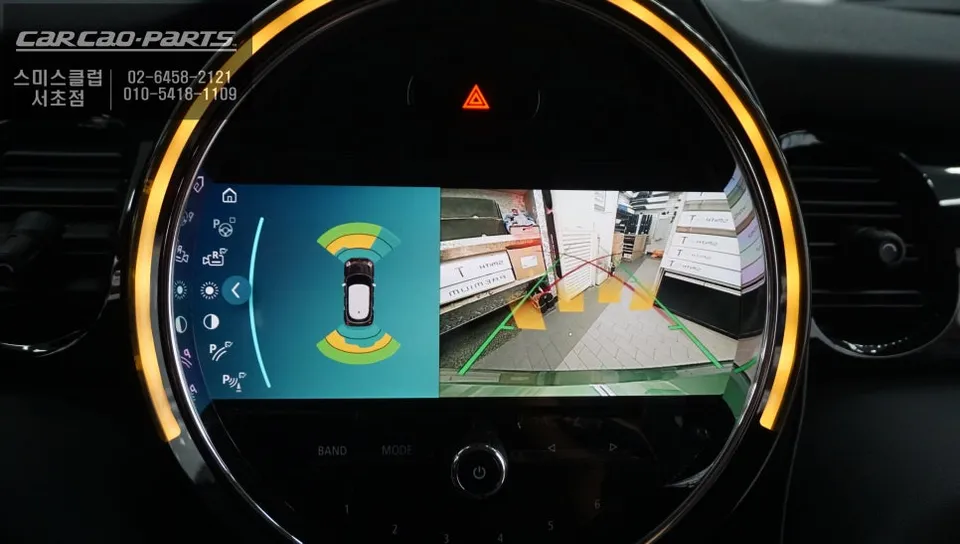
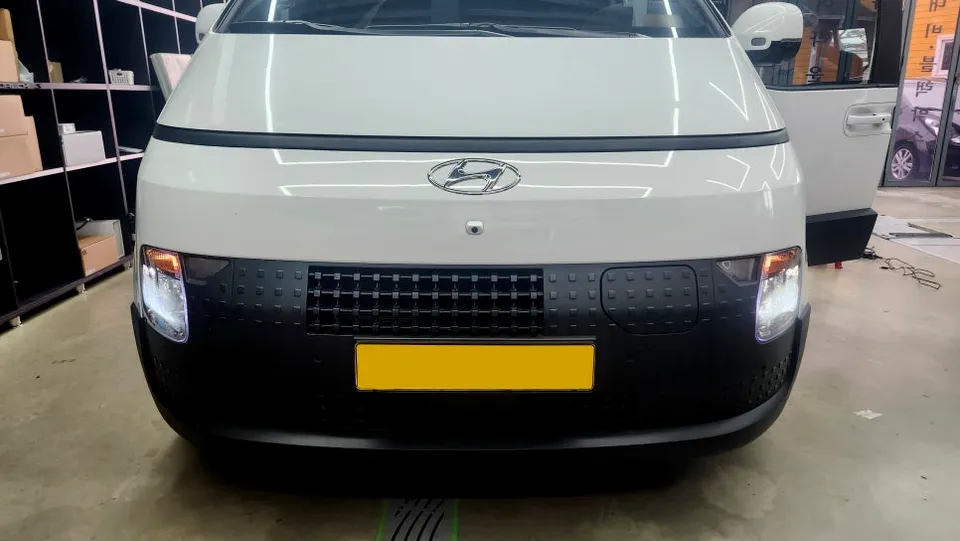
BMW MINI OEM front sensor retrofit: ~$150+. Enhances parking safety by detecting front obstacles via PDC integration and monitor display.
Why Add OEM Factory Options to Your BMW MINI?
Parking can be a nerve-wracking experience, especially in tight urban environments. The front blind spots on many vehicles, including the compact BMW MINI, can be surprisingly large, leading to potential bumps and scrapes. This review details the installation of genuine OEM front parking sensors (PDC integration) on a BMW MINI, a popular factory upgrade that significantly reduces parking anxiety for owners. The customer reported a substantial decrease in their parking worries after the retrofit.
Vehicle: BMW MINI
Service: Genuine Front Parking Sensors (4-sensor system)
Key Features: PDC Sensor Integration + OEM Monitor Display
Installation Time: Approximately 4-5 hours
The Necessity of Front Parking Sensors
The most common scenario for minor collisions? Parking. When pulling into a spot head-first, the driver's view of the car's front end is often obscured. This is particularly true for vehicles like the MINI, where its shorter hood can make the front blind spot feel more pronounced. Front parking sensors act as an essential extension of your senses, filling in those crucial blind spots.
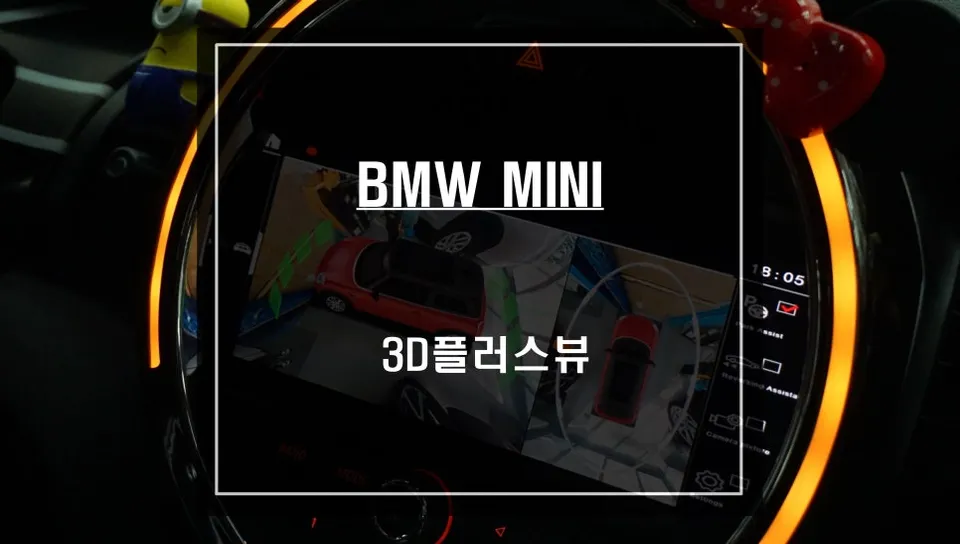
While rear parking sensors are standard on most cars, front sensors are often reserved for higher trim levels or are entirely absent. A genuine OEM front sensor system, when integrated with the existing PDC (Parking Distance Control) module, provides audible alerts and visual cues on the car's factory monitor, pinpointing the location of obstacles ahead. This factory upgrade ensures seamless integration and functionality.
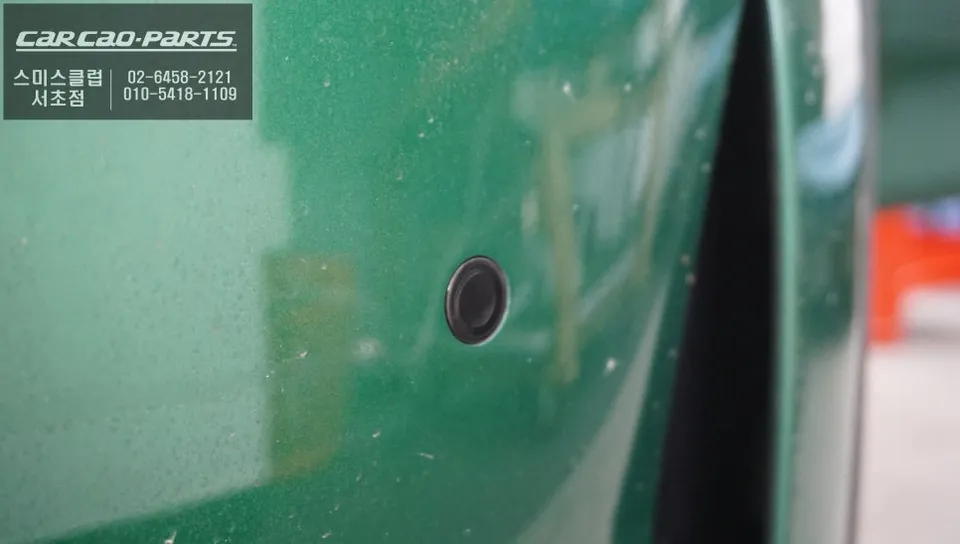
BMW MINI Front Sensor Installation Process
The installation begins with the careful and safe removal of the vehicle's front bumper. Achieving a factory-like finish hinges on this critical step, involving the meticulous detachment of all clips and fasteners to separate the bumper cleanly.
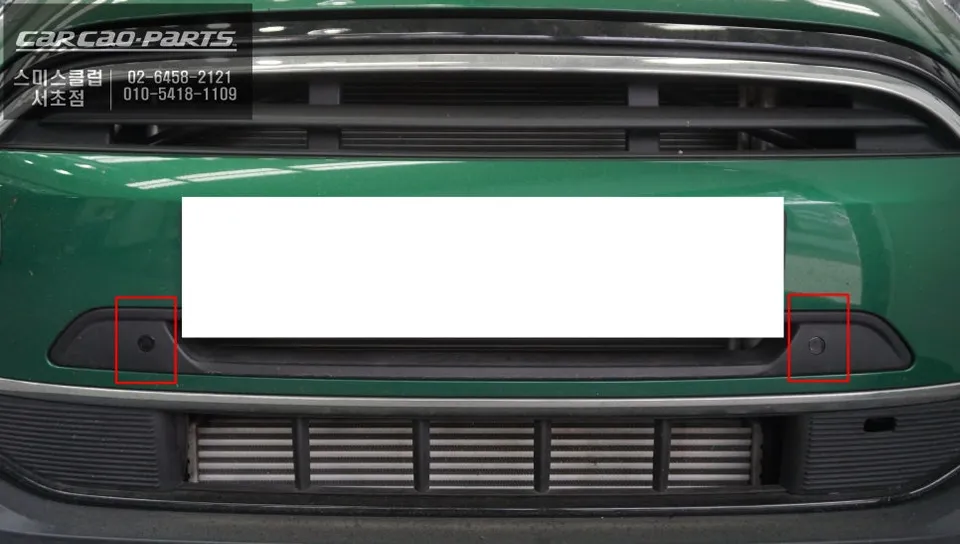
Next is the precision drilling for the sensors. Using specialized tools, clean holes are made in the bumper where the sensors will be mounted. Employing a standard drill can lead to uneven edges or cracks, so a dedicated hole saw is used to create perfectly sized openings for each of the four sensors. The exact placement and angle are crucial for accurate readings.
Once the holes are prepared, the four sensors are carefully embedded into the bumper from the inside. Attention must be paid to the angle and depth of each sensor to ensure they can accurately measure distances to obstacles. Each sensor has an optimal angle for performance.
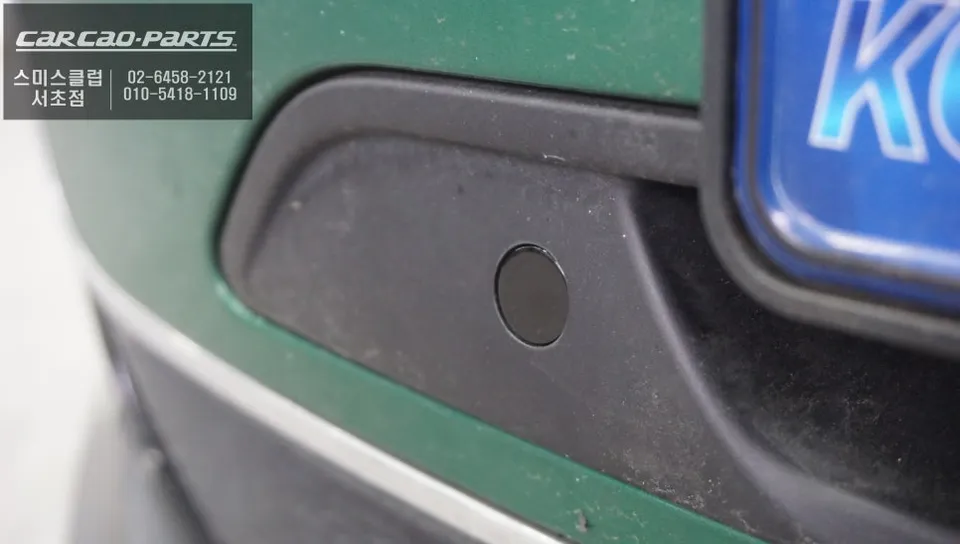
Wiring, Coding, and Finalization
The most complex part of the process involves the wiring and vehicle coding. The wiring harnesses from the front sensors are discreetly routed through the vehicle's interior and connected to the rear OEM PDC module. This connection is vital for the system to function as a unified whole.
Proper wiring is paramount, especially with BMW vehicles, as they adhere to specific wiring standards. Unlike generic aftermarket kits, the connections must precisely match the factory specifications for power and signal lines. This ensures that the alerts and display on the car's monitor function correctly, mimicking the original factory setup.
Following the wiring, the vehicle undergoes coding using specialized BMW diagnostic equipment. This step is essential and cannot be performed by the owner; it activates the newly installed front sensor functionality within the car's computer system. Without coding, the sensors, despite being physically installed, cannot communicate with the vehicle and will not operate.
The final stage involves a thorough functional test. Technicians verify that the sensors detect objects accurately, that the audible warnings function as expected, and that the visual display on the monitor operates correctly. Once all checks are passed, the bumper is reinstalled, completing the upgrade.
This OEM options retrofit, costing approximately ₩200,000 (around $150+ USD), offers a significant enhancement in parking safety and convenience for BMW MINI owners.
Frequently Asked Questions
Q. How much does OEM option and factory upgrade installation cost for a BMW MINI?
The OEM front sensor installation for a BMW MINI costs approximately ₩200,000 (around $150+ USD). US pricing for similar factory option retrofits can vary but often falls within a similar range depending on the specific features and dealership.
Q. How long does OEM options installation take on a BMW MINI?
The installation of OEM front parking sensors on a BMW MINI typically takes about 4-5 hours to complete. Proper maintenance involves keeping the sensors clean from dirt and debris to ensure accurate performance.
Q. Are OEM options worth adding after purchase for a BMW MINI?
Adding OEM front parking sensors is highly recommended for BMW MINI owners who frequently park in tight spaces or are concerned about front blind spots. The enhanced safety and reduced parking stress offer significant value.
Q. How are OEM factory options installed on a BMW MINI?
OEM factory options like front parking sensors are installed by first safely removing the bumper, then precisely drilling holes for the sensors. Next, the sensors are mounted, followed by routing the wiring to integrate with the car's existing PDC module, and finally, coding the vehicle to activate the new feature.
Q. What is the difference between dealer-installed options and aftermarket upgrades for a BMW MINI?
OEM options, like the factory-integrated front sensors discussed, are designed and manufactured by the car's maker for seamless integration, ensuring factory-level performance and warranty compatibility. Aftermarket upgrades, while potentially cheaper, may not offer the same level of integration, reliability, or aesthetic finish.
Kakao Parts