Kia Niro Front Sensor Upgrade Review — Enhanced Parking Safety
Service Price
$40–80
Estimated price · Actual price may vary by shop

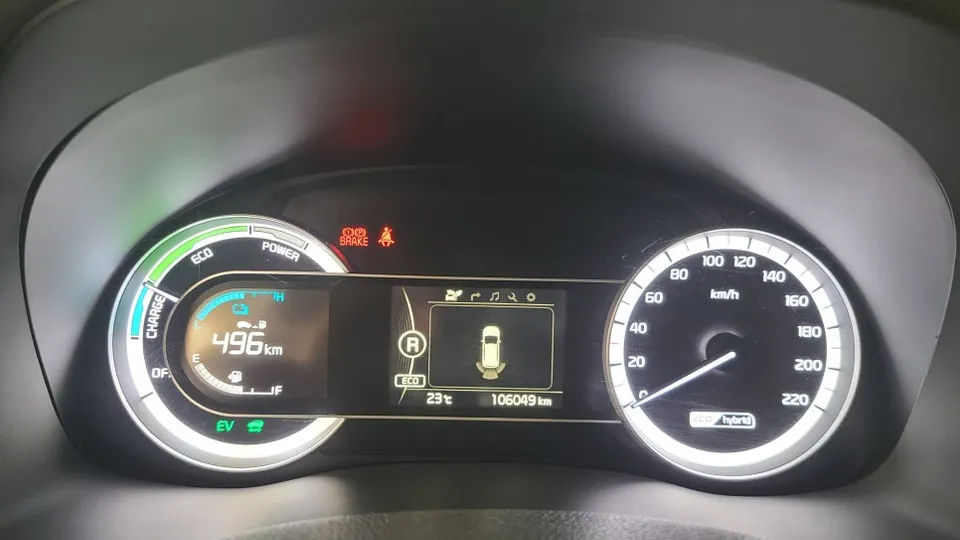
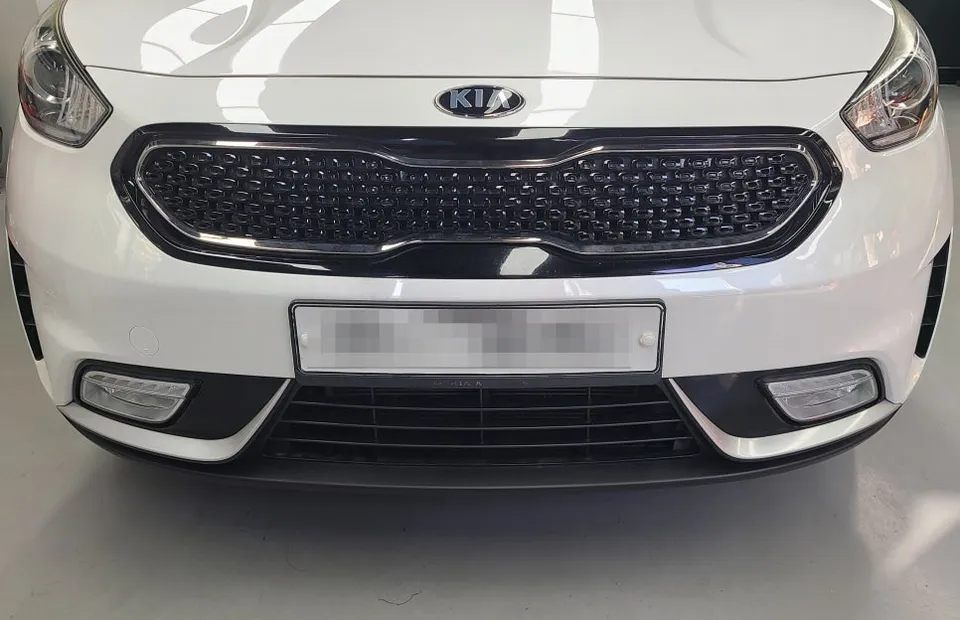
Kia Niro front sensor upgrade: Enhances parking safety with OEM sensors. Improves obstacle detection for confident maneuvering.
Why Add Front Parking Sensors to Your Kia Niro?
Parking and navigating tight spaces can be a source of anxiety for many drivers, especially in vehicles where front visibility is limited. The Kia Niro, while a capable vehicle, may not come standard with front parking sensors on all trims. This can lead to concerns about potential low-speed collisions with obstacles that are difficult to see. Fortunately, adding genuine OEM (Original Equipment Manufacturer) front parking sensors is a viable and highly beneficial upgrade. This review details the process and advantages of retrofitting these sensors to a Kia Niro, transforming the driving experience by significantly enhancing parking safety and confidence.
OEM Front Sensor Installation Process for Kia Niro
The process of adding OEM front parking sensors to a Kia Niro involves integrating genuine Kia components to ensure seamless functionality and a factory-fitted appearance. The installation typically requires precise work on the front bumper and interior wiring. Here’s a breakdown of the installation process:
- Bumper Preparation: The front bumper is carefully inspected. If the vehicle did not originally come with front sensors, precise holes are drilled into the bumper at designated locations to accommodate the four OEM ultrasonic sensors. This step requires accuracy to ensure proper sensor alignment and a clean finish.
- Sensor Installation: The OEM sensors are then securely mounted into the pre-drilled holes on the front bumper.
- Interior Wiring and Switch Integration: Wiring harnesses are run from the sensors to the vehicle's interior. A new, genuine OEM switch is installed in a vacant spot on the dashboard or center console, allowing the driver to activate or deactivate the front parking sensor system as needed.
- System Integration and Testing: The new system is connected to the vehicle's existing electrical system and the instrument cluster. This ensures that the sensor data is displayed correctly, often with visual cues on the dashboard, complementing the audible alerts. The system is then thoroughly tested to confirm all sensors are functioning correctly and providing accurate distance readings.
This meticulous installation ensures that the added sensors function just like factory-installed equipment, providing reliable obstacle detection. The result is a significant improvement in the ability to judge distances in confined areas, reducing the risk of minor bumps and scrapes. Drivers can now maneuver their Kia Niro with greater ease and peace of mind, especially in challenging parking situations or narrow urban environments.
Frequently Asked Questions
Q. How much does OEM front sensor installation cost for a Kia Niro?
The cost for OEM front sensor installation on a Kia Niro can vary, but typically ranges from ₩500,000 to ₩1,000,000 in Korean Won. In the US, similar professional installations can range from $300 to $700 depending on the vehicle and specific components.
Q. How long does OEM front sensor installation take on a Kia Niro?
OEM front sensor installation on a Kia Niro typically takes approximately 2 to 3 hours to complete. Proper installation ensures the sensors are durable and function reliably for years, requiring no special maintenance beyond occasional cleaning.
Q. Are OEM front sensors worth adding after purchase for a Kia Niro?
Yes, adding OEM front sensors is highly recommended for Kia Niro owners who frequently navigate tight parking spaces or drive in congested areas. They significantly enhance safety and reduce the risk of low-speed collisions, offering excellent value for peace of mind.
Q. How are OEM front sensors installed on a Kia Niro?
OEM front sensors are installed by first precisely drilling holes in the front bumper for the sensors. Then, the sensors are mounted, and wiring is routed to the interior. Finally, a control switch is integrated, and the system is connected to the vehicle's electronics for display and alerts.
Q. What is the difference between dealer-installed options and aftermarket upgrades for a Kia Niro?
Dealer-installed OEM options, like these front sensors, use genuine manufacturer parts and are designed to integrate perfectly with your Kia Niro's systems. Aftermarket upgrades may offer more variety or lower costs but can sometimes lead to compatibility issues or void warranties.
OhCar Partner Shop