Kia Ray EV Interior Customization Review: Comfort Upgrade
Before
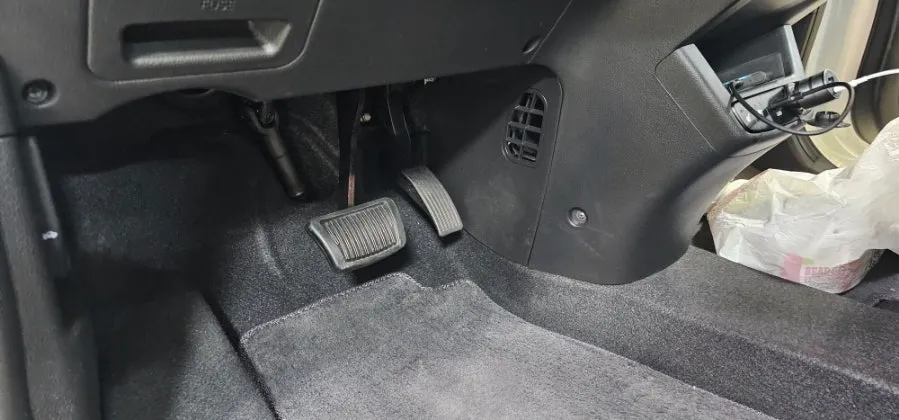
After
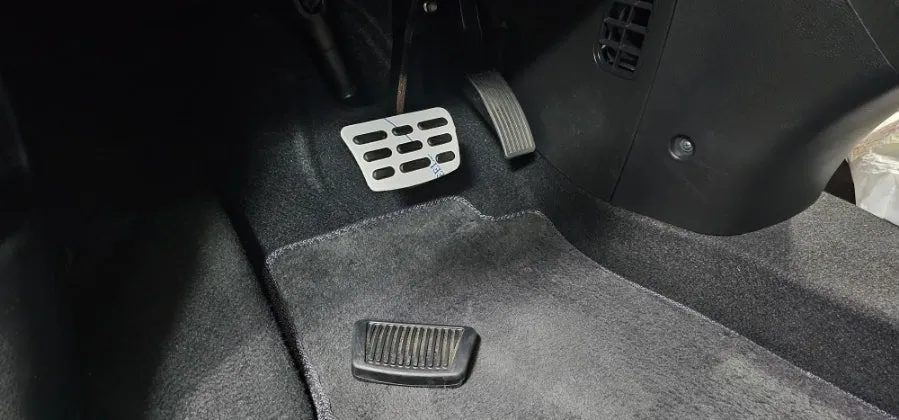
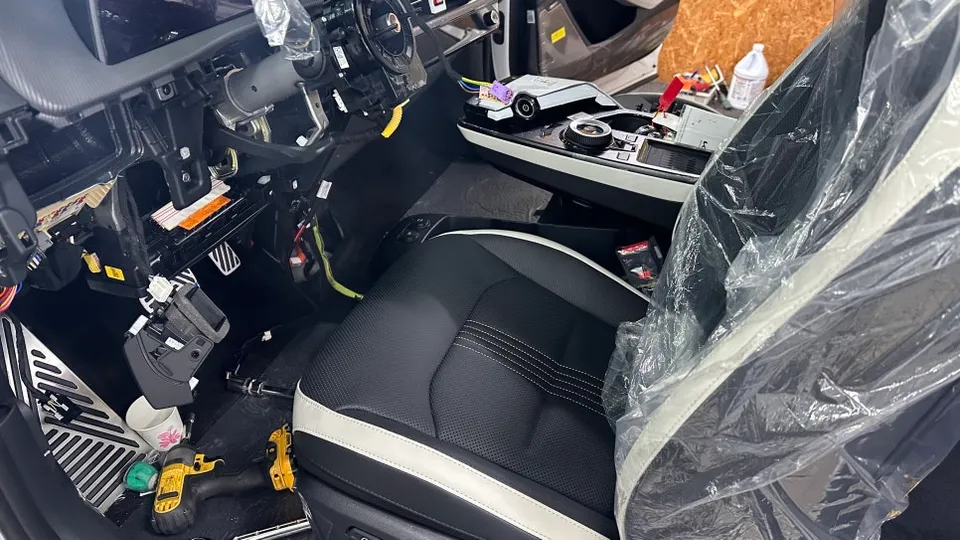
Process photos
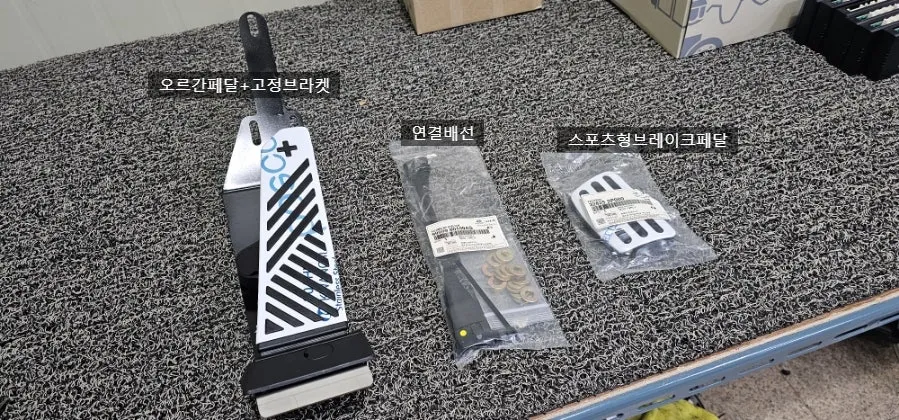
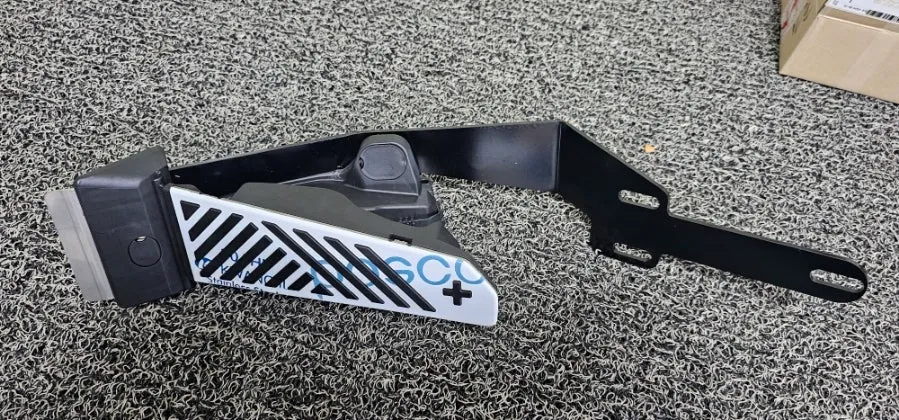
Kia Ray EV organ pedal upgrade: Reduces ankle fatigue during driving. Installation is straightforward. Worth it for comfort.
The Organ Pedal Advantage for Your Kia Ray EV
Many car owners wonder if upgrading to an organ pedal in their Kia Ray EV is truly beneficial, especially for long drives or frequent city commuting. The standard suspended pedal can put a strain on your ankle over time. This review dives into the specifics of converting your Ray EV to an organ pedal system, examining the installation process, the tangible benefits, and whether it's a worthwhile modification for your electric vehicle.
Understanding Organ Pedals and Installation
Automotive pedals generally fall into two categories: organ pedals and suspended pedals. The latter, often found in standard vehicles, requires a more pronounced ankle bend for operation. Organ pedals, typically seen in higher-end vehicles, offer a more relaxed driving posture by reducing the angle your ankle needs to flex. This can significantly decrease fatigue during extended periods behind the wheel, a common concern for drivers who spend a lot of time in stop-and-go traffic.
For the Kia Ray EV, specialized aftermarket organ pedal kits are available. While some individual components like the brake pedal might be sourced from genuine Kia parts, purchasing a complete kit often simplifies the process. The cost can vary slightly depending on the specific design and compatibility of the kit. These kits usually include a mounting bracket that utilizes existing bolt points, making the installation relatively straightforward. Some designs may resemble those found in other Kia models, like the EV9, offering a modern aesthetic.
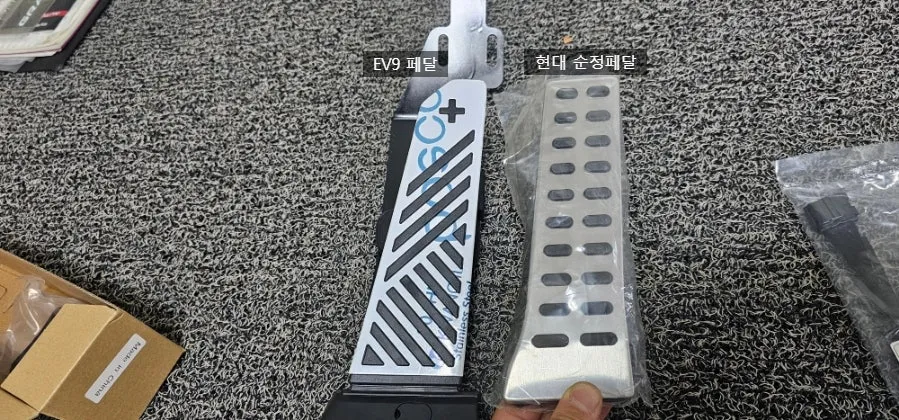
Installation Process: A Step-by-Step Look
The installation process for an organ pedal conversion on the Kia Ray EV is designed to be user-friendly. Here’s a general overview:
- Remove Existing Pedal: Carefully detach the original suspended brake pedal assembly. This typically involves unbolting it from its mounting points.
- Install New Bracket: Secure the new organ pedal's mounting bracket using the provided hardware or existing bolts.
- Attach Organ Pedal: Mount the new organ pedal onto the bracket. Ensure it is firmly attached and operates smoothly.
- Connect Wiring (if applicable): For electronic pedals, connect any necessary wiring harnesses using the provided connectors. No complex wiring modifications are usually required, preserving your vehicle's warranty.
- Test Operation: Before driving, thoroughly test the pedal's function to ensure it engages and disengages correctly and feels comfortable underfoot.
The difference in feel is often immediate. The organ pedal allows your foot to rest more naturally, reducing the constant flexing of the ankle. This is particularly noticeable in urban driving scenarios where frequent braking and acceleration are the norm. The ease of operation means less conscious effort is required to modulate the pedals, contributing to a more relaxed driving experience.
Durability, Maintenance, and Value
The durability of an organ pedal conversion is generally high, as these are designed for regular use. Maintenance is typically minimal, often involving occasional cleaning to keep the pedal surface free of debris. Unlike simple seat covers, this is a functional upgrade that directly impacts driving comfort. The peace of mind from knowing the installation doesn't void your vehicle's warranty is also a significant advantage, as most kits are plug-and-play.
While the initial cost is a factor, the long-term benefits of reduced driving fatigue can outweigh the expense for many Ray EV owners, especially those who frequently undertake longer journeys or deal with heavy traffic. The improved comfort can make driving less of a chore and more of a pleasure. The ease of installation, often achievable within an hour or two, also adds to the overall value proposition.
Frequently Asked Questions
Q. How much does interior customization cost for a Kia Ray EV?
The organ pedal conversion for the Kia Ray EV typically costs around ₩100,000 to ₩300,000 in Korea, which is approximately $75 to $225 USD. Actual US pricing may vary based on the specific kit and installation fees.
Q. How long does interior customization take for a Kia Ray EV?
The organ pedal installation is a relatively quick process, often taking 1-2 hours. For durability, ensure the pedal is securely mounted and clean it regularly with a damp cloth.
Q. Is interior customization worth it for a Kia Ray EV?
An organ pedal upgrade is highly recommended for Kia Ray EV drivers who experience ankle fatigue during long drives or city commuting. The enhanced comfort and reduced strain make it a valuable modification for a more pleasant driving experience.
Q. What does interior customization include for a Kia Ray EV?
This specific interior customization involves replacing the standard suspended brake pedal with an organ-style pedal. The installation process includes removing the old pedal, mounting the new bracket and pedal, and connecting any necessary wiring, typically without requiring complex modifications.
Q. What is the difference between seat covers and full upholstery for a Kia Ray EV?
Seat covers are protective layers that fit over existing seats, offering a quick style change and protection. Full upholstery involves replacing the original seat fabric entirely, allowing for custom materials and designs, which is a more involved and costly process.
OhCar Partner Shop