Kia Sorento Dash Cam Installation Review
Service Price
$approx. $400–800
Estimated price · Actual price may vary by shop
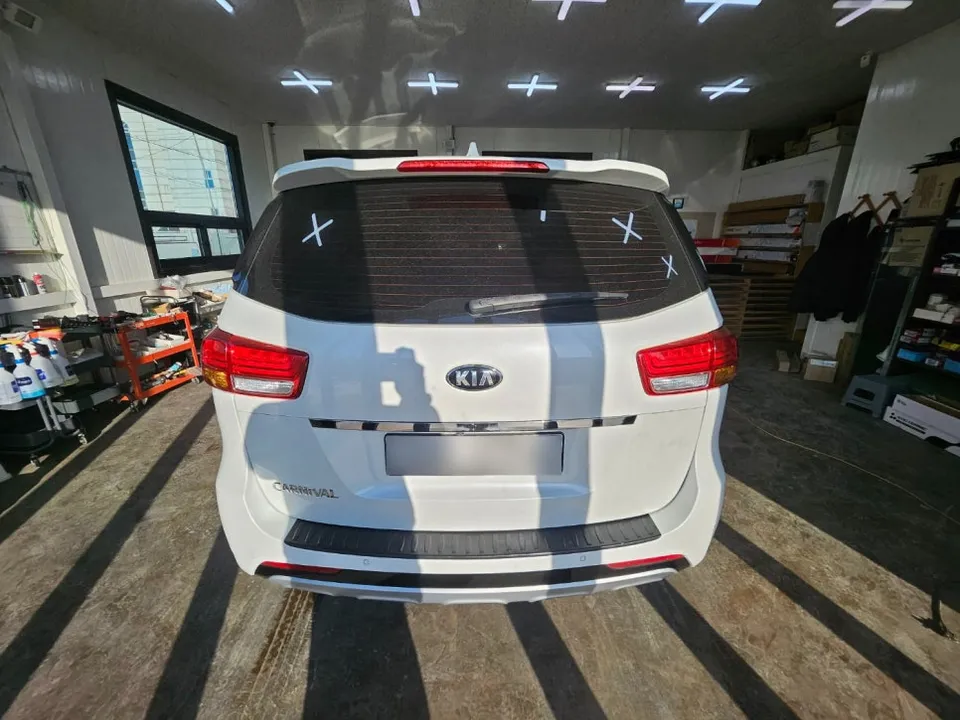
Before

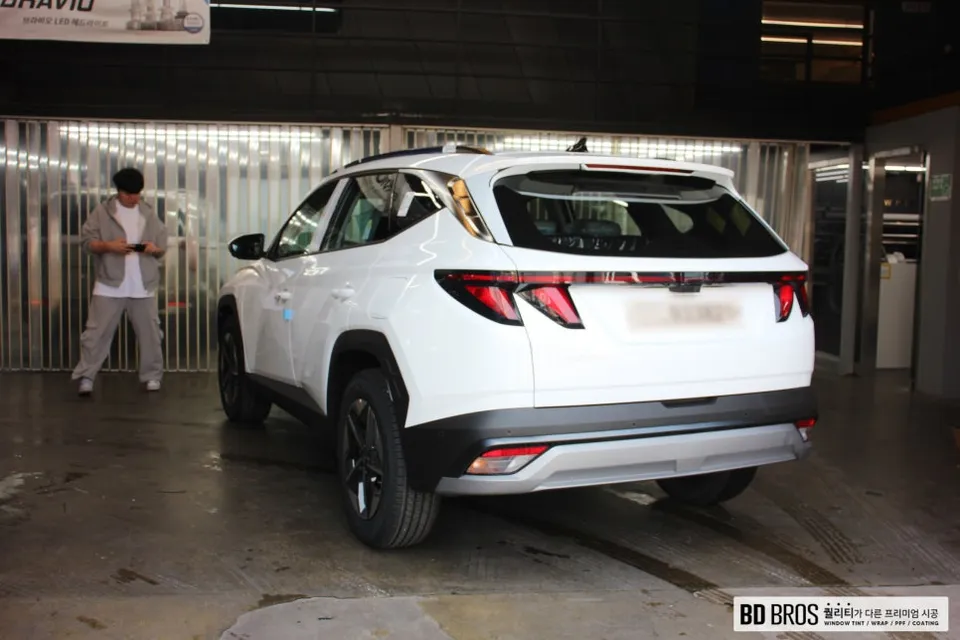
After
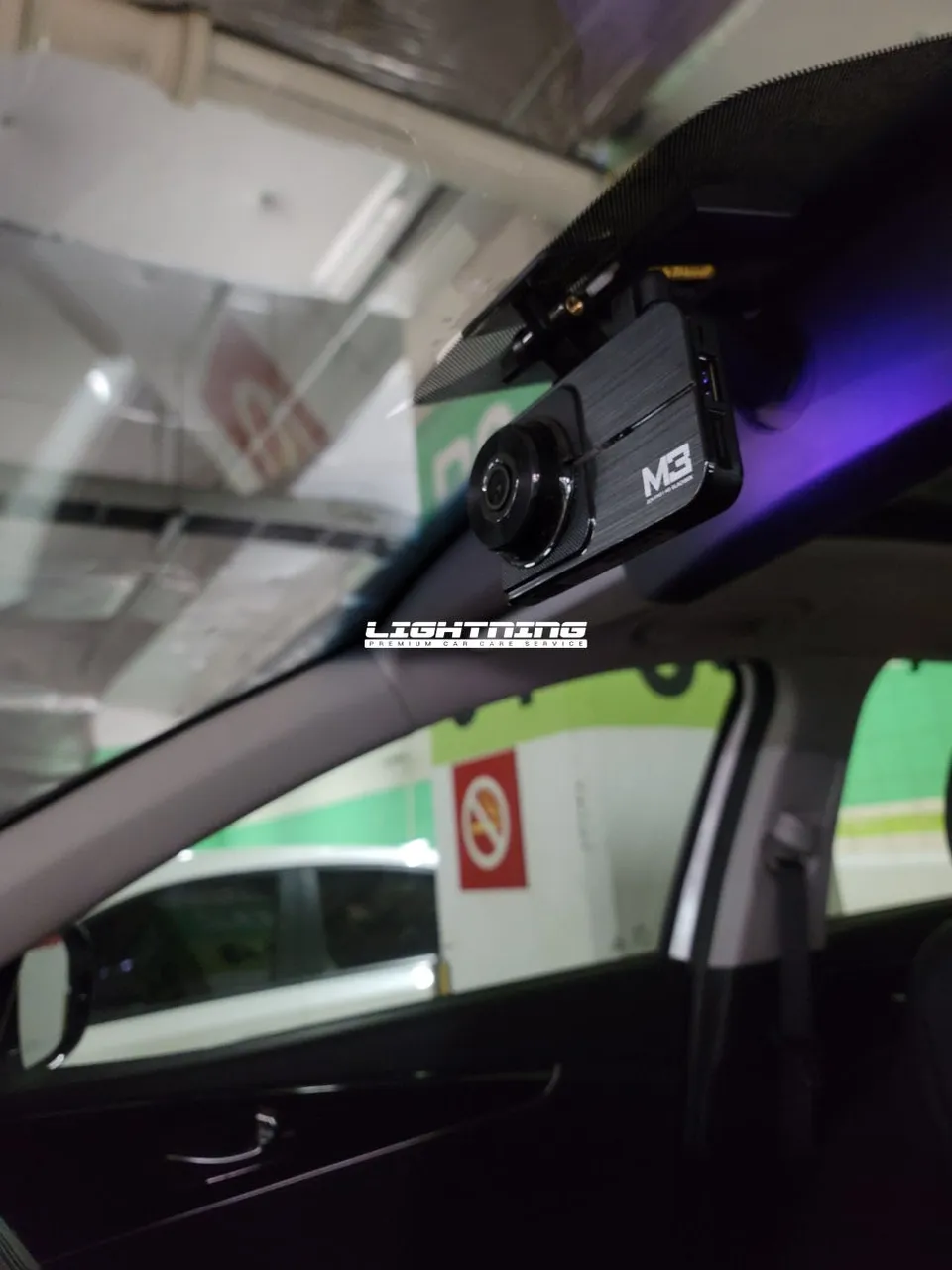
Process photos
Kia Sorento 2-channel dash cam installation: Budget-friendly FHD/HD setup. Ensures clear footage and parking mode functionality.
Kia Sorento Dash Cam Installation in Busan
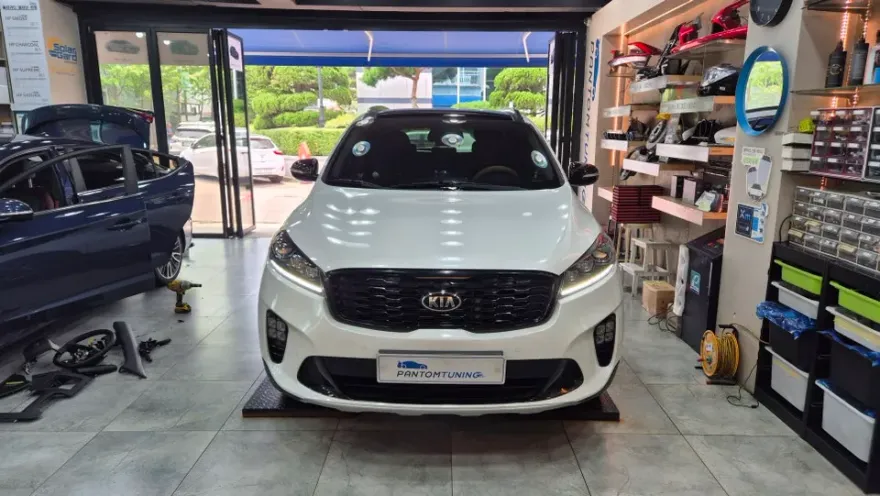
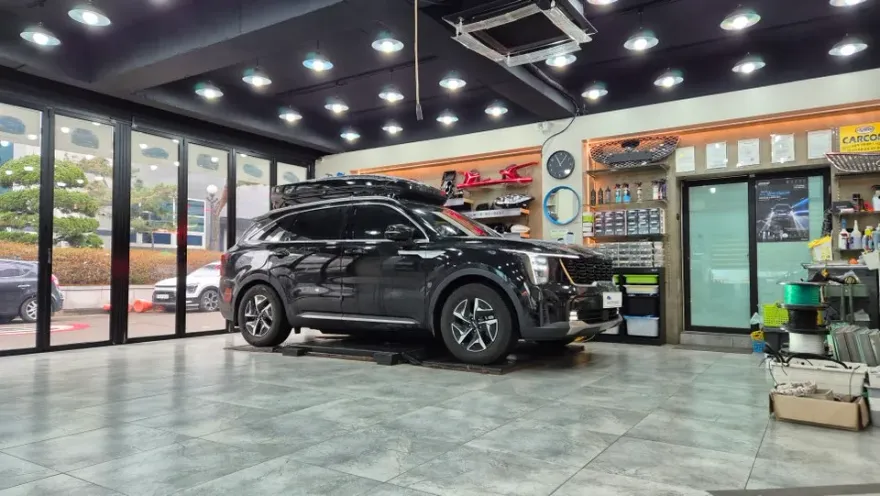
We recently completed a dash cam installation for a Kia Sorento in the Gijang area of Busan, South Korea. This particular setup featured a cost-effective 2-channel system with FHD resolution for the front camera and HD for the rear. While many vehicles have straightforward installations, SUVs like the Sorento require careful planning, especially regarding routing the rear camera cable. This review details the process and highlights why choosing a professional installation is crucial.
Professional Dash Cam Installation Process
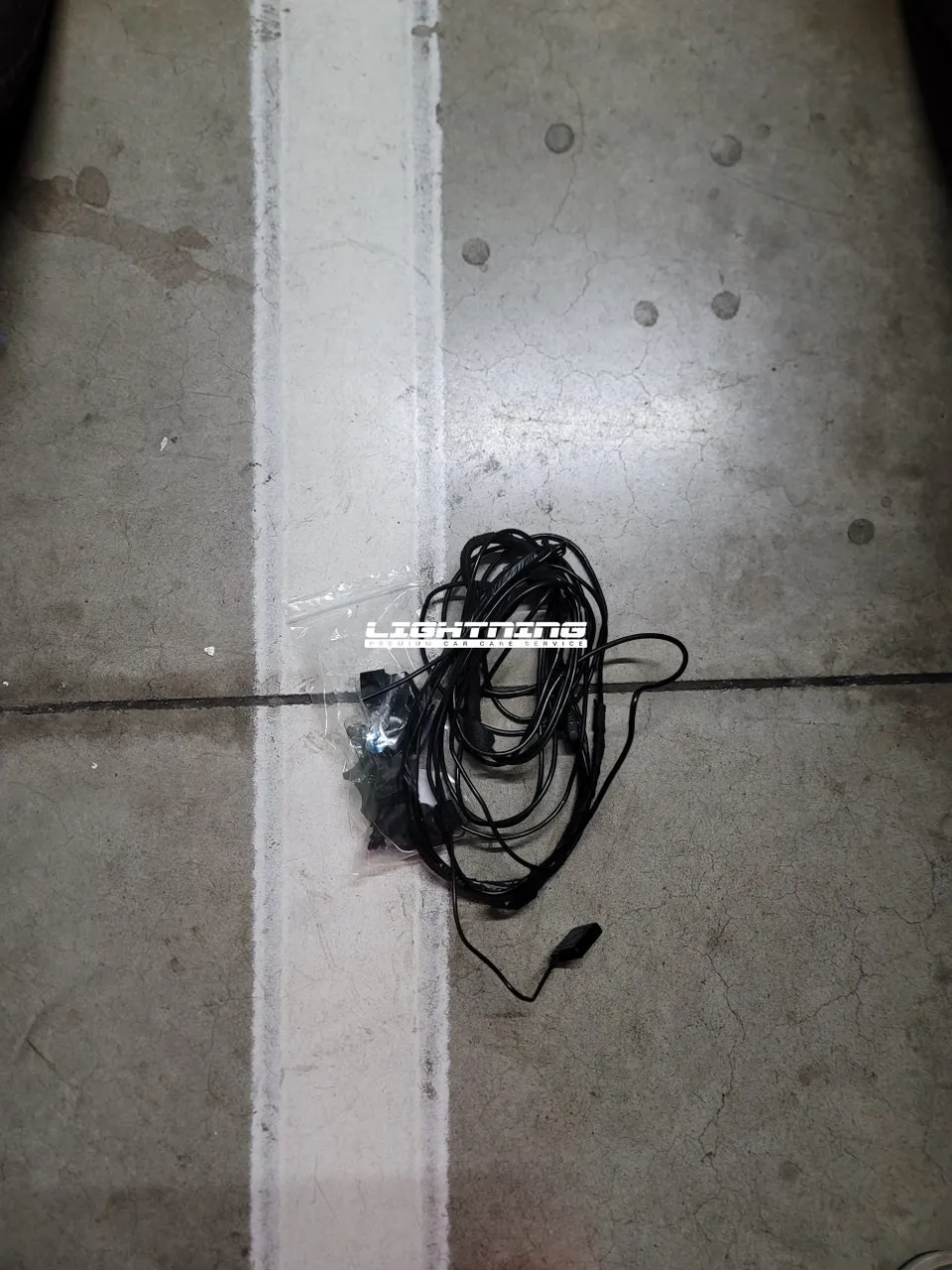
The first step in any dash cam installation, especially when upgrading or replacing an old unit, is a thorough removal of the existing device. It's essential to remove not just the main unit but all associated wiring. Leaving old cables inside the vehicle's trim can lead to annoying rattles and vibrations over time as they rub against the car's interior. Our process ensures a clean slate, removing all old components before installing the new dash cam.
Wiring the Kia Sorento Dash Cam
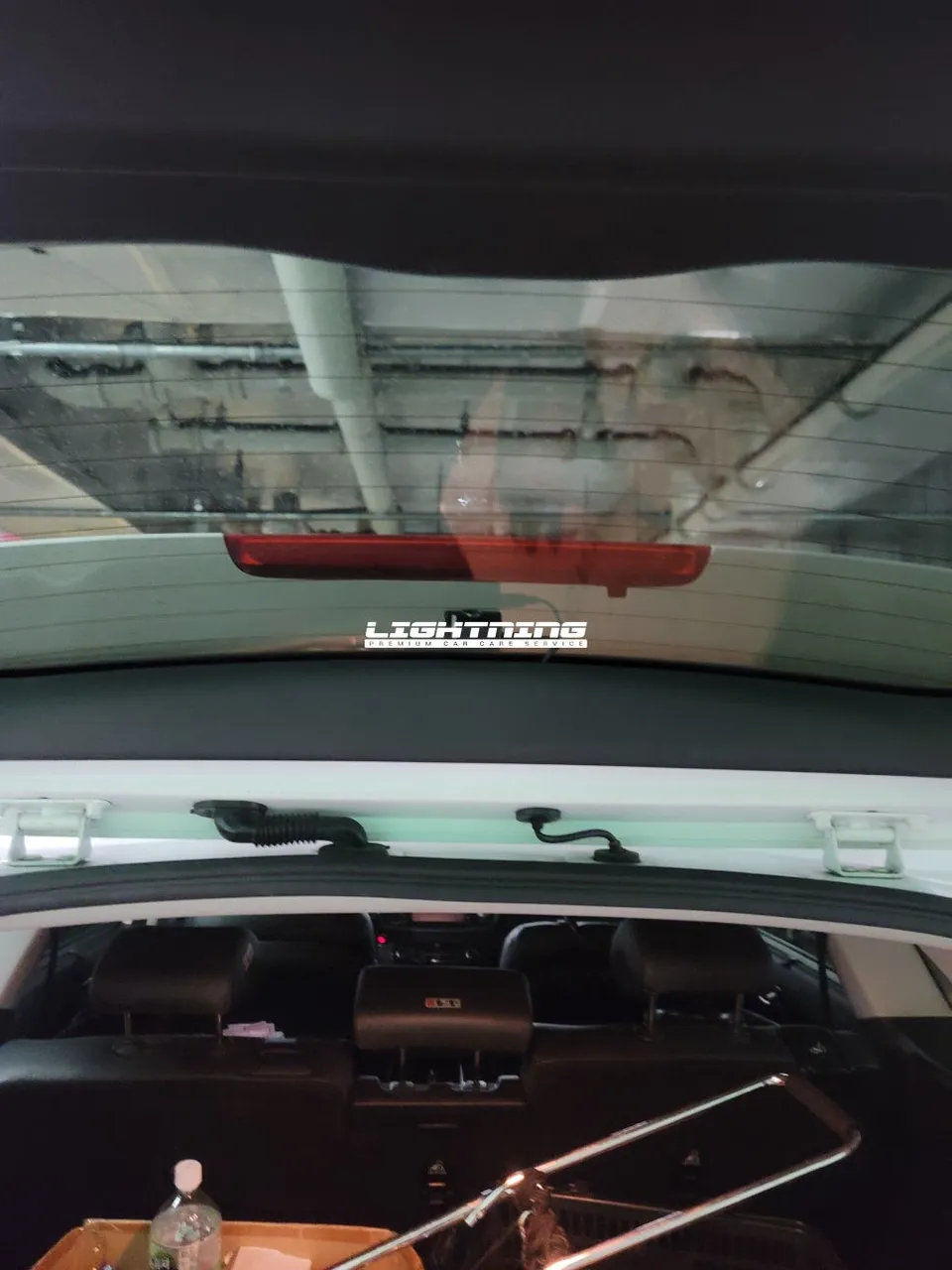
The structure of the Kia Sorento, being an SUV, means the rear windshield is part of the tailgate. To connect the rear camera to the front unit, the cable must be carefully routed along the factory wiring pathways, often through a protective rubber conduit, into the vehicle's interior. Designing the optimal wiring path is key to a professional installation and varies significantly by vehicle model. Experience is vital here to ensure the wiring is hidden, protected, and doesn't interfere with any vehicle functions.
Next, the power cable needs to be connected to the fuse box, typically located under the driver's side dashboard. This involves routing the cable discreetly along the A-pillar (the pillar between the front door and windshield). Professionals know how to navigate these areas without damaging the car's interior trim, utilizing existing gaps and clips for a seamless look.
Choosing a Budget-Friendly 2-Channel Dash Cam
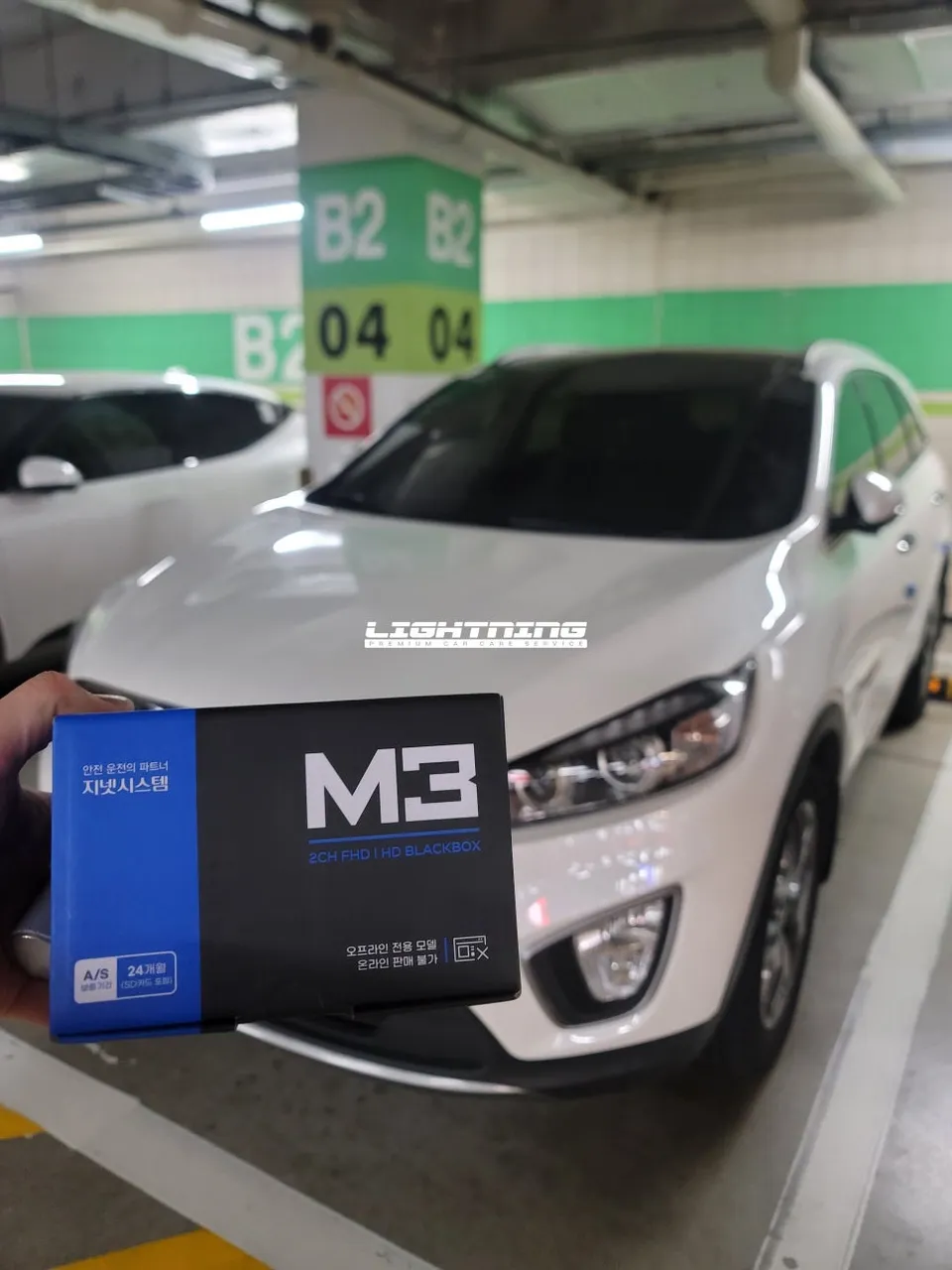
The dash cam installed on this Kia Sorento featured a front-facing camera with Full HD (1080p) resolution and a rear-facing camera with HD (720p) resolution. While the rear camera's resolution is lower, it's perfectly adequate for most driving scenarios. The primary use of the rear camera is often for lane changes or monitoring traffic behind, while the front camera captures crucial details like license plates during an incident. This FHD/HD combination offers a great balance of performance and affordability, making it an excellent choice for drivers who want essential recording capabilities without a premium price tag.
This setup is a practical solution for Sorento owners looking for reliable dash cam functionality. The front camera's FHD quality ensures clear footage of events, and the HD rear camera provides sufficient detail for everyday driving needs. It's a testament to how you can achieve excellent value and performance with a well-chosen, cost-effective system.
Essential Dash Cam Setup and Maintenance
Once the hardware installation is complete, proper configuration is critical. Key features like low-voltage cutoff and high-temperature protection are often disabled by default and need to be activated. Enabling these functions helps prevent battery drain and protects the dash cam from damage caused by extreme heat, especially when the car is parked in direct sunlight.
Touch Panel Calibration for Durability
Dash cams are mounted on the windshield, making them susceptible to direct sunlight and heat. Prolonged exposure to high temperatures can cause internal components to shift or malfunction, a common issue affecting touch panels. Performing a touch panel calibration after installation helps maintain accurate touch response and ensures the unit operates correctly even in hot weather conditions. This simple step significantly contributes to the long-term durability of the dash cam.
Final Checks and Delivery
Before handing the vehicle back to the owner, a comprehensive check is performed. This includes verifying that both continuous recording and parking mode (triggered by motion or impact when the car is off) are functioning correctly. The security LED, which indicates the dash cam is active, is also checked to ensure it's working as intended, providing a visual deterrent.
Frequently Asked Questions
Q. How much does dash cam installation cost for a Kia Sorento?
The installation described in this review, a 2-channel FHD/HD system, was performed in South Korea and represents a budget-friendly option. Professional dash cam installation in the US typically ranges from $100 to $300, depending on the complexity and the type of system.
Q. How long does dash cam installation take on a Kia Sorento?
A professional dash cam installation, including removal of old units and careful wiring, usually takes between 1 to 3 hours. Regular maintenance involves checking recordings periodically and ensuring the lens is clean for optimal performance.
Q. Is a hardwired dash cam worth it over a self-install for a Kia Sorento?
A professionally hardwired dash cam is worth it for most Kia Sorento owners seeking a clean, reliable installation that utilizes parking mode features without draining the battery. It ensures proper routing and connection, avoiding potential damage or performance issues associated with DIY attempts.
Q. How is a dash cam professionally installed on a Kia Sorento?
Professional installation involves carefully routing cables along factory pathways, often through the A-pillar to the fuse box for power, and along the roofline to the rear camera. The installer ensures all wiring is concealed and secured, then configures the dash cam's settings, including parking mode and impact sensitivity.
Q. What is the difference between a 1-channel and 2-channel dash cam for a Kia Sorento?
A 1-channel dash cam records only the front view, while a 2-channel system records both the front and rear views simultaneously. For comprehensive coverage, a 2-channel dash cam is highly recommended for a vehicle like the Kia Sorento.
OhCar Partner Shop