Kia Sportage OEM Options Review: Factory Upgrade Cost & Results
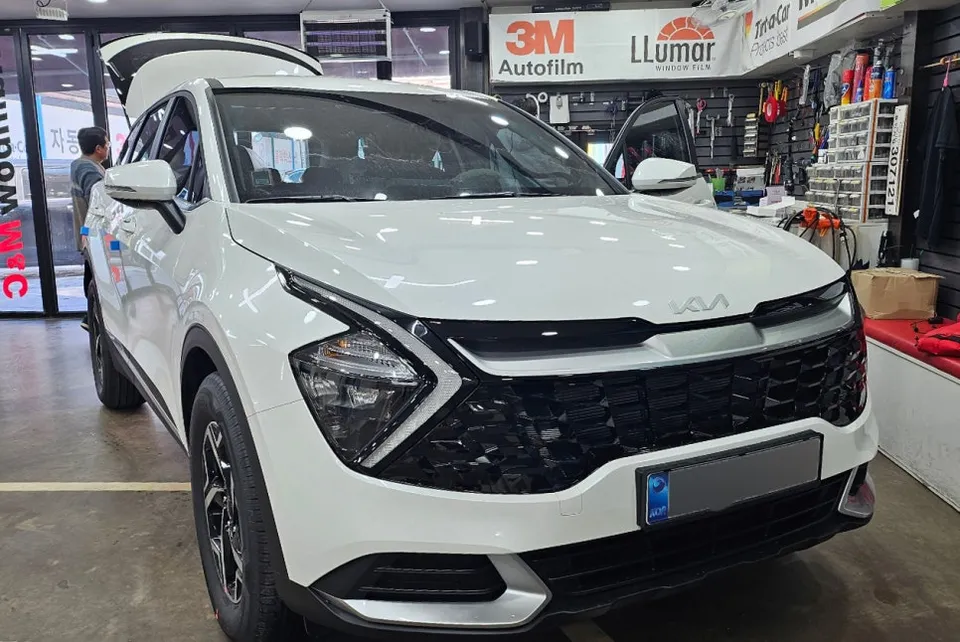
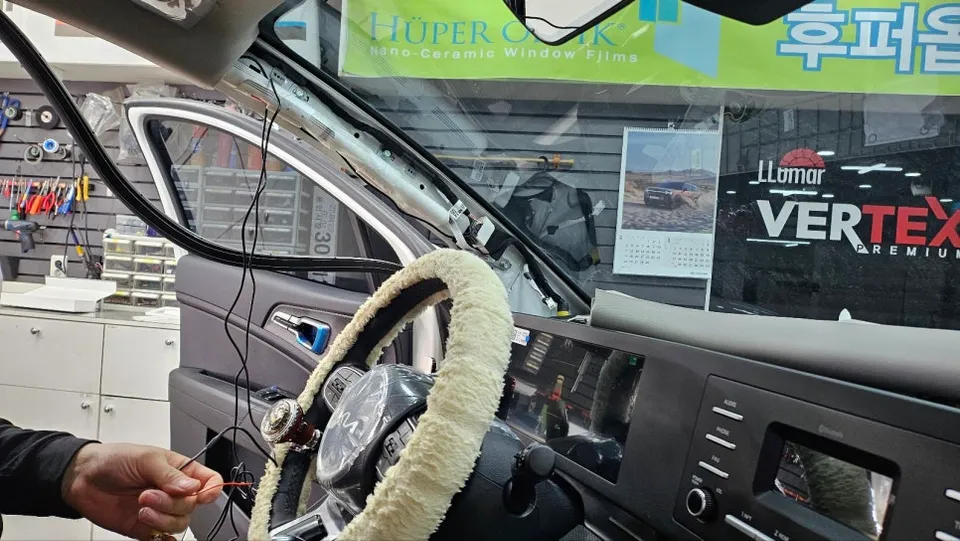
Kia Sportage rear camera installation cost: Approx. ₩100,000-₩300,000 (USD $75-$225). Improved parking safety.
Upgrading Your Kia Sportage with OEM Options
Many new car buyers face a decision point: opt for every available feature from the factory, or consider adding them later. This review focuses on the experience of a Kia Sportage owner who chose to forgo certain factory options, specifically navigation and a rear camera, at the time of purchase. They later decided to install a rear camera, a common dealer option retrofit, after taking delivery. This approach allows for a potentially lower initial purchase price, with the flexibility to add desired features as OEM options or through dealer-installed options later. We'll examine the process, cost, and outcome of this decision.
The Installation Process and Results
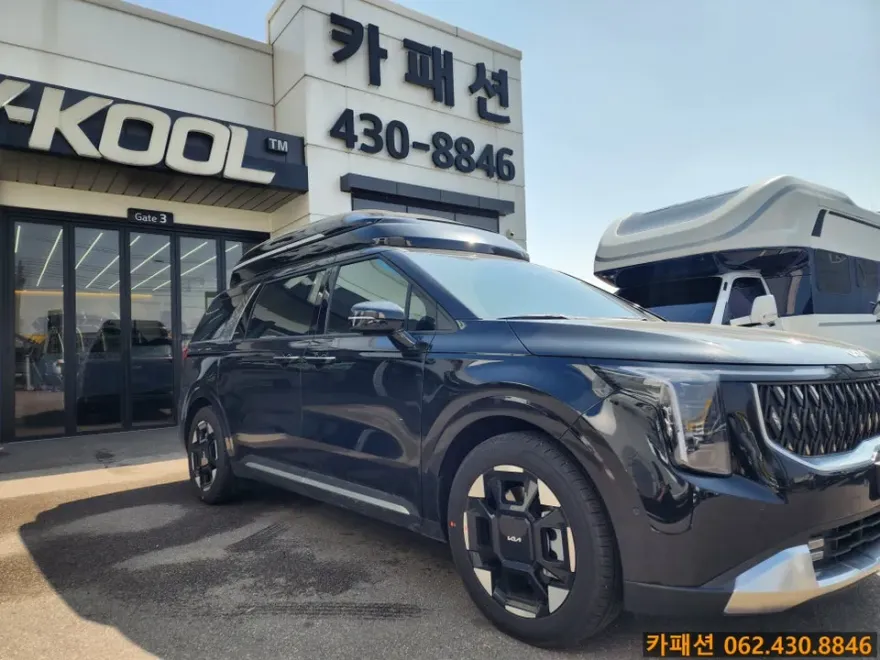
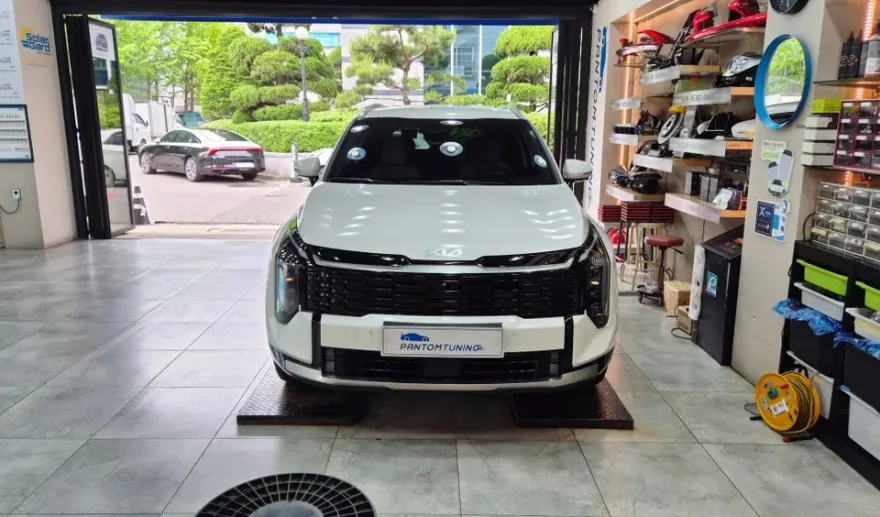
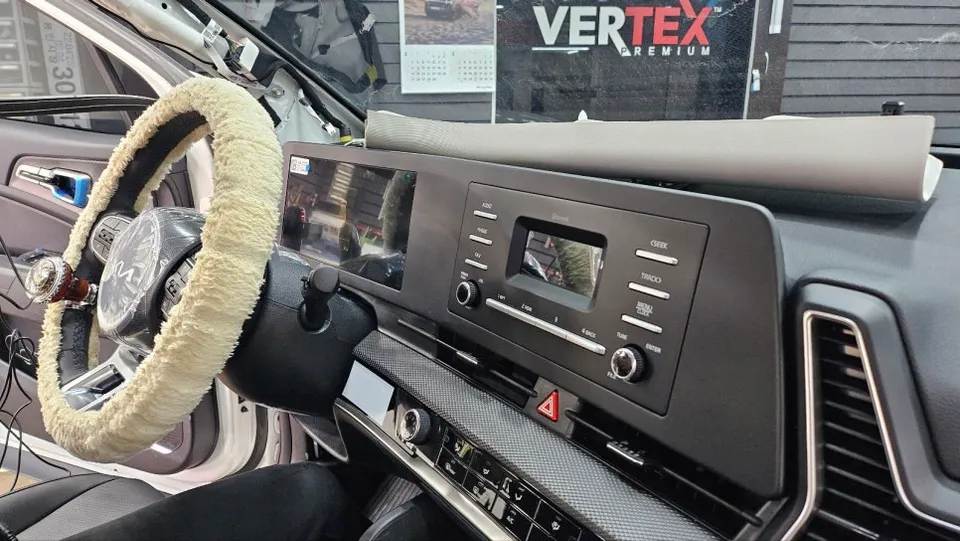
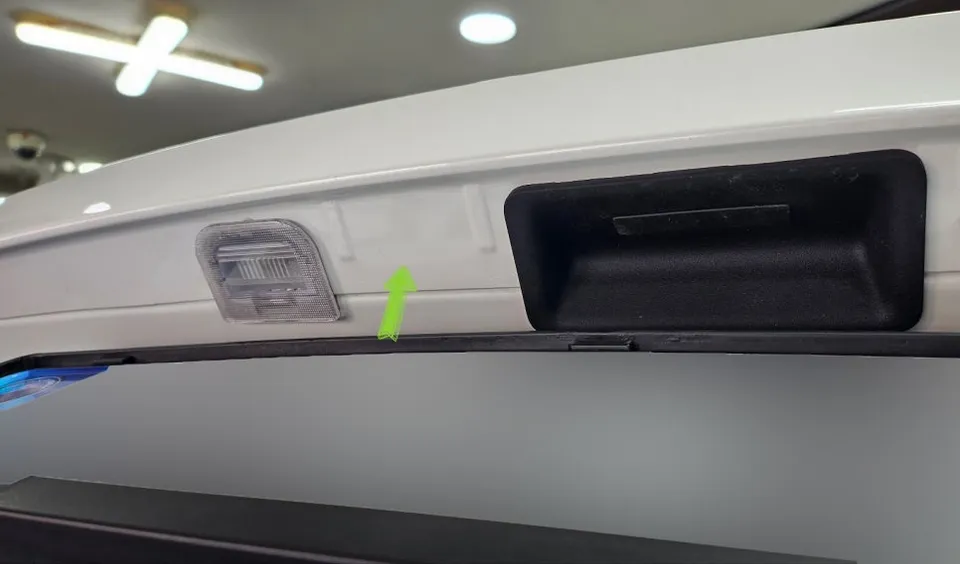
The owner of this new Kia Sportage decided against the integrated navigation system and factory-fitted rear camera to manage costs upfront. Upon receiving the vehicle, they opted for a post-purchase rear camera installation. This type of upgrade is often handled by dealerships or specialized shops, effectively acting as a dealer option retrofit. The process involved carefully integrating the new camera, typically mounted near the license plate, with the vehicle's existing infotainment system. The goal is to achieve seamless functionality, mirroring the experience of a factory-installed unit. After installation, the owner reported satisfactory results, with the rear camera providing a clear view for parking and reversing, enhancing the vehicle's utility. The integration appeared clean, with wiring managed discreetly to maintain the car's interior aesthetics.
OEM Options vs. Aftermarket: What's the Difference?
When considering factory upgrades for your Kia Sportage, it's important to distinguish between true OEM options, dealer-installed options, and aftermarket parts. True OEM options are specified and integrated by the manufacturer during the production phase. Dealer-installed options, like the rear camera in this case, are genuine manufacturer parts but are fitted by the dealership after the car has left the assembly line. Aftermarket parts are produced by third-party companies and can vary significantly in quality and compatibility. For a Kia Sportage, choosing OEM options or dealer-installed options generally ensures better integration, warranty coverage, and a look that matches the factory finish compared to many aftermarket alternatives. The decision often comes down to cost versus the assurance of genuine parts and professional installation.
Installation process:
- Camera Mounting: The new rear camera is carefully positioned, often in the trunk lid or bumper area, ensuring optimal viewing angles.
- Wiring Integration: Wiring is run discreetly through the vehicle's interior, connecting the camera to the head unit or display.
- System Activation: The vehicle's infotainment system is accessed to recognize and activate the new camera feed, often requiring software configuration.
- Testing: The camera's functionality is thoroughly tested in various lighting conditions to ensure a clear and accurate display.
Frequently Asked Questions
Q. How much does OEM option and factory upgrade installation cost for a Kia Sportage?
The cost for a post-purchase rear camera installation, similar to the one described for the Kia Sportage in Korea, ranged from approximately ₩100,000 to ₩300,000 (around $75-$225 USD). In the US, similar dealer-installed options can range from $200 to $600 depending on the specific system and dealership.
Q. How long does OEM options installation take on a Kia Sportage?
While the specific duration for this Kia Sportage upgrade wasn't detailed, rear camera installations typically take 1-3 hours. For optimal longevity, ensure the camera's connection points are protected from moisture and regularly clean the lens for a clear view.
Q. Are OEM options worth adding after purchase for a Kia Sportage?
Adding OEM options like a rear camera after purchase can be worthwhile for owners who prioritized a lower initial vehicle price. It's particularly beneficial for those who frequently park in tight spaces or desire enhanced safety features without the full cost of factory integration.
Q. How are OEM factory options installed on a Kia Sportage?
OEM factory options, when installed post-purchase as dealer options, typically involve mounting the component (like a camera), running and concealing wiring, and integrating it with the vehicle's existing electronics. 1. The new component is physically installed in its designated location. 2. Wiring is routed through the car's interior to connect to the relevant control modules or display. 3. The vehicle's software is updated or configured to recognize and operate the new feature.
Q. What is the difference between dealer-installed options and aftermarket upgrades for a Kia Sportage?
Dealer-installed options use genuine manufacturer parts and are fitted by the dealership, often maintaining warranty coverage and offering seamless integration. Aftermarket upgrades are made by third-party companies and can vary widely in quality, fit, and compatibility, potentially impacting your vehicle's warranty.
OhCar Partner Shop