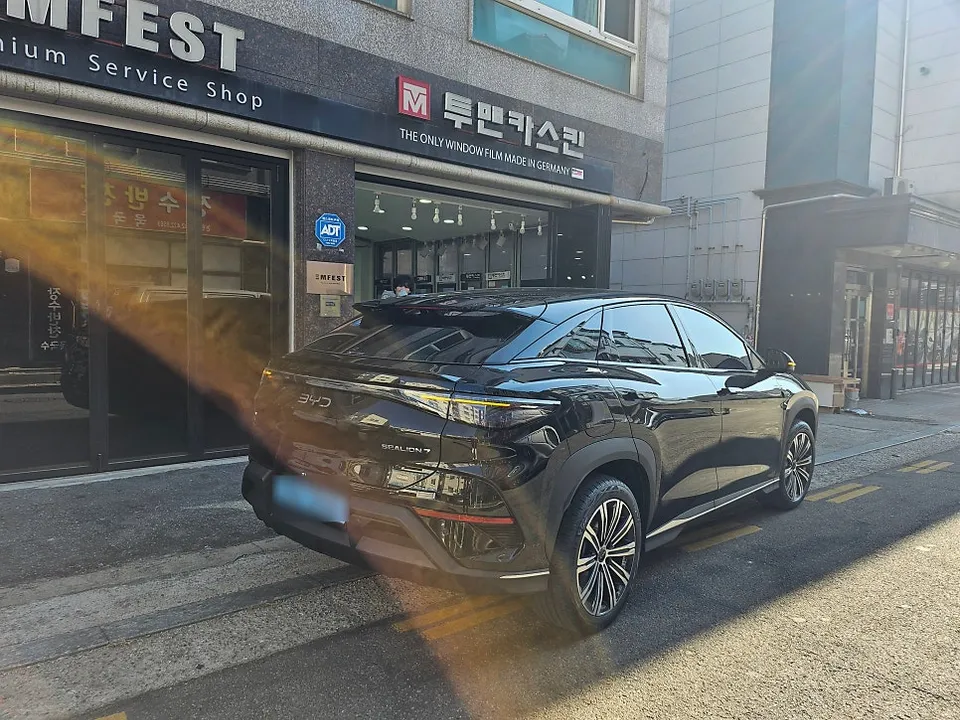
Kia Stinger Exhaust Upgrade Review: From Custom to Stock
Service Price
$150+
Estimated price · Actual price may vary by shop
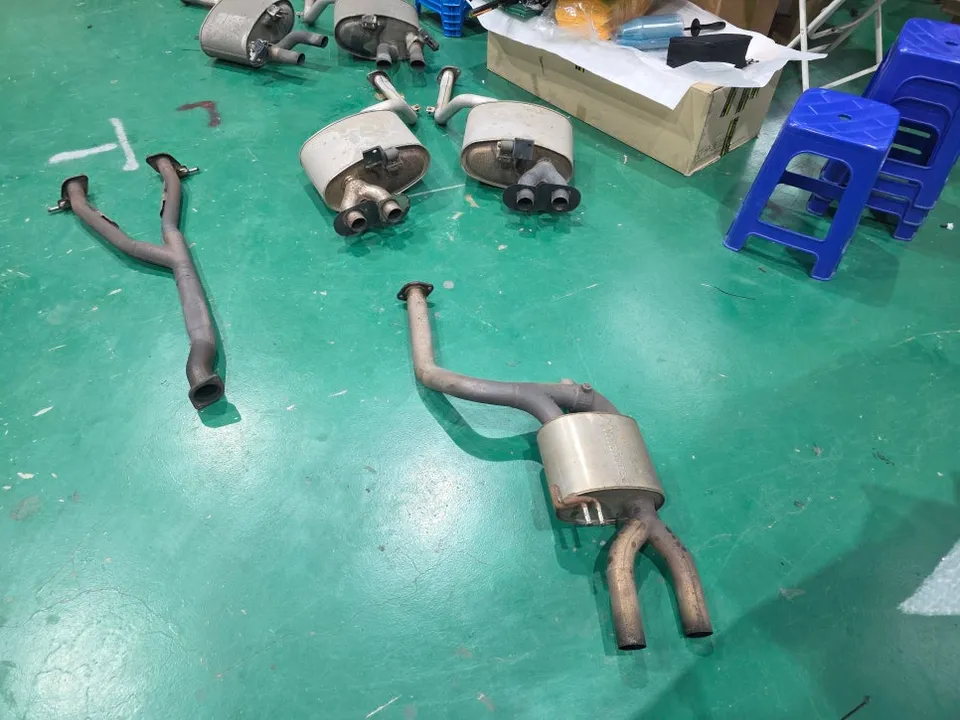
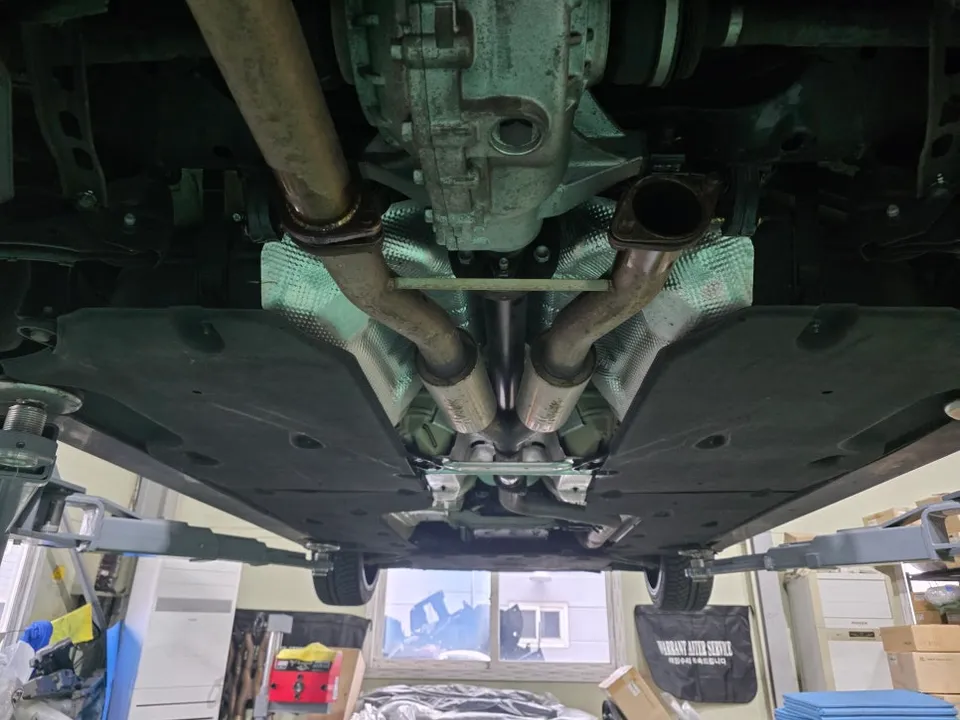
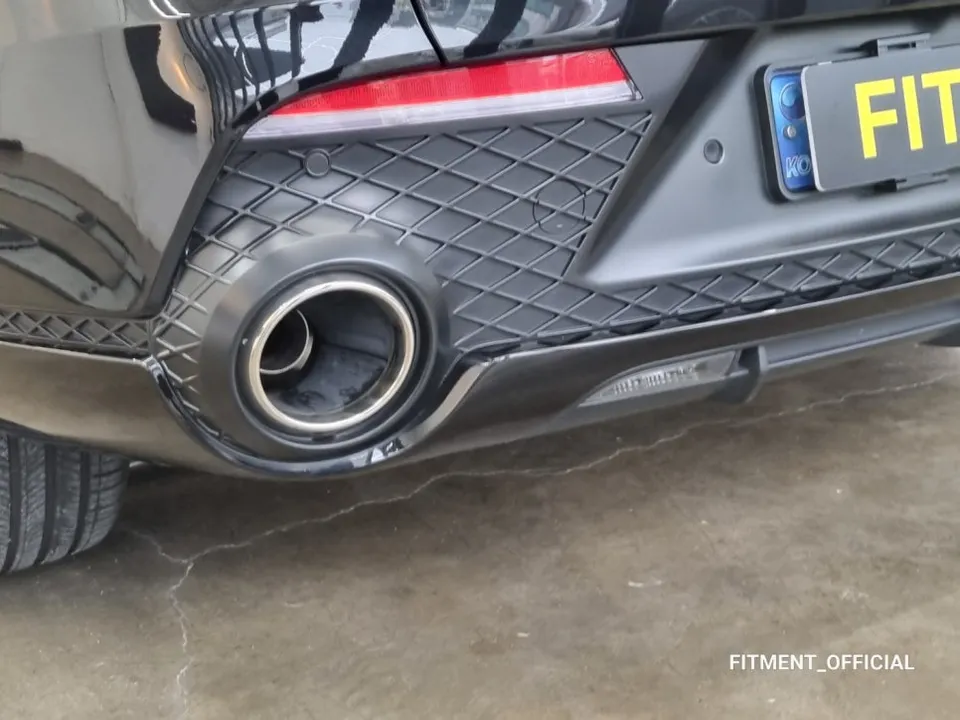
Kia Stinger 2.0 exhaust restoration from Maintec variable to stock. Restored for sale, process detailed.
Kia Stinger 2.0: Restoring the Exhaust System to Stock
The 2017 Kia Stinger 2.0, a once-popular sports sedan, is no longer in production. During its heyday, the Stinger was a favorite for various modifications, from subtle OEM+ upgrades to aggressive body kits. However, as newer models have emerged, many owners are transitioning to different vehicles. This particular project involved restoring the exhaust system back to its original factory specifications, often a necessary step before selling the car. We'll walk through the process of converting a Maintec vacuum-activated variable exhaust system back to the stock setup.
Key takeaways from this article:
1. The appeal of exhaust tuning for the Stinger 2.0.
2. Understanding the Maintec vacuum variable exhaust system.
3. The step-by-step process of exhaust restoration.
4. A comparison of before and after the modification.
5. Tips for exhaust restoration before selling your vehicle.
Why Stinger 2.0 Owners Opted for Exhaust Upgrades
Equipped with a 2.0-liter turbocharged engine, the Kia Stinger was a natural candidate for exhaust modifications. Owners often sought to enhance the sporty aesthetic and performance associated with a sports sedan. Premium aftermarket systems, like those from Maintec, were particularly popular due to their vacuum-controlled variable valve technology, allowing drivers to adjust exhaust sound levels based on driving conditions. However, as time passes and owners consider selling their vehicles or upgrading, reverting to the stock exhaust becomes a common requirement. The availability of specialized components, like the remote for the Maintec vacuum system, can also become a concern.
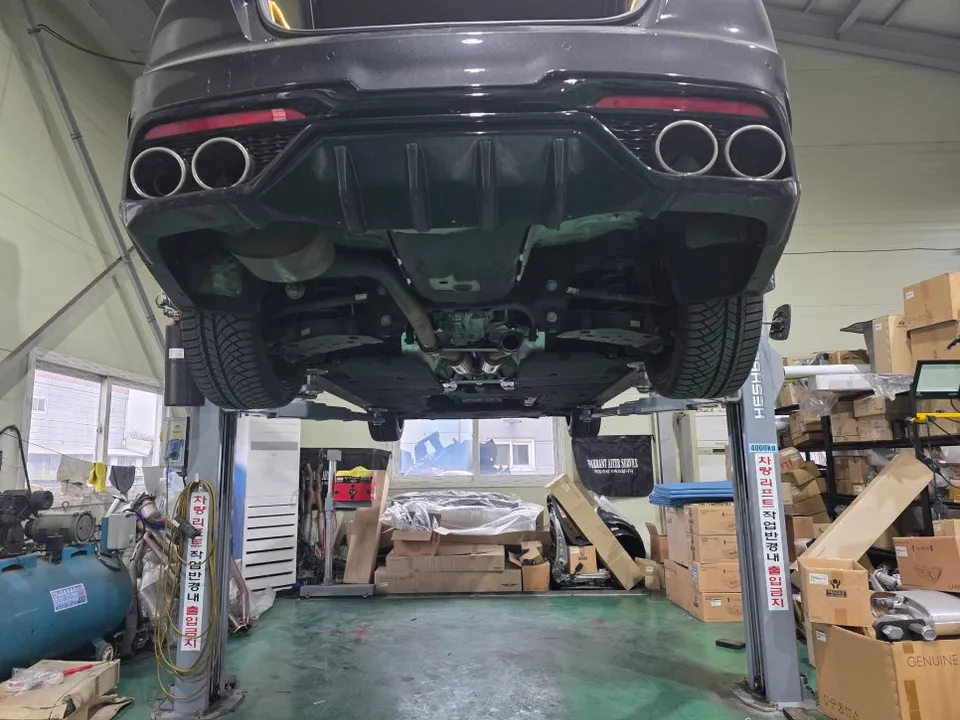
Understanding the Maintec Vacuum Variable Exhaust
The Maintec vacuum-type variable exhaust system utilizes vacuum pressure to control internal valves, typically located in the muffler and mid-pipe sections. This design allows for a variable exhaust path, reducing noise during low-speed driving and producing a sportier tone at higher speeds. Operation of this system requires a specific remote control. The Stinger in this review was already equipped with a Maintec variable exhaust when acquired. Fortunately, sourcing the necessary vacuum remote had become more manageable, allowing for the system's functionality to be confirmed. The primary goal of this service, however, was to remove the aftermarket system and reinstall the original factory exhaust components.
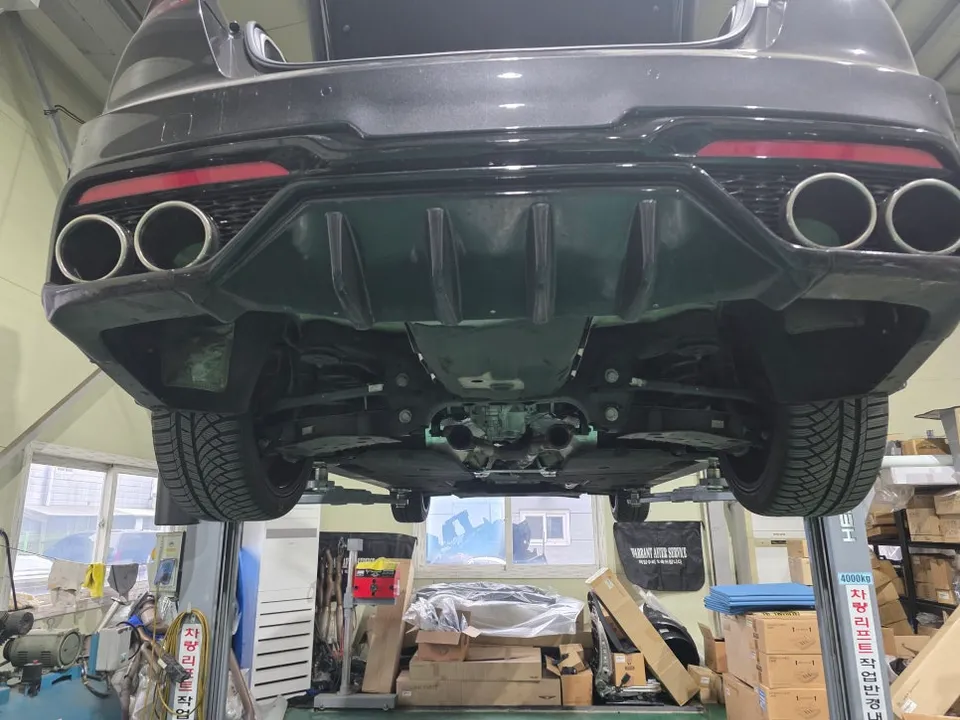
Step-by-Step Kia Stinger Exhaust Restoration
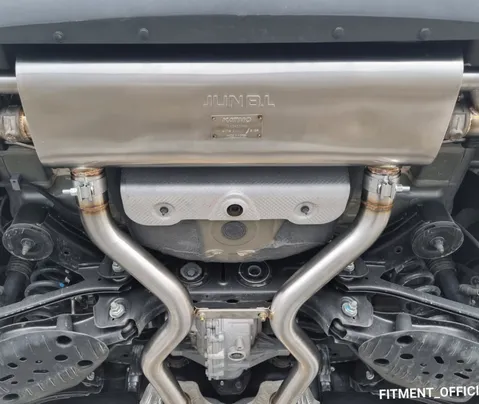
Restoring an exhaust system involves more than just swapping parts. For the Stinger 2.0, the exhaust components are segmented, and precise alignment is crucial for proper fitment. The core of this restoration involved replacing the rear muffler and mid-pipe sections with genuine OEM parts.
Installation process:
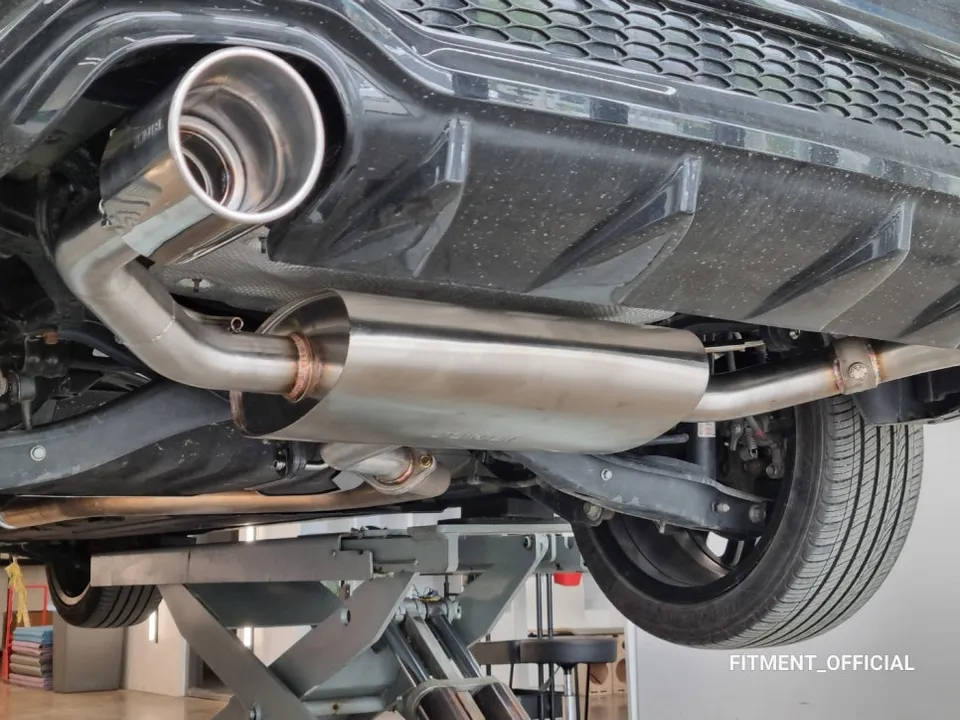
1. Removal of the Maintec Variable Exhaust: The process began with carefully detaching the rear muffler, the most visible section at the back of the vehicle, which requires caution due to prolonged exposure to high temperatures. Following this, the mid-pipe section was disconnected. For the Maintec system, this involved completely removing the section containing the vacuum-controlled valve mechanism to prepare for the installation of stock components.
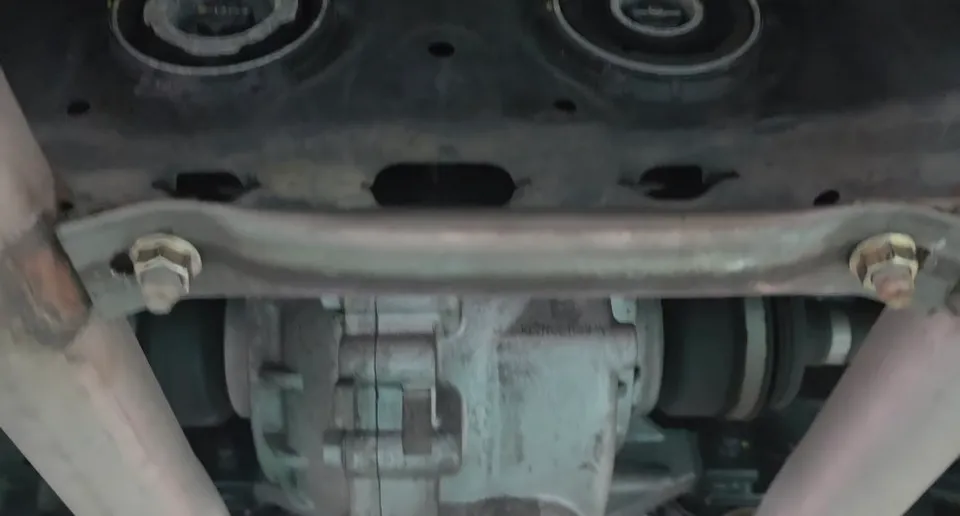
2. Catalytic Converter Inspection: During the disassembly, the condition of the catalytic converter was checked. In this case, the primary catalytic converter had also been replaced with an aftermarket unit. The catalytic converter is vital for emissions control; damage can lead to poor exhaust flow and reduced fuel efficiency. For this specific job, the decision was made to only replace the mid-pipe and rear muffler, leaving the catalytic converter as is.
3. Installation of Stock Exhaust Components: Genuine OEM rear mufflers and mid-pipes designed for the Stinger 2.0 were then installed. The Stinger's exhaust routing is precisely engineered, ensuring that each connection point aligns perfectly during component replacement. The mid-pipe, in particular, requires accurate fitting with the catalytic converter.
After the new stock components were securely fitted and all connections were tightened, the exhaust system was inspected for any leaks. The result was a factory-correct exhaust system, ready for the vehicle's next chapter, whether that be continued ownership or sale.
Frequently Asked Questions
Q. How much does exhaust & intake upgrade cost for a Kia Stinger?
This specific exhaust restoration service, converting from a Maintec variable system back to stock on a Kia Stinger 2.0, is typically performed before a vehicle sale and its cost would vary based on labor and parts. A full aftermarket exhaust and intake upgrade for a Kia Stinger can range from $1,000 to $3,000+ in the US, depending on the brand and complexity.
Q. How long does exhaust & intake upgrade last on a Kia Stinger?
The longevity of an exhaust and intake upgrade on a Kia Stinger depends heavily on the quality of the components and installation, often lasting the lifetime of the vehicle. Regular checks for rust, leaks, and secure mounting points are recommended maintenance.
Q. Is exhaust & intake upgrade worth it for a Kia Stinger?
An exhaust and intake upgrade can be worth it for Kia Stinger owners seeking enhanced performance, a sportier sound, and improved aesthetics. It's most beneficial for enthusiasts who prioritize driving dynamics and a more aggressive auditory experience.
Q. How is exhaust & intake upgrade done on a Kia Stinger?
The installation process typically involves removing the stock exhaust muffler and mid-pipe sections, and potentially the intake system components. Aftermarket parts are then fitted, ensuring proper alignment and secure connections. Finally, the system is tested for leaks and optimal performance.
Q. What is the best exhaust & intake upgrade option for a Kia Stinger?
The 'best' option varies by owner preference, but systems offering a balance of performance gains, desirable sound, and reliable construction are generally recommended. For sound, brands known for a deep, resonant tone without excessive drone are often favored.
OhCar Partner Shop