Kia Stinger Exhaust Upgrade Review: Vacuum Valved System
Service Price
$115–150
Estimated price · Actual price may vary by shop
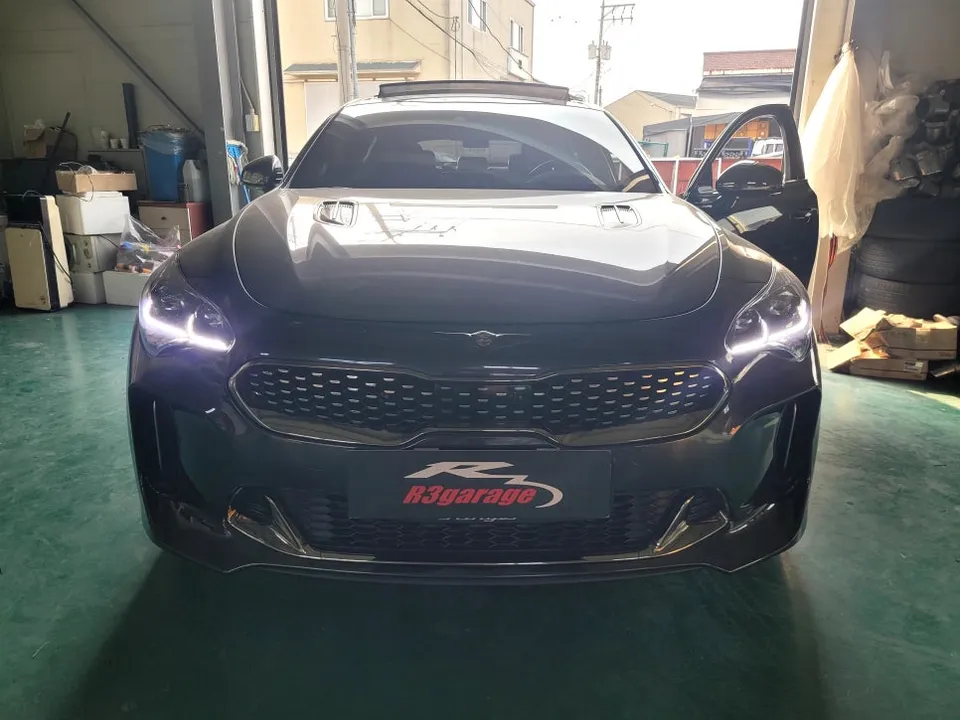
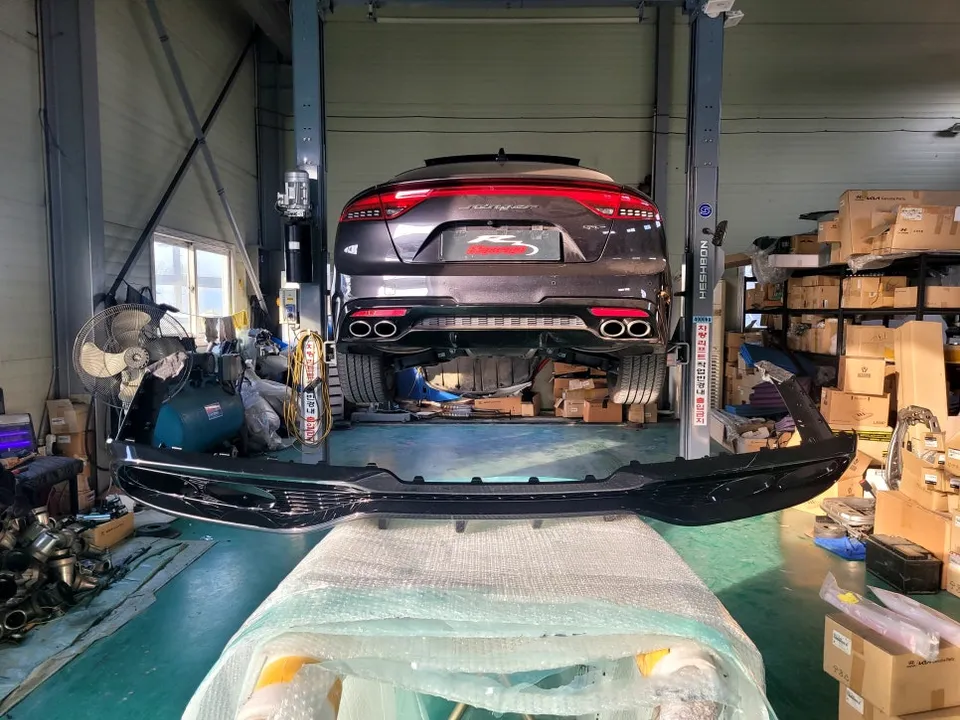
Kia Stinger vacuum valved exhaust upgrade with Meister large tips. Experience enhanced sound and performance. Installation details and results.
Kia Stinger Vacuum Valved Exhaust Upgrade: What to Prepare
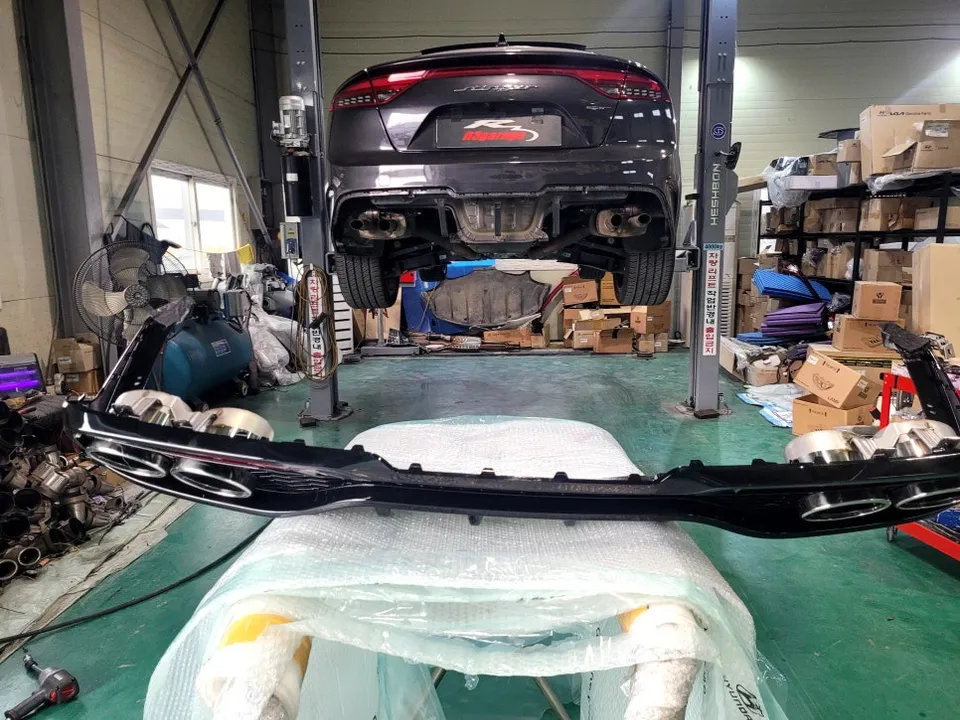
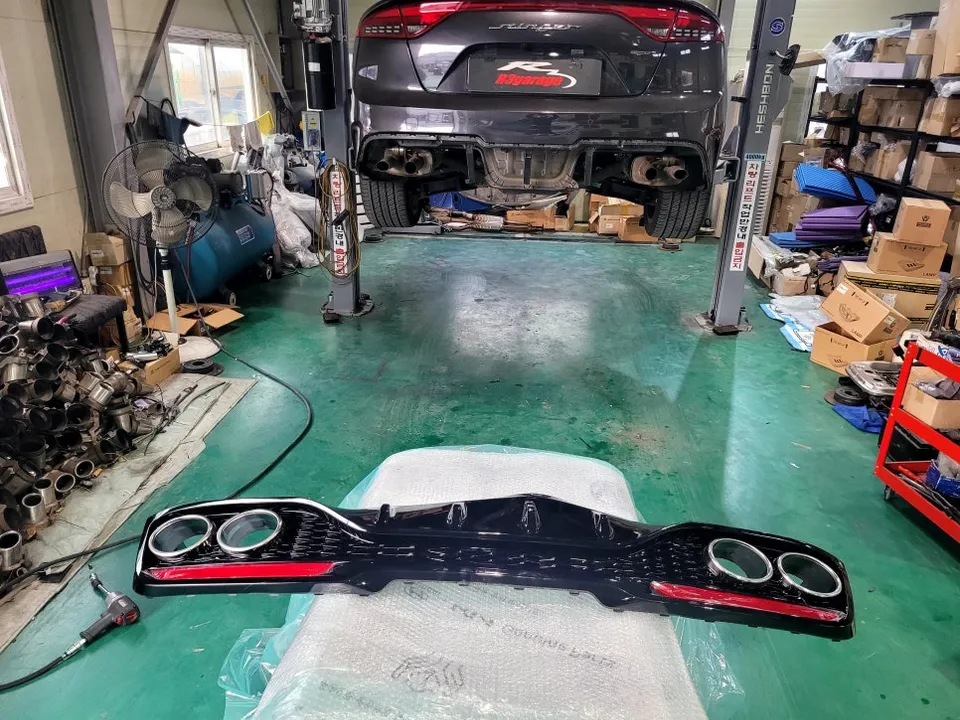
The decision to install a vacuum valved exhaust system on a 2017 Kia Stinger was driven by a desire for a more impactful exhaust note without compromising engine performance. The owner had already prepared Meister taillights, a Meister diffuser, and large-diameter tips. As we began the installation, we encountered complexities that required careful attention.
Understanding Vacuum Valved Exhausts: This system utilizes electronic signals to alter the exhaust path. It remains quiet at low RPMs and maximizes the exhaust sound at high RPMs. Unlike fixed exhaust systems, it offers adjustable sound levels depending on driving conditions.
Meister Large Tip Compatibility and Preparation Challenges
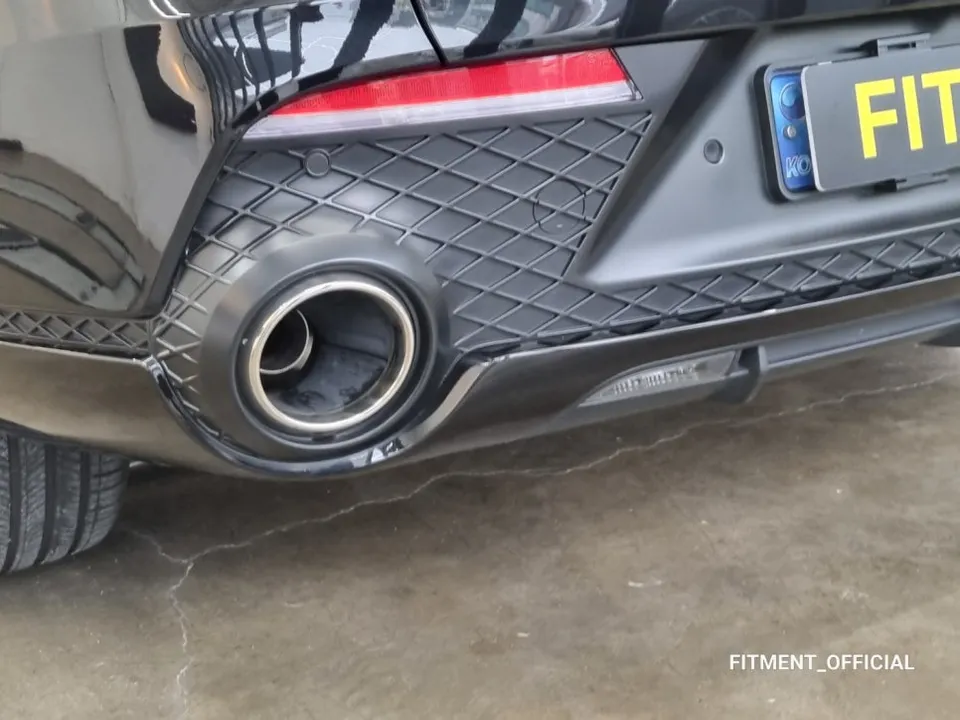
Upon receiving the vacuum valved exhaust, initial doubts arose about its true compatibility with the Meister large-diameter tips. While visually it seemed like a match, the actual fit revealed discrepancies. The sales process lacked sufficient detailed information regarding this specific fitment.
Crucially, the exhaust system arrived without the necessary mounting rubber for attachment. After contacting the vendor, the owner had to retrieve the correct parts later. Our team improvised with custom-fabricated rubber for a temporary fix, adding to the overall time required for the project.
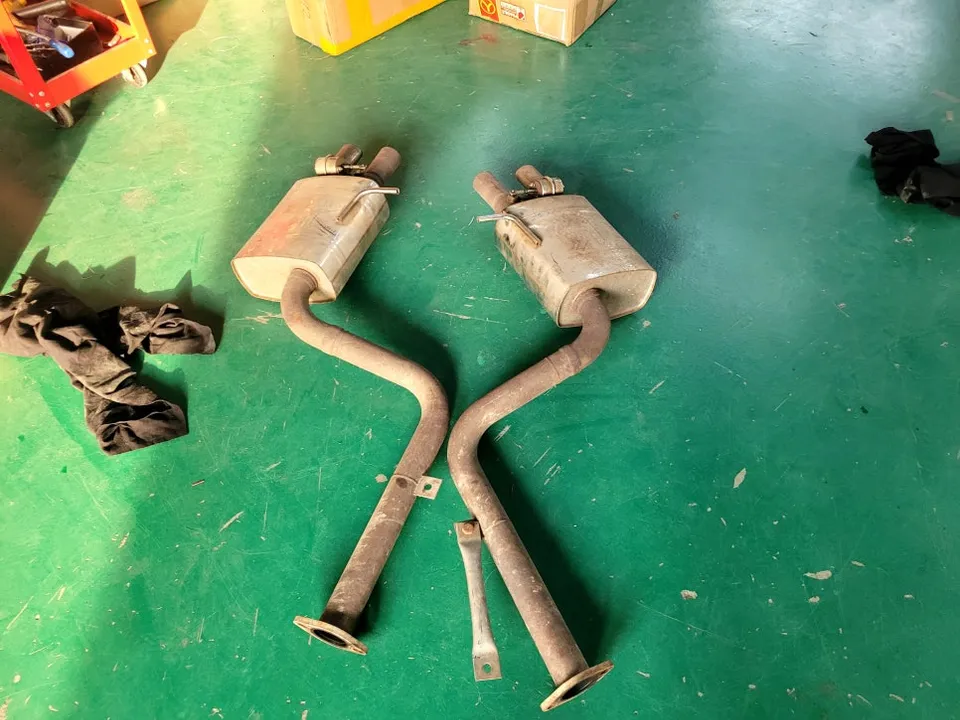
Vacuum Line Connection: The Core of the Exhaust System
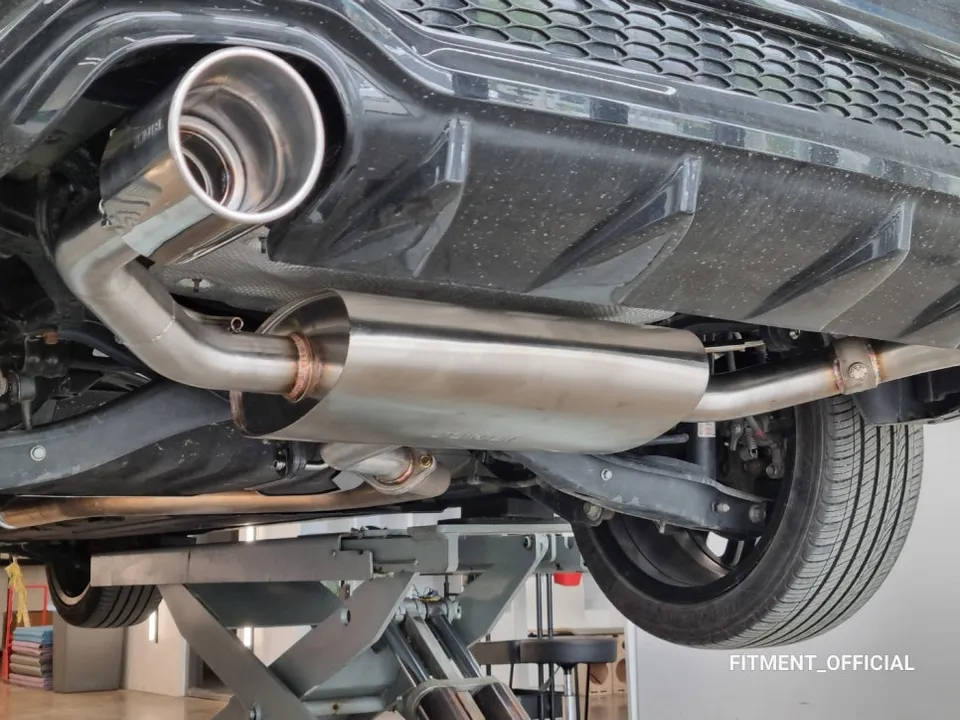
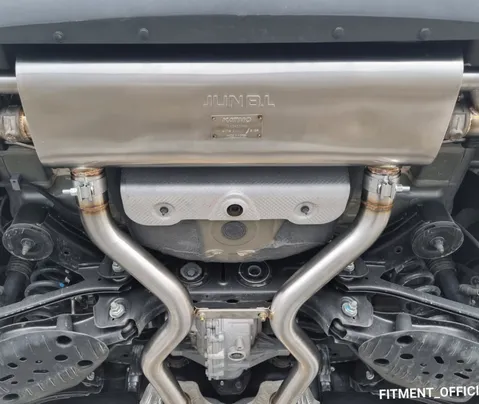
For the vacuum valved exhaust to function correctly, a vacuum valve and hose line are essential. This is the critical vacuum line setup. The system operates by detecting vacuum signals from the engine to open and close a solenoid valve. We meticulously configured the entire line, including the vacuum valve and check valve.
Simultaneously, a wireless remote was installed, allowing the owner to adjust the exhaust sound while driving. Connecting each vacuum line precisely demanded significant time, as any error would prevent the valved exhaust from operating.
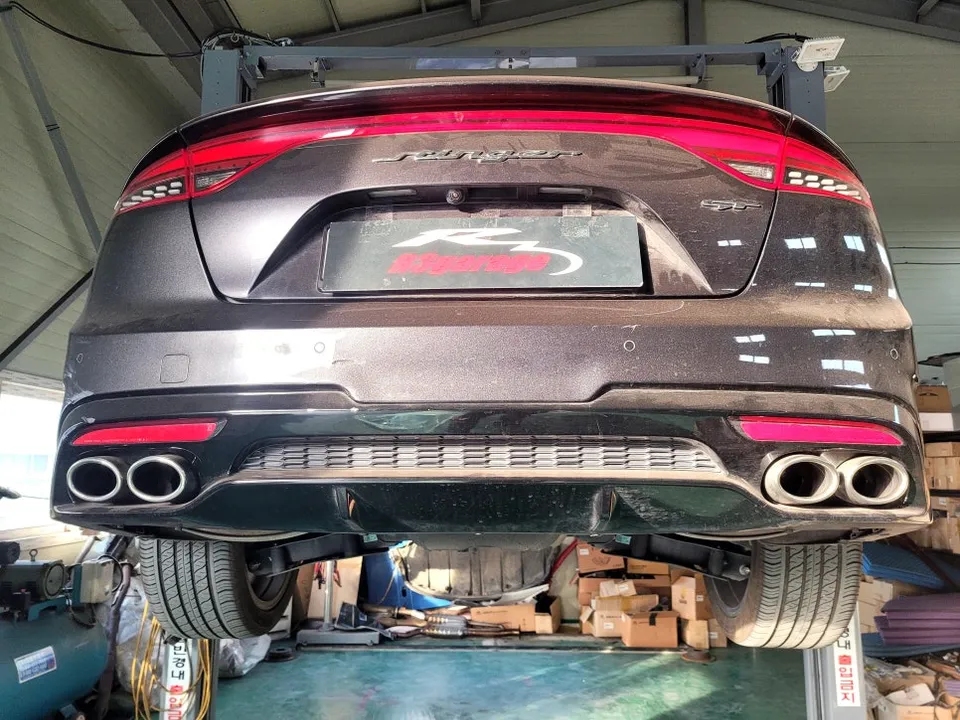
Meister Large Tip Installation and Interference Resolution
An unexpected issue arose during the assembly of the Meister large-diameter tips with the vacuum valved exhaust: the exhaust tips interfered with the vehicle's chassis. The vacuum valved exhaust unit was thicker than anticipated. The simple description of it being a "Meister-compatible product" proved insufficient.
Our team performed precise modifications to address the interference and readjusted the mounting points. We slightly repositioned the exhaust line, considering the angle of the Meister large-diameter tips. This adjustment was the most critical step in ensuring proper fitment and compatibility.
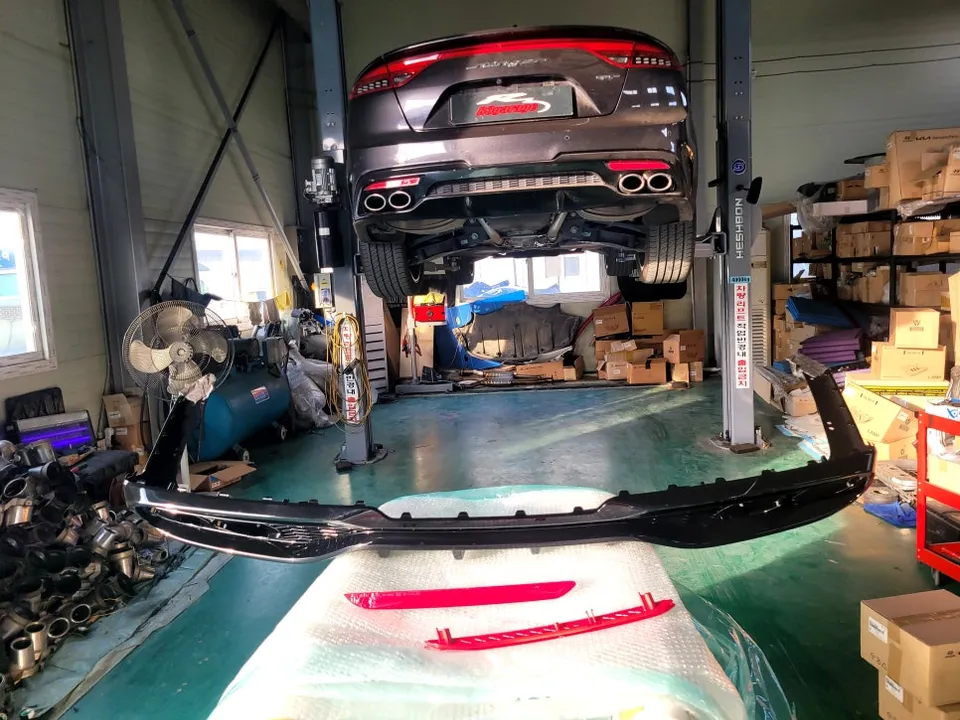
Harmony with Meister Taillights and Finalizing the Installation
The simultaneous replacement of the Meister taillights also presented unforeseen complexities, intertwining with the vacuum valved exhaust installation. The limited space behind the taillights necessitated a reorganization of the vacuum hose routing.
Ultimately, all components were harmoniously integrated. We verified the proper operation of the vacuum valve, wireless remote, and exhaust lines. The Stinger's characteristic quietness at low RPMs and the aggressive sound at higher RPMs were successfully restored.
Post-Installation Changes: The Sound Transformation
The owner's reaction to the vacuum valved exhaust installation was overwhelmingly positive. The most appreciated aspect was the selectivity of the exhaust sound. They expressed great satisfaction with the system's ability to deliver a calm tone at low RPMs and an exhilarating sound at high RPMs. While the Stinger already has a good stock exhaust note, adding the vacuum valved system elevated the experience significantly.
Frequently Asked Questions
Q. How much does a Kia Stinger exhaust upgrade cost?
The vacuum valved exhaust system for this Kia Stinger, including Meister large tips and installation, was completed with parts and labor. Typical US pricing for similar valved exhaust systems can range from $1,000 to $3,000, depending on the brand and complexity.
Q. How long does a Kia Stinger exhaust upgrade last?
A quality exhaust and intake upgrade on a Kia Stinger can last for many years, often exceeding 5-10 years with proper care. Regular checks for rust or damage, especially around the muffler and exhaust tips, are recommended.
Q. Is an exhaust and intake upgrade worth it for a Kia Stinger?
An exhaust and intake upgrade is highly worth it for Kia Stinger owners seeking enhanced performance and a more aggressive sound profile. It offers a noticeable improvement in driving experience and can be a cost-effective way to personalize the vehicle.
Q. How is a vacuum valved exhaust upgrade done on a Kia Stinger?
1. The old exhaust system is removed. 2. The new vacuum valved exhaust components, including the muffler and piping, are fitted. 3. Vacuum lines are connected to the engine's vacuum source and a solenoid valve. 4. A control unit or remote is installed for operation, and the Meister large-diameter tips are attached.
Q. What is the best exhaust upgrade option for a Kia Stinger?
For a Kia Stinger, a vacuum valved exhaust system offers the best of both worlds, providing quiet operation when needed and aggressive sound on demand. While a performance intake can complement this, the valved exhaust provides the most significant audible and experiential upgrade.
OhCar Partner Shop