Kia Stinger Exhaust Upgrade Review: Certified Titanium Muffler
Service Price
$150+
Estimated price · Actual price may vary by shop
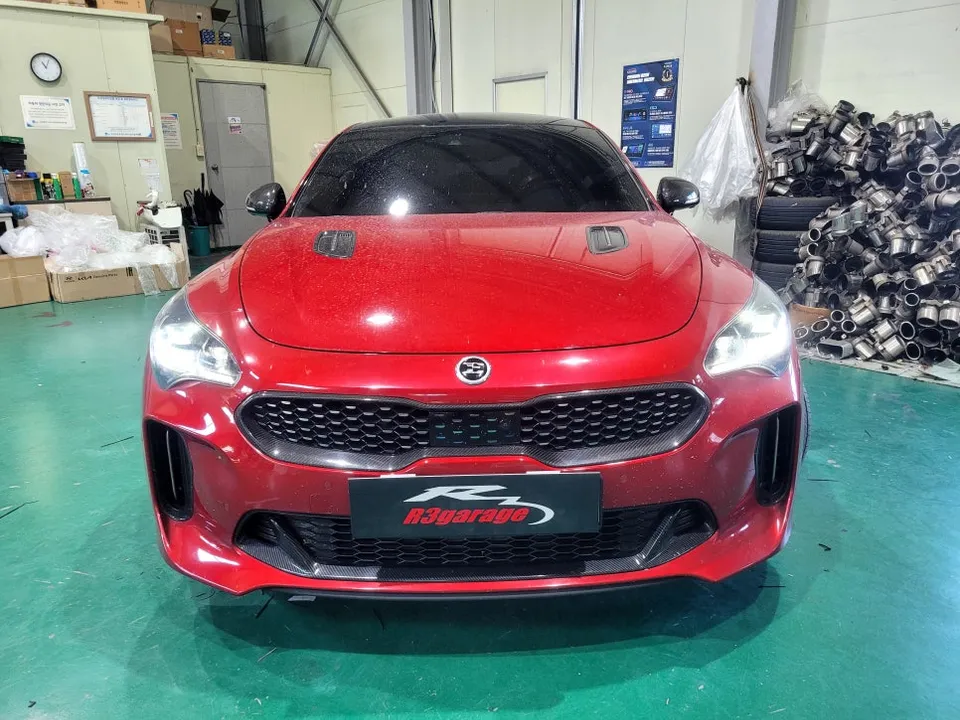
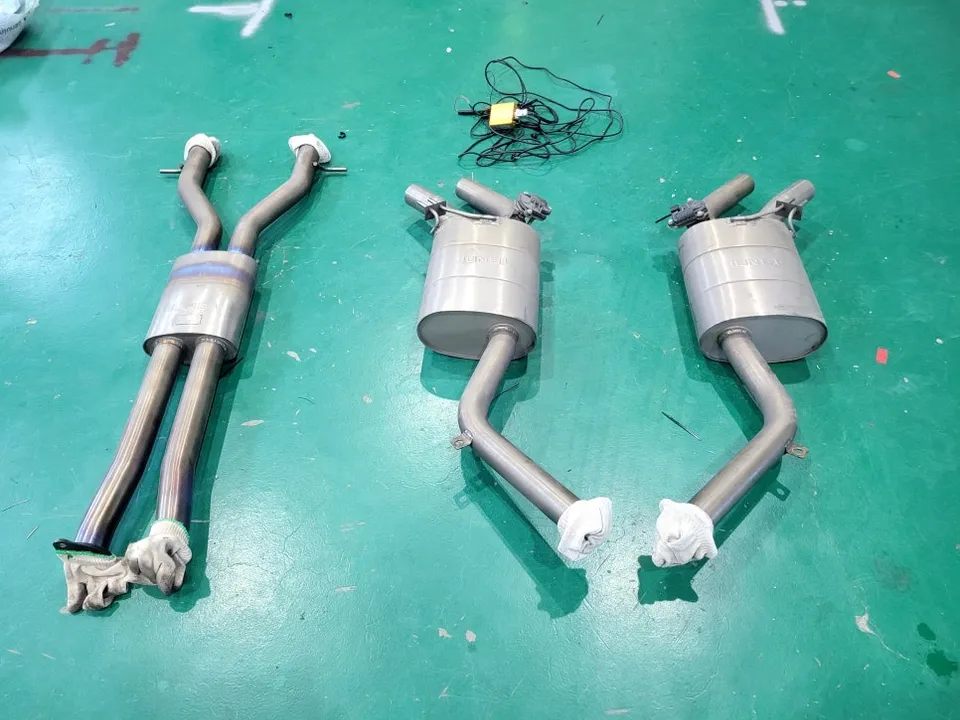
Kia Stinger exhaust upgrade with a certified titanium muffler. Experience improved sound and performance. Installation and benefits detailed.
Kia Stinger Exhaust Upgrade: Why a Certified Titanium Muffler is the Right Choice
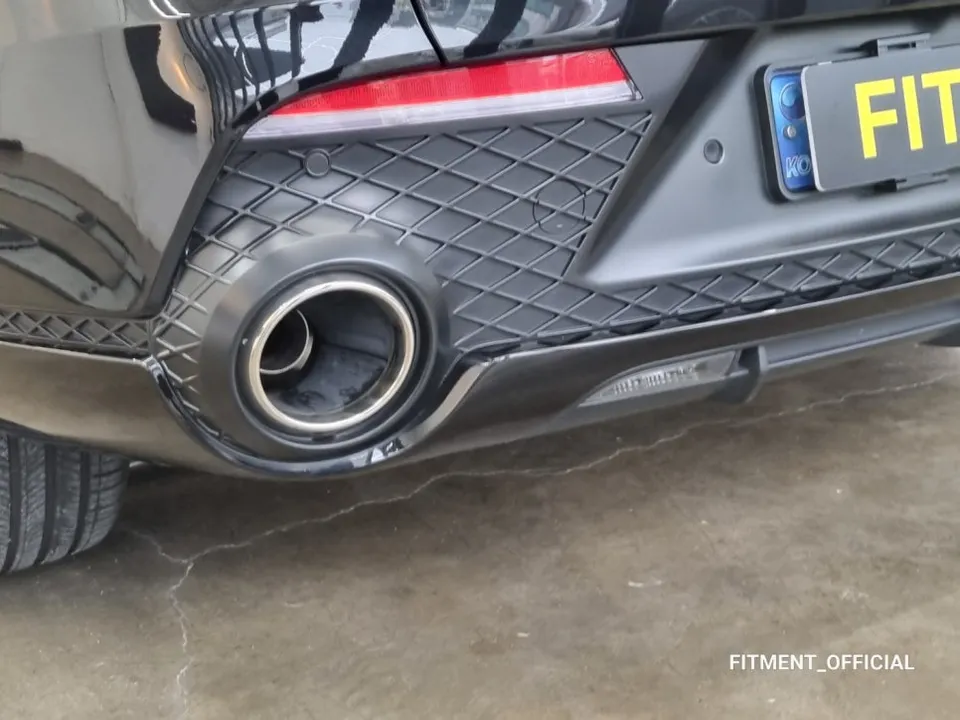
The Kia Stinger, with its potent V6 engine, offers an appealing exhaust note in its stock form. However, many owners seek to enhance this experience further. This Stinger owner visited our Cheonan branch seeking to address concerns with their existing, mixed-brand exhaust system. Opting for a complete overhaul, they decided on a certified titanium variable exhaust system for a perfect, compliant upgrade. For a sports sedan like the Stinger, the exhaust system is integral to its character, making the choice of a reliable product paramount.
Understanding Variable Exhaust Systems
A variable exhaust system, or valved exhaust, alters the exhaust path based on engine RPM. At lower RPMs, exhaust gases are routed through a chamber for a quieter, more refined sound. At higher RPMs, the valve opens, allowing gases to flow directly for a more aggressive, sporty tone. For premium sports sedans like the Stinger, precise operation of this variable valve is crucial for maintaining a stable and engaging driving feel.
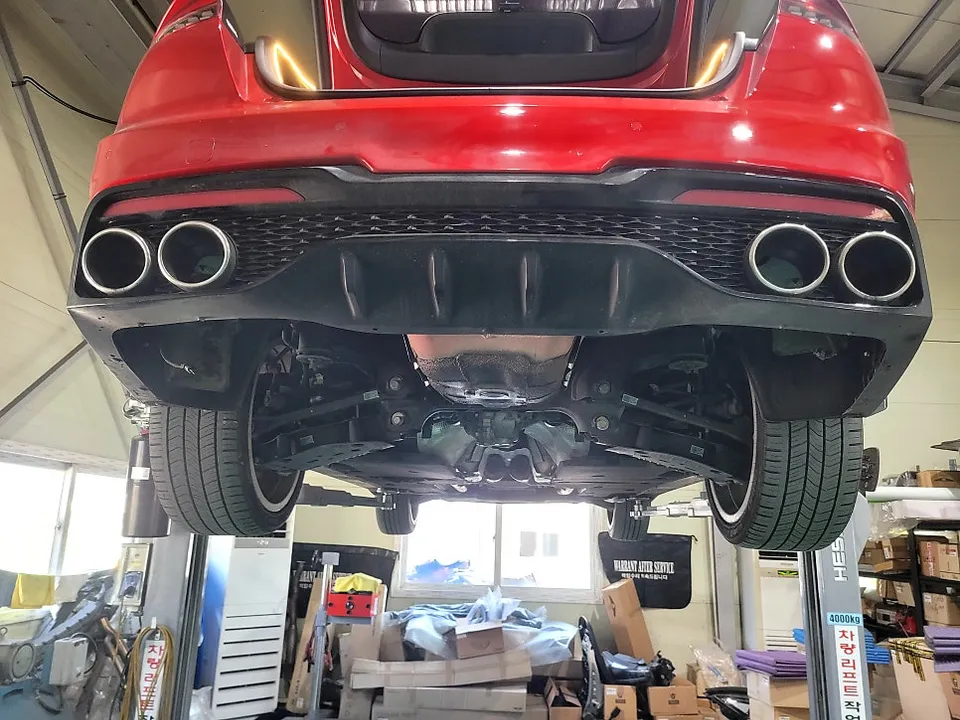
The Advantage of Certified Exhaust Upgrades
The primary benefit of a certified variable exhaust is its guaranteed compliance with legal inspection standards. The certification sticker includes a QR code that links to a registration system, allowing the vehicle to pass inspections without requiring a separate structural modification permit. Non-certified systems can lead to unpredictable inspection outcomes depending on the service center. For owners who prioritize a hassle-free inspection process, a certified system is the definitive solution.
Choosing titanium offers significant advantages over standard steel. It boasts superior heat resistance, excellent corrosion resistance, and a lower sound dampening effect while enhancing the depth of the exhaust note. Although the initial cost is higher, the long-term durability and reduced maintenance make it a more economical choice for systems expected to last over five years.
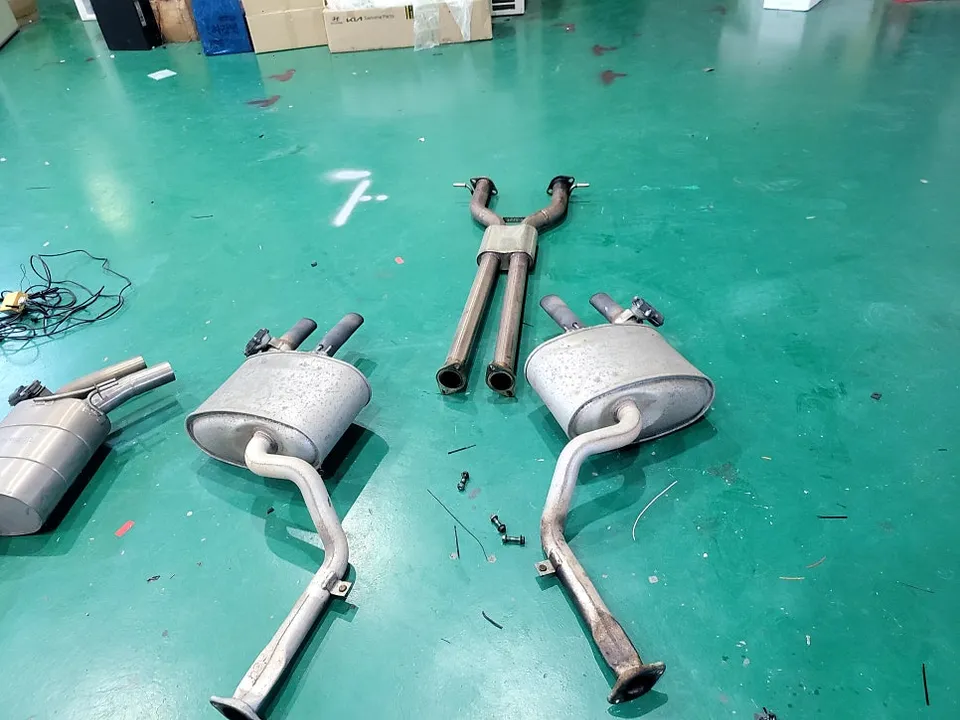
Inspection and Removal of Existing System
This 2017 Stinger previously had a custom mid-pipe and aftermarket tailpipes installed over the stock variable exhaust. Such a combination can lead to inconsistent performance and uncertain inspection results. Our first step was to thoroughly inspect and dismantle the existing exhaust setup.
During the removal of the stock variable exhaust, we meticulously checked the connection points between the exhaust system and the engine, the integrity of sensor wiring, and the functionality of the variable valve itself. Particular attention was paid to the sensor connection points to identify any signs of rust or looseness, as issues here can prevent the new valve from operating correctly even after installation.
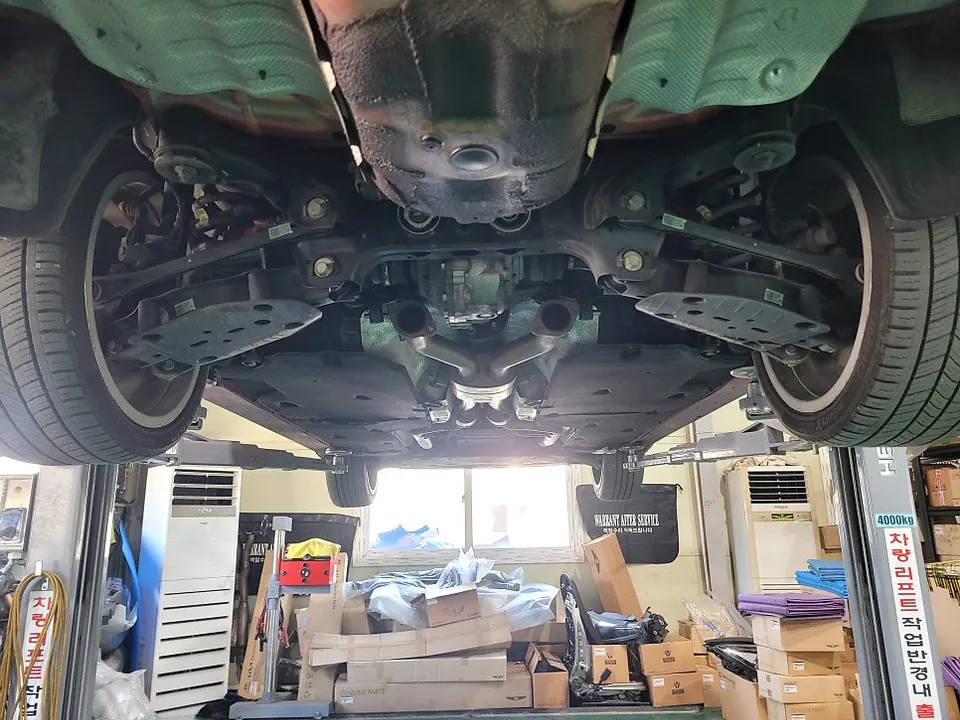
Installation Process: Certified Titanium Variable Exhaust
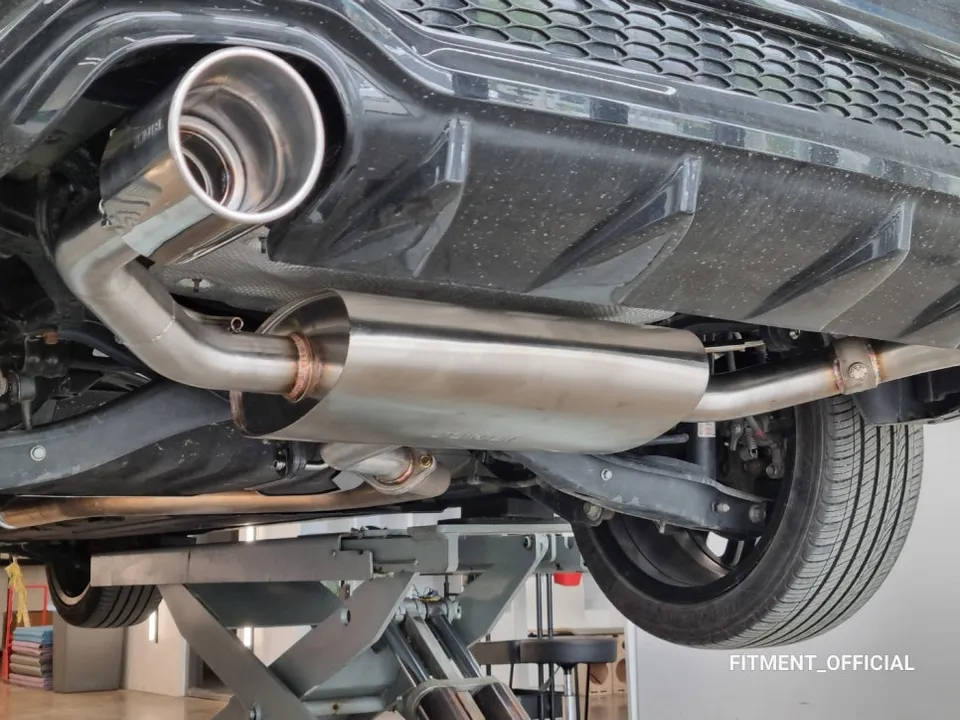
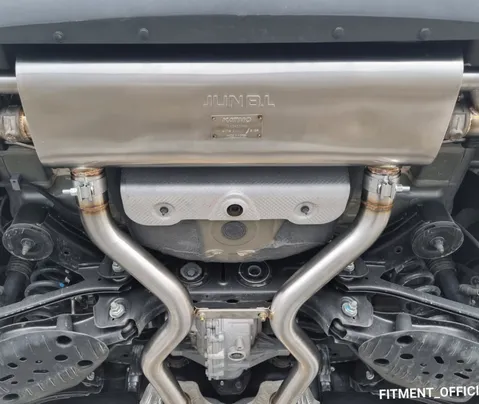
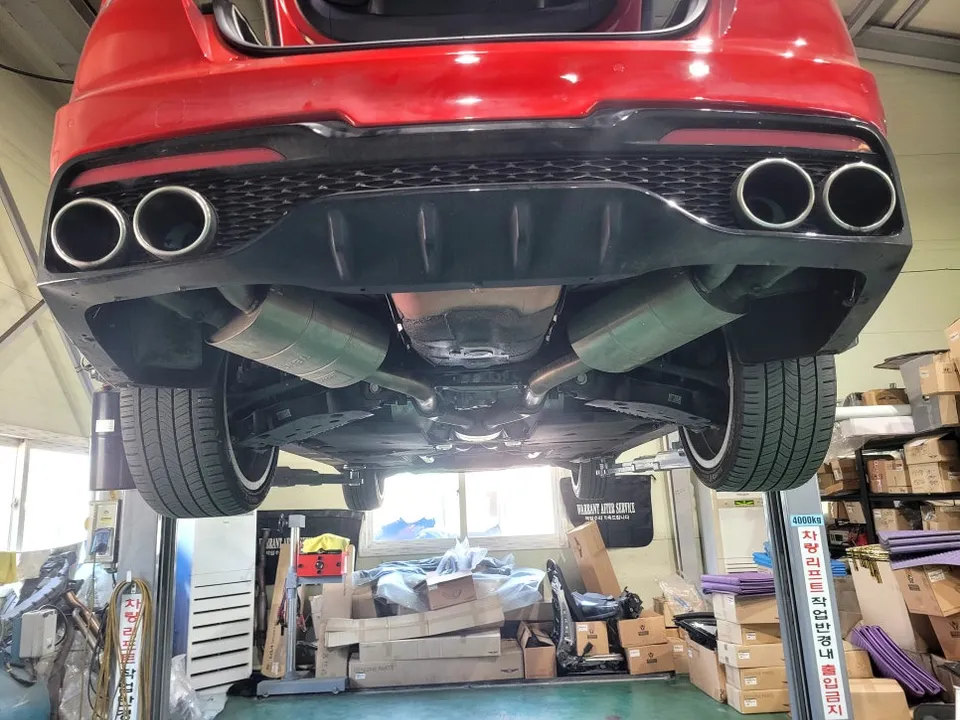
The certified titanium variable exhaust system features a more precise valve mechanism compared to the stock unit. The installation involves carefully aligning and connecting the mid-pipe (main muffler section) and the tail-end pipes. This process typically takes about 1.5 to 2 hours. Given the Stinger's exhaust system is secured at multiple points along the engine and chassis, precise alignment at each bracket is essential to prevent resonance and vibration.
Titanium's lower elasticity compared to steel requires precise torque settings for all connections. We adhere to the specific torque specifications for the Stinger to ensure optimal performance and longevity. Overtightening can warp the pipes, while undertightening can lead to leaks and noise. This stage demands both experience and specialized tools.
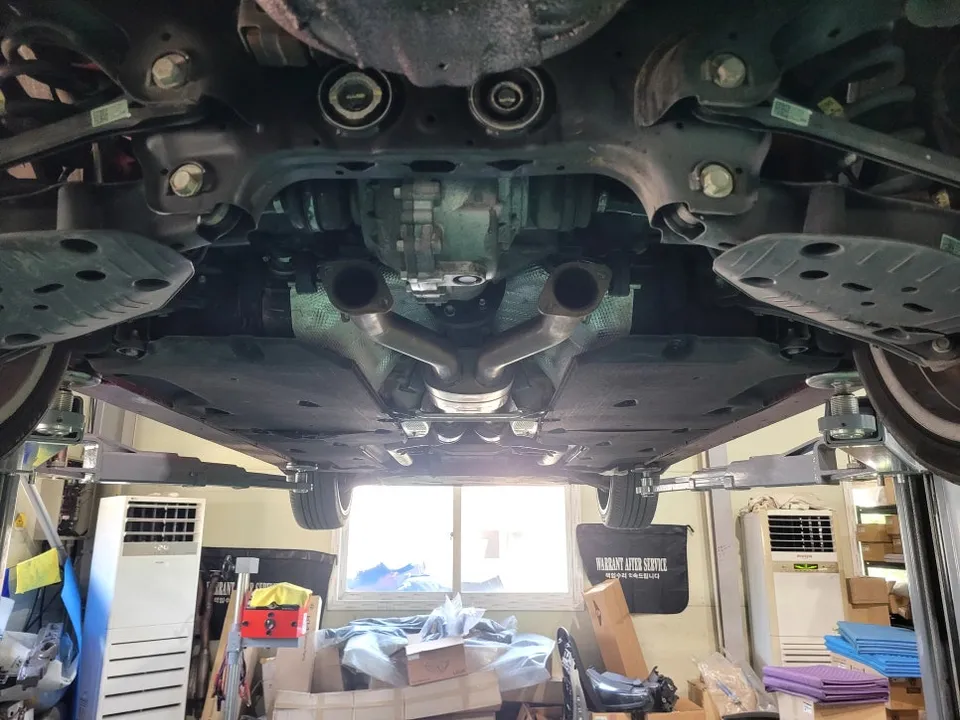
Wiring and Remote Control Integration
A key convenience of the certified titanium variable exhaust is its support for a wireless remote control. The wiring for controlling the variable valve is integrated seamlessly into the vehicle's electrical system, allowing for easy operation.
Frequently Asked Questions
Q. How much does an exhaust & intake upgrade cost for a Kia Stinger?
The cost for a certified titanium variable exhaust upgrade on a Kia Stinger can vary, but typically ranges from ₩2,000,000 to ₩4,000,000 in Korea. In the US, similar high-quality systems can range from $1,500 to $3,000 USD.
Q. How long does an exhaust & intake upgrade last on a Kia Stinger?
A certified titanium exhaust system is built for longevity, often lasting over 5 years due to its superior corrosion and heat resistance. Regular checks for exhaust leaks and ensuring the variable valve mechanism is free of debris will help maintain its performance.
Q. Is an exhaust & intake upgrade worth it for a Kia Stinger?
An exhaust and intake upgrade is highly recommended for Kia Stinger owners seeking a more engaging driving experience and a sportier sound profile. The value lies in enhanced performance, improved aesthetics, and the peace of mind that comes with a certified, inspection-compliant system.
Q. How is an exhaust & intake upgrade done on a Kia Stinger?
The installation process involves removing the stock exhaust system, inspecting all connection points and sensors, and then precisely fitting the new mid-pipe and tailpipes. Finally, the wiring for the variable valve control, often with a wireless remote, is connected to the vehicle's electrical system.
Q. What is the best exhaust & intake upgrade option for a Kia Stinger?
For a Kia Stinger, a certified titanium variable exhaust system is the optimal choice, offering a balance of performance, sound, and legal compliance. Unlike non-certified systems, it guarantees smooth passage through vehicle inspections.
OhCar Partner Shop