Kia Stinger 2.0 Exhaust & Diffuser Upgrade Review
Service Price
$150+
Estimated price · Actual price may vary by shop
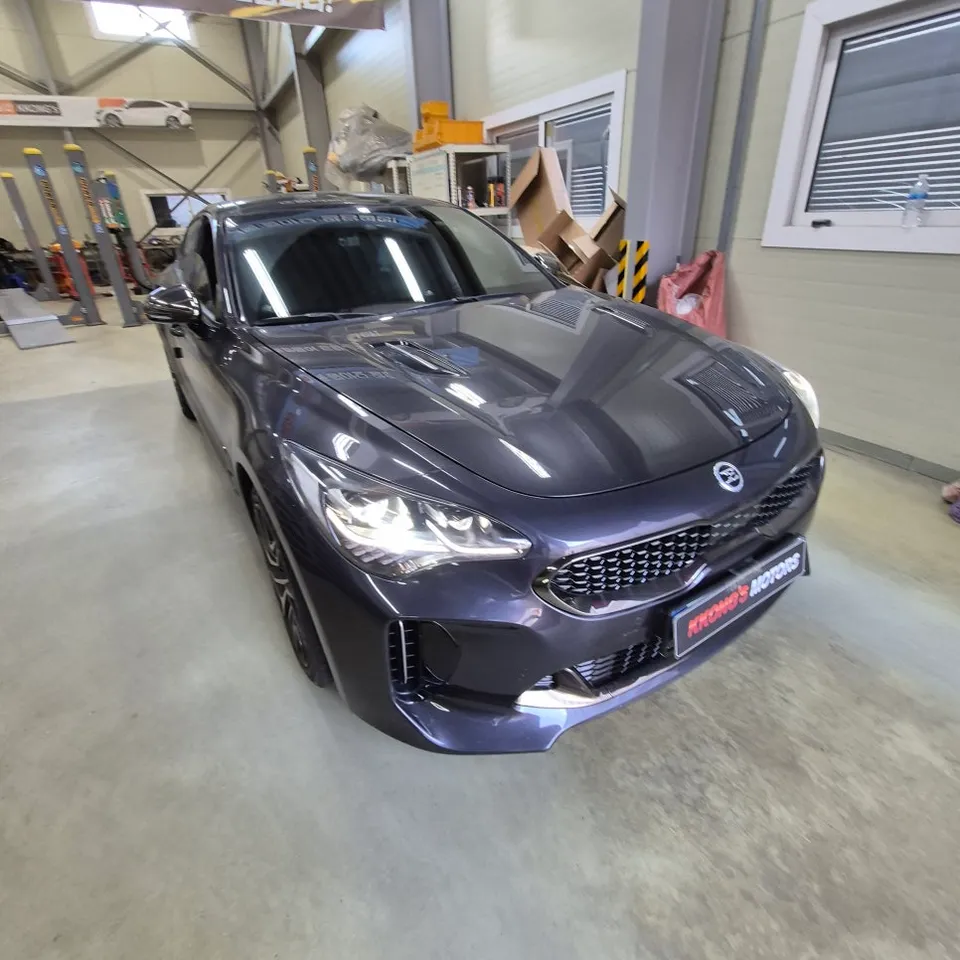
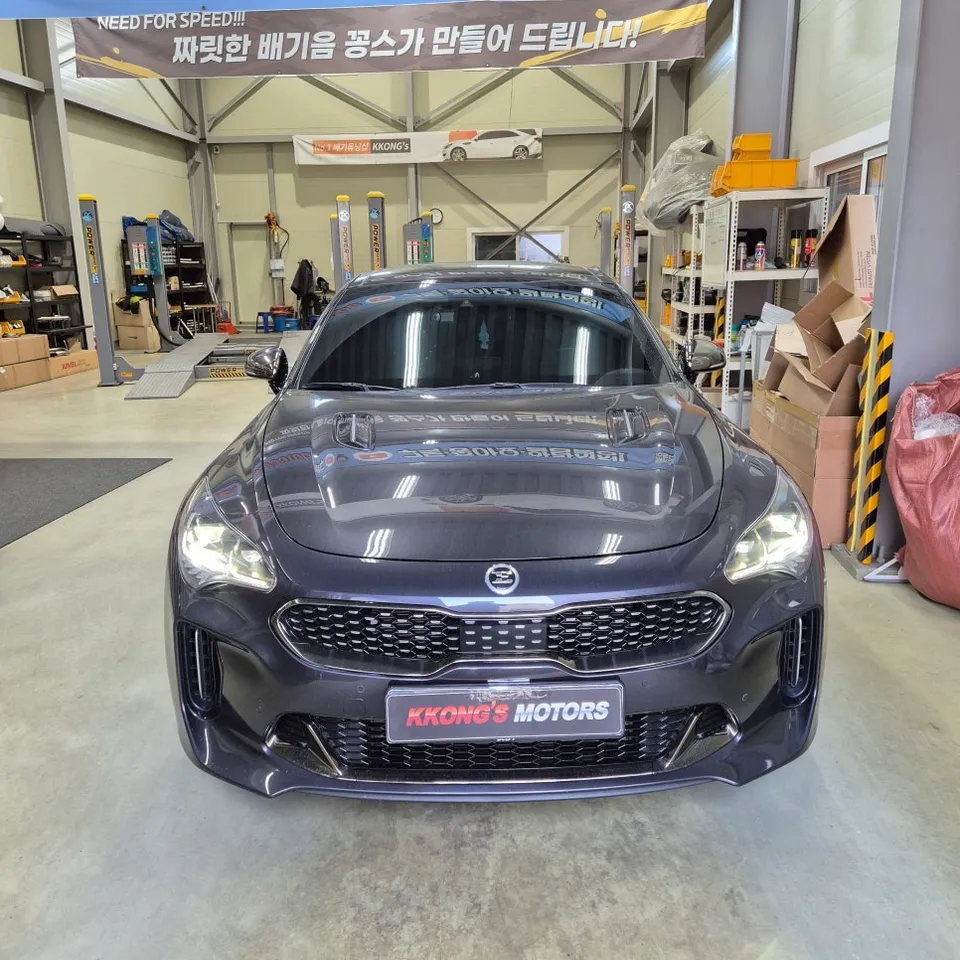
Kia Stinger 2.0 variable exhaust and Maestro diffuser upgrade for enhanced sound and aggressive rear styling. Improves rear volume and presence.
Kia Stinger 2.0: Beyond Just Sound with Exhaust & Diffuser Upgrade
Many Kia Stinger 2.0 owners find the stock exhaust note too quiet, diminishing the car's sporty feel. While a simple exhaust upgrade can boost sound, it often leaves the exterior unchanged. This review details a comprehensive approach: combining a variable exhaust system with a new diffuser and upgraded muffler tips to create a dramatic transformation of the Stinger's rear aesthetics and auditory experience. The result is a significant improvement in exhaust sound, visual appeal, and rear-end presence.
This article covers:
- How variable exhaust systems work for the Stinger.
- Transforming the rear with Maestro diffuser and tips.
- The installation process and associated costs.
- Comparing this upgrade to other exhaust options.
- Essential maintenance for Stinger exhaust systems.
Variable vs. Fixed Exhaust for the Stinger
The Kia Stinger, particularly the 2.0L model, benefits greatly from exhaust modifications due to its relatively subdued factory sound. Two main types of exhaust upgrades are available: variable and fixed.
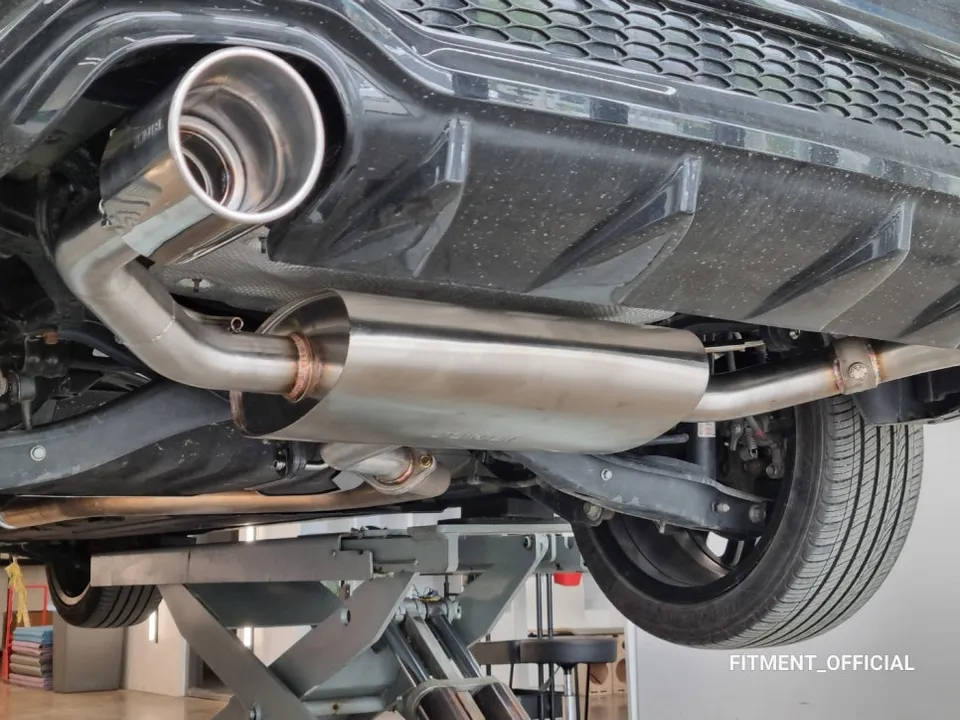
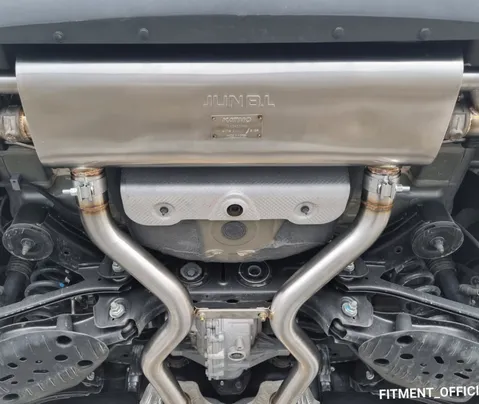
Variable exhaust systems allow drivers to control the exhaust note using a remote. In the 'off' state, the system remains quiet, ideal for city driving or early morning departures. When activated ('on'), it unleashes a deeper, more aggressive tone. This is achieved by a valve within the exhaust pipe that opens and closes. The near-silent operation of the valve mechanism ensures minimal disruption during daily use.
In contrast, fixed exhaust systems have a permanently open pipe, resulting in a constant, louder exhaust note. While this offers a consistent aggressive sound, it lacks flexibility. For Stinger owners in urban environments or those who value quiet operation at times, a fixed system can be impractical due to potential noise complaints, especially with the Stinger's naturally resonant mid-range frequencies.
Enhancing Rear Aesthetics with Maestro Diffuser & Tips
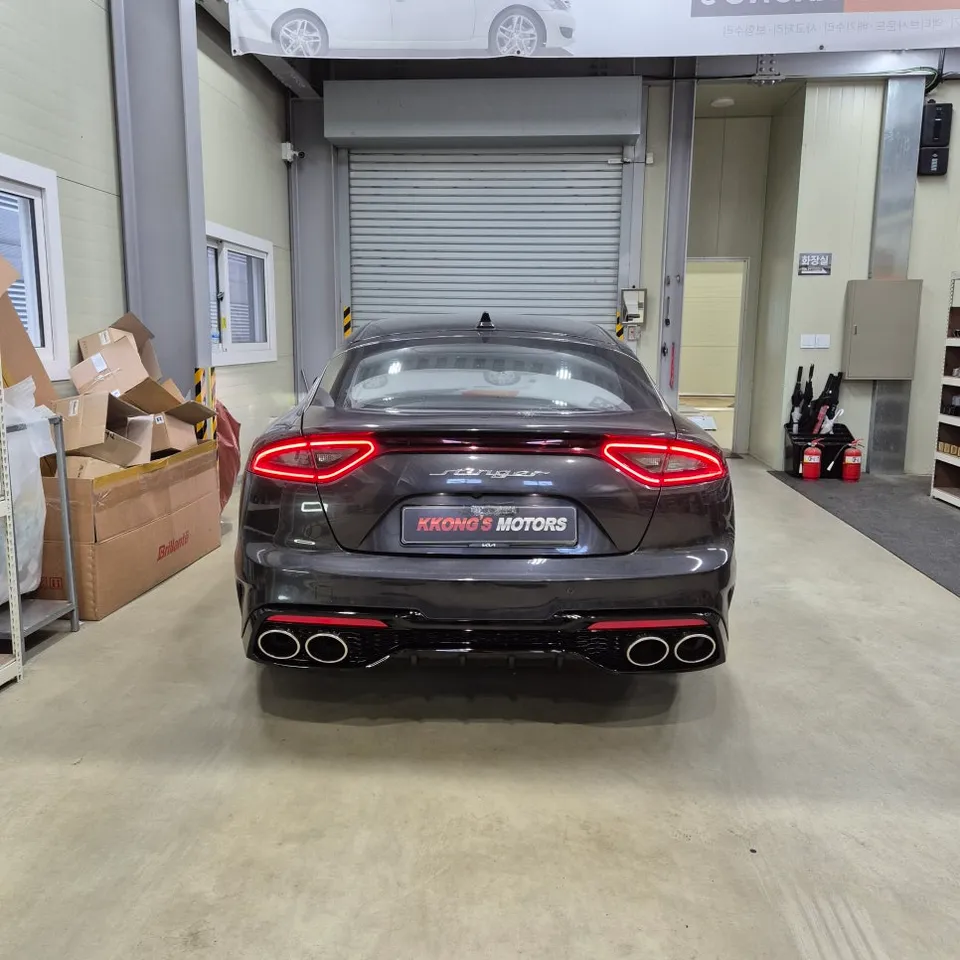
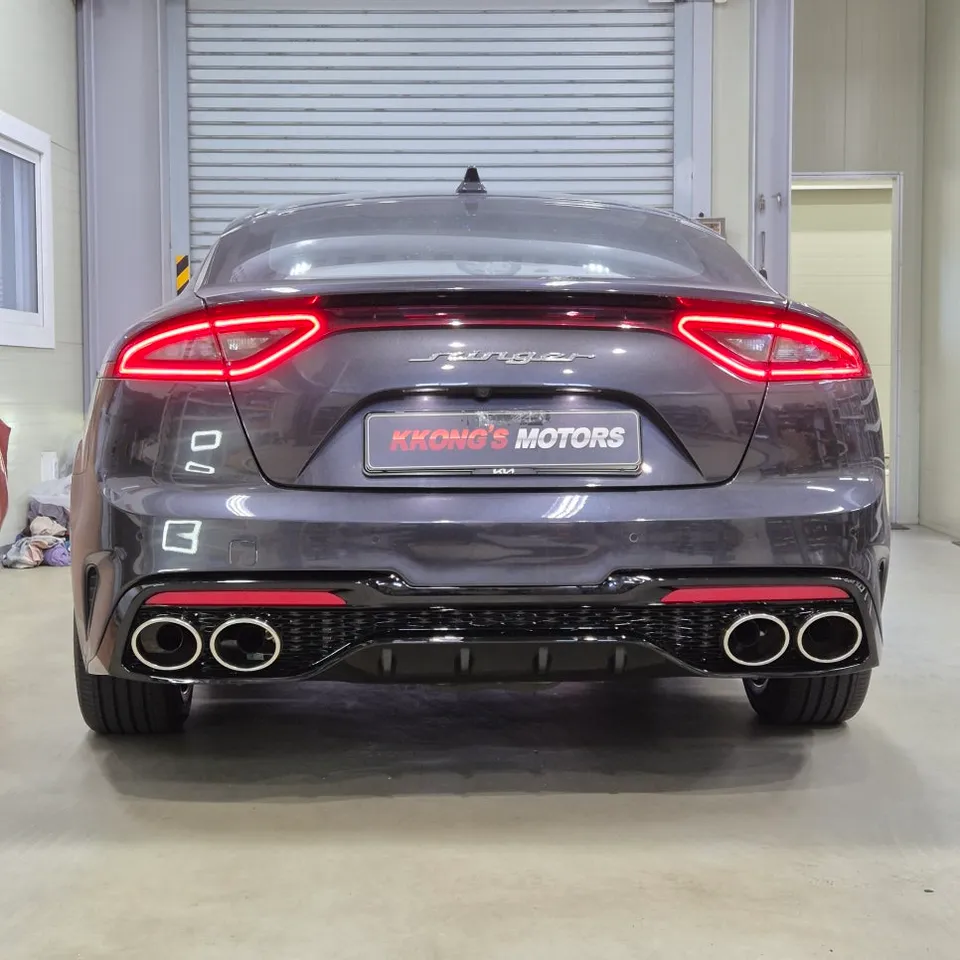
Simply upgrading the exhaust components often results in minimal visual change if the stock diffuser and muffler tips remain. This particular upgrade focuses on a complete rear-end transformation by integrating the new variable exhaust with a Maestro brand diffuser and new muffler tips.
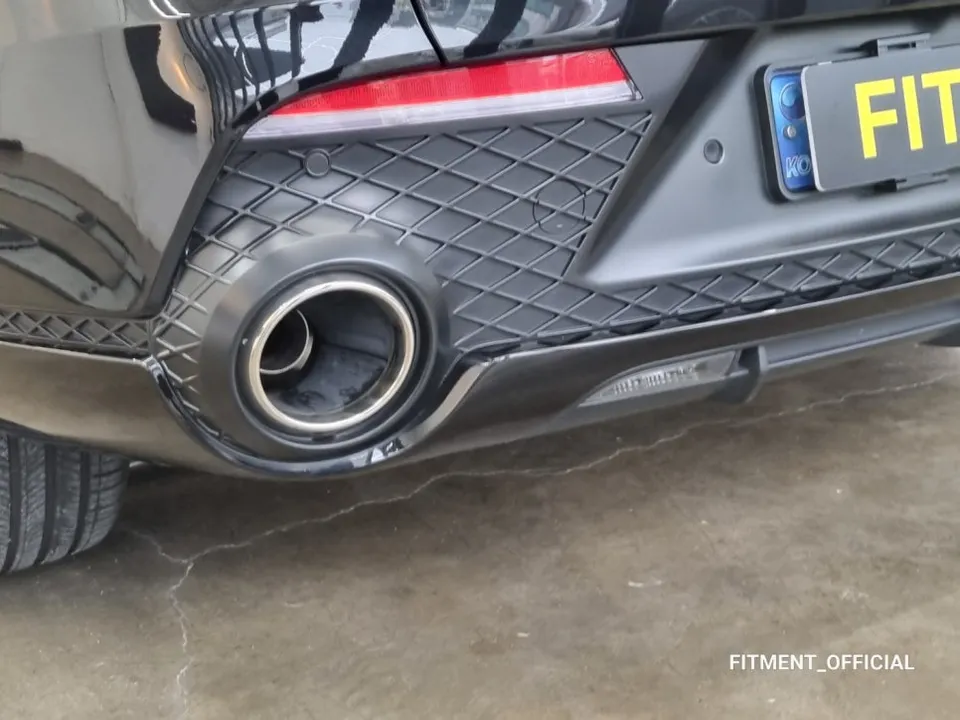
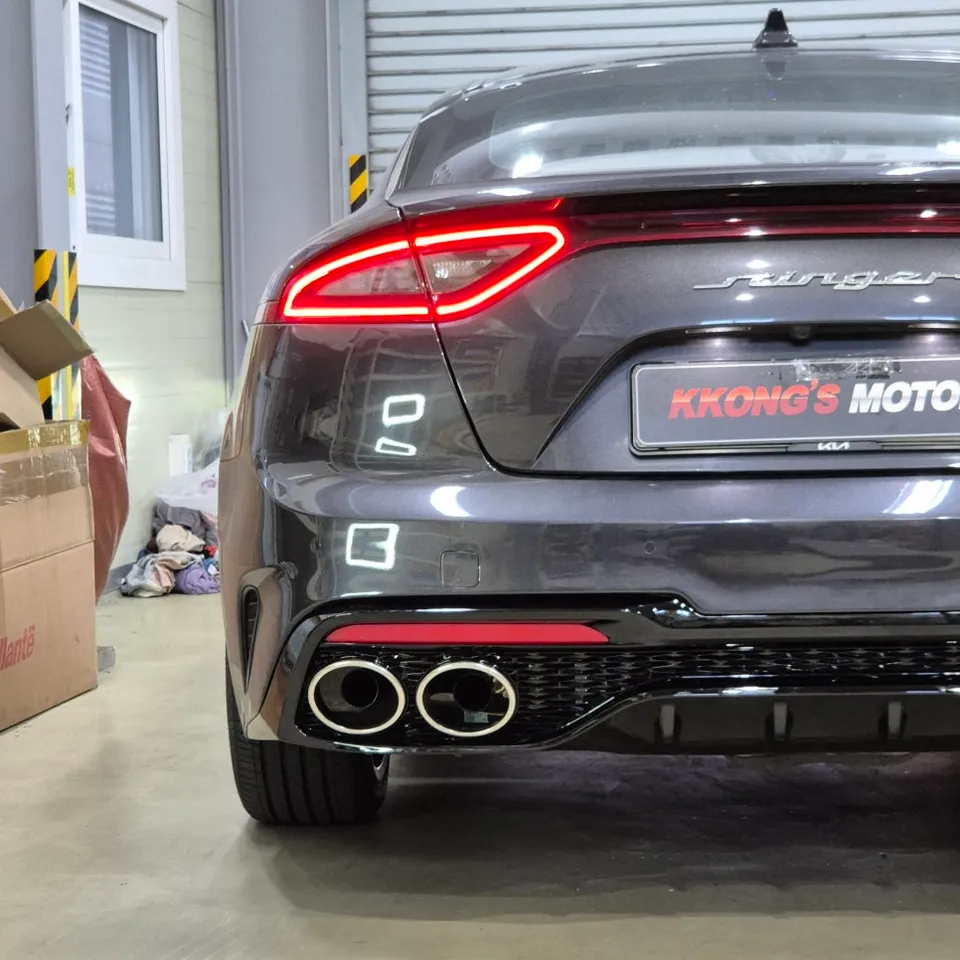
The diffuser, located beneath the rear bumper, plays a role in aerodynamic airflow. The Maestro diffuser features a more aggressive, multi-layered design compared to the factory part. This visually lowers and widens the rear of the car, adding significant presence. The accompanying muffler tips are also a major upgrade; moving away from the simple, often circular stock tips, the Maestro tips adopt a more angular, dual-pipe design, further amplifying the aggressive look.
Installation Process: Variable Exhaust, Diffuser & Tips
The installation of a variable exhaust system, new diffuser, and muffler tips is typically a multi-stage process:
- Removal of Stock Components: The existing exhaust system is carefully unbolted and removed. This requires attention to the various mounting points on the Stinger's chassis. This step usually takes about 1 to 1.5 hours.
- Installation of Variable Exhaust: The new variable exhaust system, including the electronic valve actuator and control module, is fitted. Precise alignment of the internal metal valve is crucial to prevent any rattling or unwanted noise. This stage can take approximately 1 hour.
- Diffuser and Tip Replacement: The rear bumper may need to be partially disassembled to access and replace the factory diffuser. The new Maestro diffuser is then carefully aligned and secured to ensure a flush fit with the bumper lines. Finally, the new muffler tips are attached. This step requires meticulous attention to detail for a clean, integrated appearance.
The entire process, performed by experienced technicians, ensures optimal fitment and performance, transforming the Stinger's rear end both visually and audibly.
Frequently Asked Questions
Q. How much does a Performance Upgrade cost for a Kia Stinger?
This specific upgrade, including a variable exhaust, Maestro diffuser, and tips, typically costs around 1,500,000 KRW in Korea. US pricing can range from $800 to $2,500 depending on the brands and components chosen.
Q. How long does a Performance Upgrade last on a Kia Stinger?
A well-maintained performance exhaust and diffuser system can last for many years, often exceeding 5-7 years. Regular checks for rust and ensuring the variable valve mechanism is clean and lubricated will prolong its life.
Q. Is a Performance Upgrade worth it for a Kia Stinger?
This upgrade is highly recommended for Stinger 2.0 owners seeking a more engaging driving experience and a sportier aesthetic. It significantly enhances both the sound and visual appeal of the car's rear.
Q. How is a Performance Upgrade done on a Kia Stinger?
The process involves removing the stock exhaust system, installing the new variable exhaust with its electronic valve, and replacing the rear bumper diffuser and muffler tips. Precise alignment is key for both sound and appearance.
Q. What is the best Performance Upgrade option for a Kia Stinger?
For a balance of sound control and aggressive styling, a variable exhaust system paired with an aftermarket diffuser and performance tips like the Maestro set offers the most comprehensive upgrade. Fixed exhausts offer less flexibility for daily driving.
OhCar Partner Shop