Kia Stinger Meister Performance Upgrade Review
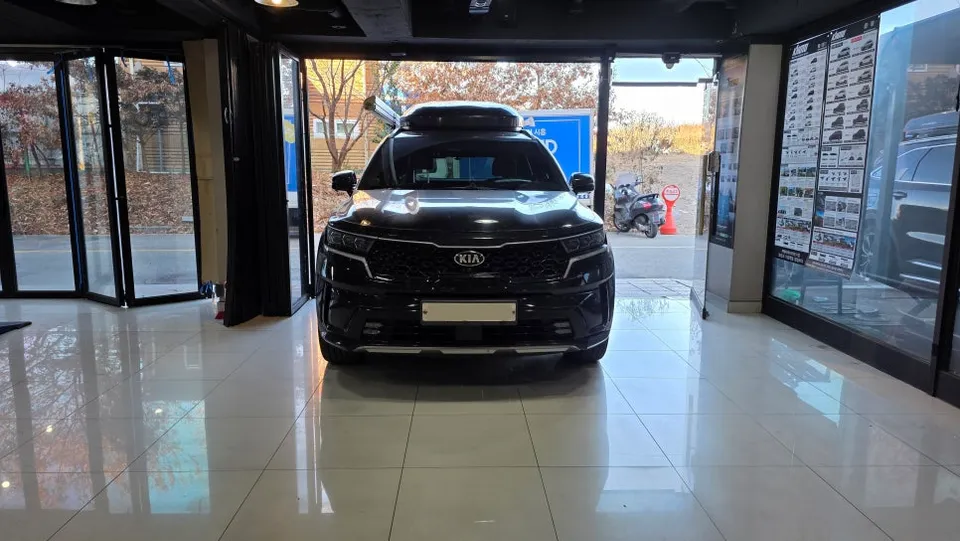
Before
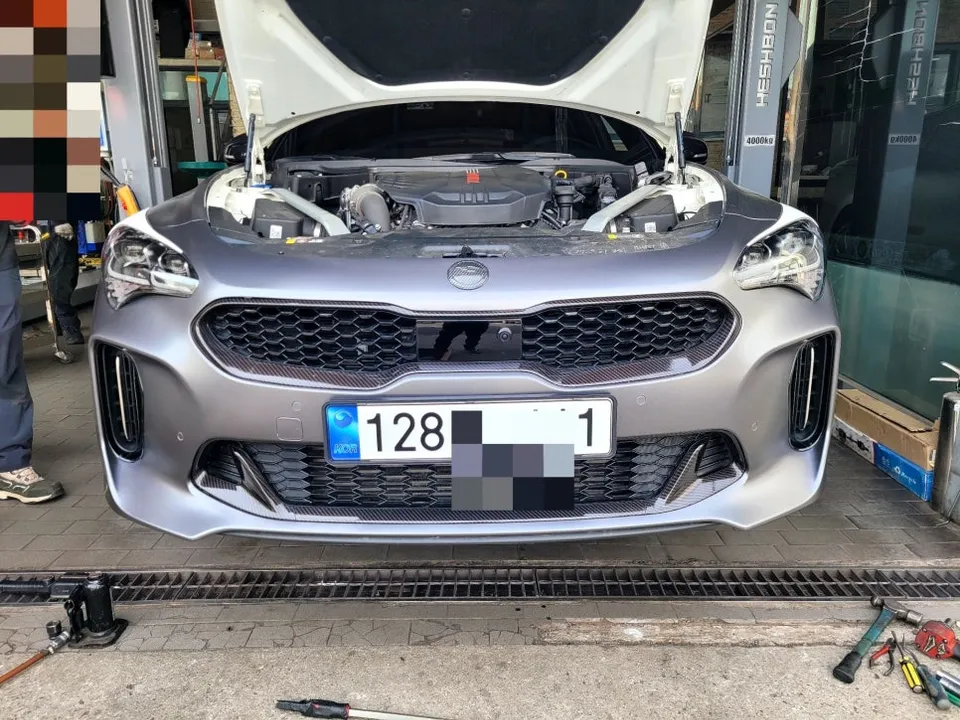
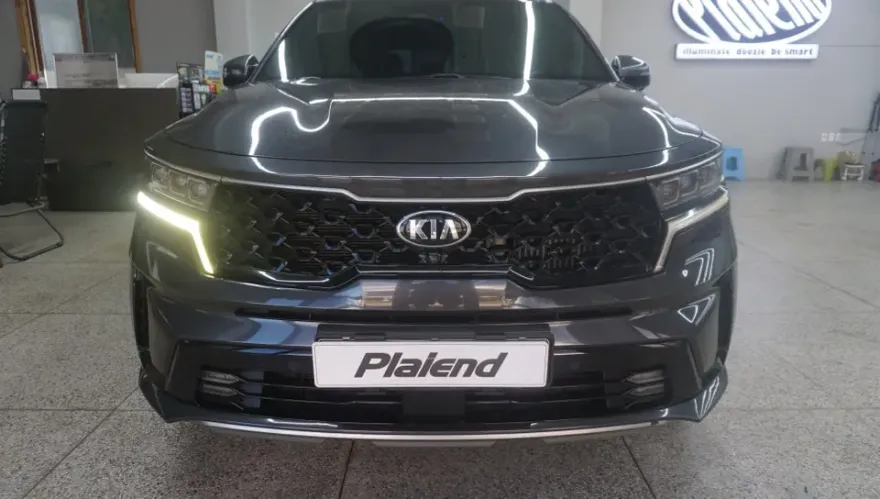
After
Process photos
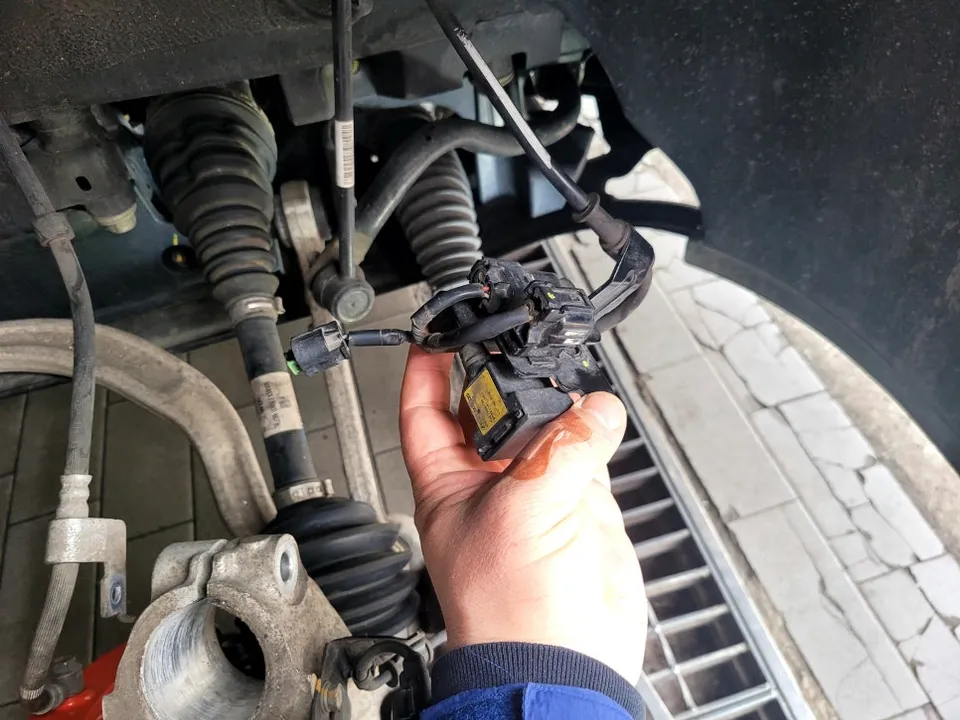
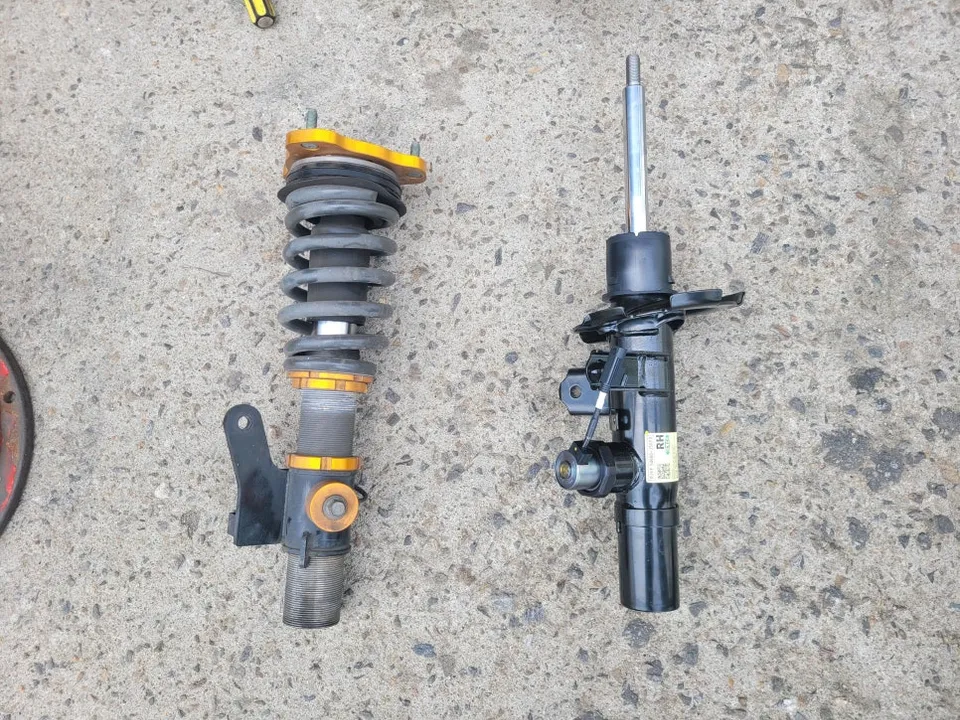
Kia Stinger Meister suspension upgrade: Reverted from aftermarket coilovers to stock to fix sensor issues. Restored ADAS functionality.
Performance Upgrade for the Kia Stinger Meister
The Kia Stinger Meister is a performance-oriented sedan, and owners often seek ways to further enhance its driving dynamics. This review focuses on a specific performance upgrade involving the suspension system, specifically the installation of aftermarket coilovers and the subsequent return to stock components. The original setup featured Neotech coilovers, which, while offering a lowered stance, led to intermittent issues with the vehicle's front sensors and forward collision warning system. This is a common occurrence when aftermarket suspension alters the vehicle's ride height and geometry, affecting sensor calibration.
Addressing Sensor Issues with Suspension Changes
The primary concern highlighted in this case was the interference of the aftermarket coilovers with the Stinger Meister's advanced driver-assistance systems (ADAS). The front sensors, crucial for functions like parking assistance and collision avoidance, became unreliable, triggering warnings sporadically. This issue underscores the importance of compatibility between aftermarket parts and a vehicle's integrated electronic systems. The decision was made to revert to the original factory suspension components to resolve these electronic glitches and restore the full functionality of the ADAS features. This process demonstrates that while performance upgrades can offer benefits, they must be carefully considered in relation to the vehicle's existing technology.
Installation Process: From Aftermarket to Stock
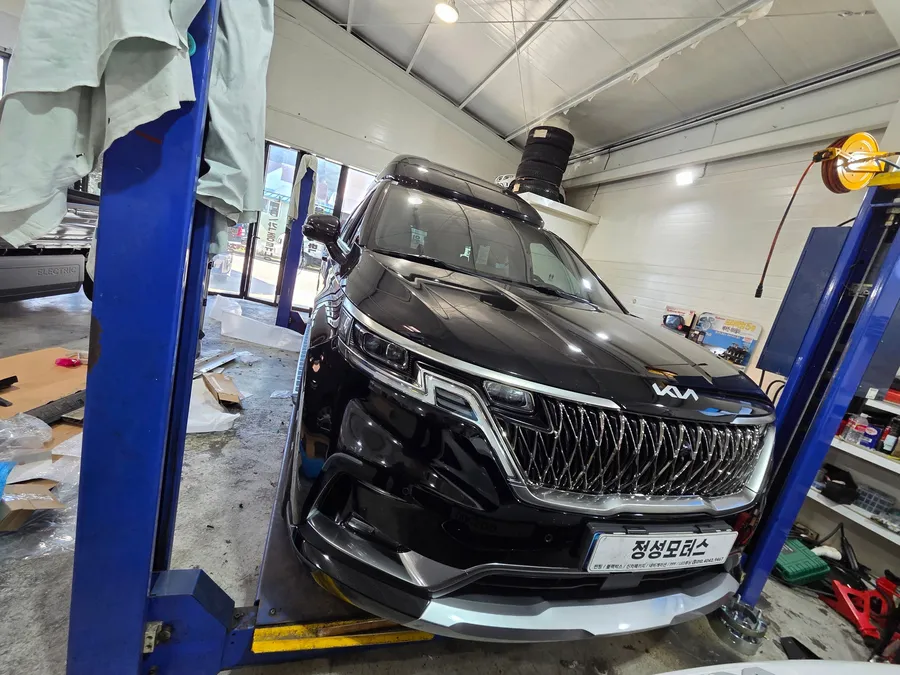
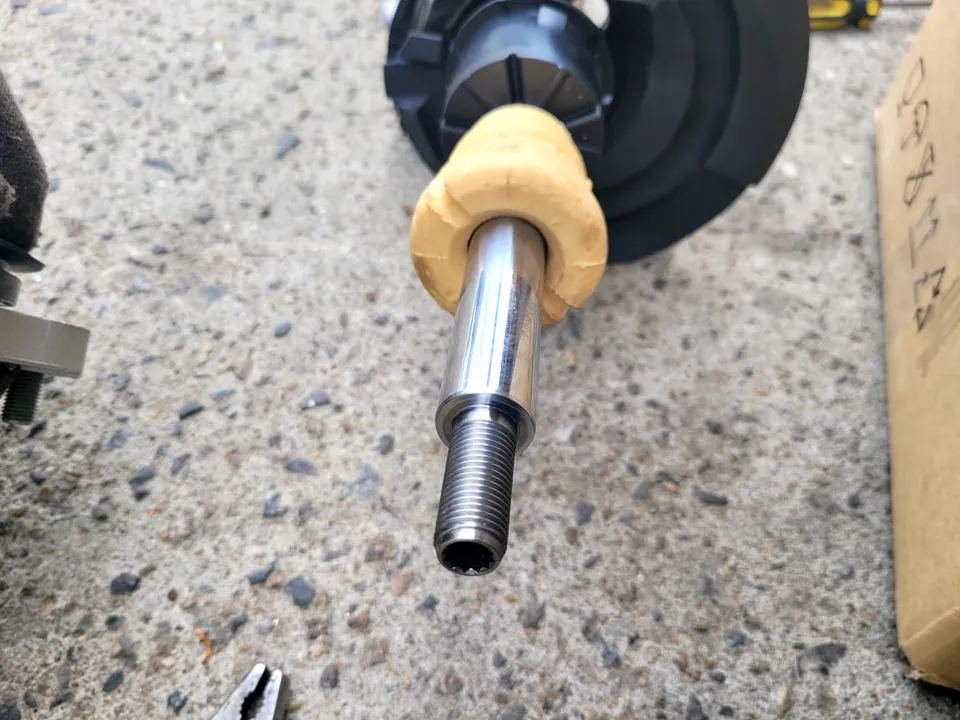
The process involved removing the existing Neotech coilovers and reinstalling the original Kia Stinger Meister shock absorbers and springs. This procedure requires careful handling of suspension components and ensuring all connections are secure.
- Removal of the aftermarket coilover suspension system.
- Installation of the original factory shock absorbers and springs.
- Verification of all mounting points and connections.
- Testing of the vehicle's sensors and ADAS features to confirm resolution of intermittent warnings.
Following the reinstallation of the stock suspension, the intermittent warnings related to the front sensors and forward collision alert ceased, confirming that the aftermarket coilovers were the cause of the issue. This return to the original setup restored the vehicle's intended safety features and provided a more predictable driving experience, free from electronic interference.
Frequently Asked Questions
Q. How much does Performance Upgrade cost for a Kia Stinger Meister?
The cost for this specific performance upgrade, which involved reverting to stock suspension, is not explicitly stated in Korean Won. However, typical suspension upgrades in the US can range from $800 to $3,000 depending on the components chosen.
Q. How long does Performance Upgrade last on a Kia Stinger Meister?
The longevity of a performance upgrade depends heavily on the quality of the parts and driving conditions. For suspension components, regular checks for leaks or wear are recommended, typically every 15,000-20,000 miles.
Q. Is Performance Upgrade worth it for a Kia Stinger Meister?
Performance upgrades are most beneficial for drivers seeking a more engaging driving experience or improved handling. For the Kia Stinger Meister, if the goal is to resolve ADAS sensor issues caused by aftermarket suspension, returning to stock is the most valuable solution.
Q. How is Performance Upgrade done on a Kia Stinger Meister?
This specific upgrade involved removing aftermarket coilovers and reinstalling the original factory shock absorbers and springs. The process includes careful disassembly of the old suspension, precise installation of the new components, and thorough testing of all related vehicle systems.
Q. What is the best Performance Upgrade option for a Kia Stinger Meister?
The best performance upgrade option depends on your goals; for resolving sensor issues caused by aftermarket suspension, returning to the stock setup is ideal. If enhanced handling without electronic interference is desired, consult with a specialist for compatible performance suspension systems.
OhCar Partner Shop