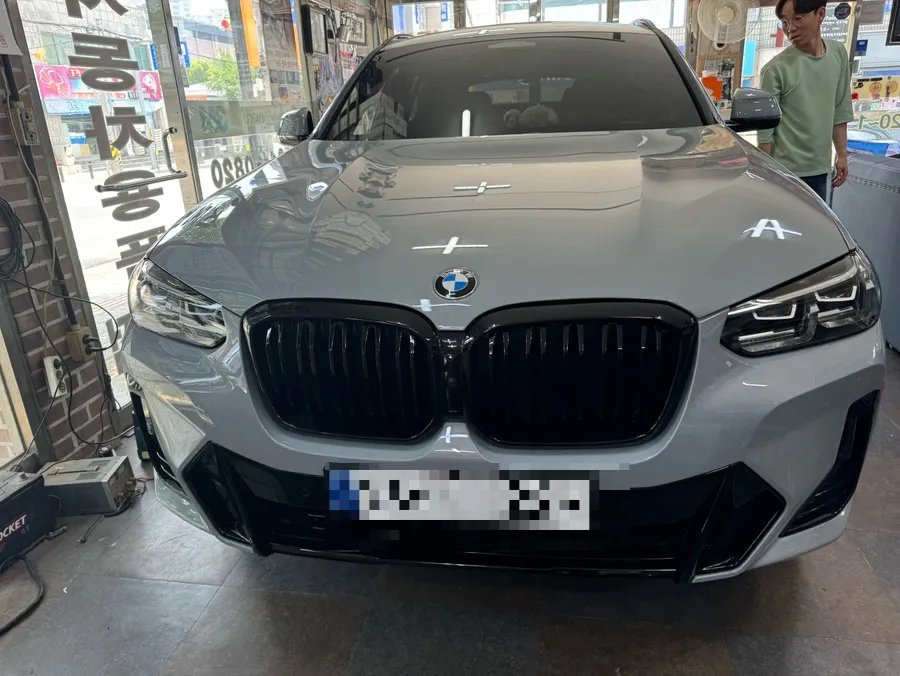
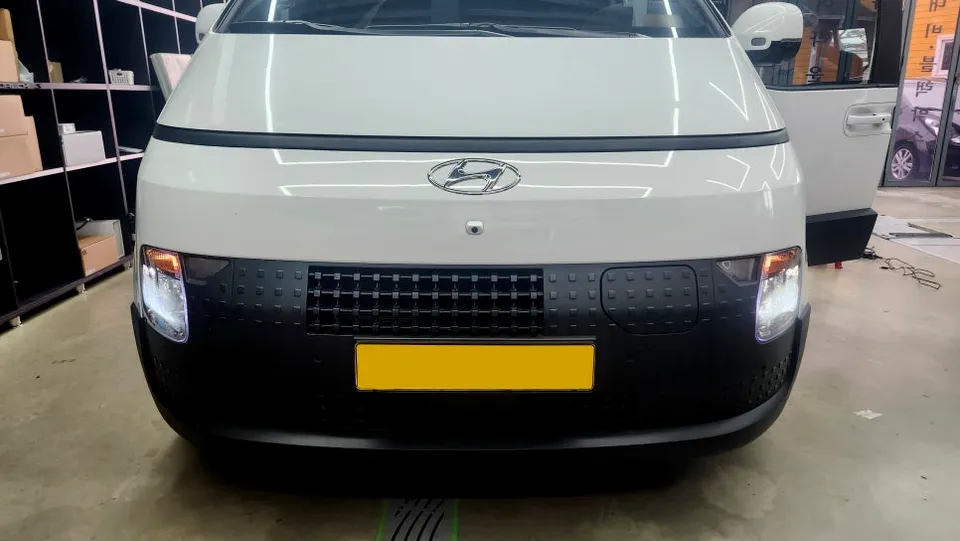
BMW X6 Dash Cam Installation Review: Cost & Results
Service Price
$40–80
Estimated price · Actual price may vary by shop

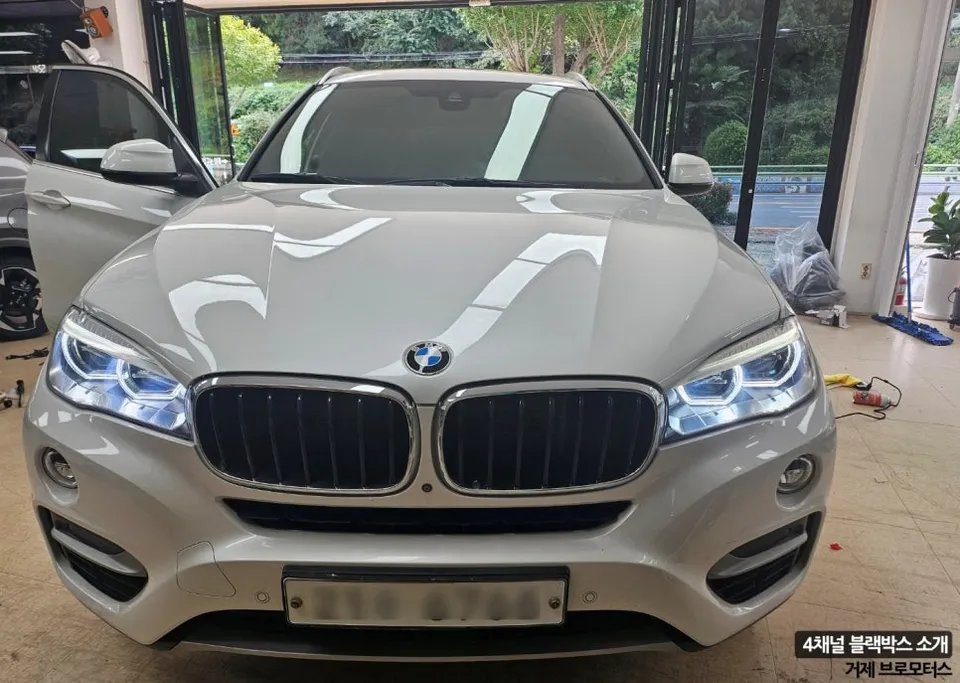
4-channel dash cam installation on BMW X6: Approx. $380-$600. Provides comprehensive recording for enhanced safety.
Enhancing Your BMW X6 with a 4-Channel Dash Cam
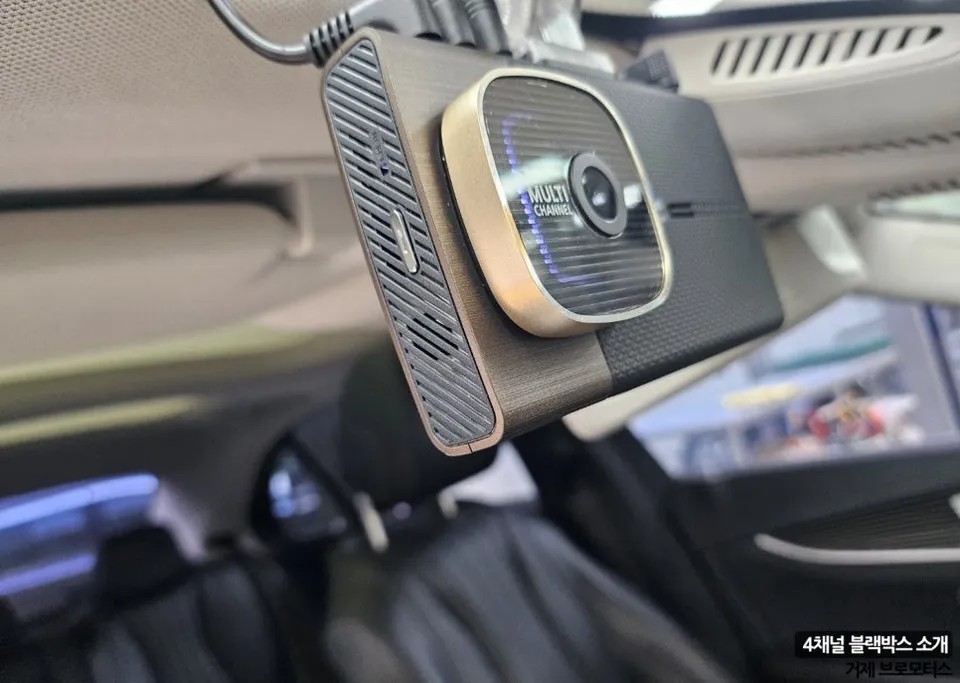
For discerning BMW X6 owners who prioritize vehicle safety and evidence preservation, a high-quality dash cam is an essential upgrade. This review delves into the installation of a 4-channel dash cam system, specifically the i-Navi QXD Megaplus, on a BMW X6, detailing the process, benefits, and considerations. While this particular installation took place in South Korea, the insights into the technology and its value are universally applicable to car owners in the US and UK.
Why a 4-Channel Dash Cam is Crucial
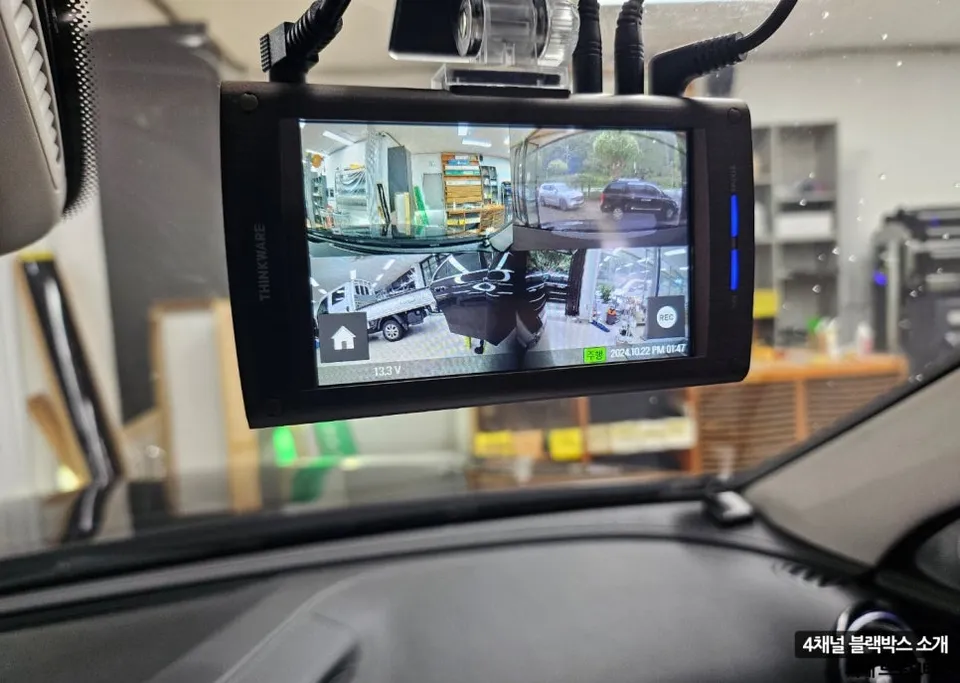
In today's driving environment, the need for comprehensive recording is paramount. A standard 2-channel dash cam captures front and rear views, but a 4-channel system goes further by including cameras for the left and right sides. This expanded coverage minimizes blind spots, ensuring that any incident, whether a collision or a parking mishap, is recorded from multiple angles. The i-Navi QXD Megaplus, featured here, offers full HD resolution across all channels, providing clear and detailed footage. The side cameras are strategically placed with a wide 115-degree field of view to capture crucial lateral movements without obstructing the driver's view.
Installation Process and Considerations
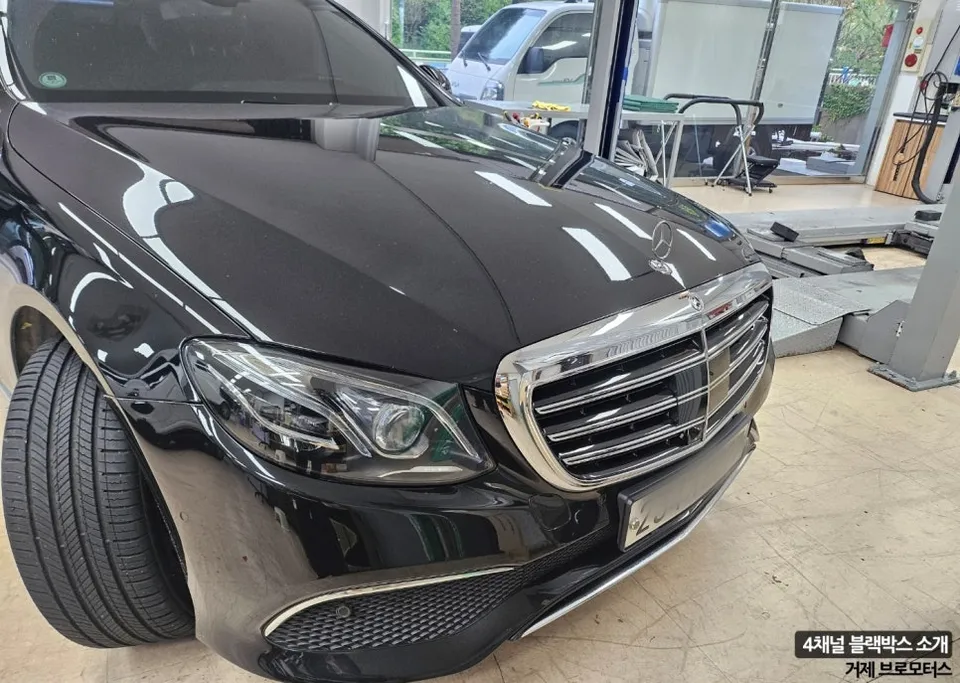
Professional dash cam installation, especially for a multi-channel system like this, ensures optimal performance and a clean aesthetic. The process typically involves careful routing of wires to avoid interference with vehicle electronics and to maintain the car's interior appearance. For a 4-channel system, this includes mounting the front, rear, and two side cameras, followed by connecting them to the main unit and the vehicle's power source. Hardwiring the dash cam, often referred to as dashcam hardwire, is recommended for continuous recording, particularly for parking mode functionality. This process connects the dash cam directly to the car's battery, often through a fuse tap, allowing it to operate even when the engine is off. However, this increased power draw means a supplementary power source, such as a dash cam battery pack or power bank, is often necessary to prevent draining the car's main battery. This is especially relevant for features like parking mode dashcam, which keeps the camera recording while the vehicle is unattended. The installation of the i-Navi QXD Megaplus on the BMW X6 and a Mercedes E-Class took approximately 3-4 hours, including the installation of a power bank.
Installation process:
- Camera Placement: Securely mount the front, rear, and two side cameras in optimal positions for maximum coverage, ensuring they are level and unobtrusive.
- Wiring: Carefully route all camera cables and the main power cable through the vehicle's interior trim, connecting them to the central unit.
- Power Connection: Hardwire the dash cam to the vehicle's fuse box for continuous power, or connect it to a dedicated dash cam battery pack.
- Testing: Power on the system and verify that all cameras are recording correctly and that the parking mode features are functioning as expected.
Durability, Maintenance, and Value
The durability of a dash cam system depends on the quality of the components and the professional installation. A well-installed unit should withstand daily driving conditions, including temperature fluctuations. Regular maintenance typically involves cleaning the camera lenses and ensuring the memory card is functioning correctly. The value proposition of a 4-channel dash cam lies in its comprehensive protection. While the initial cost might be higher than a basic 2-channel unit, the enhanced security and detailed evidence it provides in case of an incident can offer significant peace of mind and financial savings in the long run, especially when dealing with insurance claims or legal disputes. The cost for a 4-channel dash cam installation, including a power bank, can range from approximately 500,000 to 800,000 Korean Won (roughly $380-$600 USD), depending on the specific product and installation location.
Frequently Asked Questions
Q. How much does dash cam installation cost for a BMW X6?
The installation of a 4-channel dash cam system, including a power bank, on a BMW X6 can range from approximately 500,000 to 800,000 Korean Won (roughly $380-$600 USD). Typical professional dash cam installation costs in the US can range from $40-$80 for simpler setups, but multi-channel systems with hardwiring and battery packs will be significantly more.
Q. How long does dash cam installation take on a BMW X6?
Professional installation for a 4-channel dash cam system, including a power bank, typically takes around 3 to 4 hours. To ensure longevity, regularly clean the dash cam lenses and check the memory card for any errors or corruption.
Q. Is a hardwired dash cam worth it over a self-install for a BMW X6?
A hardwired dash cam is highly recommended for its ability to provide continuous power for parking mode, which is often difficult to achieve with a simple plug-in installation. The value lies in the reliable, uninterrupted recording it offers, providing crucial evidence for any incident, day or night.
Q. How is a dash cam professionally installed on a BMW X6?
Professional installation involves securely mounting all cameras (front, rear, and sides), carefully routing wires through the vehicle's trim for a clean look, and hardwiring the unit to the car's power source or a dedicated battery pack. Finally, the system is tested to ensure all recording and parking modes function correctly.
Q. What is the difference between a 1-channel and 2-channel dash cam for a BMW X6?
A 1-channel dash cam records only the front view, while a 2-channel dash cam records both the front and rear views. For comprehensive protection against blind spot incidents and side impacts, a 4-channel dash cam is recommended.
OhCar Partner Shop