Kia Stinger Front Bumper PPF Review — Insurance Claim Re-install
Service Price
$150+
Estimated price · Actual price may vary by shop

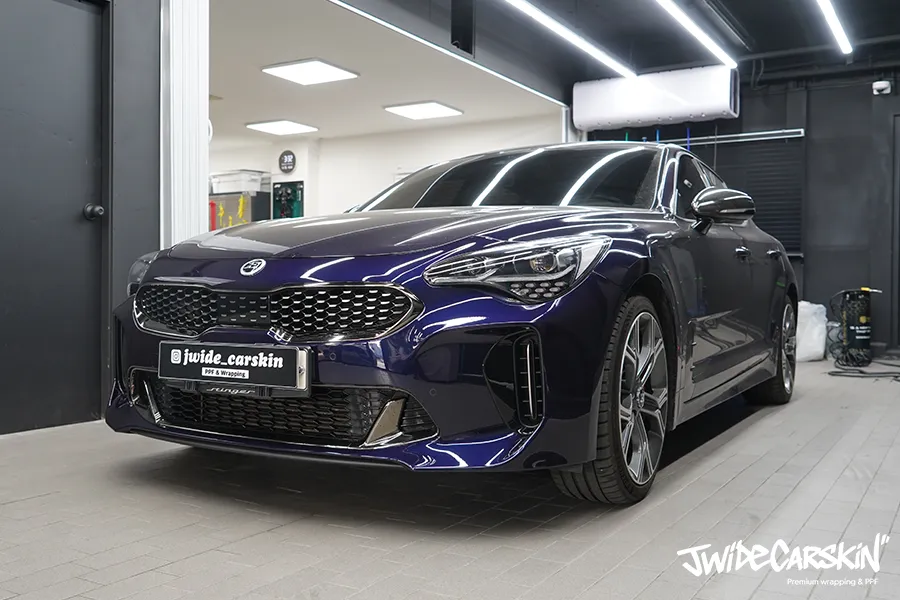
Why is Front Bumper PPF Essential for a Kia Stinger?
The Kia Stinger, with its low-slung and wide front-end design, is particularly susceptible to paint damage from road debris and minor impacts. Driving on highways often means encountering kicked-up gravel, and parking lot encounters can easily lead to scratches. The real frustration comes when the cost of repainting these damages starts to accumulate rapidly. It's a common pain point for Stinger owners.
A smart solution many Stinger owners opt for is partial PPF (Paint Protection Film) on the front bumper. This involves applying a protective film specifically to the areas most prone to damage. In this review, we'll detail a real-world case handled by Today's Car in Suwon, explaining why Stinger front bumper PPF is crucial and how insurance claims can be processed for it.
Can PPF Truly Prevent Front Bumper Damage?
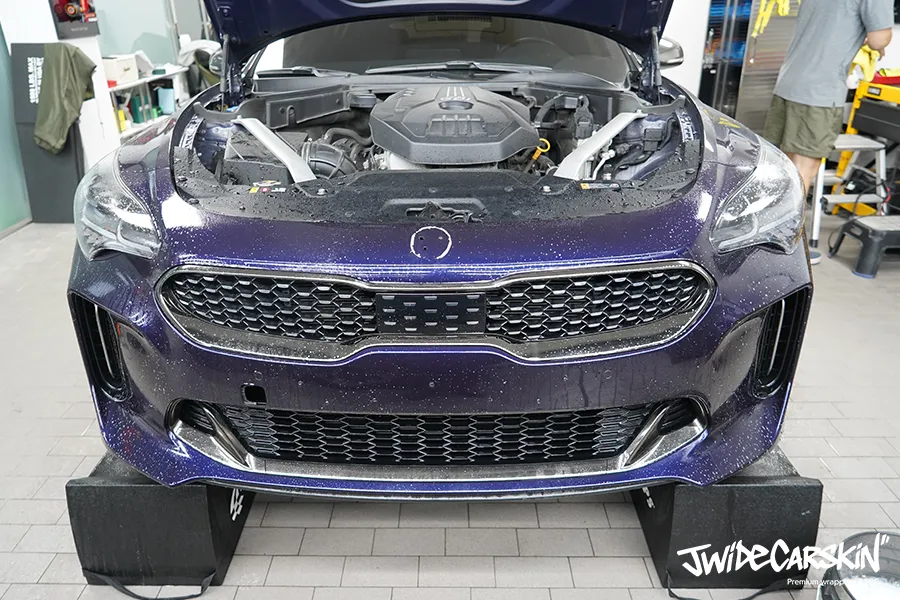
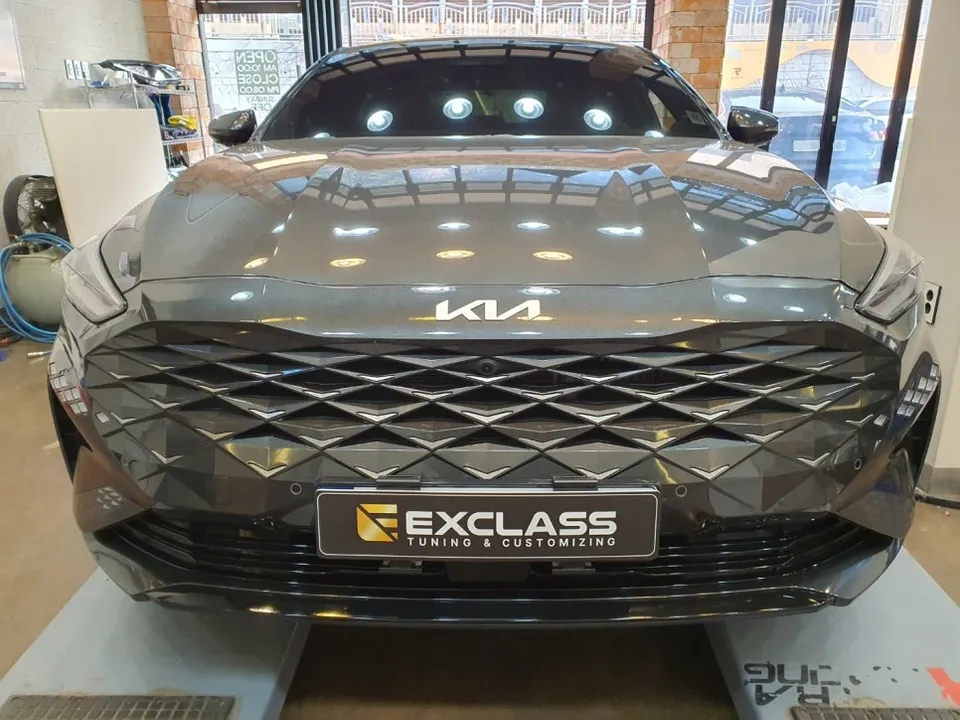
The Stinger featured in this case had already received a front bumper PPF installation. However, a recent driving incident caused damage to the bumper, which in turn compromised the existing film and necessitated bumper repair. This is precisely where PPF demonstrates its value. Without the film, the damage to the paintwork would have been significantly more severe.
PPF vs. Repainting: What's the Difference?
Repainting is a 'repair,' while PPF is 'prevention.' Restoring damaged paintwork through repainting is fundamentally different from applying a transparent protective film beforehand. The key advantages of PPF include:
First, its Self-Healing capability. High-quality PPF films react to sunlight or warm water, causing minor scratches to disappear naturally over time. Even small scuffs acquired during washing can vanish. This is something conventional repainting cannot achieve.
Second, Yellowing Resistance. Paintwork can discolor when exposed to UV rays, especially darker colors like black. PPF incorporates UV inhibitors to maintain the original color for over five years.
Third, Chemical Contamination Protection. Bug splatter, tar, iron particles, and acid rain can all damage paint. PPF acts as a sacrificial layer, absorbing these contaminants before they reach the original paint.
In contrast, repainting only addresses damage after it occurs and offers no future protection. This is the core distinction.
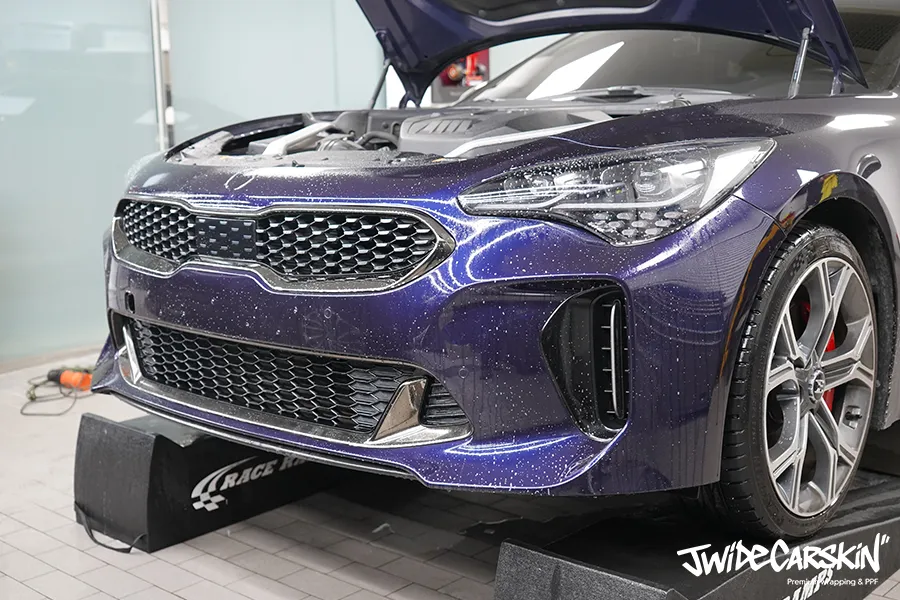
Installation Process:
- Thorough Cleaning: The process begins with meticulous cleaning of the bumper surface to remove all oil, iron particles, and microscopic dust. Proper adhesion depends on a pristine surface; skipping this step can lead to lifting or peeling later.
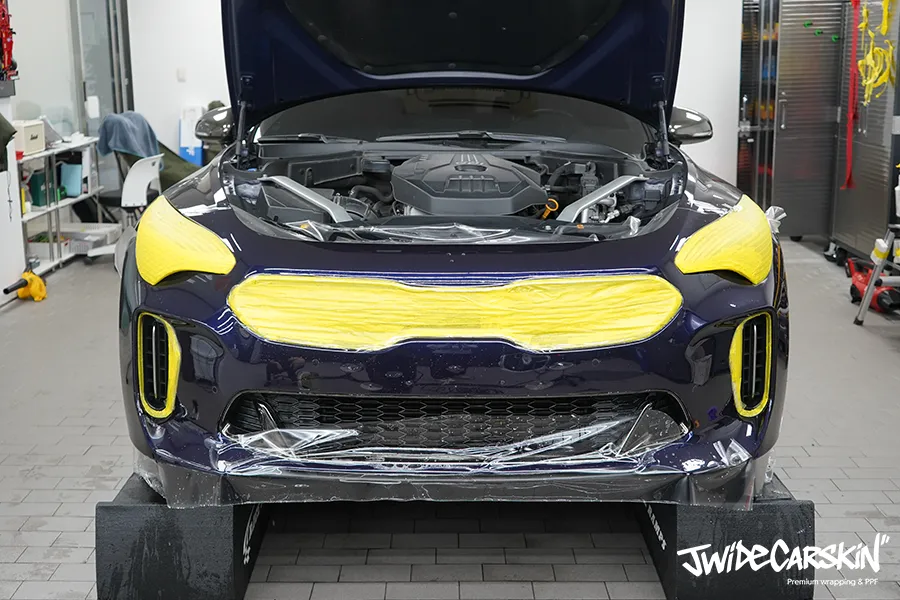
- Precise Cutting: The PPF is then cut to precisely match the bumper's dimensions. Professional installations often use a single, large piece of film for each section to avoid visible seams and prevent dirt accumulation.
- Skilled Application: Applying the film to the Stinger's complex curves requires significant expertise. The installer carefully applies the film, managing tension to prevent air bubbles and ensure a smooth finish.
- Heat Curing: Post-application, precise heat treatment is essential. Using a heat gun, the film is gently warmed to conform perfectly to the bumper's contours, ensuring long-term adhesion and preventing future lifting.
The final result is a seamless integration of the film with the bumper, making it difficult to discern that a protective layer is even present. This high level of finish is characteristic of professional PPF installations.
OhCar Partner Shop
More ppf Reviews
See all →

More Kia Reviews

Pair with Another Service
Complete your new car protection package