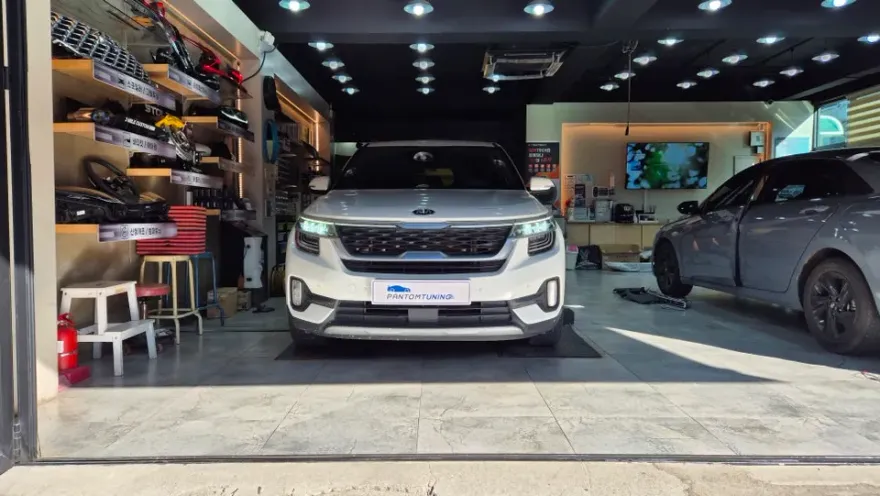
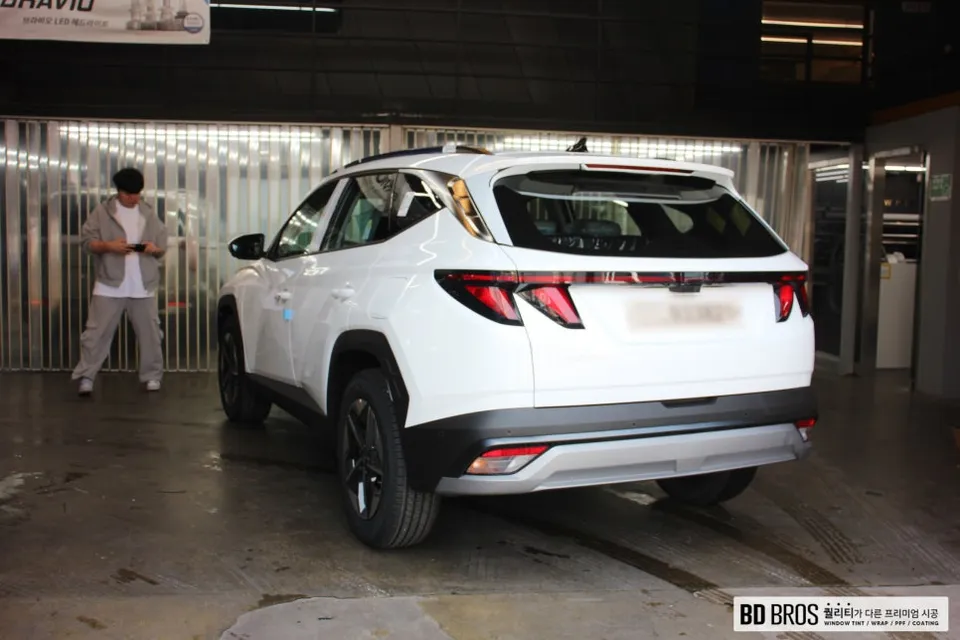
Kia Tucson Seat Climate Upgrade Review

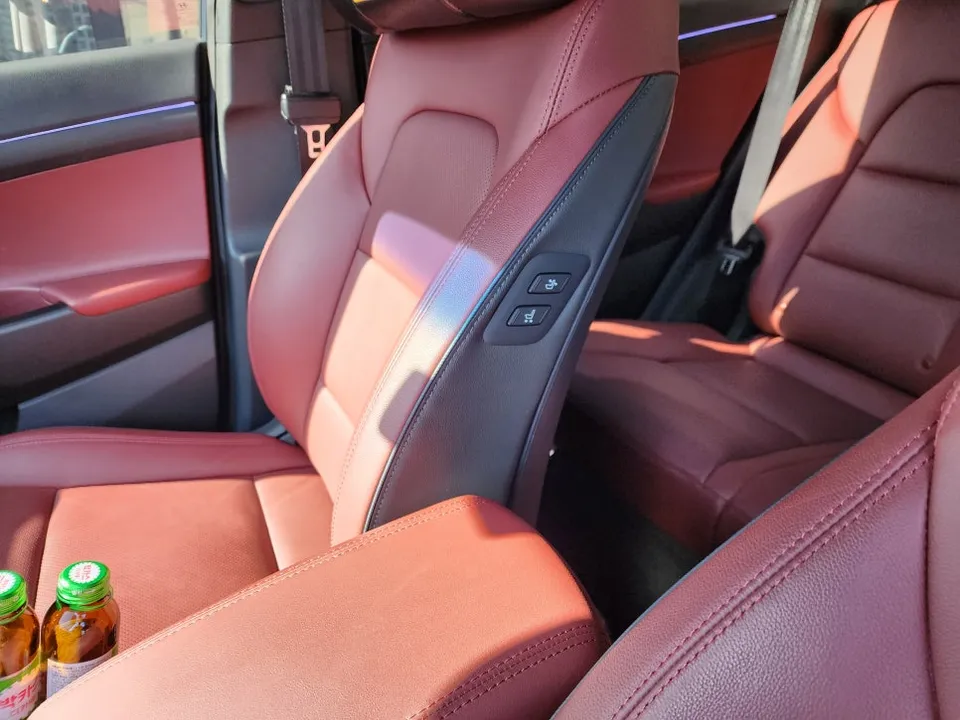
Kia Tucson seat climate upgrade with K9 switch offers ventilation and heating. Cost varies, installation takes 2-3 hours. Enhances comfort significant
Kia Tucson Seat Ventilation & Heating Upgrade
Enhancing your driving experience in a Kia Tucson can go beyond just the infotainment system. For many owners, particularly those in diverse climates or who frequently carry passengers, adding seat ventilation and heating offers a significant comfort boost. This review delves into the specifics of retrofitting these features, often referred to as a 'seat climate upgrade,' focusing on the installation process, potential benefits, and overall value for your Tucson.
Understanding Seat Climate Retrofits
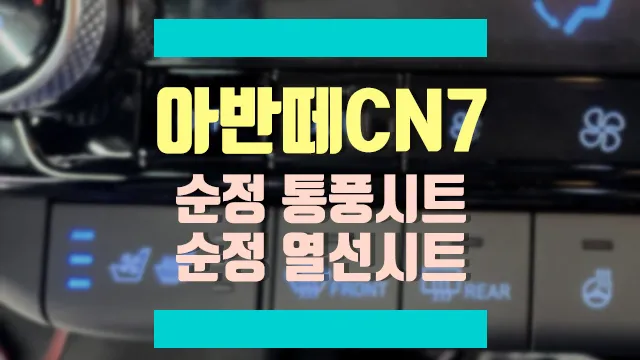
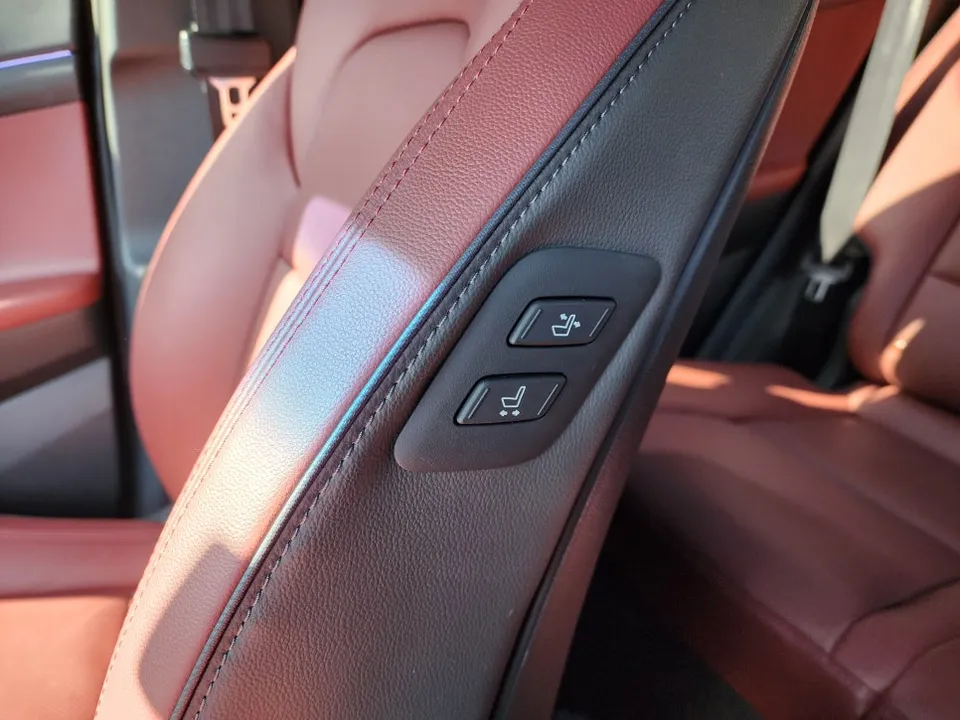
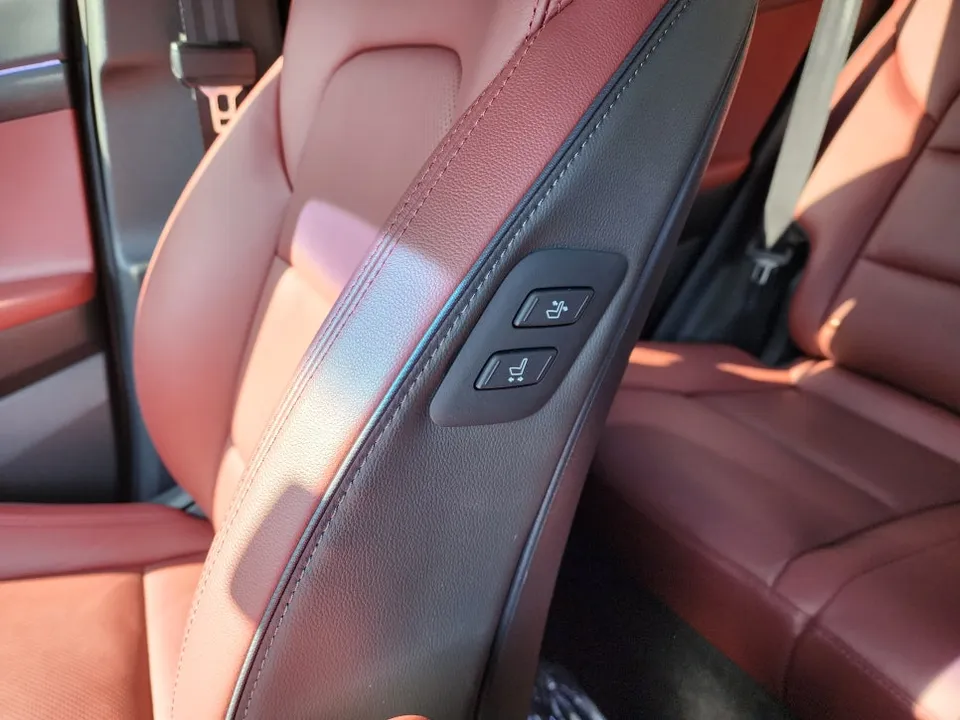
The concept of seat ventilation and heating retrofits involves integrating systems that can either cool or warm the seat surfaces. While many modern vehicles offer these as factory options, older models or specific trims might not. This is where aftermarket solutions come into play. For the Kia Tucson, a popular upgrade involves using components like the K9 switch, which allows for sophisticated control over seat functions. This isn't just about basic heating; it can include advanced features like automatic sliding for easier passenger access and recline adjustments for enhanced comfort, especially for rear passengers or those with mobility issues. The Korean context for this upgrade often highlights the convenience for families with children or elderly passengers, allowing the front passenger to easily adjust the driver's seat for more legroom or a better resting position.
Installation Process and Results
The installation of a seat ventilation and heating system, particularly when using a K9 switch for advanced controls, is a specialized process. It typically involves:
- Disassembling the seat to access the internal structure and wiring.
- Integrating the ventilation fans and heating elements beneath the seat upholstery.
- Wiring the new components to the vehicle's electrical system and the control switch.
- Testing all functions to ensure proper operation, including integration with existing seat controls if applicable.
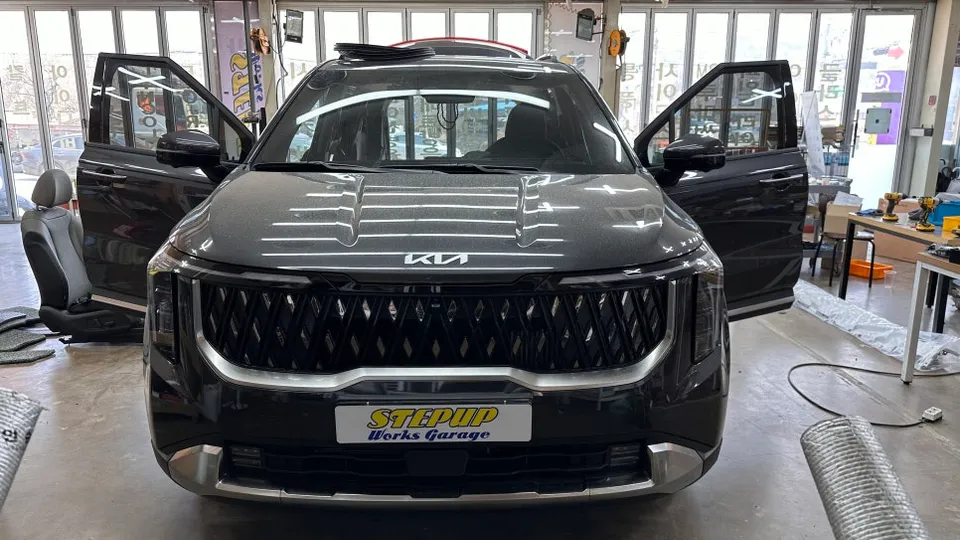
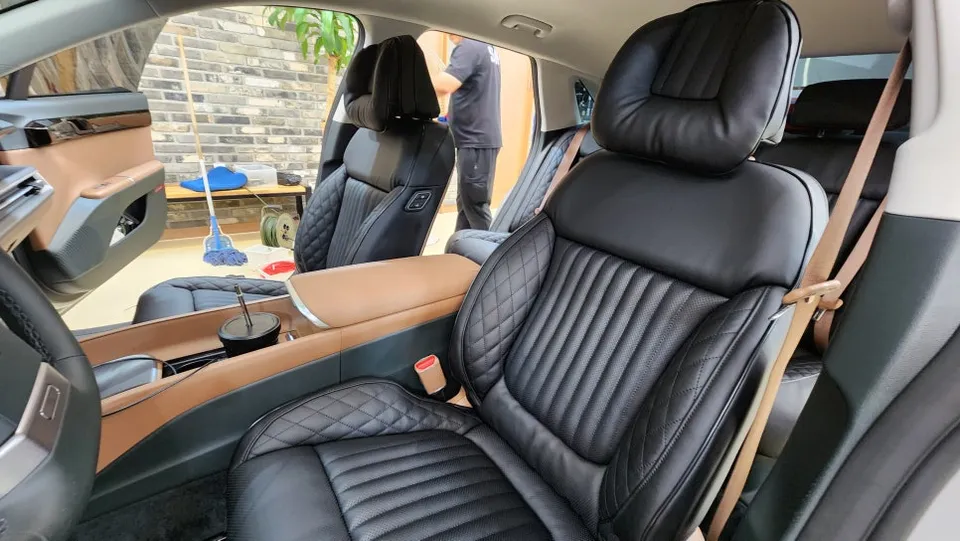
The 'before and after' results are significant. Before the upgrade, you have standard seating. After installation, you gain the ability to actively manage seat temperature for both cooling and heating. The K9 switch integration, as seen in installations on models like the Kia Tucson in Korea, allows for intuitive control, often mimicking premium vehicle functions. This means you can achieve a comfortable seating environment regardless of external weather conditions. For those experiencing back pain, the ability to fine-tune the seat's recline and position can be a substantial benefit, turning long drives into more comfortable journeys. The durability of these systems depends heavily on the quality of the components and the skill of the installer. Reputable shops often use high-quality parts and offer warranties, ensuring the system lasts for years with proper care. Maintenance is usually minimal, often involving keeping the seat vents clear of debris.
Is a Seat Climate Upgrade Worth It for Your Kia Tucson?
Deciding whether to invest in a seat ventilation and heating retrofit for your Kia Tucson depends on your priorities. If you frequently experience hot or cold weather and find your standard seats uncomfortable, the added comfort can be invaluable. The convenience features, such as the automatic sliding and recline adjustments enabled by advanced switches like the K9, add another layer of practicality, especially for families. The cost of such an upgrade can vary, but in Korea, these installations are often quoted in Korean Won, with prices potentially ranging from the equivalent of a few hundred to over a thousand US dollars, depending on the complexity and components used. It's crucial to get a detailed quote after a vehicle inspection. While the initial seat cost might seem high, the long-term benefits in comfort and convenience can make it a worthwhile investment for many Kia Tucson owners. Always consult with experienced installers who can provide clear pricing and warranty information for your specific vehicle and desired features.

Frequently Asked Questions
Q. How much does ventilated seat installation cost for a Kia Tucson?
The cost for this specific K9 switch seat climate upgrade in Korea can vary, but similar aftermarket ventilated seat installations in the US typically range from $500 to $1500 per seat.
Q. How long does seat ventilation installation take on a Kia Tucson?
This type of seat climate upgrade typically takes about 2 to 3 hours to complete. Proper maintenance involves ensuring the seat vents remain clear of debris.
Q. Are aftermarket ventilated seats worth it for a Kia Tucson?
Aftermarket ventilated and heated seats are most beneficial for drivers who frequently experience extreme temperatures or prioritize passenger comfort. The enhanced convenience and climate control can significantly improve the driving experience.
Q. How are ventilated seats installed in a Kia Tucson?
Installation involves disassembling the seat to integrate fans and heating elements, wiring them to the vehicle's power, and installing a control switch. The process typically includes surface preparation, component integration, and thorough testing.
Q. What is the difference between OEM and aftermarket ventilated seats for a Kia Tucson?
OEM seats are factory-integrated with consistent quality control, while aftermarket options offer more customization and potentially lower costs but depend heavily on installer expertise. For enhanced control features like those from the K9 switch, aftermarket is often the only route.
Q. What should I know before getting Seat Ventilation & Heating on a Kia Tucson? (common regrets and mistakes)
The most common regret is not opting for higher-quality components or a more experienced installer, leading to premature failure. Always research installers and ask about warranties to avoid this.
OhCar Partner Shop