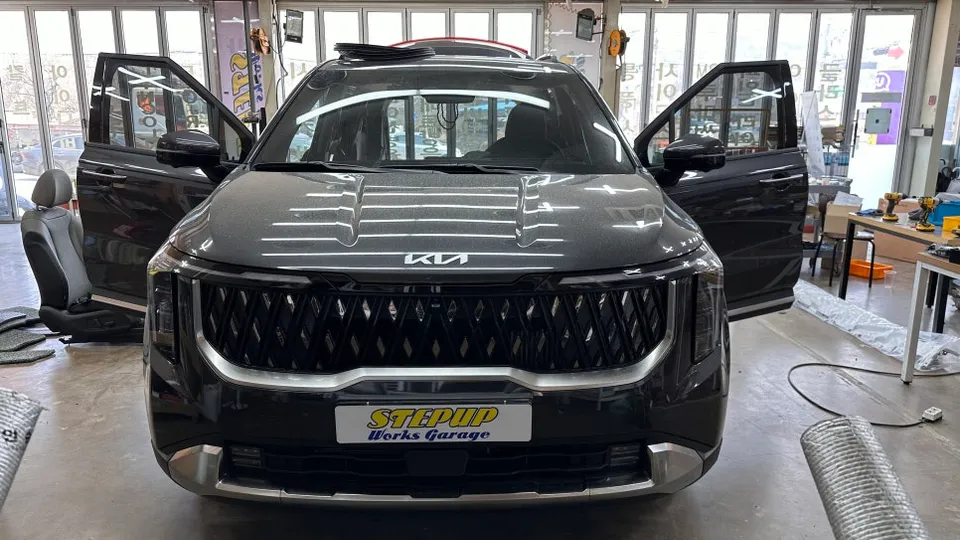
Volkswagen ID.4 Seat Climate Upgrade Review
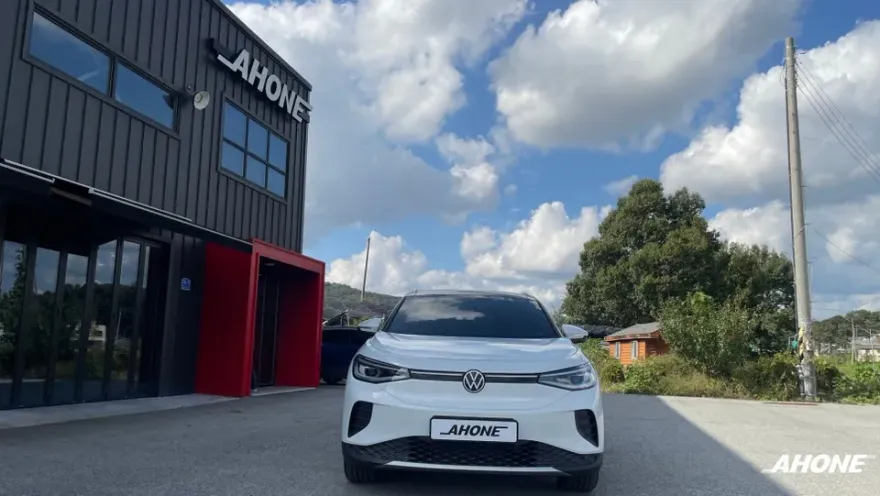
Volkswagen ID.4 Seat Climate Upgrade: Approx. ₩580,000-₩700,000 (USD $420-$510). Adds heating/cooling for enhanced comfort.
Enhancing Your Volkswagen ID.4 Experience
The Volkswagen ID.4 is a compelling electric vehicle, but some owners find certain comfort features lacking in the stock configuration. While it excels in quiet operation and electric performance, areas like rear seat heating and convenient window controls can leave drivers wanting more. This review delves into a popular upgrade: retrofitting Seat Ventilation & Heating systems to the Volkswagen ID.4, aiming to significantly boost interior comfort and convenience. We'll explore the installation process, expected results, durability, and whether this upgrade is a worthwhile investment for your ID.4.
Seat Ventilation & Heating: What to Expect
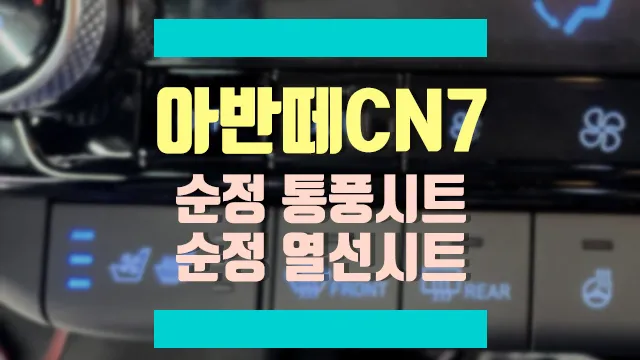
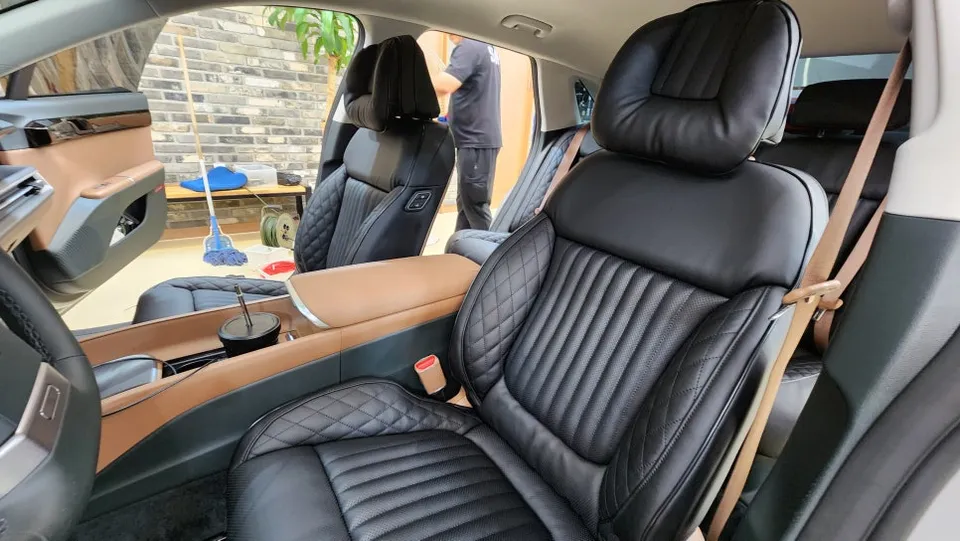
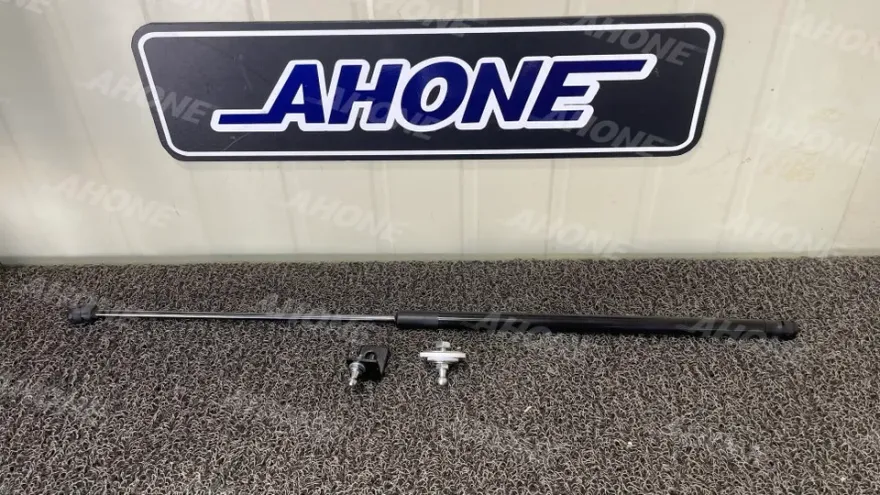
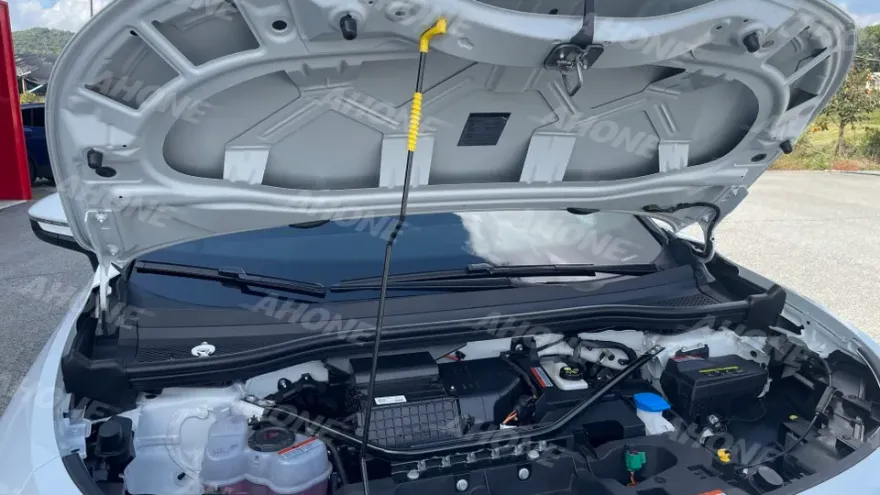
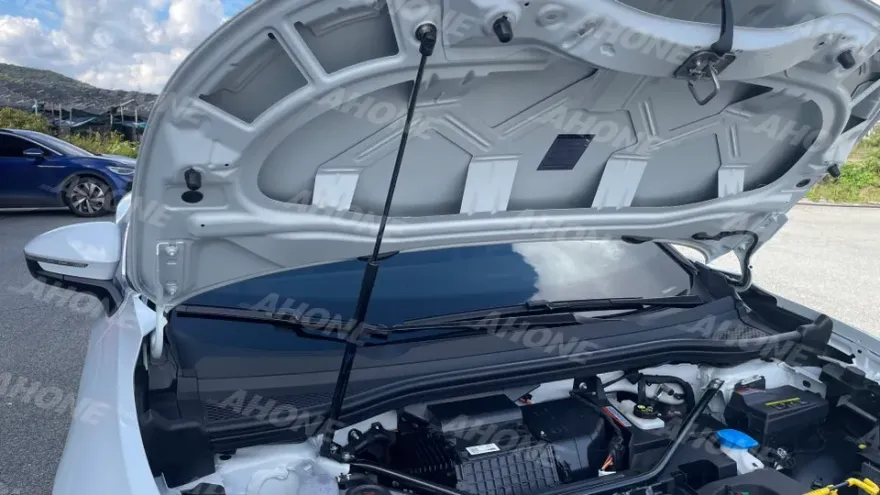
This upgrade focuses on adding climate control functionality to your vehicle's seats, specifically addressing the need for both cooling and heating. In many markets, the ID.4 comes without rear seat heating and can benefit from enhanced front seat climate control. The process involves integrating specialized heating elements and ventilation systems into the seat upholstery. This isn't just about adding warmth in winter; it's about creating a perfectly comfortable cabin environment year-round. The goal is to achieve a factory-like integration, ensuring seamless operation and a clean aesthetic. The original Korean context details upgrades including rear heated seats, a 4-button window switch, and a hood strut system, all contributing to a more premium feel and enhanced usability. While this review focuses on seat climate, the underlying principle of improving convenience features is consistent.
Installation Process and Results
The installation of Seat Ventilation & Heating systems, while detailed, can be broken down into key stages. The process requires careful handling of upholstery and electrical systems to ensure a factory-quality finish and reliable operation. Based on the provided context, similar upgrades in Korea are performed with attention to detail and safety.
- Seat Disassembly: The seat covers are carefully removed to access the internal structure.
- Component Integration: Heating elements and ventilation fans/ducts are precisely installed within the seat foam and upholstery.
- Wiring: Electrical connections are made, often integrating with the vehicle's existing power and control systems for a seamless look and function. This includes using original wiring harnesses where possible to maintain safety and warranty integrity.
- Control Integration: Switches or control modules are installed, allowing the user to adjust temperature and fan speed. In the ID.4 context, this often involves integration with the central infotainment screen for climate adjustments.
- Reassembly and Testing: Seats are reassembled, and all functions are thoroughly tested to ensure proper operation and comfort.
Before and After: The most noticeable difference is the ability to control seat temperature. In hot weather, the ventilation provides a cooling effect, preventing discomfort. During colder months, the heating elements offer rapid and consistent warmth. The integration aims to be so thorough that it feels like a factory option. The original context mentions that for 2025 models, rear seat heating can be controlled via the center monitor, and the driver can activate it remotely, highlighting the convenience achieved through such upgrades. Durability is expected to be high, akin to factory-installed systems, with proper installation and quality components. Maintenance typically involves keeping the seat surfaces clean and ensuring ventilation intakes are free of debris.
Frequently Asked Questions
Q. How much does ventilated seat installation cost for a Volkswagen ID.4?
In Korea, rear heated seat installation typically ranges from approximately ₩580,000 to ₩700,000 (around $420-$510 USD). For ventilated seats, expect a similar or slightly higher cost depending on the specific system and installation complexity.
Q. How long does seat ventilation installation take on a Volkswagen ID.4?
While the original context mentions rear heated seat installation taking 2-3 hours, full seat ventilation system installation can take longer, potentially 3-5 hours or more per seat depending on complexity. Durability is generally high, similar to factory options, with minimal maintenance required beyond keeping vents clear.
Q. Are aftermarket ventilated seats worth it for a Volkswagen ID.4?
Yes, ventilated seats are worth it for ID.4 owners seeking enhanced comfort, especially in warmer climates or during long drives. The value proposition lies in significantly improving the driving and passenger experience, making the vehicle more enjoyable year-round.
Q. How are ventilated seats installed in a Volkswagen ID.4?
Installation involves carefully disassembling the seat, integrating ventilation fans and ducting within the seat structure, connecting the electrical system, and installing user controls, often linked to the infotainment screen. The process prioritizes a clean, factory-like integration.
Q. What is the difference between OEM and aftermarket ventilated seats for a Volkswagen ID.4?
OEM (Original Equipment Manufacturer) ventilated seats are designed and installed by the car manufacturer, offering perfect integration. Aftermarket installations, like the ones described in Korea, aim to replicate this functionality using high-quality components and professional installation, often providing similar comfort and performance at a potentially lower cost.
Q. What should I know before getting Seat Ventilation & Heating on a Volkswagen ID.4? (common regrets and mistakes)
The most common regret is not opting for a system with reliable, user-friendly controls, often integrated into the infotainment screen. To avoid this, ensure the installer uses quality components and provides seamless integration, ideally mirroring factory controls.
OhCar Partner Shop