Maserati Quattroporte OEM Options Review: Cost & Results
Service Price
$150+
Estimated price · Actual price may vary by shop
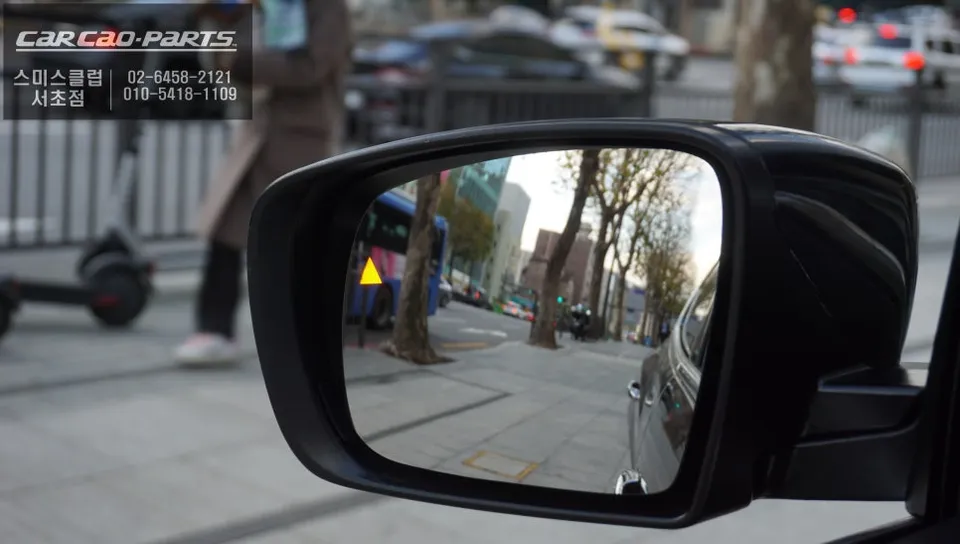
Maserati Quattroporte blind-spot sensors: Approx. $1500-$2500. Enhances safety with visual/audible alerts.
Enhancing Your Maserati Quattroporte with OEM Options
Blind spots are a significant safety concern for any driver, and they can be particularly perilous when changing lanes. Even in a luxury sedan like the Maserati Quattroporte, essential safety features like blind-spot monitoring aren't always standard. Fortunately, you can enhance your vehicle's safety through aftermarket retrofits that mimic factory options. This review details the installation, effectiveness, and cost of adding these crucial safety upgrades, focusing on the S-RADAR blind-spot sensor system.
Understanding Blind-Spot Sensor Technology
The effectiveness of blind-spot sensors largely depends on their type. Traditional ultrasonic sensors often require drilling holes into the bumper, which can compromise the vehicle's aesthetics. In contrast, the S-RADAR system offers a cleaner installation by embedding sensors within the bumper's interior. When an object approaches your blind spot, the sensors detect it, triggering visual alerts on the dashboard and audible warnings. The primary benefit is gaining crucial reaction time during lane changes, significantly reducing the risk of collisions.
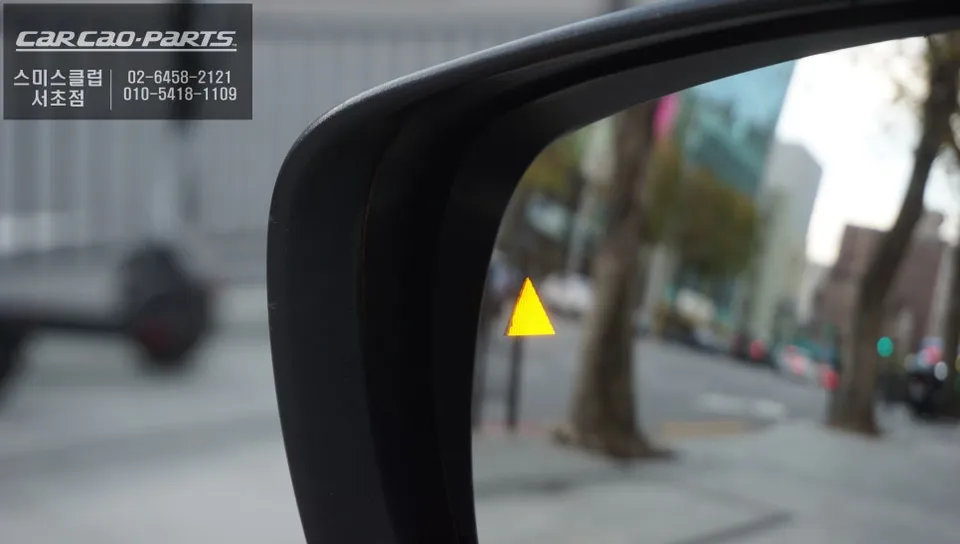
S-RADAR vs. Ultrasonic Sensors: Key Differences
The S-RADAR system boasts several advantages over conventional ultrasonic sensors. Its primary installation benefit is that it mounts internally, preserving the car's exterior integrity – no drilling is required. Ultrasonic systems, however, necessitate drilling holes in the bumper, which are irreversible. Furthermore, S-RADAR is designed to detect only moving objects, ignoring stationary items like guardrails or walls. This intelligent filtering minimizes false alerts, reducing driver stress and ensuring warnings are relevant to actual hazards. Another key feature is its speed-sync functionality. By connecting to the car's OBD2 port, the S-RADAR system automatically deactivates below 15 km/h (approx. 9 mph), mirroring the logic of factory-installed systems and preventing unnecessary warnings during low-speed maneuvers. This intelligent filtering is a significant advantage over GPS-based systems that lack such sophisticated hazard assessment.
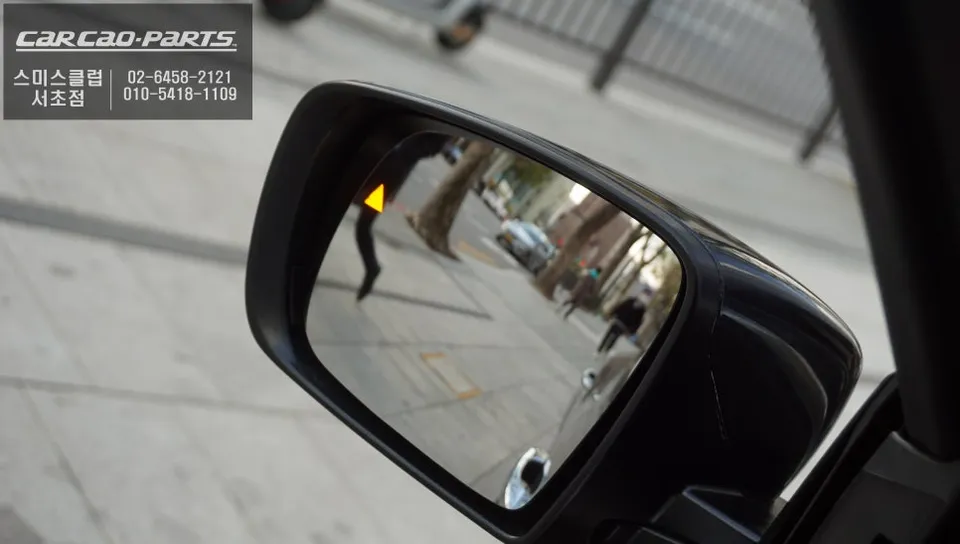
Visual Enhancement with Wide-Angle Mirrors
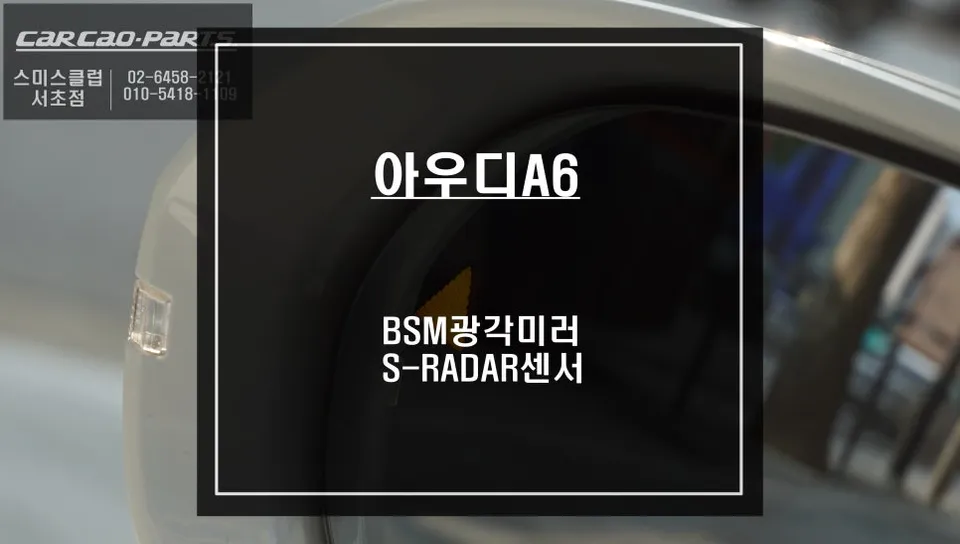
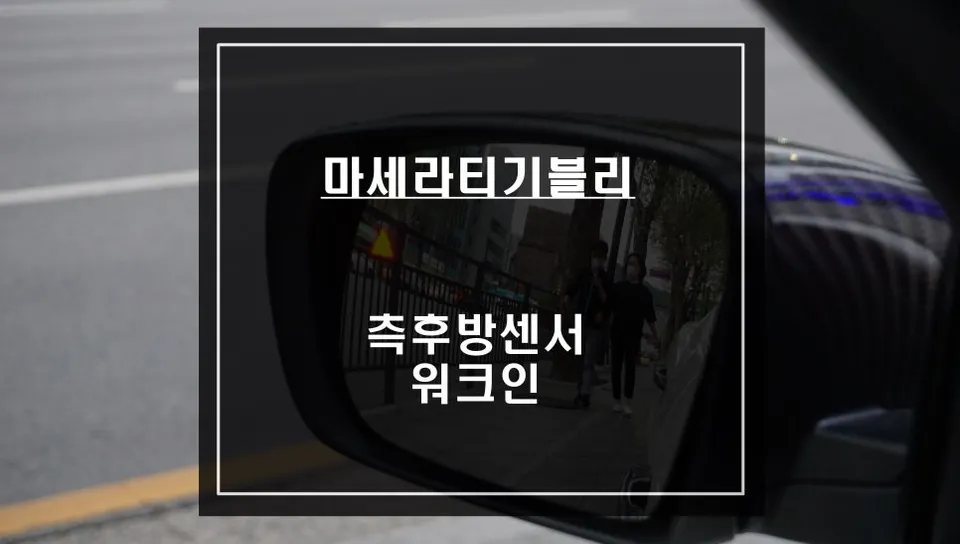
Complementing the blind-spot sensors, the mirror is also upgraded. The factory mirrors are removed and replaced with specialized wide-angle mirrors, often featuring a subtle triangular marking indicating sensor integration. These mirrors offer a significantly broader field of vision (around 40 degrees wider) than standard mirrors, visually reducing blind spots. When paired with the blind-spot sensors, this creates a robust dual-layer safety system.
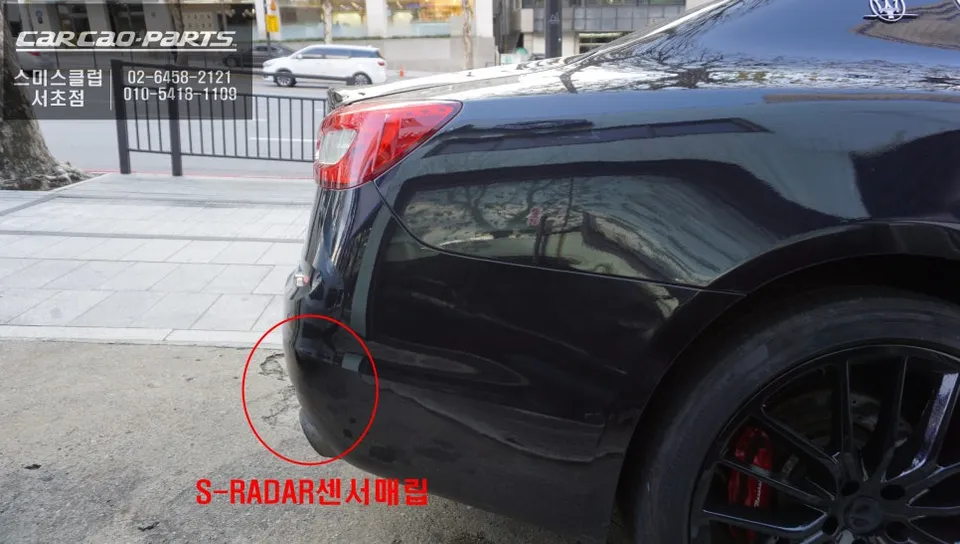
The Installation Process for OEM Options
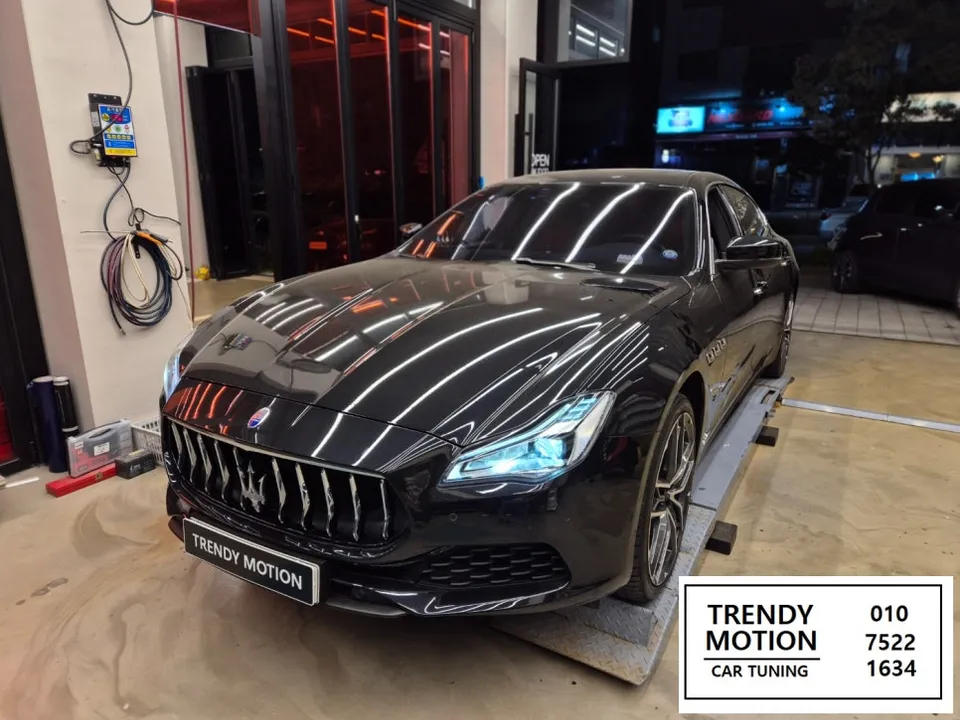
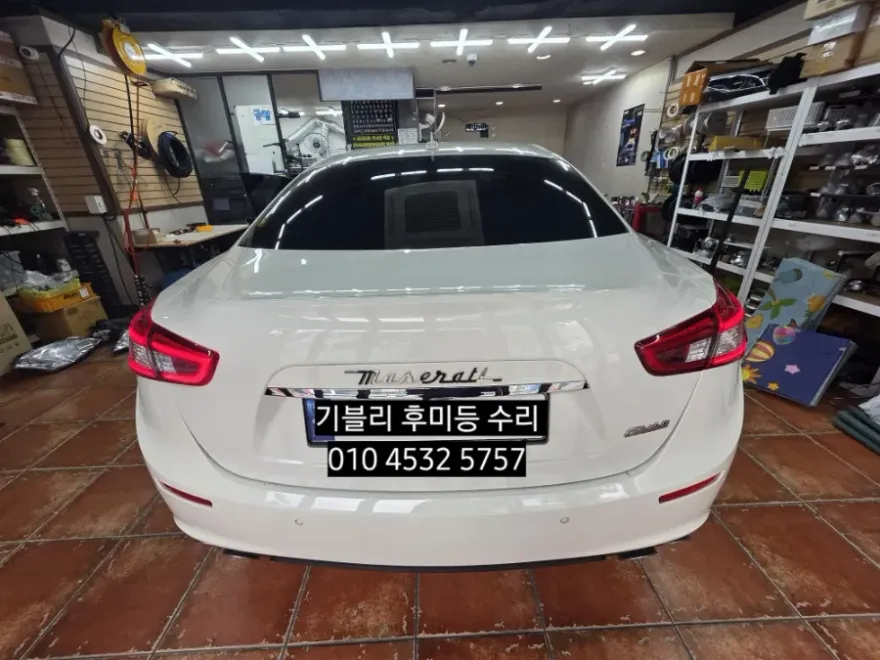
Installation typically begins with carefully removing the rear bumper of the Maserati Quattroporte. This step requires meticulous handling of existing wiring and precise routing for the new sensor harnesses. The S-RADAR sensors are then expertly embedded into the interior of the bumper. Accurate placement is critical for optimal detection range and reliability, relying on specific vehicle installation data. The mirror replacement involves gently detaching the original mirrors and fitting the new wide-angle units, connecting the sensor cables simultaneously. Finally, the system is activated via the car's dashboard settings, followed by a test drive to confirm correct operation. The entire process usually takes about 2 to 3 hours.
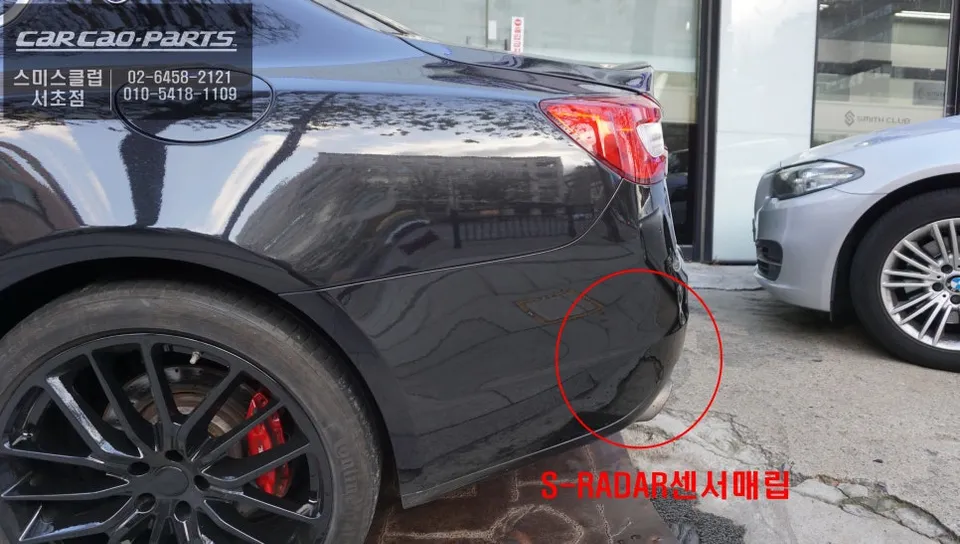
Cost of OEM Option Retrofits
The cost for installing blind-spot sensors and wide-angle mirrors varies based on the sensor type and mirror quality. In Korea, systems like S-RADAR, including the wide-angle mirror upgrade, typically range from 2,000,000 to 3,300,000 KRW (approximately $1500 - $2500 USD, though exchange rates fluctuate). While this represents a significant investment, the substantial reduction in risk associated with blind-spot accidents makes it a worthwhile safety expenditure, especially for a premium vehicle like the Quattroporte.
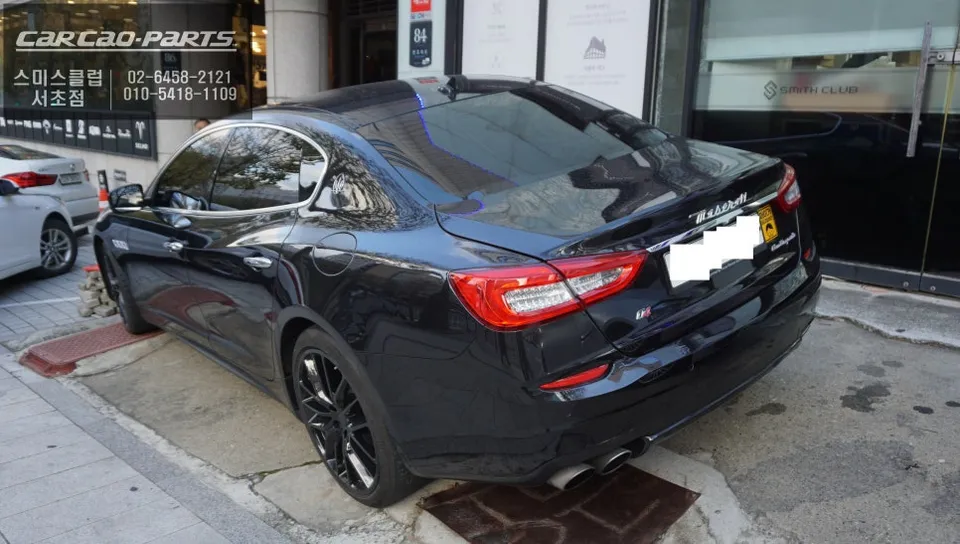
Frequently Asked Questions
Q. How much does OEM option and factory upgrade installation cost for a Maserati Quattroporte?
In Korea, retrofitting OEM-style blind-spot sensors and wide-angle mirrors for a Maserati Quattroporte typically costs between 2,000,000 and 3,300,000 KRW (approx. $1500-$2500 USD). US pricing for similar dealer-installed options can vary widely but often falls within a similar or higher range.
Q. How long does OEM options installation take on a Maserati Quattroporte?
The installation of blind-spot sensors and wide-angle mirrors on a Maserati Quattroporte generally takes 2 to 3 hours to complete. Proper maintenance involves ensuring the sensors remain clean and unobstructed by debris for optimal performance.
Q. Are OEM options worth adding after purchase for a Maserati Quattroporte?
Adding OEM-style blind-spot sensors is highly recommended for Maserati Quattroporte owners seeking to mitigate the risks of blind-spot accidents. The investment significantly enhances safety, providing peace of mind during lane changes.
Q. How are OEM factory options installed on a Maserati Quattroporte?
Installation involves removing the rear bumper, embedding S-RADAR sensors internally, replacing side mirrors with wide-angle units, and connecting the wiring. The system is then activated via the car's settings and verified with a test drive.
Q. What is the difference between dealer-installed options and aftermarket upgrades for a Maserati Quattroporte?
Dealer-installed options are typically genuine factory parts installed by the dealership, often at a higher cost but with guaranteed integration. Aftermarket upgrades, like the S-RADAR system described, aim to replicate factory functionality using specialized components, offering a balance of performance and cost-effectiveness.
Kakao Parts