Mercedes-Benz CLS350 Blind Spot Assist Review
Service Price
$115–150
Estimated price · Actual price may vary by shop
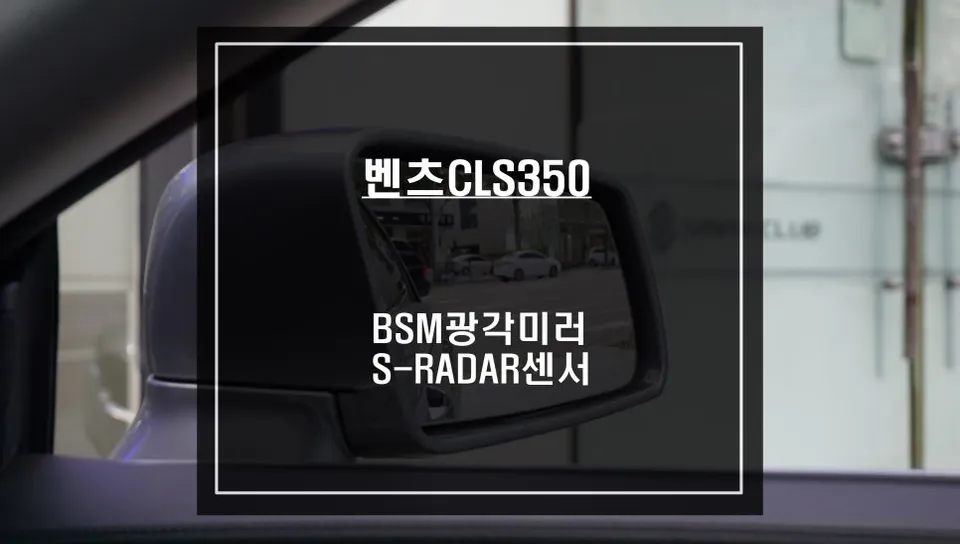
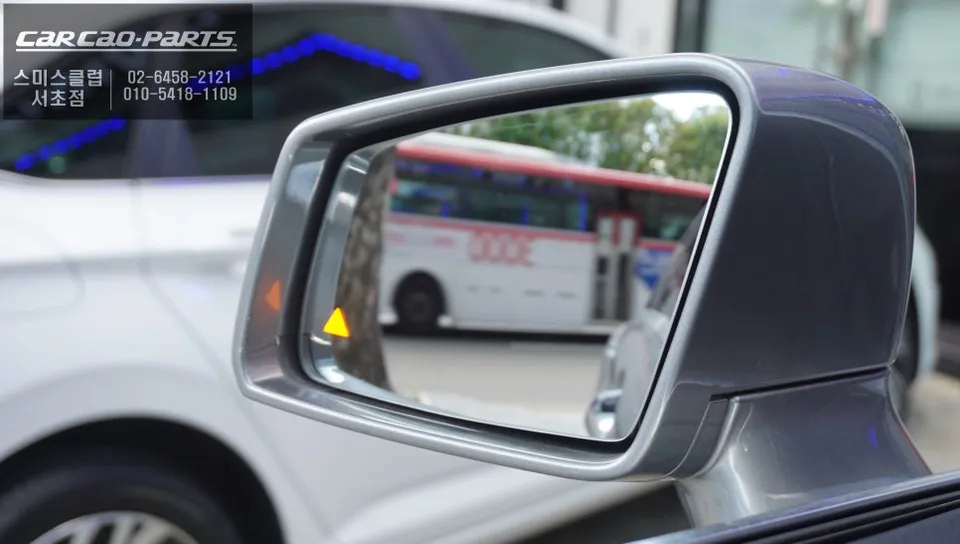
Mercedes-Benz CLS350 blind spot assist installation: ₩1,000,000-₩1,400,000. Enhances safety by detecting vehicles in blind spots.
Why Your Mercedes-Benz CLS350 Needs Blind Spot Assist
The Mercedes-Benz CLS350 is renowned for its elegant design, featuring a long wheelbase and a low roofline. While aesthetically pleasing, this design can lead to significant blind spots, particularly on the sides. Unlike many vehicles with larger windows, the CLS350's sleek profile limits the driver's field of vision through the mirrors. This makes it easy to miss vehicles in adjacent lanes, posing a risk during lane changes, especially at highway speeds. To address this common concern, many CLS350 owners opt for installing blind spot sensors.
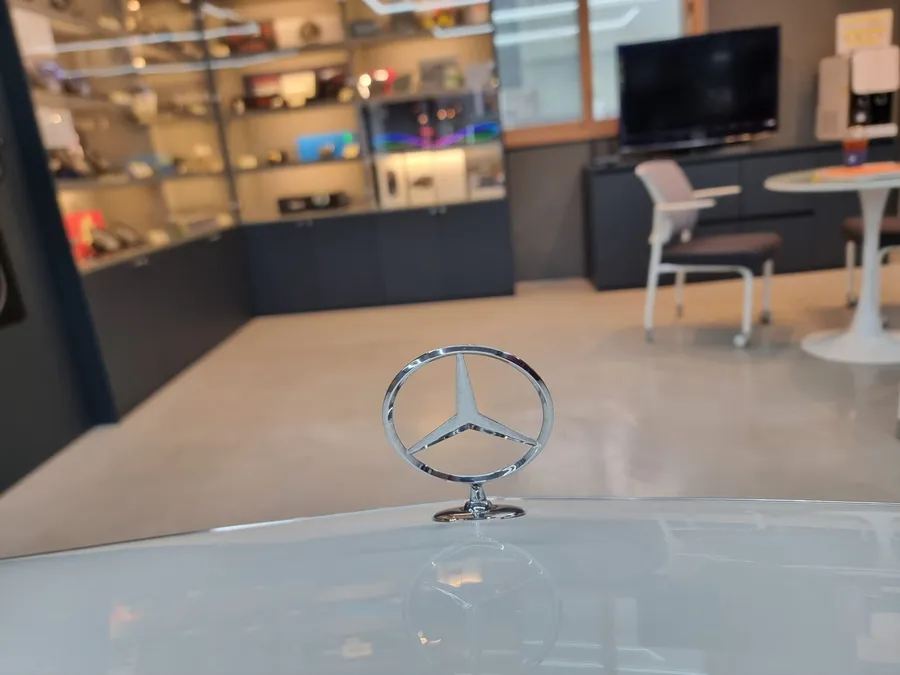
One CLS350 owner, seeking enhanced driving safety and peace of mind, decided to upgrade their vehicle with a blind spot monitoring system. This review details the installation of this crucial safety feature, along with a Bluetooth receiver, at the "Today's Car" Seocho branch.
Understanding Blind Spot Sensor Systems
A comprehensive blind spot system typically consists of two main components: wide-angle mirrors and sensor modules. In this CLS350 installation, the system utilized wide-angle mirrors designed to replace the factory mirrors, seamlessly integrating sensor indicator lights. The sensors themselves were discreetly mounted inside the rear bumper, avoiding any exterior modifications.
The wide-angle mirrors are not just ordinary replacements; they feature a small triangular marking on the surface. This marking serves as the housing for the integrated sensor lights. When a vehicle is detected in the blind spot, these lights illuminate, often flashing red, providing an intuitive and effective visual warning to the driver, especially noticeable during nighttime driving.
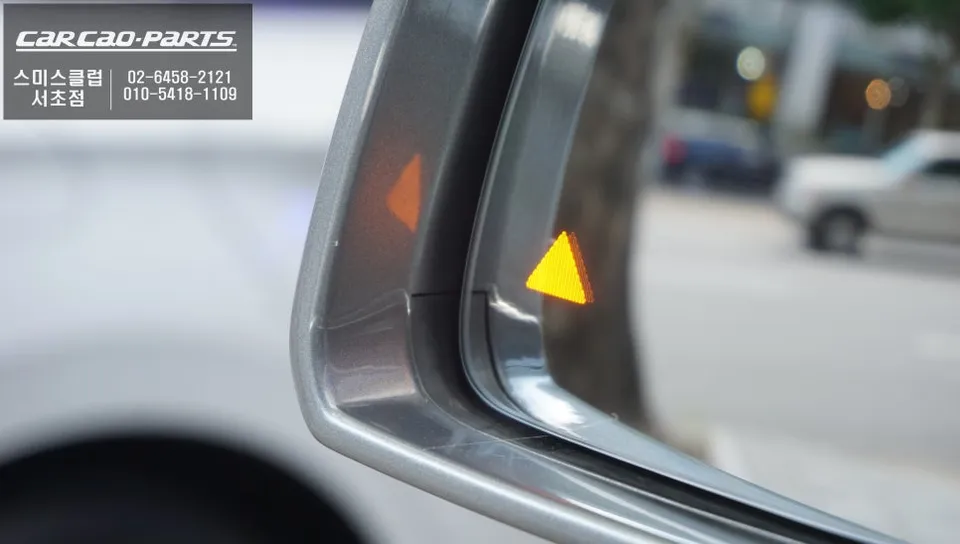
The Core Technology: S-RADAR Sensors
The heart of this blind spot system is the S-RADAR sensor. This advanced sensor is installed internally within the rear bumper, meaning no drilling or external modifications are required, preserving the vehicle's aesthetic integrity. The S-RADAR's primary advantage is its ability to detect only moving objects, effectively filtering out stationary items like traffic lights to prevent false alarms. With a detection range of 5-7 meters, it provides ample warning time for approaching vehicles on highways.
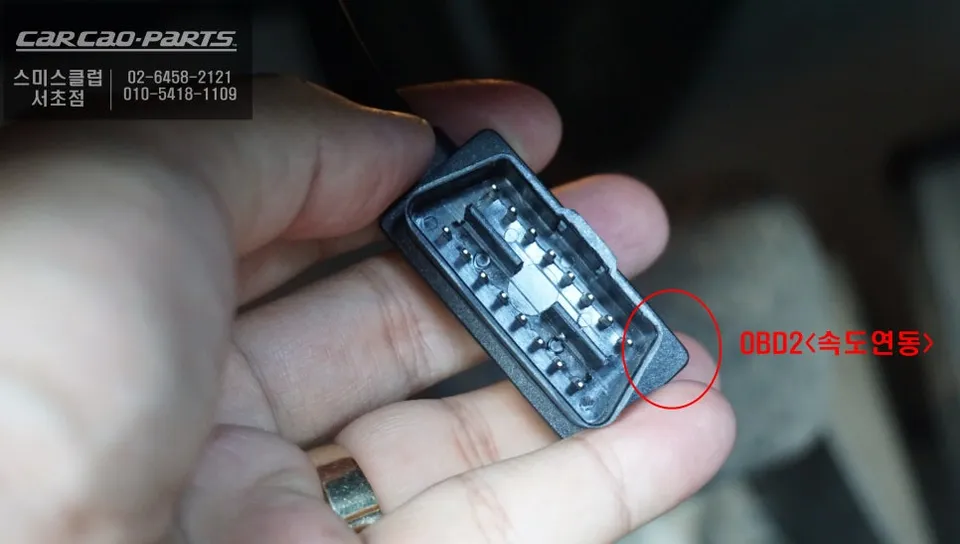
Remarkably, the S-RADAR sensor intelligently integrates with the vehicle's systems. It receives speed signals from the OBD2 port, allowing it to automatically activate when the car is in motion and deactivate when stationary, mimicking the behavior of a factory-installed option.
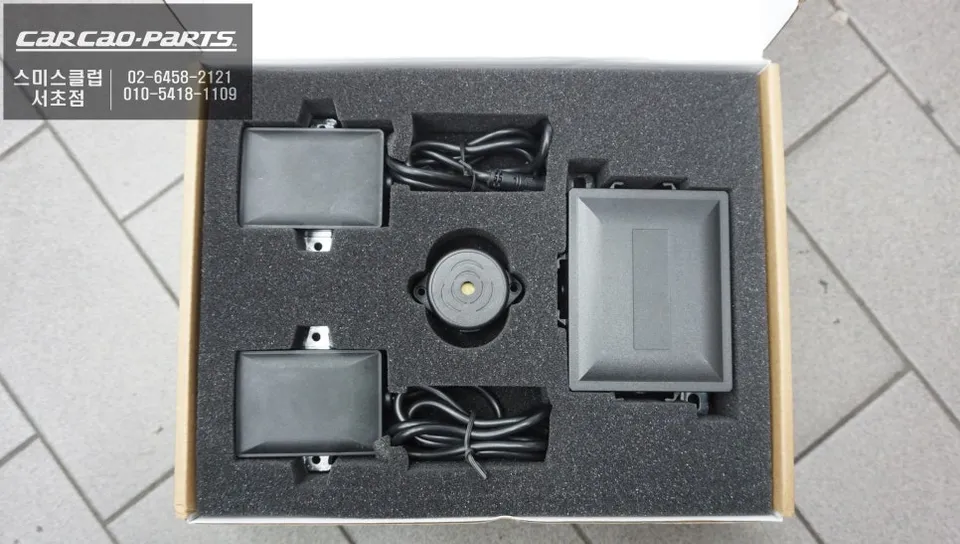
Installation Process:
- Mirror Replacement: The process begins with carefully removing the original side mirrors. The internal wiring is meticulously disconnected before the new wide-angle mirrors, equipped with integrated sensor lights, are installed. This step typically takes about an hour, requiring careful handling of the complex wiring for features like heating and lighting found in luxury vehicle mirrors.
- Sensor Mounting: The rear bumper is partially disassembled to allow for the internal mounting of the S-RADAR sensors. All wiring is routed discreetly within the bumper and vehicle chassis, ensuring no visible alterations to the exterior. This phase usually takes around two hours.
- System Integration and Testing: Finally, the sensors, mirrors, and OBD2 connection are linked. The system undergoes thorough testing, including driving tests to verify sensor detection range, audible warning volume, and indicator light brightness. Settings are then customized to the owner's preferences. The entire blind spot sensor installation process typically takes 3-4 hours.

Cost of Blind Spot Assist for Mercedes-Benz CLS350
The cost for installing a blind spot monitoring system can vary based on the specific vehicle model and the chosen product grade. For the Mercedes-Benz CLS350, the components include wide-angle mirrors (approximately ₩400,000 - ₩600,000) and the S-RADAR sensor module (approximately ₩300,000 - ₩500,000). The installation labor typically adds around ₩300,000. Therefore, the total estimated cost for this comprehensive blind spot safety upgrade ranges from ₩1,000,000 to ₩1,400,000 (Korean Won).
Frequently Asked Questions
Q. How much does blind spot assist cost for a Mercedes-Benz CLS350?
For a Mercedes-Benz CLS350, the blind spot assist system typically costs between ₩1,000,000 and ₩1,400,000 (Korean Won). In the US, similar aftermarket blind spot systems can range from $500 to $1500 depending on the features and installation.
Q. How long does blind spot assist last on a Mercedes-Benz CLS350?
The S-RADAR sensors and integrated mirror components are designed for long-term durability, often lasting the lifetime of the vehicle with proper installation. Regular cleaning of the sensors and mirrors is recommended to ensure optimal performance.
Q. Is blind spot assist worth it for a Mercedes-Benz CLS350?
Blind spot assist is highly recommended for Mercedes-Benz CLS350 owners who frequently drive on highways or in busy urban environments, significantly reducing the risk of accidents during lane changes. The enhanced safety and peace of mind it provides offer excellent value.
Q. How is blind spot assist installed on a Mercedes-Benz CLS350?
Installation involves replacing the factory side mirrors with wide-angle mirrors containing integrated indicator lights. S-RADAR sensors are then discreetly mounted inside the rear bumper, and all wiring is connected to the vehicle's OBD2 port for power and speed signals. The system is then calibrated and tested.
Q. What is the best blind spot assist option for a Mercedes-Benz CLS350?
The S-RADAR sensor system combined with integrated wide-angle mirrors offers a near-OEM look and functionality, effectively detecting moving vehicles without false alarms. This setup provides a superior safety upgrade compared to basic audible-only sensors.
Kakao Parts