Mercedes-Benz E-Class Body Kit Review — Cost & Results
Service Price
$approx. $400–800
Estimated price · Actual price may vary by shop
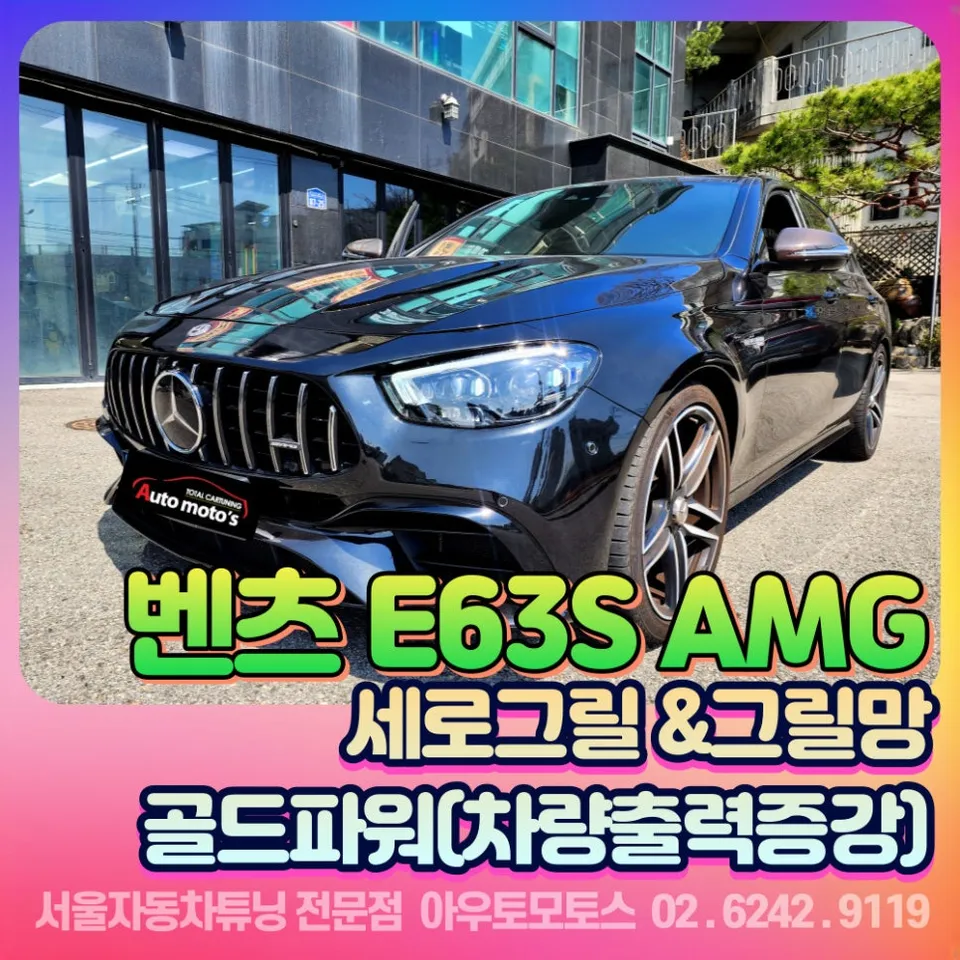
Mercedes-Benz E-Class body kit installation: approx. $400-$800. Enhances sporty look, potential performance gains.
Transform Your Mercedes-Benz E-Class with a Body Kit
For Mercedes-Benz E-Class owners looking to enhance their vehicle's aesthetic appeal and sporty character, a body kit offers a compelling solution. This review delves into the specifics of body kit installation, the potential before and after transformations, associated costs, and whether this upgrade is a worthwhile investment for your E-Class. While the original context for this review comes from a modification performed in South Korea, the principles and outcomes are relevant for owners in the US and UK considering similar enhancements.
Body Kit Installation and Visual Upgrades
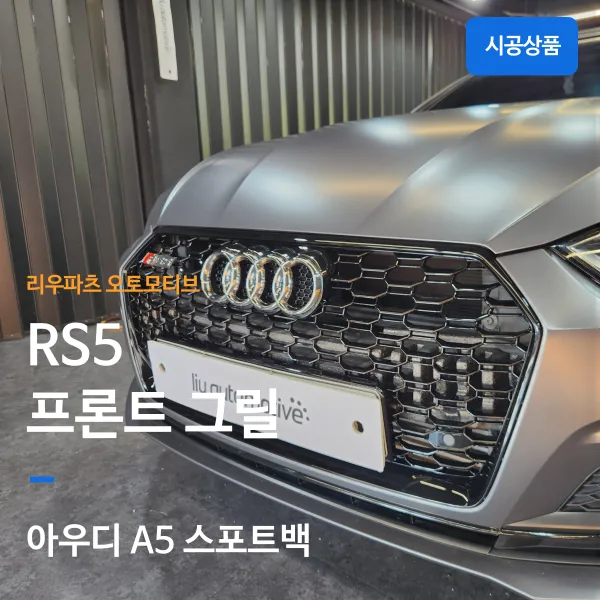
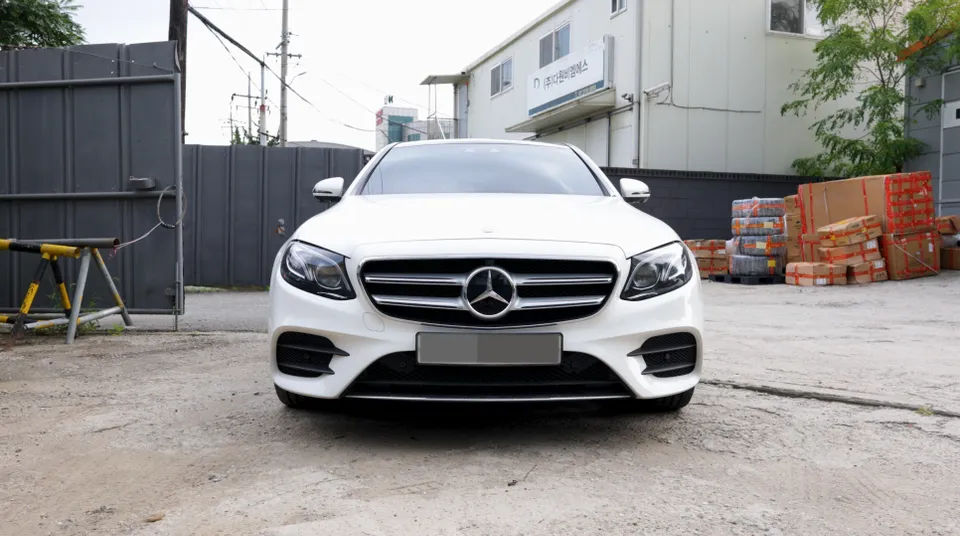
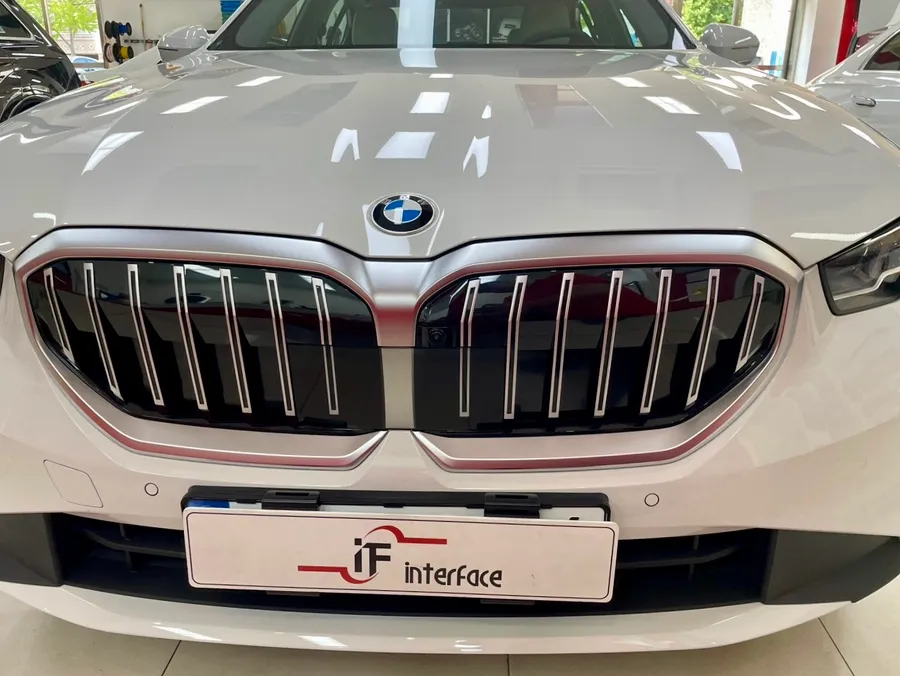
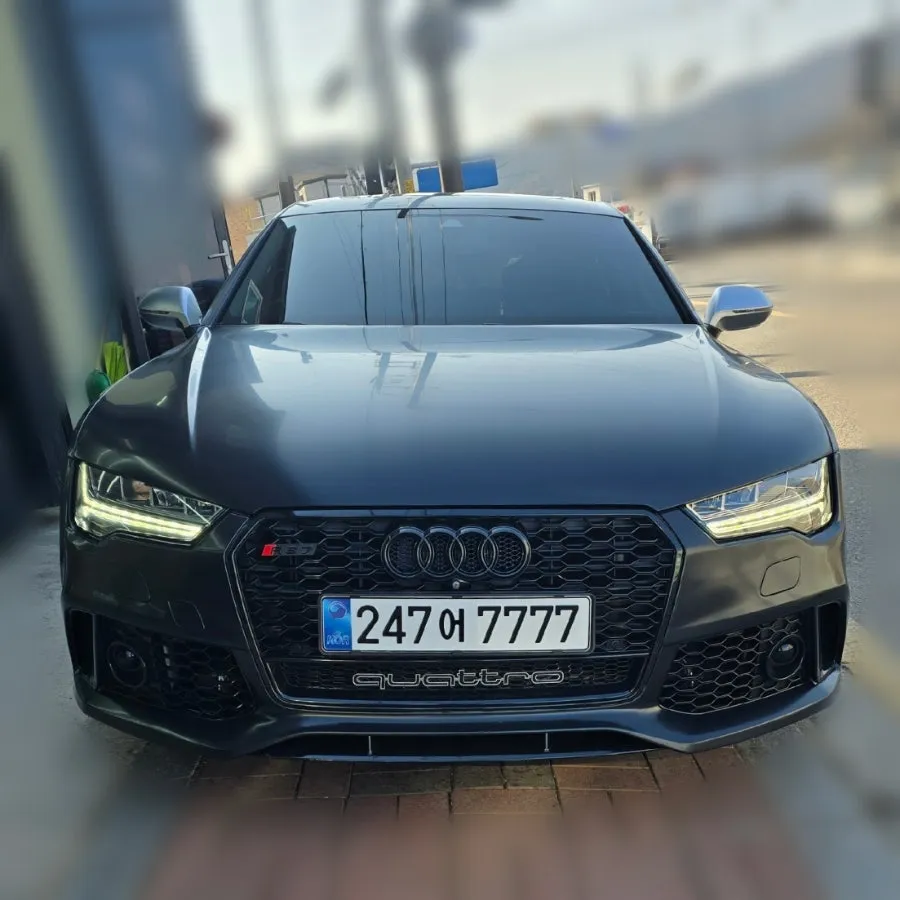
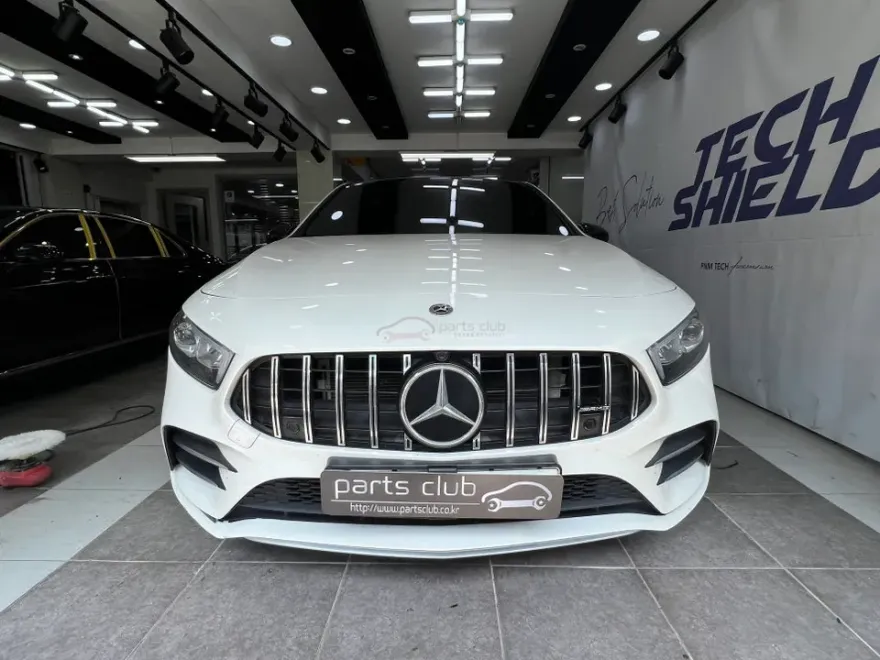
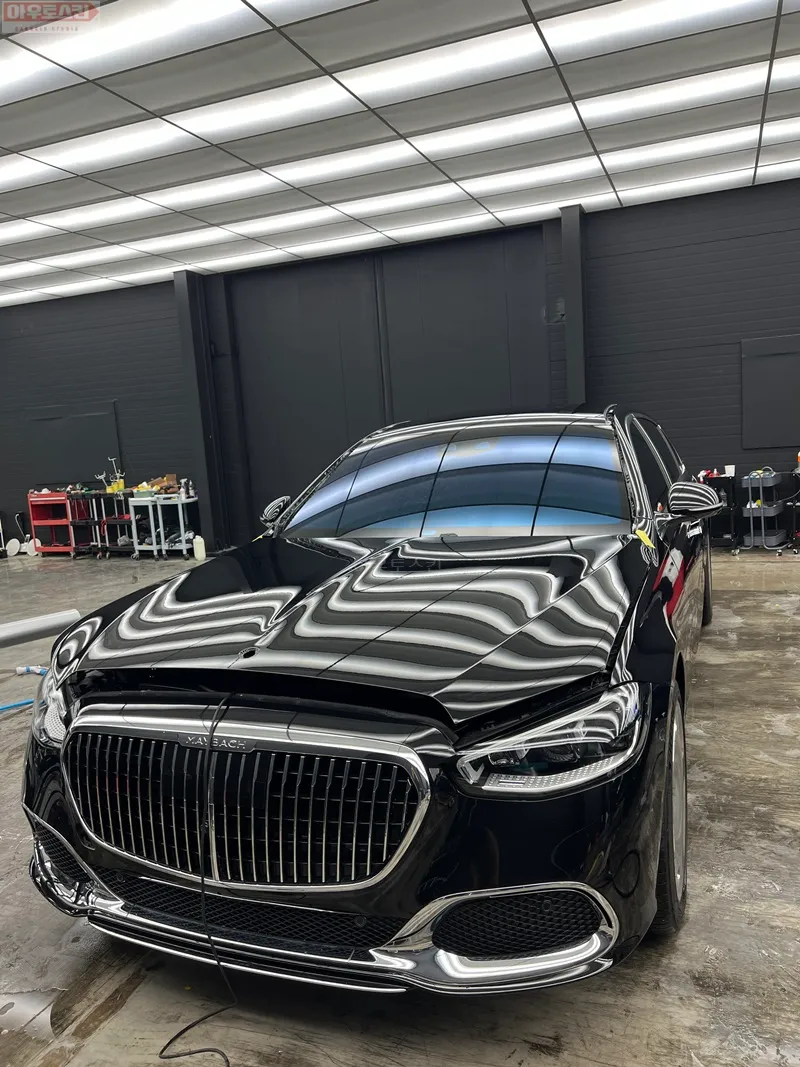
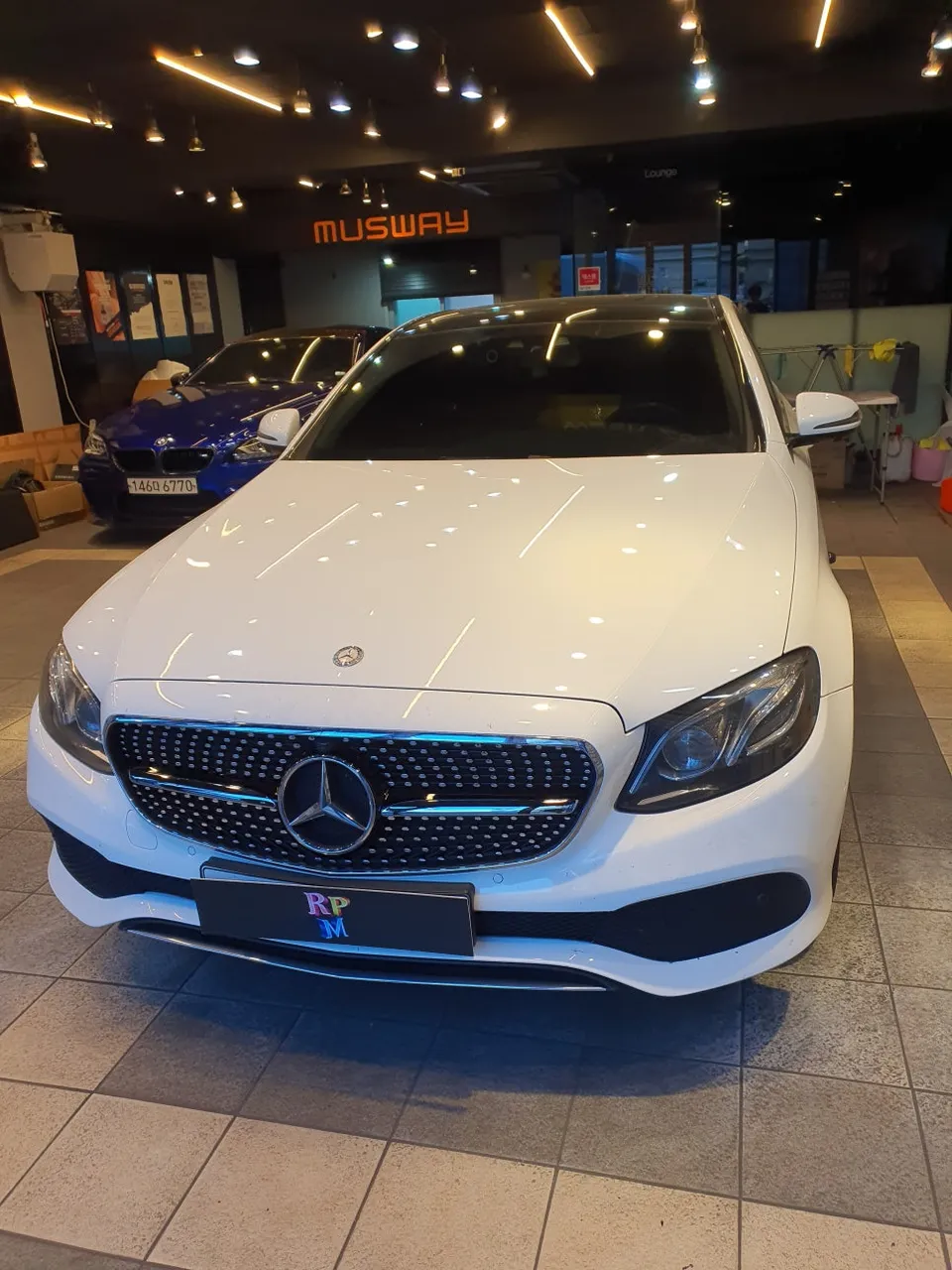
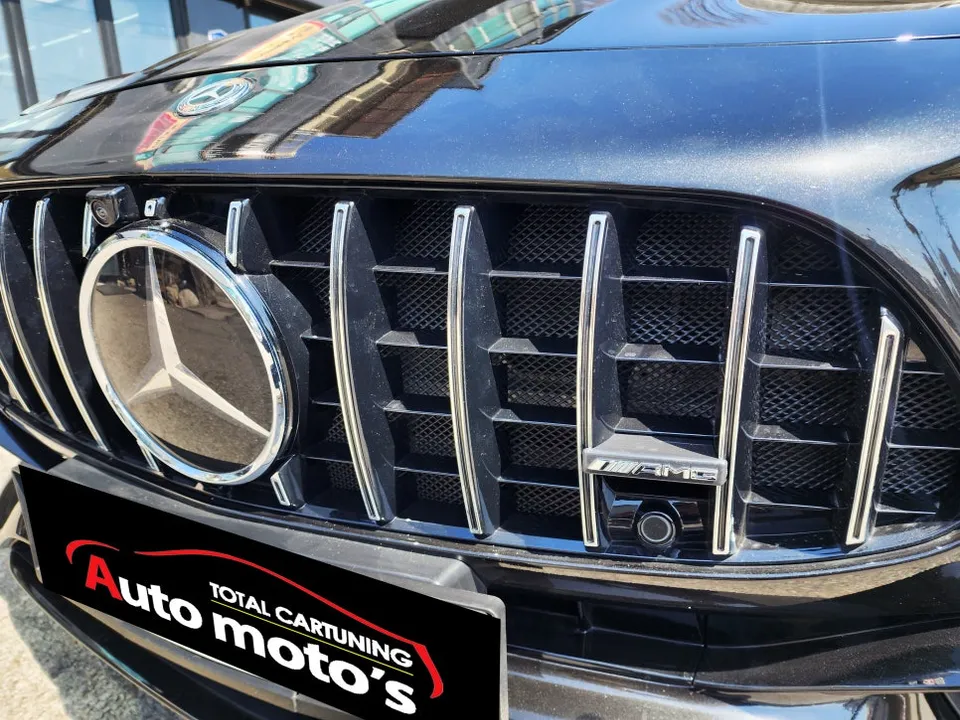
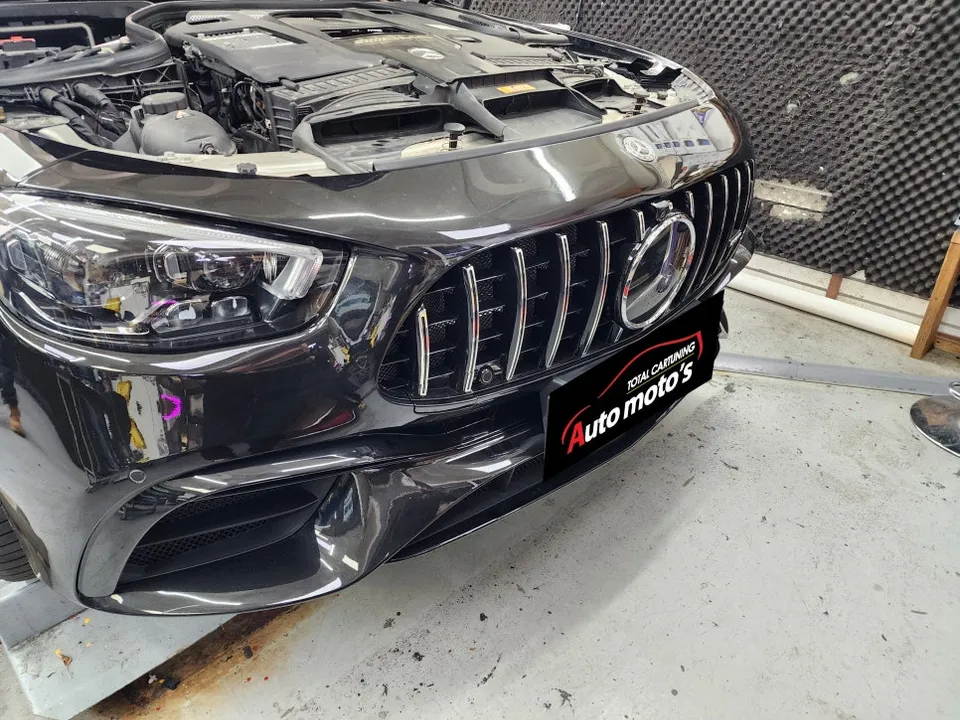
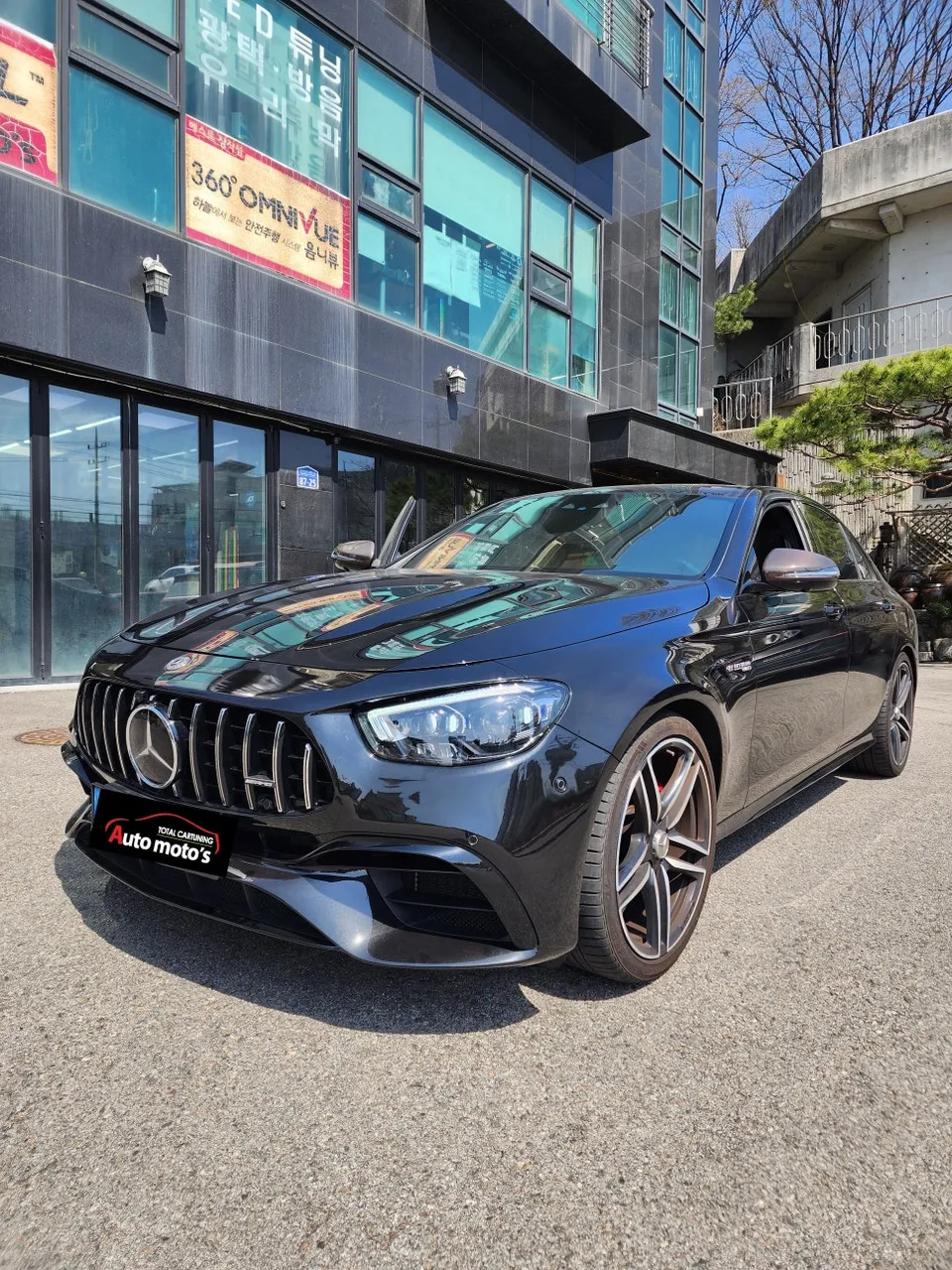
The primary goal of a body kit is to give your Mercedes-Benz E-Class a more aggressive and customized look. This can involve replacing or augmenting the front bumper, side skirts, and rear diffuser. In the context of the E63 AMG, a popular upgrade involves replacing the standard grille with a 'Panamericana' style vertical slat grille, often paired with a mesh insert. This type of modification aims to create a more imposing presence, akin to the AMG GT models, while maintaining the E-Class's inherent luxury. The installation process typically begins with careful masking to protect the vehicle's paintwork. The original bumper is then safely removed to allow for the precise fitting of the new body kit components. For grille replacements, the original emblem is usually retained to preserve the vehicle's identity. Optional additions, like the mesh insert for the grille, not only enhance the visual appeal but also serve a practical purpose by preventing debris from entering the engine bay. The overall effect of these changes can make the vehicle appear wider, lower, and more dynamic, significantly boosting its visual impact.
Performance Enhancements and Durability
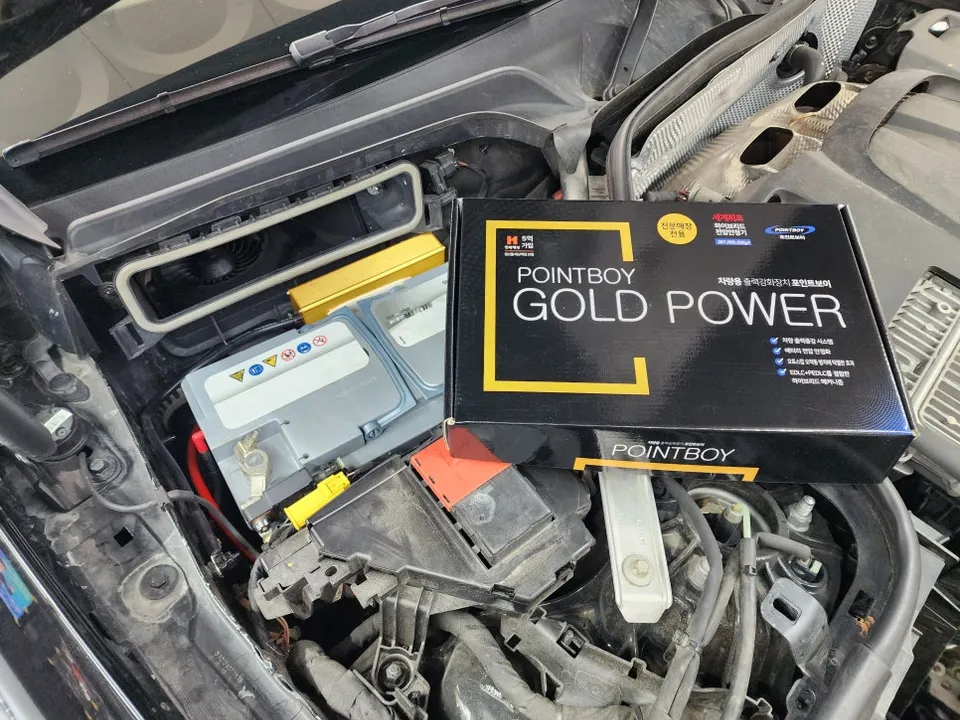
Beyond aesthetics, some body kit installations can be paired with performance-enhancing modifications. The original Korean context mentions a 'Gold Power' device, described as a voltage stabilizer designed to improve vehicle performance. This device, connected to the battery, utilizes a large capacitor and advanced circuitry to stabilize electrical flow, potentially leading to benefits such as improved acceleration, better fuel efficiency, and smoother engine operation. While this specific product is from the Korean market, it illustrates how body kit installations can sometimes be integrated with other performance upgrades. Regarding the durability of body kits themselves, materials commonly used include fiberglass-reinforced plastic (FRP) and polyurethane. Polyurethane is generally more flexible and impact-resistant, making it a more durable choice for daily driving, while FRP can be lighter but more prone to cracking upon impact. Proper installation is crucial for the longevity of any body kit, ensuring all components are securely fastened and aligned. Regular cleaning and protection with automotive waxes can help maintain the finish and material integrity over time.
Is a Body Kit Worth It for Your E-Class?
The decision to install a body kit on your Mercedes-Benz E-Class hinges on your personal preferences and budget. The estimated cost for a body kit installation, including parts and labor, can range from approximately $400 to $800 USD, though this can vary significantly based on the kit's complexity, brand, and the specific E-Class model. The visual transformation can be dramatic, offering a customized look that sets your vehicle apart. However, it's important to consider potential drawbacks. Some kits may affect aerodynamics, potentially impacting fuel efficiency or high-speed stability if not designed or installed correctly. There's also the risk of damage from road debris or minor impacts, which could lead to costly repairs. For owners seeking a unique aesthetic and willing to invest in the modification, a body kit can be a rewarding upgrade. Those prioritizing originality or concerned about potential maintenance and repair costs might find it less appealing. Ultimately, the value lies in achieving the desired look and satisfaction with the enhanced appearance of your E-Class.
Installation Process:
- Careful preparation and masking of the vehicle's body panels.
- Safe removal of the original bumper and/or grille components.
- Precise fitting and alignment of the new body kit parts (e.g., front lip, side skirts, grille).
- Secure fastening of all components and reinstallation of any retained original parts (like the Mercedes-Benz emblem).
- Final inspection and finishing touches.
Frequently Asked Questions
Q. How much does a body kit cost for a Mercedes-Benz E-Class?
The body kit installation for a Mercedes-Benz E-Class can range from approximately $400 to $800 USD. Prices vary based on the specific kit, brand, and installation complexity.
Q. How long does body kit installation take on a Mercedes-Benz E-Class?
Body kit installation typically takes several hours, often between 3 to 4 hours, depending on the complexity of the kit. Proper maintenance involves regular cleaning and protection to preserve the finish and material integrity.
Q. Is a body kit worth it for a Mercedes-Benz E-Class?
A body kit is worth it for Mercedes-Benz E-Class owners who desire a significantly enhanced, sporty, and personalized aesthetic. It offers a dramatic visual upgrade for those willing to invest in the customization.
Q. How is a body kit installed on a Mercedes-Benz E-Class?
Installation involves careful surface preparation and masking, followed by the removal of original parts. New body kit components are then precisely fitted, aligned, and securely fastened, often retaining original emblems for a seamless look.
Q. What is the difference between FRP and polyurethane body kits for a Mercedes-Benz E-Class?
Polyurethane kits are generally more flexible and impact-resistant, offering better durability for daily driving compared to FRP kits. FRP kits can be lighter but are more susceptible to cracking upon impact.
Q. What should I know before getting Body Kit on a Mercedes-Benz E-Class? (common regrets and mistakes)
The most common regret is underestimating the potential for damage from road debris or minor impacts. To avoid this, opt for durable materials like polyurethane and ensure professional, precise installation.
OhCar Partner Shop