Mercedes-Benz GLE Window Tinting Review: Heat Rejection Film
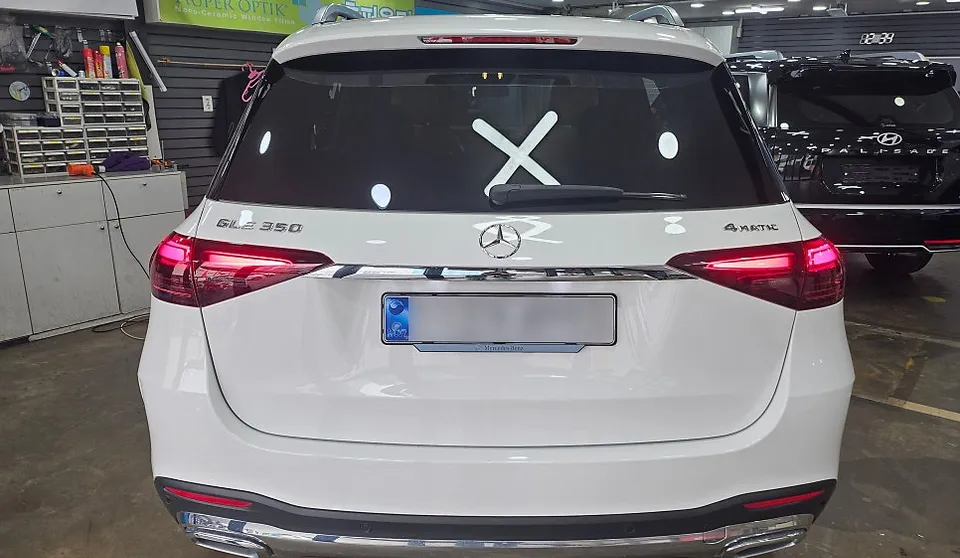
Before
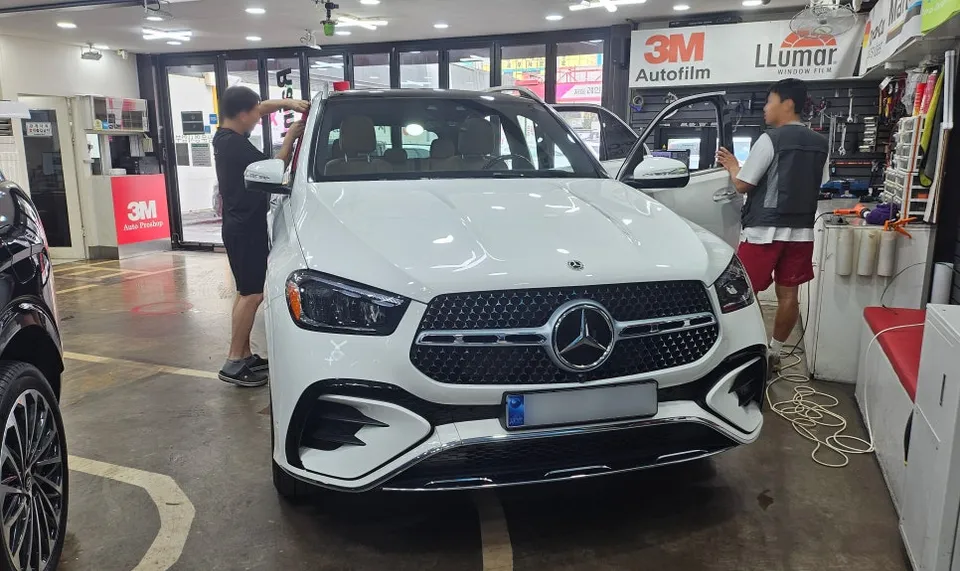
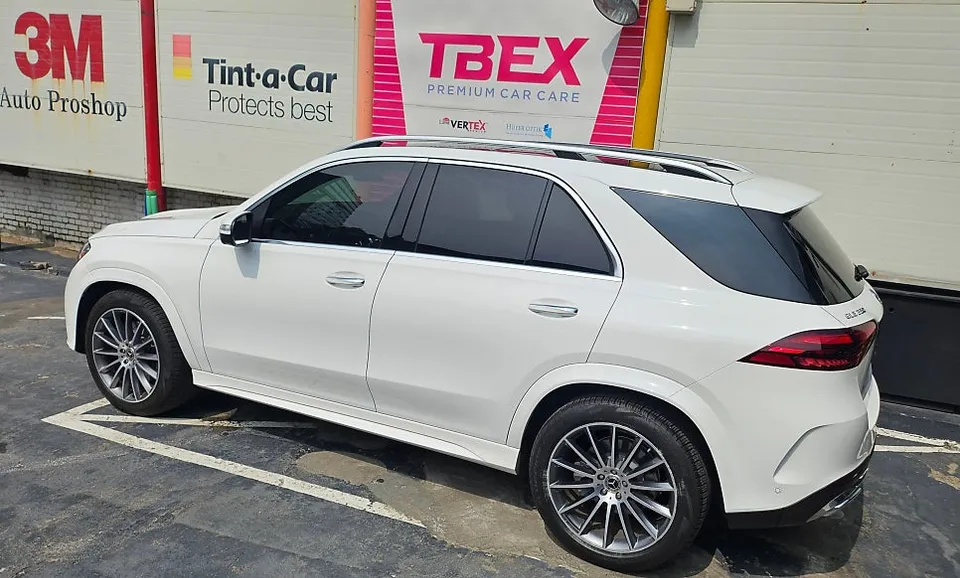
After
Process photos
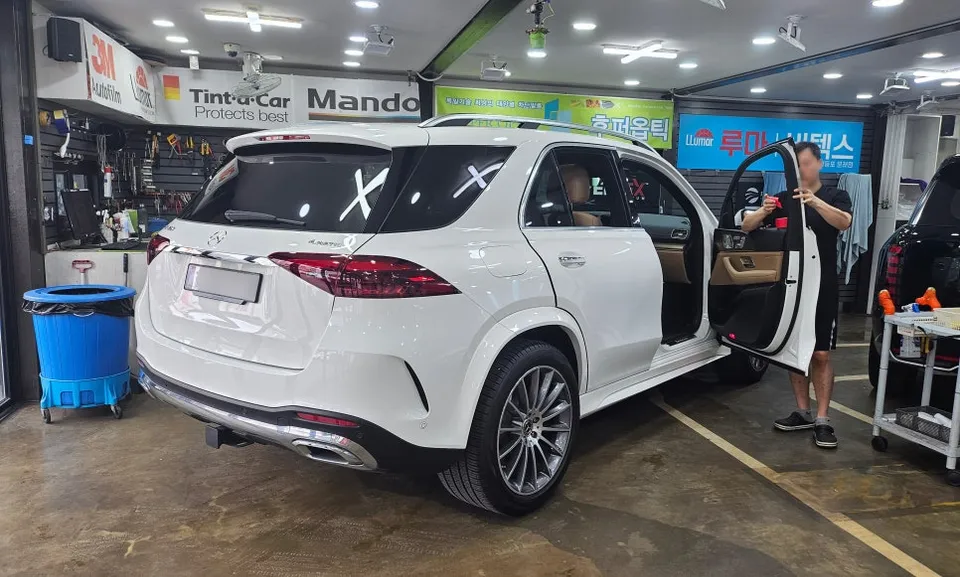
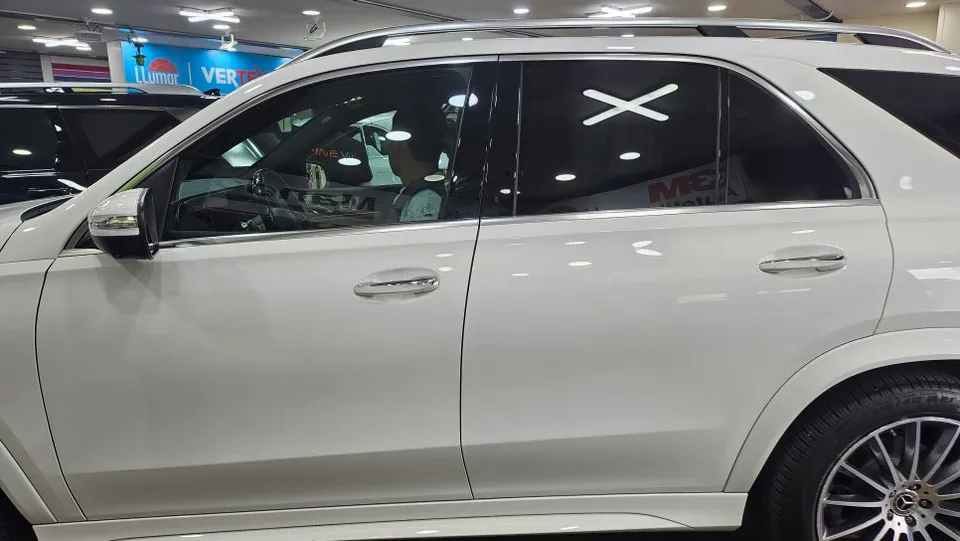
Mercedes-Benz GLE window tinting: Enhanced heat rejection and UV protection. Installation took 3.5 hours.
Expert Window Tinting for Your Mercedes-Benz GLE
When importing a vehicle like the Mercedes-Benz GLE 350 from a country with different regulations, such as the United States where tinting is restricted, to a climate like South Korea's, adding window tint becomes a practical necessity. This review details the process and outcomes of tinting a GLE 350, focusing on heat rejection film and UV protection tailored for local weather conditions. The owner of this GLE 350 had previously driven the vehicle with clear windows and was concerned about visibility changes. To address this, a combination of lighter tints was chosen: 50% for the front windshield and sunroof, and 30% for the rear sides and back window. It's important to note that many US-manufactured vehicles, including this GLE 350, come with privacy glass on the rear windows. This means the glass itself has a factory tint, which can affect the final appearance and perceived darkness when aftermarket tint is applied. In this case, the rear windows were privacy glass, and after consultation, the owner opted to tint them as well, understanding that the heat rejection capabilities of privacy glass alone are minimal. The chosen film was Tint-a-Car's Four Seasons, known for good heat rejection and no signal interference. The entire installation process took approximately 3 hours and 30 minutes. A key observation during the installation was how the privacy glass in the rear windows appeared darker than the front windows, even with a lighter tint percentage (35% on the front vs. 50% on the rear). This is because the factory privacy glass already has a tint equivalent to about 15% darkness. For those opting for lighter tints, selecting a film with inherent heat-blocking properties is crucial, as lighter shades generally offer less heat rejection. The owner also requested tinting for the large panoramic sunroof to further reduce solar heat gain, a common concern in hot and humid climates. While tinting helps, for large sunroofs, an additional sunshade is often recommended for maximum protection against direct overhead solar radiation.
Choosing the Right Window Tint for Korean Weather
Selecting the appropriate window tint involves more than just aesthetics; it's about performance, especially in challenging climates. For effective heat rejection, look beyond the IR (Infrared) rejection numbers and focus on the TSER (Total Solar Energy Rejected) rating. A TSER of 70% or higher is generally considered excellent for blocking solar energy. The owner's request for a less dark overall look, balancing visibility with protection, led to the specific tint percentages chosen. The decision to tint the privacy glass, despite its factory tint, was based on the owner's desire for enhanced UV protection and heat rejection, acknowledging the limitations of the factory tint. The installation team took precautions to minimize dust contamination by masking the vehicle's interior trim with protective materials before starting the tint application. This attention to detail is vital for a clean, professional finish that ensures the longevity of the tint.
Is Window Tinting Worth It for Your Mercedes-Benz GLE?
Ultimately, the decision on window tinting is personal and should align with your driving habits and comfort needs. While friends' opinions can be helpful, relying on professional advice from an experienced tint shop is recommended. They can guide you based on the specific vehicle model, local regulations, and your priorities, whether it's UV protection, heat rejection, or privacy. This GLE 350 owner's experience highlights how a customized approach, considering the vehicle's factory features like privacy glass and the owner's specific concerns, leads to a satisfactory outcome. The owner was pleased enough with the service that they returned a week later for a sunroof tint on a different vehicle, indicating a high level of satisfaction with the quality of work and customer service provided by the tinting specialists in Yeongdeungpo, South Korea.
Installation Process:
- Thorough cleaning and preparation of all interior glass surfaces.
- Precise cutting of the chosen heat rejection film to match window dimensions.
- Careful application of the film to the interior side of the glass, ensuring a smooth, bubble-free finish.
- Trimming excess film and allowing adequate curing time for optimal adhesion.
Frequently Asked Questions
Q. How much does window tinting cost for a Mercedes-Benz GLE?
The specific cost for this Mercedes-Benz GLE 350 tinting in South Korea was not disclosed in the source material, but professional installation in the US typically ranges from $200 to $800 depending on the film type and vehicle.
Q. What tint percentage is legal for a Mercedes-Benz GLE?
Legality of tint percentages varies significantly by state in the US and country. It is crucial to check your local regulations before installation to ensure compliance. Proper maintenance involves gentle cleaning with mild soap and water, avoiding abrasive materials.
Q. Is ceramic tint worth the extra cost for a Mercedes-Benz GLE?
Ceramic tint is often worth the extra cost for a Mercedes-Benz GLE if your priority is maximum heat rejection and UV protection without significantly darkening the windows. It offers superior performance compared to traditional dyed films.
Q. How is window tint installed on a Mercedes-Benz GLE?
Window tint installation involves cleaning the glass thoroughly, cutting the film precisely to size, applying it to the interior of the windows with a squeegee to remove air bubbles, and then trimming any excess film. The process requires skill to achieve a flawless finish.
Q. What is the difference between ceramic and dyed window tint for a Mercedes-Benz GLE?
Ceramic tint uses non-metallic ceramic particles to block heat and UV rays, offering excellent performance without interfering with electronics, while dyed tint uses coloring to reduce glare and heat but can fade over time. Ceramic tint is generally considered superior for heat rejection and durability.
Q. What should I know before getting Window Tinting on a Mercedes-Benz GLE? (common regrets and mistakes)
The most common regret is choosing a tint that is too dark for visibility or not dark enough for desired privacy and heat rejection. Always consult with a professional installer to select the right film and percentage based on your needs and local laws.
OhCar Partner Shop
More window tinting Reviews
See all →

More Mercedes-Benz Reviews
Pair with Another Service
Protect paint while you're at the shop