Mercedes-Benz E-Class OEM Options Review
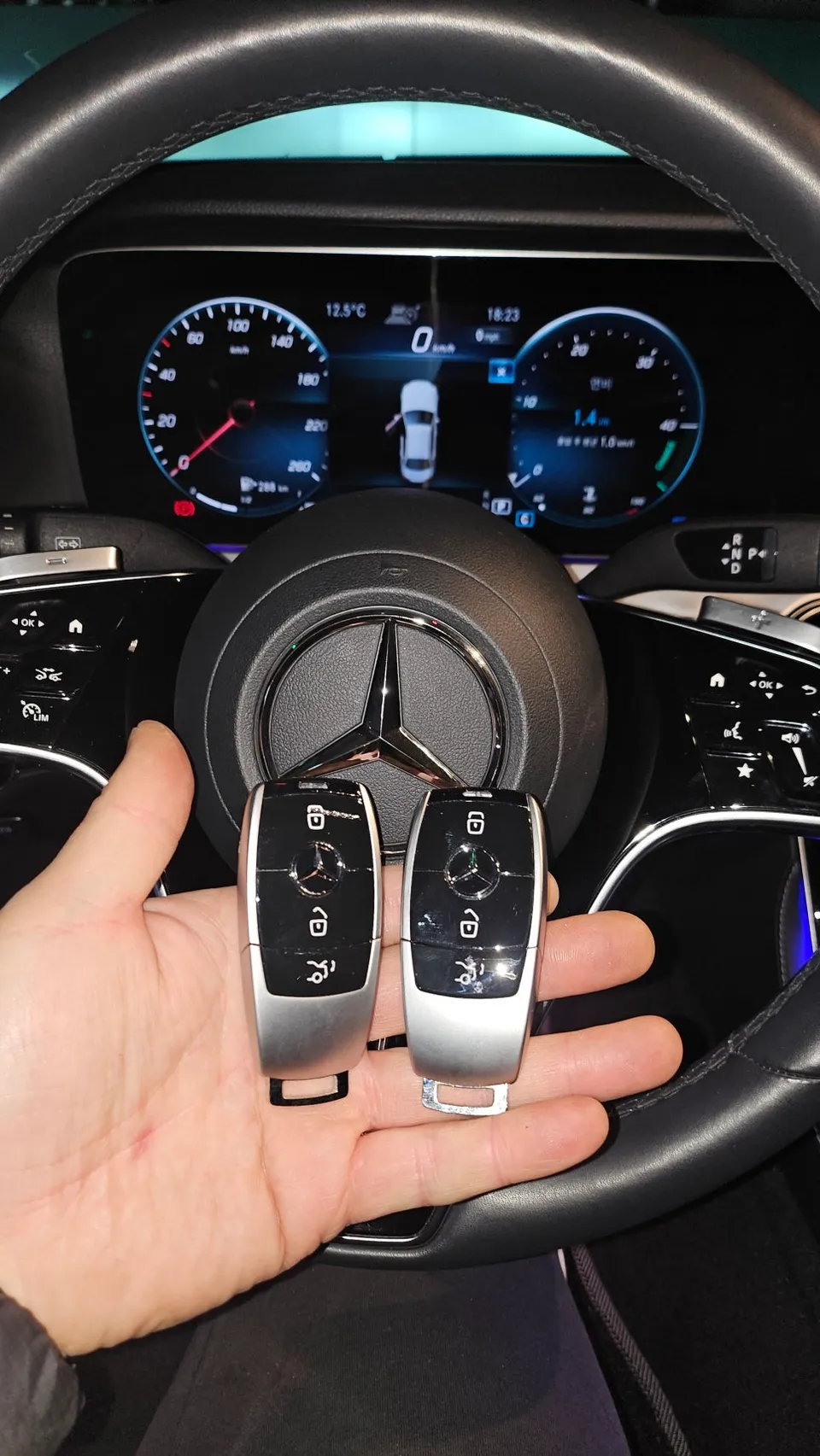
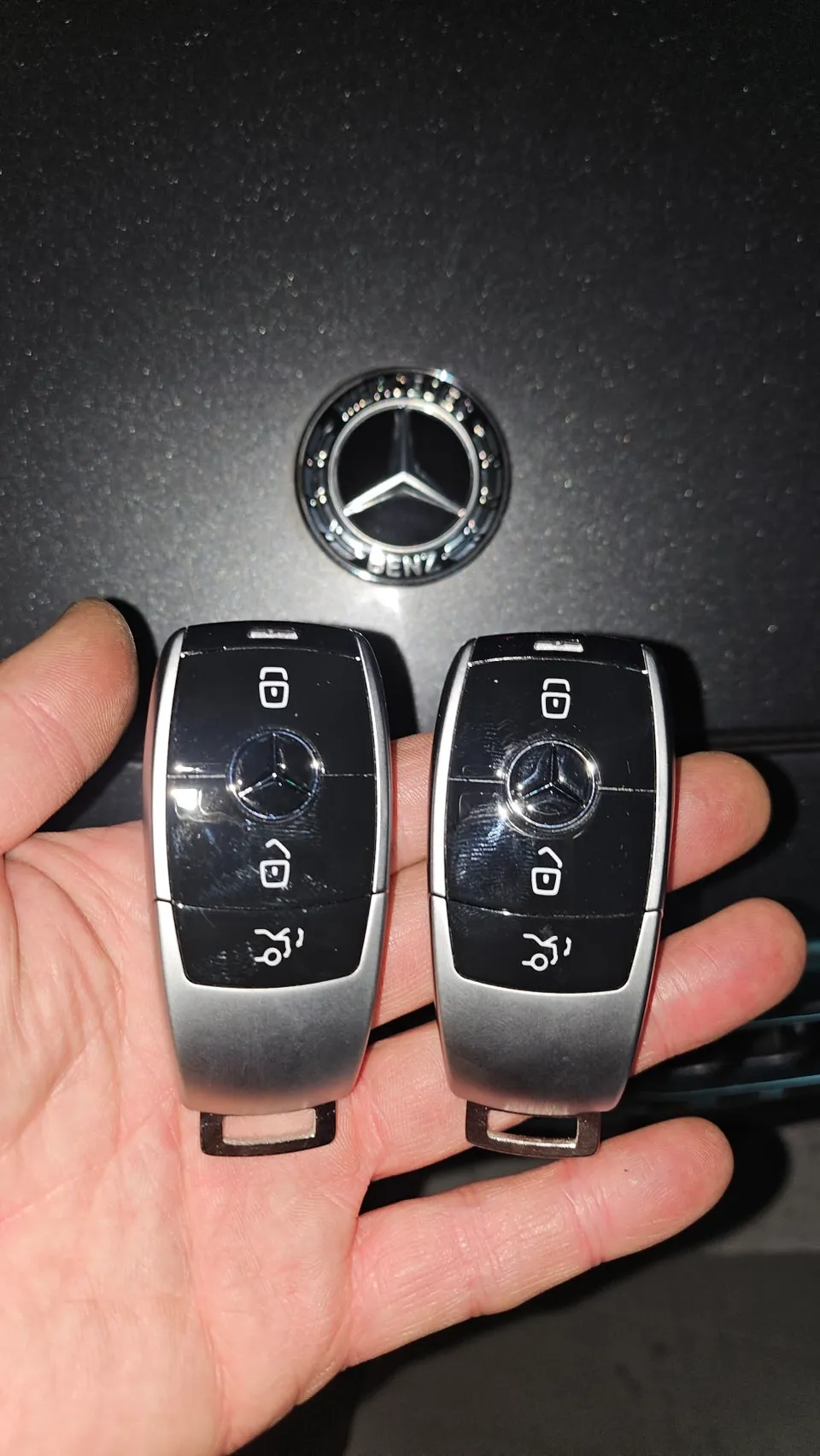
Mercedes-Benz E-Class OEM options offer factory-quality upgrades. Installation costs vary; durability is high.
Understanding OEM Options for Your Mercedes-Benz E-Class
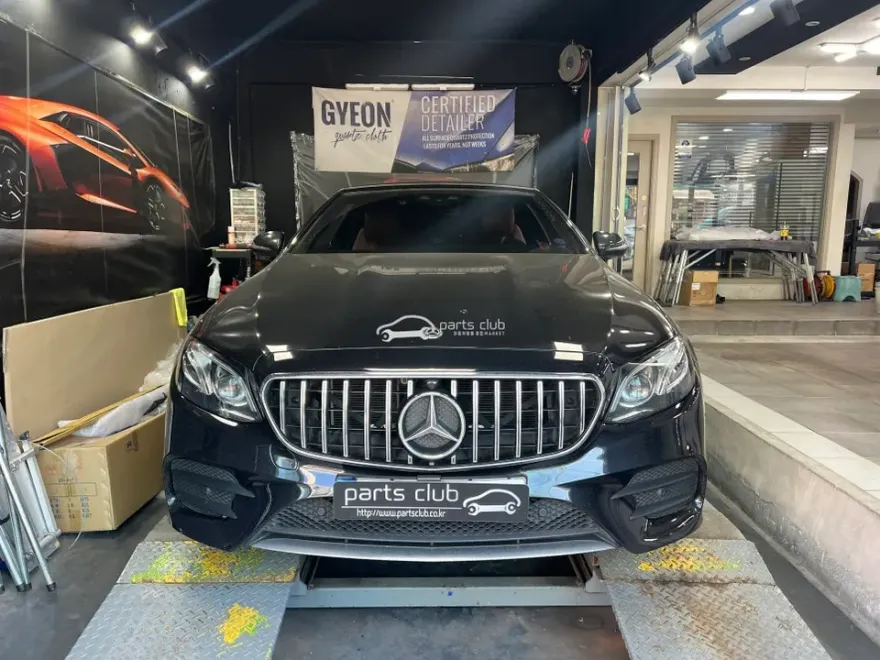
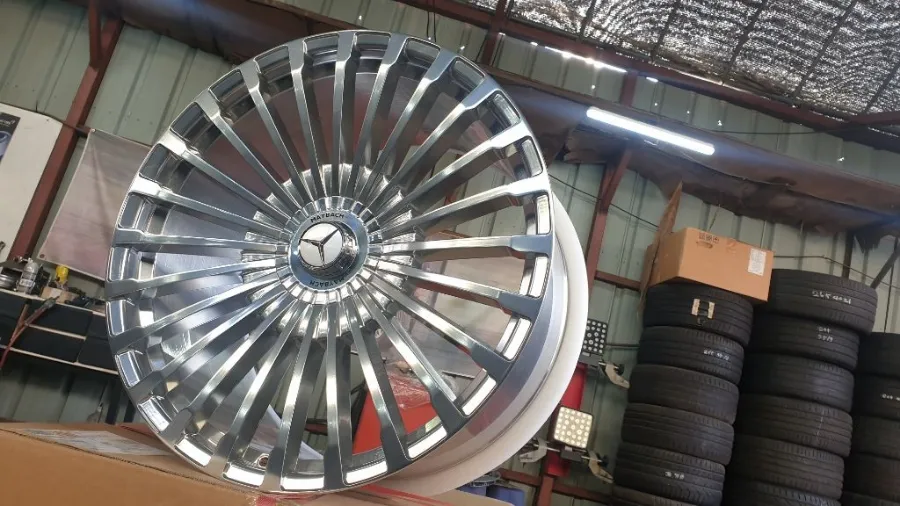
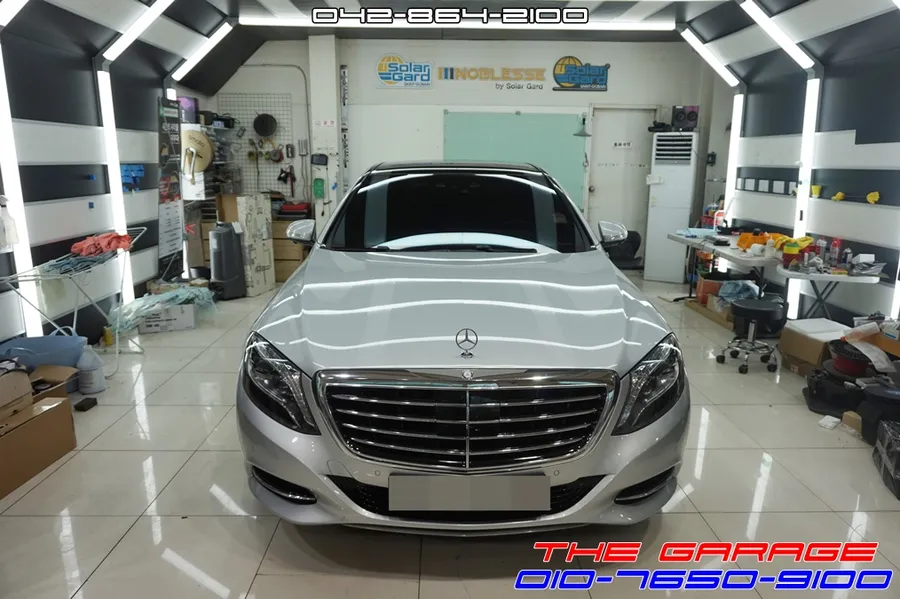
When considering enhancements for your Mercedes-Benz E-Class, understanding OEM (Original Equipment Manufacturer) options is crucial. These are parts and features designed and manufactured by Mercedes-Benz or its authorized suppliers, ensuring perfect integration and quality. Unlike aftermarket modifications, OEM options maintain the vehicle's original design integrity and often come with a manufacturer's warranty. This review delves into the specifics of retrofitting factory options, their costs, installation process, and overall value for E-Class owners.
Benefits and Installation of Factory Upgrades
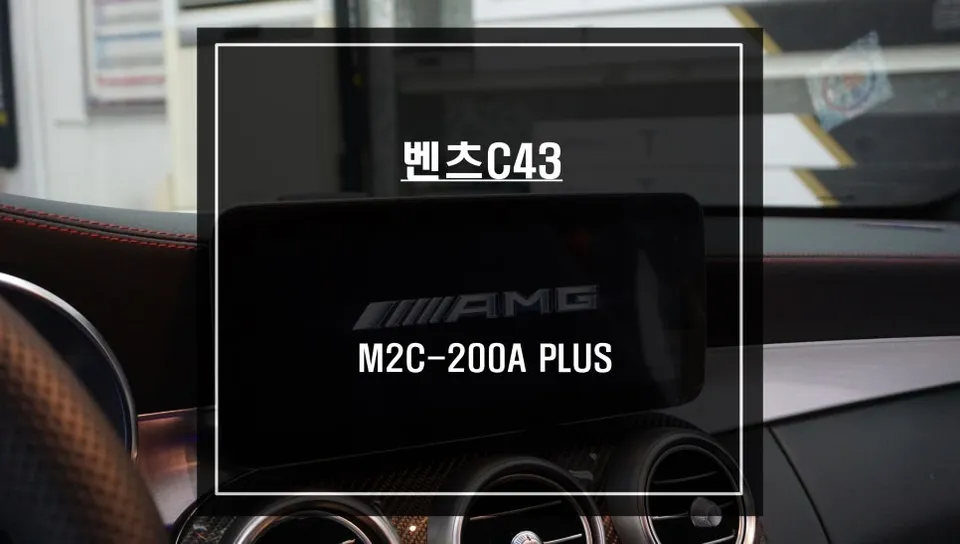
Retrofitting factory options, often referred to as dealer options or factory upgrades, can significantly enhance your E-Class ownership experience. These upgrades range from advanced driver-assistance systems to premium interior features. The primary advantage is seamless compatibility; these parts are designed to fit and function precisely as if they were installed at the factory. This ensures reliability and often preserves the vehicle's resale value better than non-OEM alternatives. The installation process for OEM options is typically handled by certified technicians, often at a dealership or a specialized workshop familiar with Mercedes-Benz vehicles. While the exact procedure varies depending on the specific option, it generally involves integrating the new component into the car's existing electronic systems and ensuring all functionalities work correctly. For instance, adding a new infotainment module would require careful wiring and software coding to communicate with the car's network.

Assessing the Value and Durability of OEM Options
Deciding whether OEM options are worth the investment for your Mercedes-Benz E-Class depends on your priorities. The cost of OEM options can be higher than aftermarket equivalents, but this is often justified by superior quality, durability, and guaranteed compatibility. Factory upgrades are built to the same rigorous standards as the original parts, meaning they are designed for long-term performance and minimal maintenance. For example, an OEM-upgraded navigation system will likely offer a more intuitive interface and more reliable performance than a universal aftermarket unit. The durability of these options means fewer worries about premature failure or compatibility issues down the line. When considering a factory option retrofit, it's essential to weigh the upfront cost against the long-term benefits of quality, reliability, and potentially higher resale value. While the original context of the provided Korean text discusses a specific issue with the ELV (Electronic Steering Lock) system on a Mercedes-Benz E250, which can be resolved within 1-2 hours by specialized technicians in Korea, this review focuses on the broader concept of OEM options for the E-Class model line.
Installation Process:
- Diagnosis and Part Selection: A certified technician will assess your E-Class and confirm the compatibility of the desired OEM option.
- Component Integration: The new OEM part is carefully installed, often requiring access to the vehicle's wiring harness and control modules.
- Software Coding: For electronic options, specialized diagnostic tools are used to code the new component to your E-Class's systems.
- Functional Testing: A thorough test is performed to ensure the new option operates correctly and integrates seamlessly with existing features.

Frequently Asked Questions
Q. How much does OEM option and factory upgrade installation cost for a Mercedes-Benz E-Class?
The cost for OEM options and factory upgrades on a Mercedes-Benz E-Class can vary significantly based on the specific feature, with prices potentially ranging from several hundred to several thousand US dollars. This review's context doesn't provide specific pricing for general OEM options, but focuses on a specific repair.
Q. How long does OEM options installation take on a Mercedes-Benz E-Class?
Installation time for OEM options on a Mercedes-Benz E-Class varies greatly depending on the complexity of the upgrade, from a few hours for simpler electronic modules to potentially a full day for more integrated systems. Proper maintenance involves ensuring software is up-to-date and performing regular checks as recommended by the manufacturer.
Q. Are OEM options worth adding after purchase for a Mercedes-Benz E-Class?
OEM options are often worth adding for Mercedes-Benz E-Class owners seeking guaranteed compatibility, seamless integration, and long-term reliability. They typically offer superior durability and maintain the vehicle's original quality standards compared to aftermarket alternatives.
Q. How are OEM factory options installed on a Mercedes-Benz E-Class?
OEM factory options are installed by certified technicians who integrate the new components into the vehicle's existing systems. The process typically involves: 1. Selecting and preparing the correct OEM part. 2. Physically installing the component, which may involve wiring and disassembly. 3. Coding the new part using specialized diagnostic equipment to ensure it communicates correctly with the car's network.
Q. What is the difference between dealer-installed options and aftermarket upgrades for a Mercedes-Benz E-Class?
Dealer-installed options (OEM) are designed and manufactured by or for Mercedes-Benz, ensuring perfect fit and function, while aftermarket upgrades are made by third-party companies and may vary in quality and compatibility. For optimal integration and reliability, OEM options are generally recommended for the Mercedes-Benz E-Class.
OhCar Partner Shop