Mercedes-Benz E-Class W213 Window Tinting Review
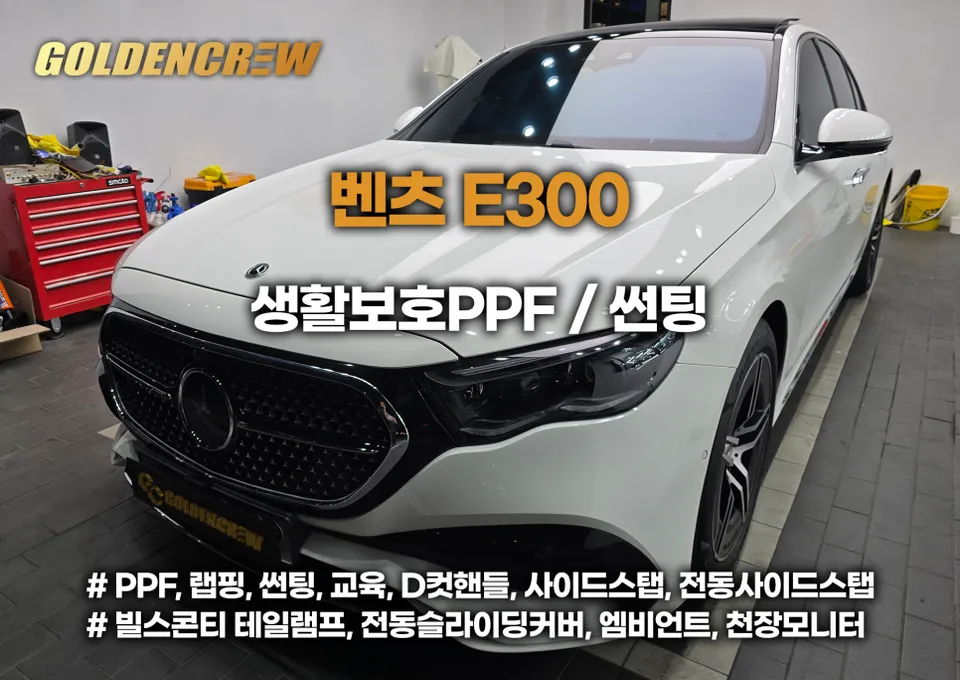
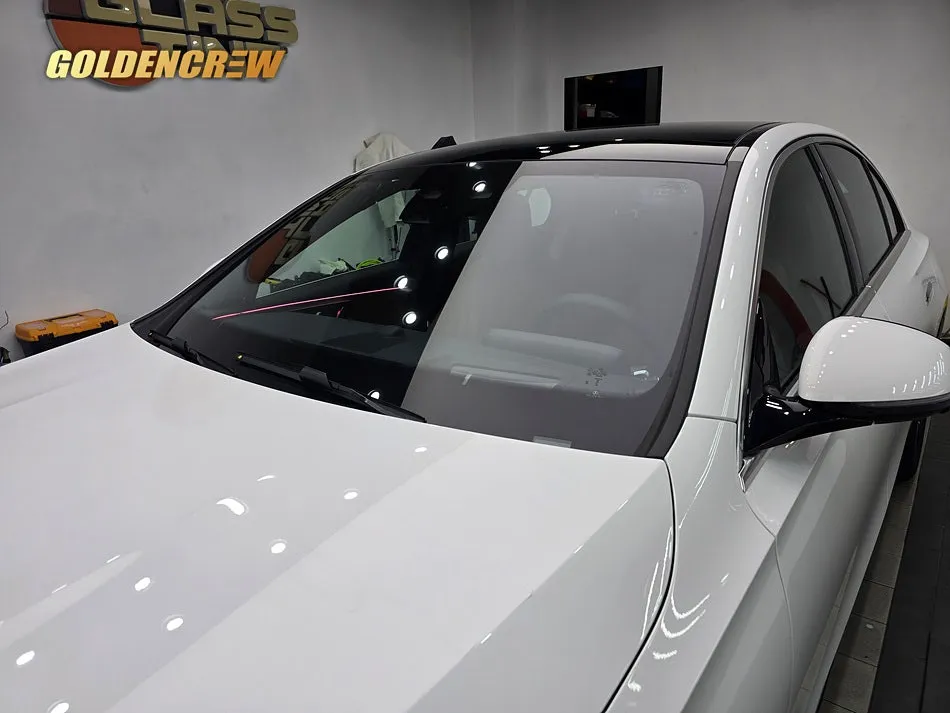
Mercedes-Benz E-Class W213 "Rainy Blue" ceramic tinting: ~₩700,000 ($510). Offers superior heat rejection and UV protection.
Window Tinting Your Mercedes-Benz E-Class W213: A Comprehensive Review
This review details the window tinting experience for a Mercedes-Benz E-Class W213, specifically focusing on the application of Glasstint's "Rainy Blue" ceramic tint. The goal was to enhance the vehicle's aesthetics while providing crucial benefits like superior heat rejection and UV protection. The original context of this installation comes from South Korea, where such services are popular for improving comfort and protecting interiors from harsh sunlight.
Before and After: The Impact of Ceramic Tint
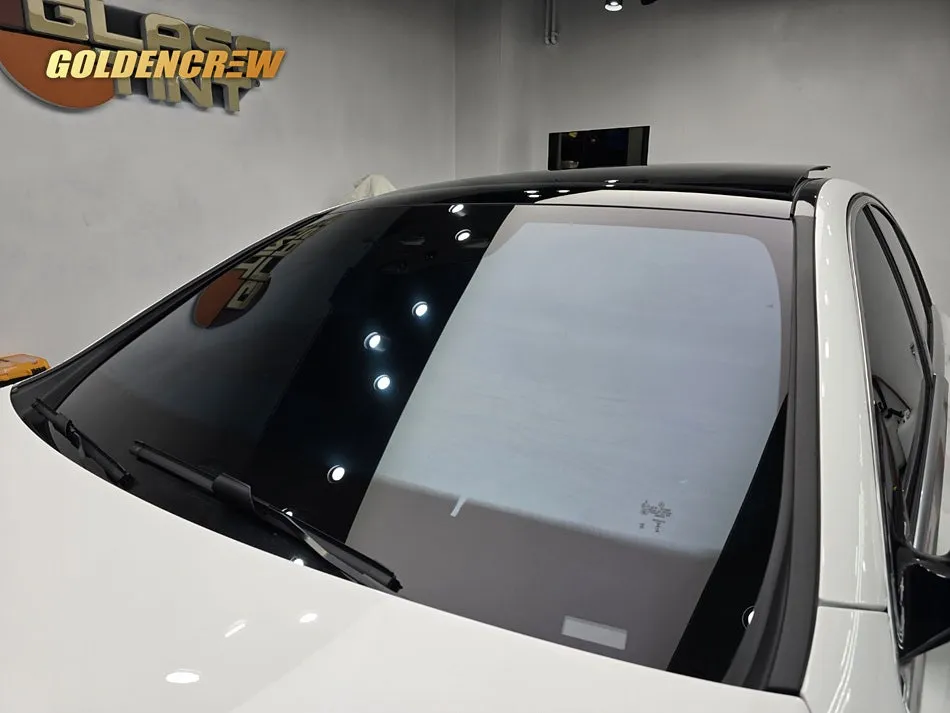
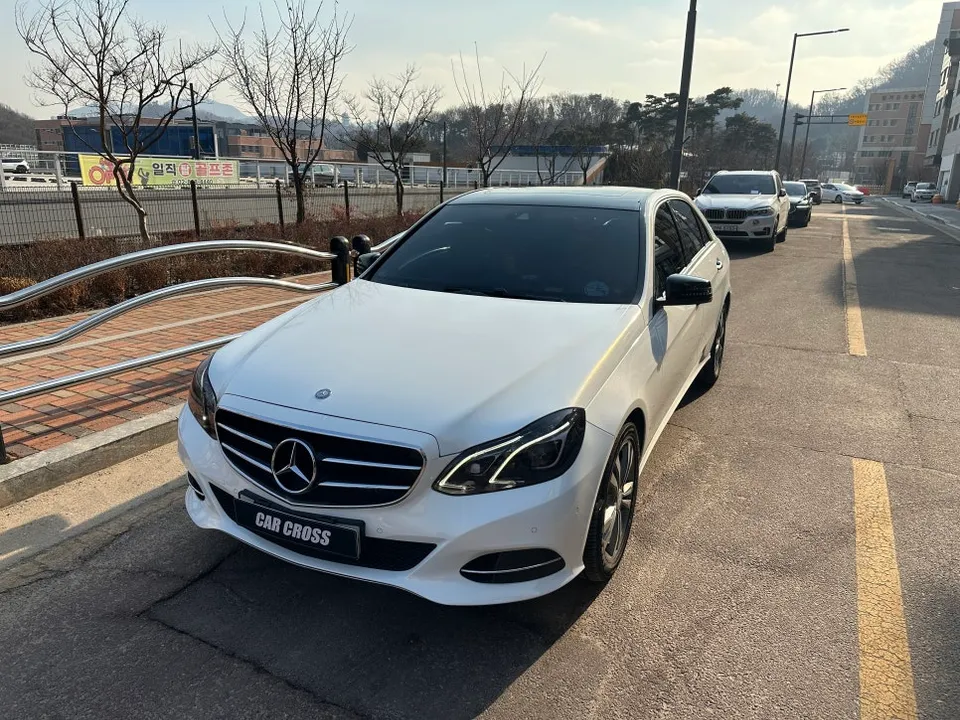
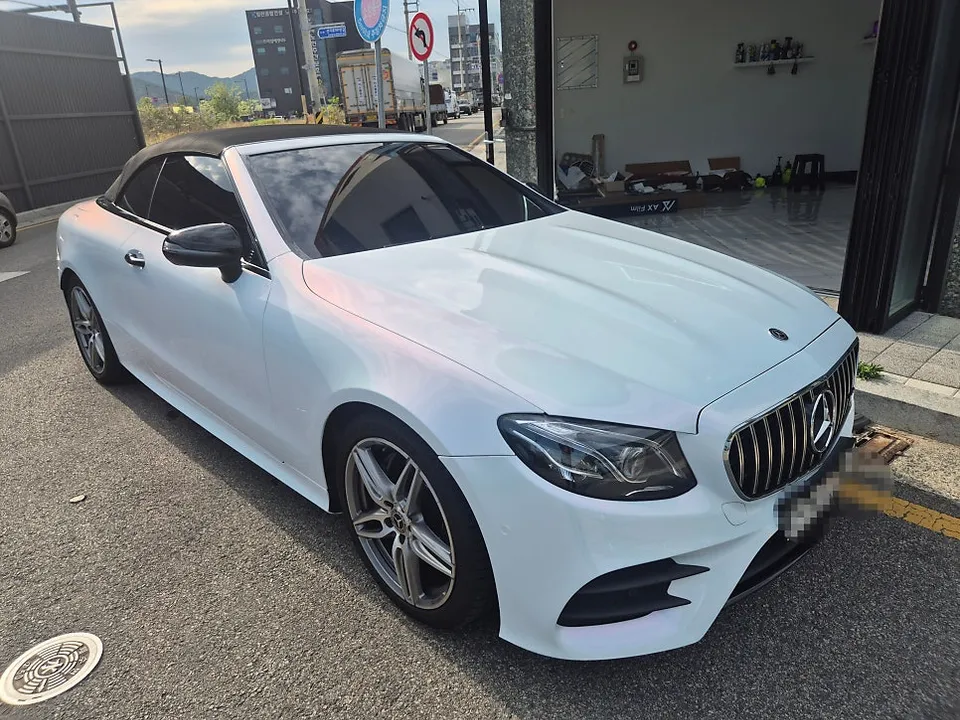
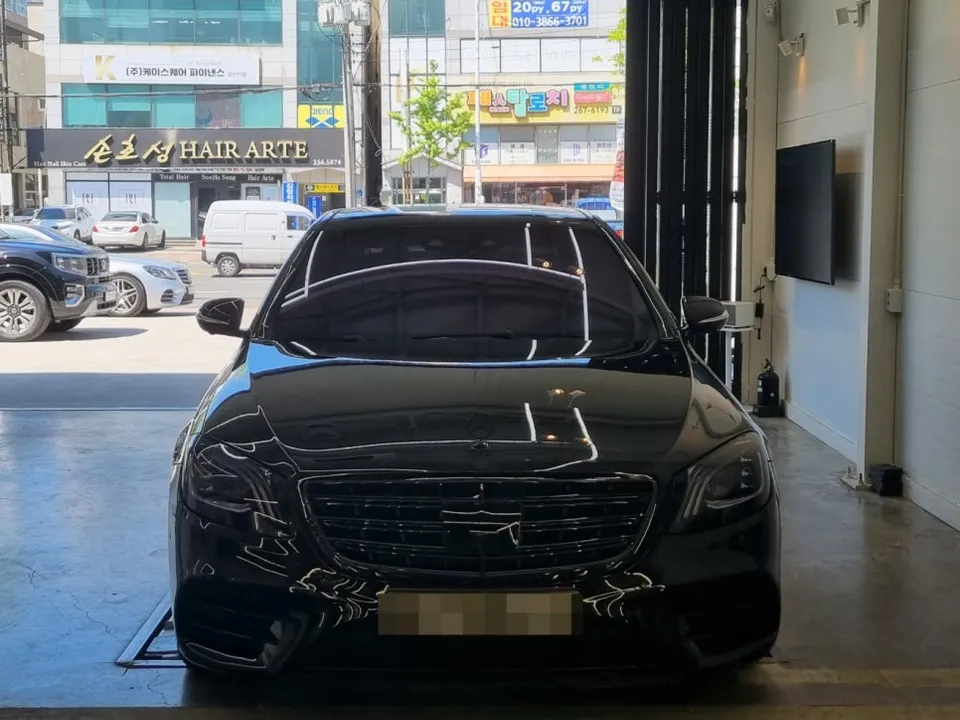
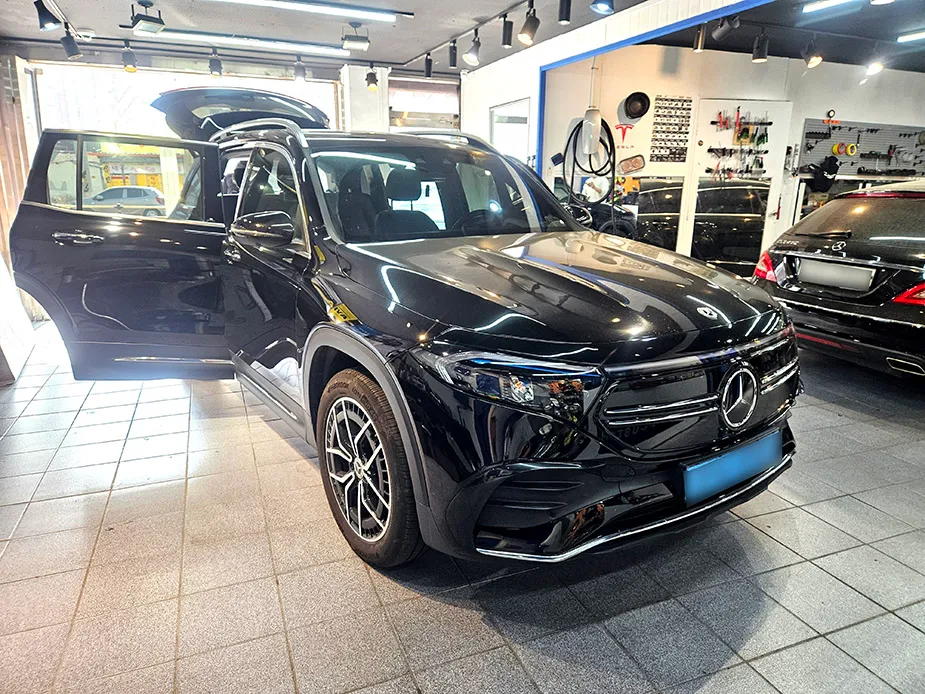
The "Rainy Blue" tint offers a distinct aesthetic, providing a subtle yet noticeable color shift that complements the E-Class's sophisticated design. Beyond looks, the primary advantage of this ceramic tint is its advanced heat rejection capabilities. Unlike traditional dyed films, ceramic tints use microscopic ceramic particles that block infrared heat without relying on metallic components that can interfere with electronic signals. This means a cooler cabin, reduced strain on the air conditioning system, and significant UV protection for both occupants and the vehicle's interior materials, preventing fading and cracking over time. The before and after shows a marked improvement in perceived cabin temperature and a more refined exterior appearance.
Installation Process and Durability
The installation of high-quality window tint requires precision and expertise. For the Mercedes-Benz E-Class W213, the process involves meticulous preparation and application to ensure a flawless finish. The original context mentions this service was performed by Golden Crew, a detailer in South Korea. The "Rainy Blue" tint is known for its durability, resisting peeling, bubbling, and color fading. Proper maintenance, such as avoiding harsh chemicals and abrasive cleaning methods, will ensure the tint's longevity for many years.
Installation process:
- Thorough cleaning and preparation of all glass surfaces to remove any dirt or residue.
- Precise cutting of the tint film to match the exact contours of each window.
- Careful application of the film, using specialized tools to eliminate air bubbles and ensure a smooth finish.
- Post-installation inspection and curing period to allow the adhesive to fully bond.
The cost for this specific tint package in South Korea was approximately ₩700,000 (around $510 USD at the time of the original post), which is competitive for premium ceramic tinting on a luxury vehicle like the E-Class. While the initial window cost might seem high, the long-term benefits of heat rejection, UV protection, and enhanced aesthetics often make it a worthwhile investment for car owners.
Frequently Asked Questions
Q. How much does window tinting cost for a Mercedes-Benz E-Class W213?
This specific "Rainy Blue" ceramic tint installation in South Korea cost approximately ₩700,000 (around $510 USD). Typical professional ceramic tinting for a luxury sedan like the E-Class in the US can range from $400 to $800 depending on the film quality and shop.
Q. What tint percentage is legal for a Mercedes-Benz E-Class W213?
Legal tint percentages vary significantly by state in the US and region in Korea; always check local regulations before installation. Ceramic tint films, like the "Rainy Blue" used here, are designed for durability and can last over a decade with proper care, such as gentle cleaning with a microfiber cloth and mild soap.
Q. Is ceramic tint worth the extra cost for a Mercedes-Benz E-Class W213?
Ceramic tint is most beneficial for drivers prioritizing maximum heat rejection and UV protection, especially in hot climates. The higher upfront cost is justified by its superior performance and longevity compared to cheaper dyed films.
Q. How is window tint installed on a Mercedes-Benz E-Class W213?
Window tint installation involves meticulously cleaning the glass, precisely cutting the film to size, and carefully applying it using specialized tools to ensure a bubble-free finish. The process concludes with a final inspection and a curing period for the adhesive.
Q. What is the difference between ceramic and dyed window tint for a Mercedes-Benz E-Class W213?
Ceramic tint uses non-metallic ceramic particles to block heat and UV rays, offering superior performance and electronic signal compatibility, while dyed tint relies on colorants that can fade over time and offer less heat rejection. For optimal performance and durability, ceramic tint is the recommended choice.
OhCar Partner Shop
More window tinting Reviews
See all →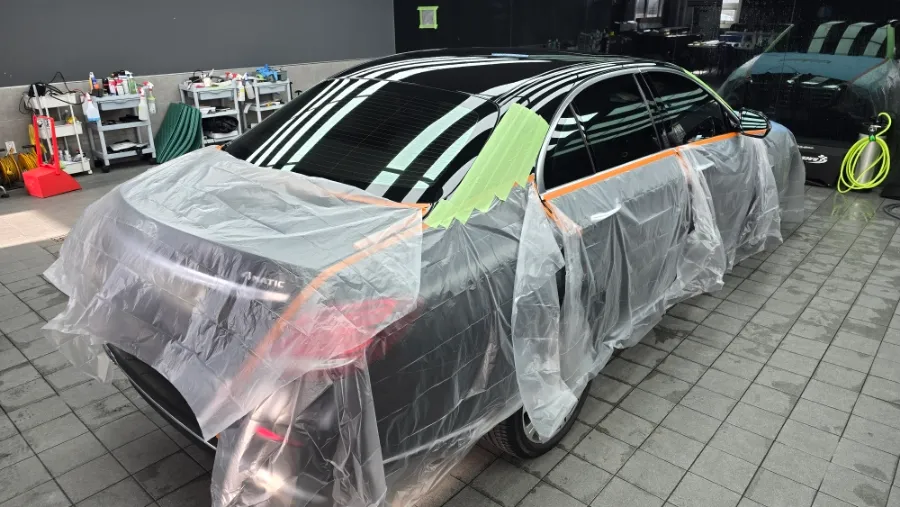

More Mercedes-Benz Reviews
Pair with Another Service
Protect paint while you're at the shop