Mercedes-Benz EQB Seat Climate Upgrade Review
Service Price
$150+
Estimated price · Actual price may vary by shop
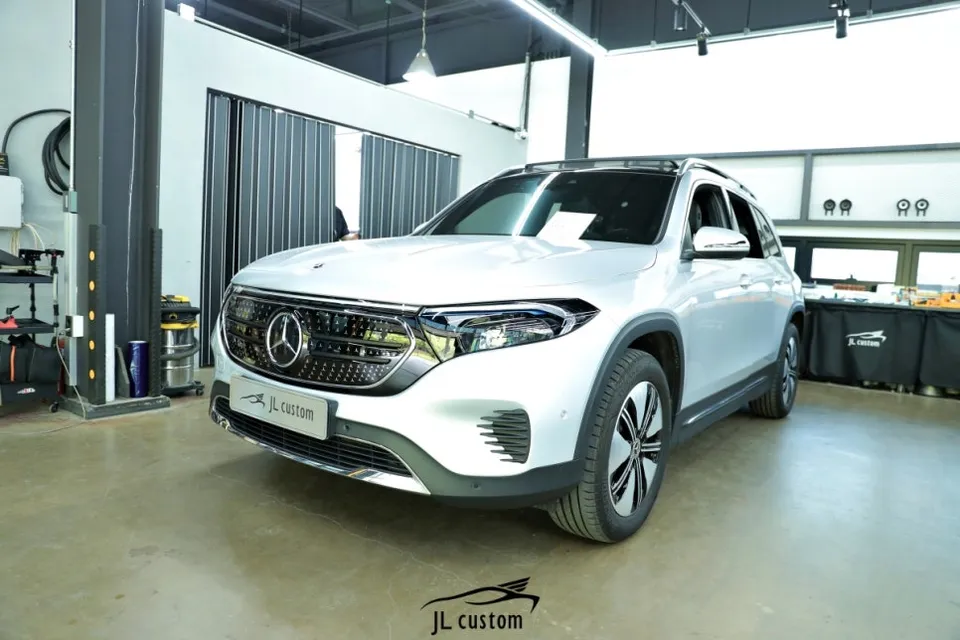
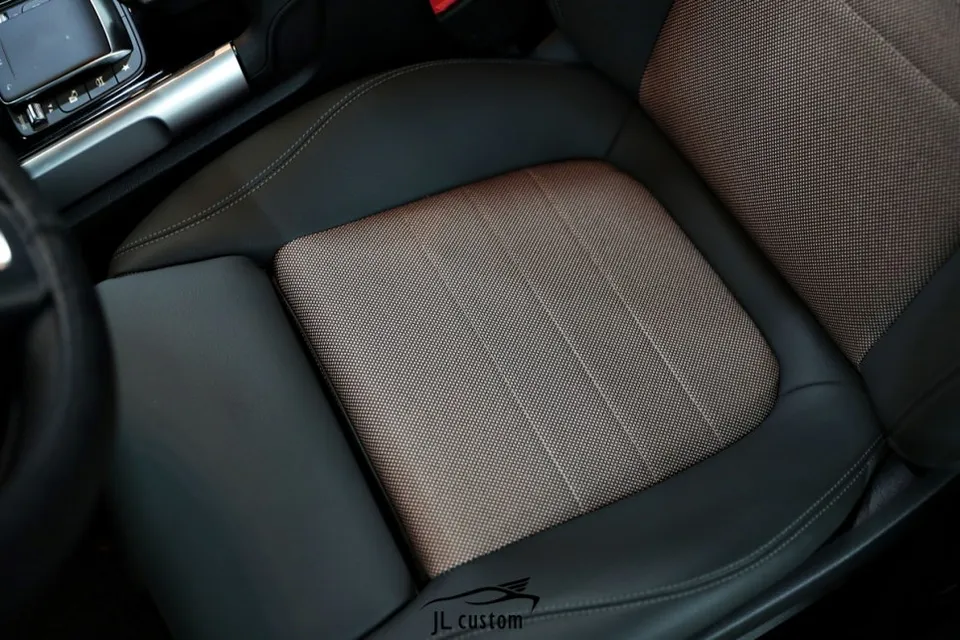
Mercedes-Benz EQB seat climate upgrade: Retrofit ventilated & heated seats. Costs ~$2,200+ (KR) / $150+ (US). Enhances comfort significantly.
Mercedes-Benz EQB Seat Ventilation & Heating: Is it Worth It?
Many Mercedes-Benz EQB owners find themselves wishing for more comfort features, particularly when it comes to seating. The EQB, unfortunately, doesn't come standard with ventilated or heated seats from the factory. This can be a significant drawback, especially during long drives in hot or cold weather. Fortunately, a seat climate upgrade, including seat ventilation and heating, is a popular retrofit option. This review delves into the process, costs, and benefits of adding these features to your EQB, helping you decide if it's a worthwhile investment.
Why Consider Seat Ventilation & Heating for Your EQB?
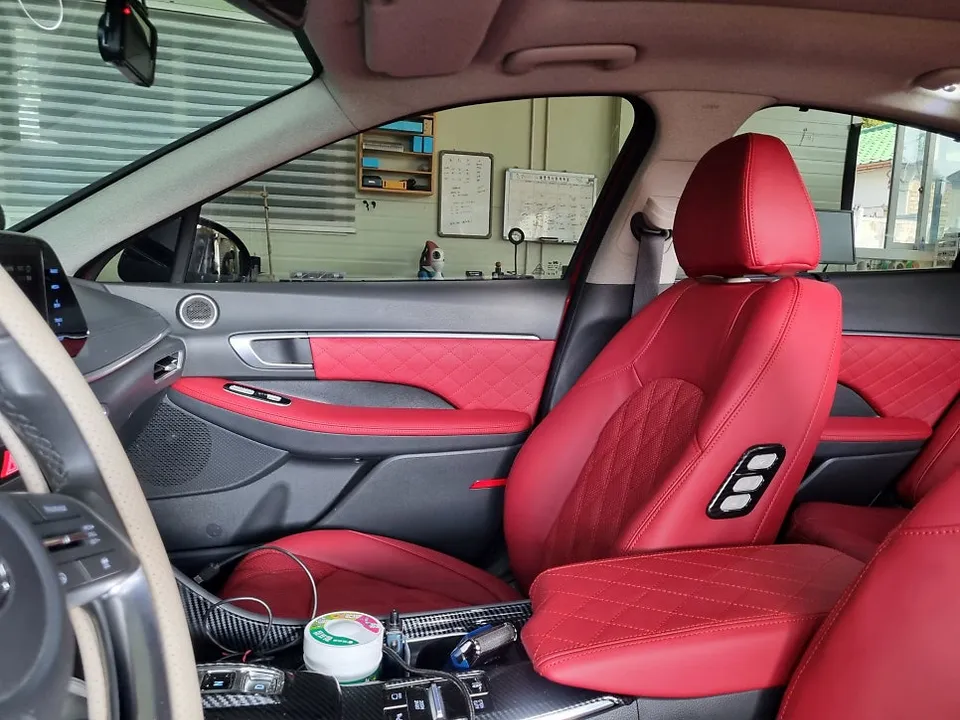
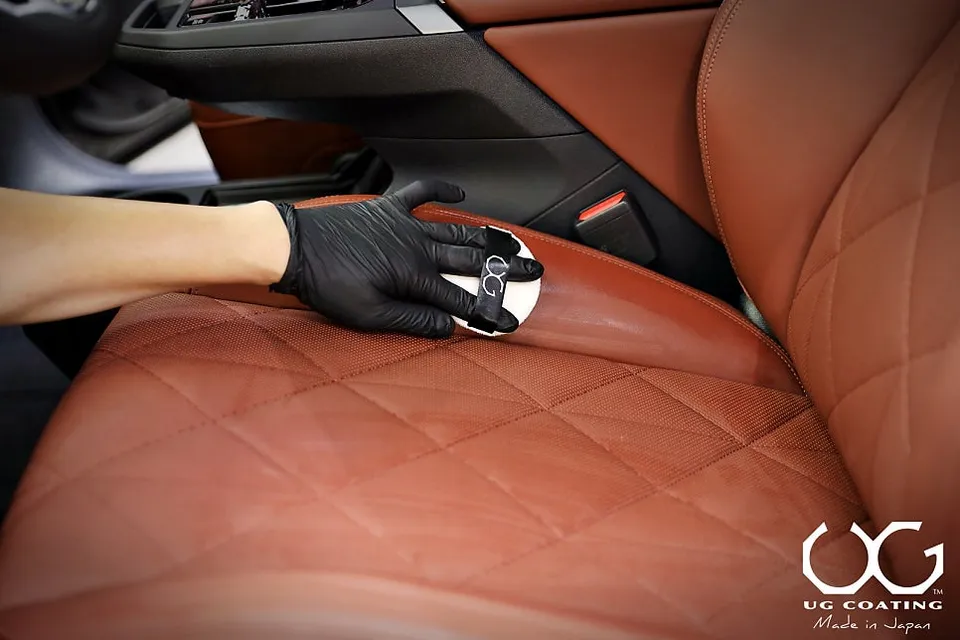
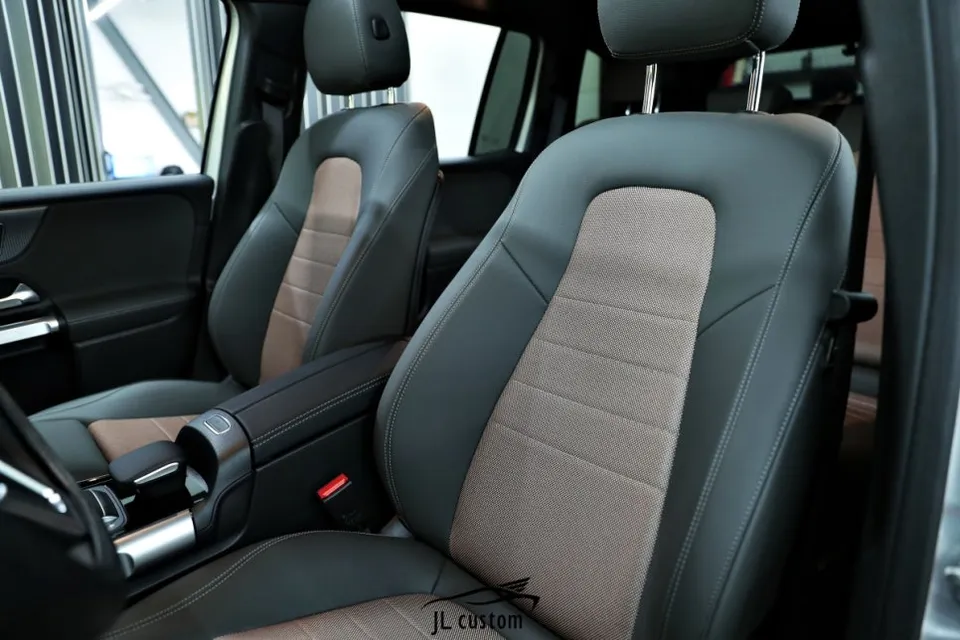
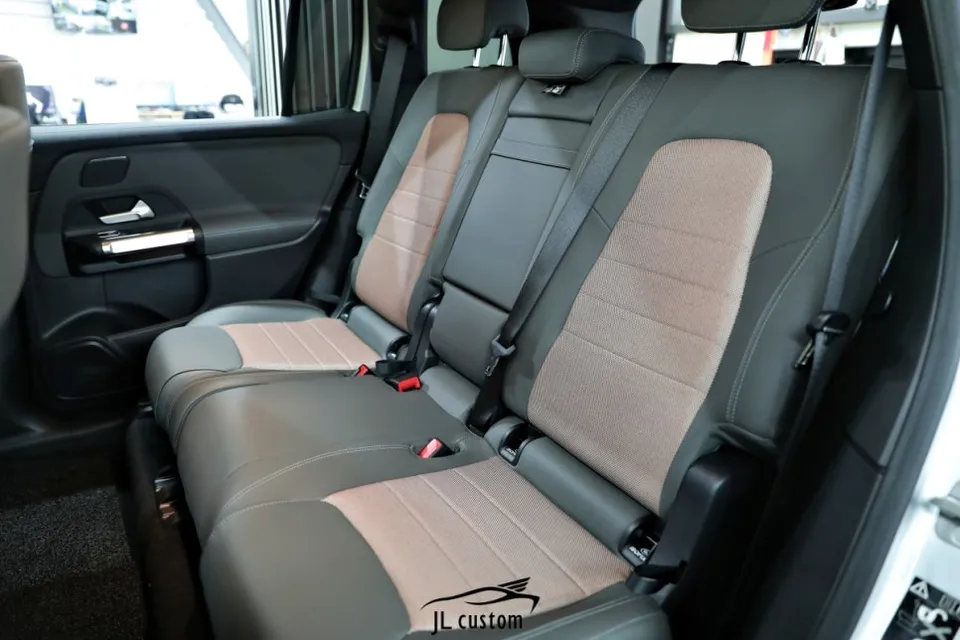
The primary reason EQB owners seek this upgrade is to combat the discomfort of unventilated seats. In summer, standard leather seats can become uncomfortably hot and sticky, leading to sweat and reduced driving pleasure. Conversely, in winter, they can remain frigid for extended periods. A seat climate upgrade directly addresses these issues by providing active cooling and heating. While the original Korean context mentions leather replacement as often necessary for effective ventilation due to the specific properties of the stock EQB leather, this is a crucial point for US/UK owners to consider. The process often involves replacing the original seat upholstery with a perforated material that allows air to circulate. This not only enables the ventilation function but also provides an opportunity to refresh or upgrade the interior's look and feel. Some installations even extend the leather replacement to the rear seats for a cohesive aesthetic, enhancing the overall cabin ambiance and ensuring a unified look.
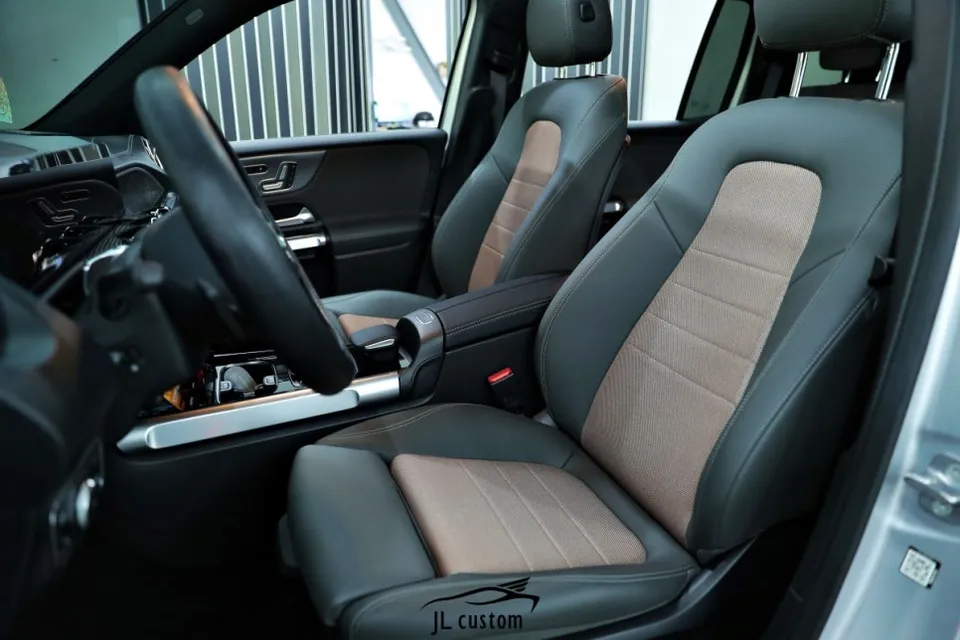
The Seat Ventilation & Heating Installation Process
Installing ventilated and heated seats involves several key steps to ensure optimal performance and integration. The process typically focuses on both the aesthetic and functional aspects of the upgrade.
- Seat Disassembly and Upholstery Replacement: The existing seat covers are carefully removed. If necessary for ventilation, new perforated leather or high-quality synthetic upholstery is fitted.
- Cooling/Heating Element Installation: Thin, efficient heating elements and/or cooling fans (often referred to as 'coolers') are strategically placed beneath the new upholstery. The Korean context highlights the use of silicone-based coolers to minimize noise and vibration, a significant improvement over older aluminum types. Typically, four coolers are installed per seat, with options to add more for enhanced cooling.
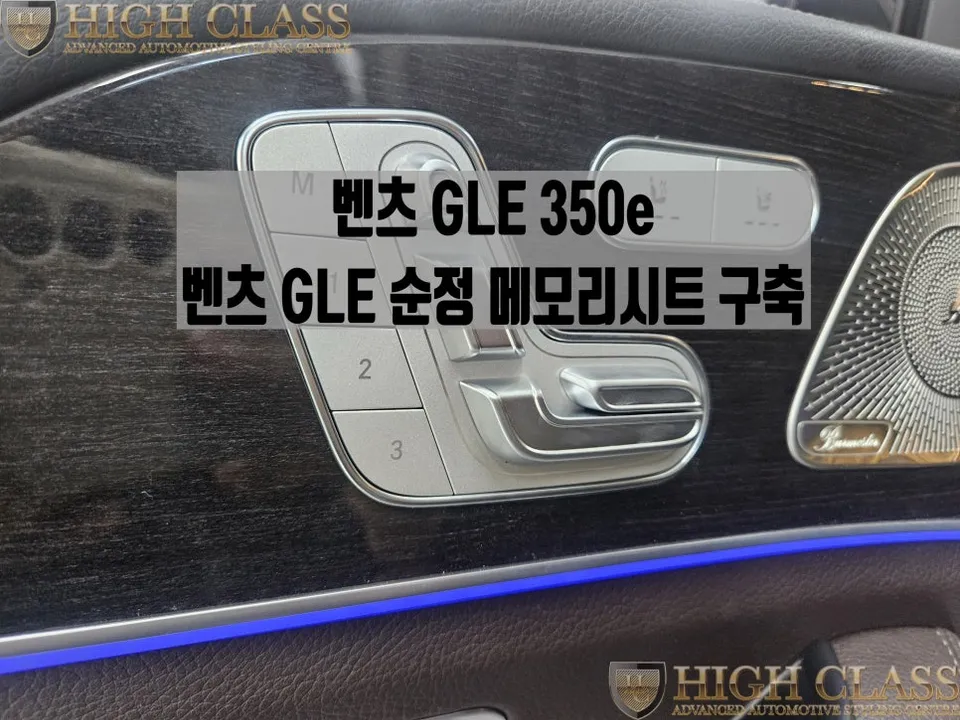
- Wiring and Control Integration: The new components are wired into the vehicle's electrical system. A crucial part of the installation is integrating the control switches. Many installers opt for 'genuine-style' switches that mimic the look and feel of factory controls, often placed in the same location as existing heated seat buttons for a seamless, OEM-like appearance.
- Reassembly and Testing: The seats are reassembled, and all functions are thoroughly tested to ensure proper operation of both heating and ventilation, as well as checking for any unusual noises or vibrations.
The goal is to achieve a factory-integrated look and feel, ensuring the new climate control features are as intuitive and unobtrusive as possible. The installation time typically ranges from 3 to 4 hours for the front seats.
Cost, Durability, and Making the Decision
The cost for a 1st-row seat ventilation and heating retrofit on a Mercedes-Benz EQB can vary. Based on the provided Korean context, the starting price for 1st-row ventilation and leather replacement is around 3 million Korean Won, which translates to approximately $2,200 USD (as of late 2023/early 2024 exchange rates). US pricing for similar retrofits often starts around $150+ for basic heating elements and can go up significantly for full ventilation systems with leather upgrades, potentially reaching $1,000-$3,000+ depending on the complexity and materials. Durability is generally good, especially with quality components and professional installation. Maintenance usually involves keeping the seat surfaces clean and ensuring no debris obstructs the ventilation outlets. The decision to upgrade hinges on your priorities. If you frequently experience discomfort due to seat temperature extremes, the enhanced comfort and driving experience can make this a very worthwhile modification, especially considering the EQB's premium nature.
Frequently Asked Questions
Q. How much does ventilated seat installation cost for a Mercedes-Benz EQB?
In Korea, the starting price for 1st-row ventilated seats with leather replacement is around 3 million KRW (approx. $2,200 USD). In the US, basic heated seat retrofits can start around $150+, with full ventilation systems costing significantly more.
Q. How long does seat ventilation installation take on a Mercedes-Benz EQB?
The durability of a seat ventilation and heating system is generally good with quality parts and professional installation. For maintenance, regularly clean the seat surfaces and ensure the ventilation perforations are free of debris.
Q. Are aftermarket ventilated seats worth it for a Mercedes-Benz EQB?
Ventilated and heated seats are highly recommended for drivers who frequently experience discomfort from extreme seat temperatures. The significant improvement in driving comfort and overall experience often justifies the investment.
Q. How are ventilated seats installed in a Mercedes-Benz EQB?
Installation involves disassembling the seats, fitting new perforated upholstery, installing cooling fans and heating elements beneath the surface, wiring the components, and integrating control switches for an OEM look. The seats are then reassembled and tested.
Q. What is the difference between OEM and aftermarket ventilated seats for a Mercedes-Benz EQB?
OEM ventilated seats are factory-installed options, offering seamless integration and guaranteed compatibility. Aftermarket retrofits, while not factory, can provide similar functionality and often use high-quality components with professional installation for a near-OEM appearance and performance.
OhCar Partner Shop