Mercedes-Benz EQE PPF Review: Cost-Effective Protection
Service Price
$150+
Estimated price · Actual price may vary by shop
Before
After
Process photos
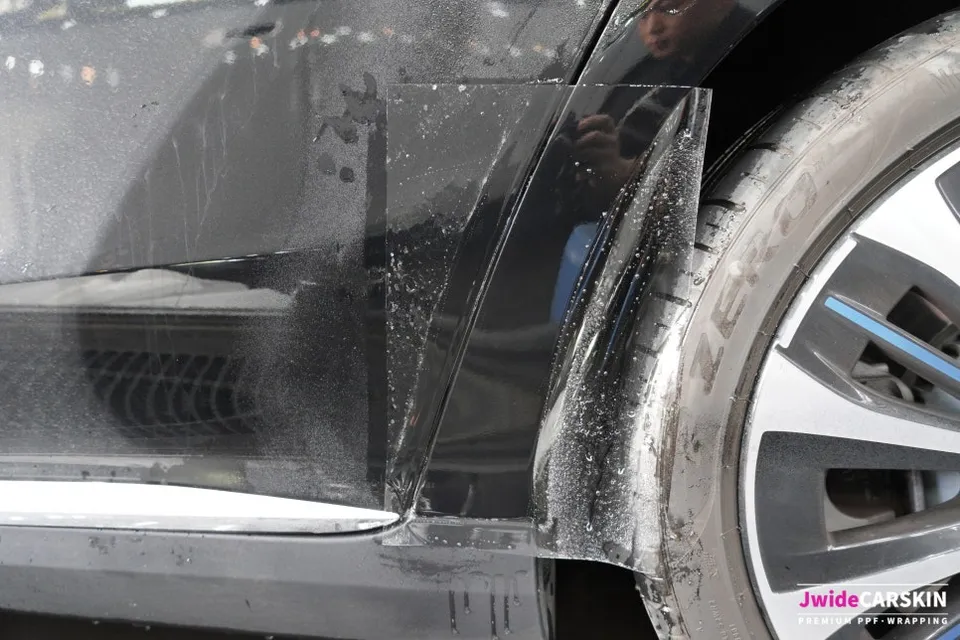
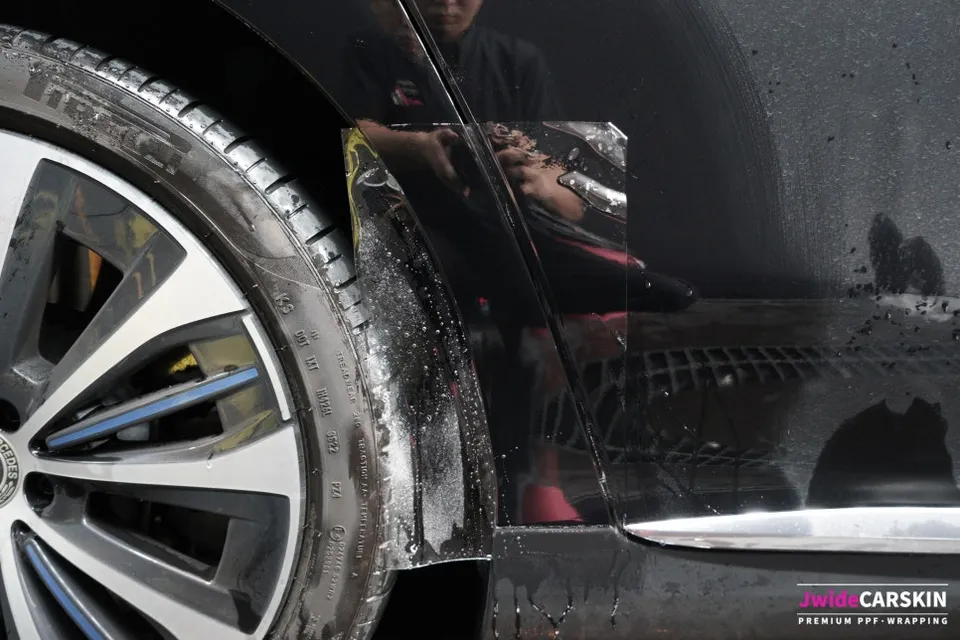
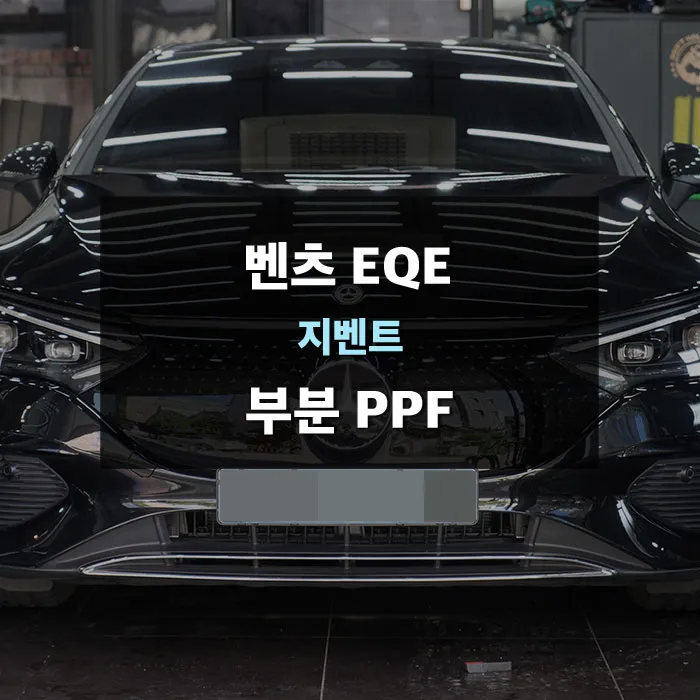
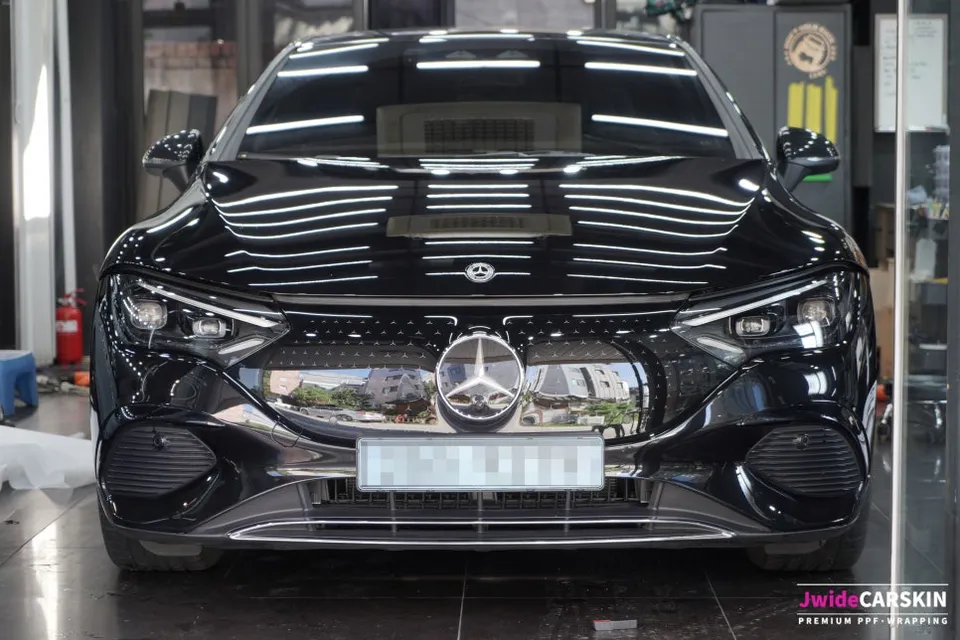
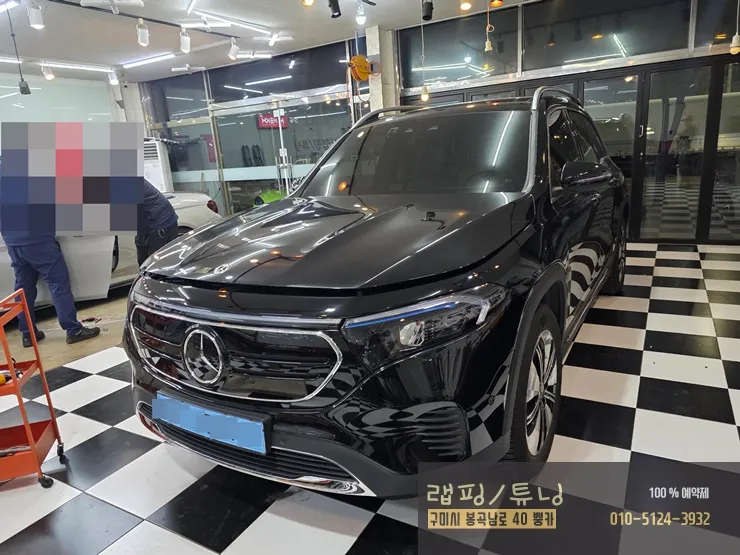
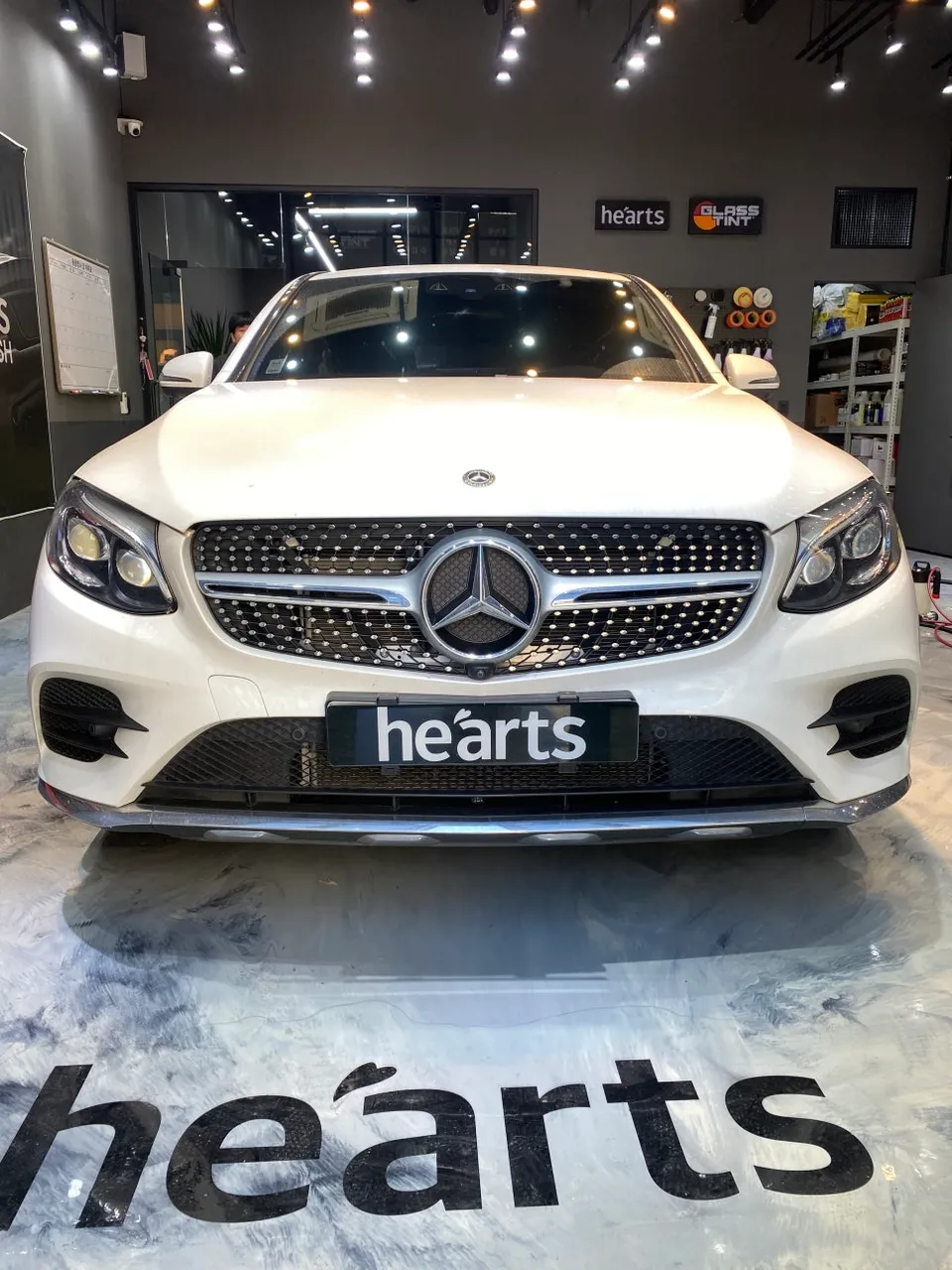
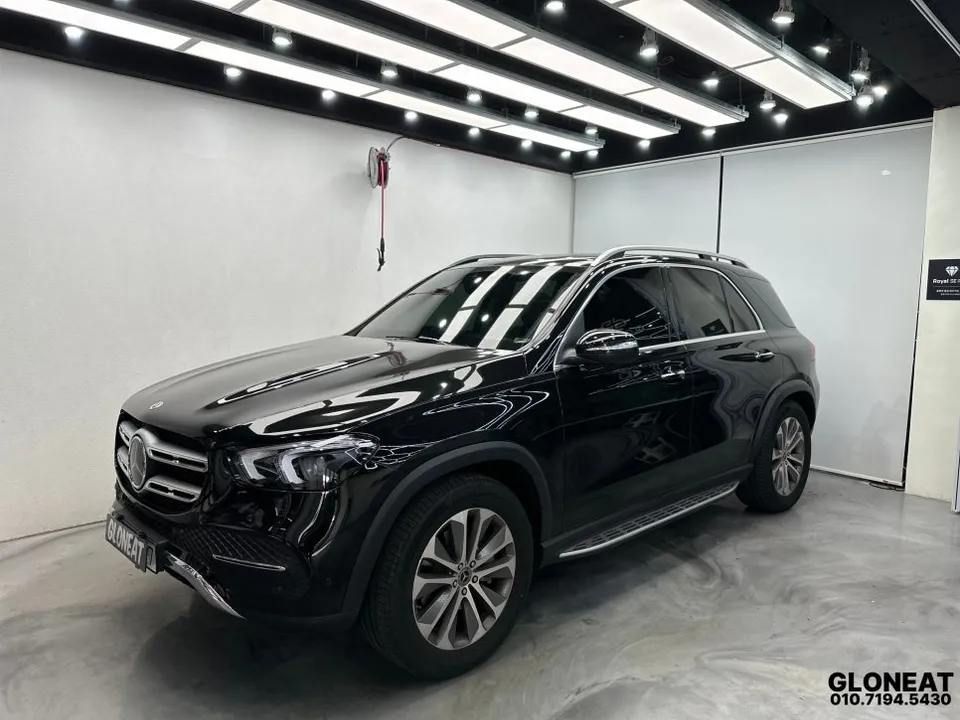
Mercedes-Benz EQE partial PPF: Protects high-impact areas like hood & fenders. Cost-effective solution for chip & scratch prevention.
Why Your Mercedes-Benz EQE Needs Partial Paint Protection Film (PPF)
The Mercedes-Benz EQE, a sophisticated electric vehicle, boasts a delicate paint finish that requires careful protection. Areas like the hood, fenders, and headlights are particularly vulnerable to damage from road debris, stone chips, and everyday scratches. Many EQE owners face the dilemma of wanting to preserve their vehicle's pristine condition without the significant investment of a full PPF wrap. This review explores a partial PPF application on a Mercedes-Benz EQE, demonstrating an economical yet highly effective method for safeguarding your luxury EV.
Considerations for Electric Vehicle Paint Protection
The clear coat on the Mercedes-Benz EQE is notably thinner than on conventional gasoline cars, making it more susceptible to physical damage. Proper drying after PPF installation is crucial; residual moisture can lead to lifting issues later on. Choosing a premium PPF brand, such as Xpel, is recommended for its superior clarity, ensuring the film is virtually invisible and maintains the paint's original gloss. However, complex areas like headlights and emblems require meticulous application by experienced installers to avoid wrinkles and bubbles.
Strategic Partial PPF Application for the EQE
A partial PPF kit for the Mercedes-Benz EQE typically focuses on 3-4 high-risk zones: the rear fenders, hood, headlights, and the iconic Mercedes-Benz star emblem. These areas are most prone to damage during daily use.
Installation Process:
- Surface Preparation: Thoroughly clean and decontaminate the vehicle's paintwork to ensure optimal adhesion.
- Film Cutting & Application: Precisely cut the PPF to fit the designated areas, carefully applying it to conform to the vehicle's curves.
- Heat & Squeegee: Use heat to activate the film's self-healing properties and a squeegee to remove any air bubbles or water.
- Edge Wrapping & Curing: Neatly wrap edges where possible and allow the film to cure completely, ensuring a seamless and durable finish.
Rear Fenders: The rear fenders are frequently scuffed by passengers' shoes when entering or exiting the vehicle. This can cause not only scratches but also heat-induced damage to the clear coat. PPF acts as a robust barrier against such wear. Installation typically takes about an hour.
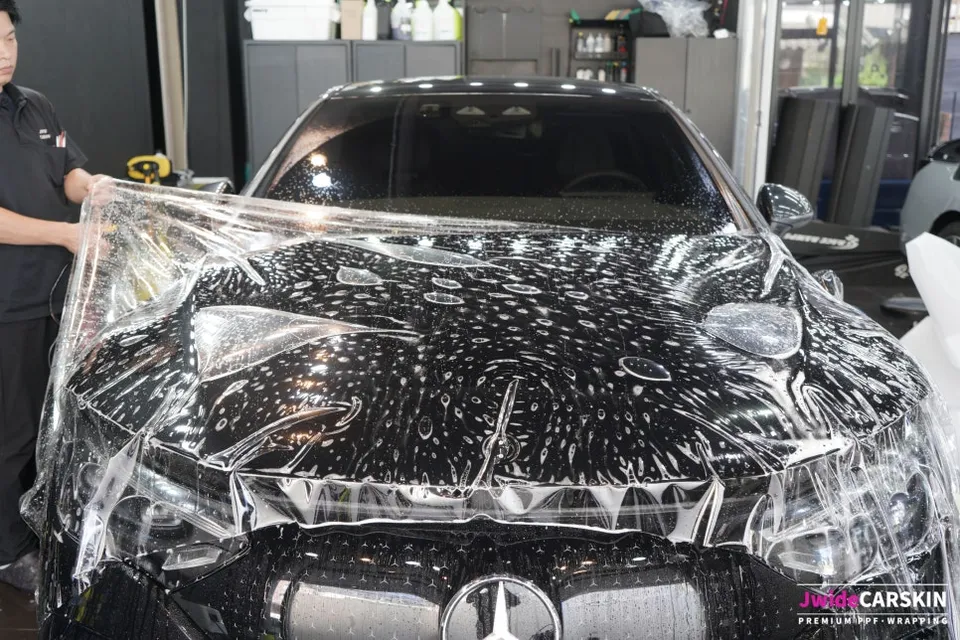
Hood: The hood is arguably the most exposed area to stone chips and debris from the road. Its large surface and complex curves present a significant installation challenge, requiring a skilled hand to apply a single piece of film without imperfections like wrinkles or air pockets. This part of the installation can take 2-3 hours.
Maintaining Value with Premium Film
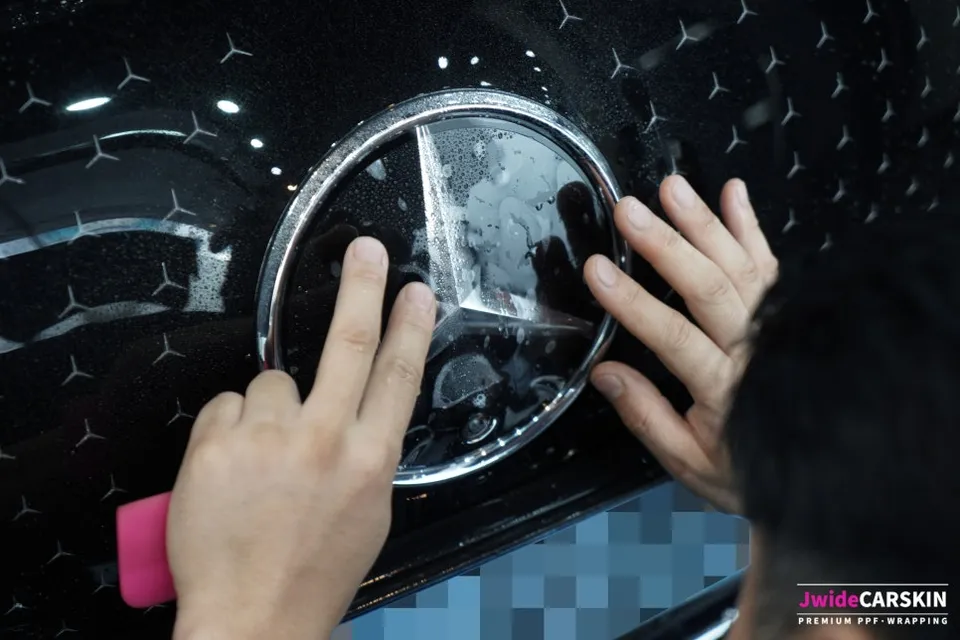
The Mercedes-Benz star emblem, with its broad clear surface, can lose its luster due to sun exposure and fine dust. Applying PPF protects this iconic detail.
The Xpel film used in this application is a globally recognized premium product, offering over 95% light transmission for a factory-like appearance. Unlike lower-quality films that may yellow within 3-5 years, Xpel maintains its clarity for over a decade. While premium films are 30-40% more expensive, they represent a worthwhile investment for preserving the long-term value and aesthetic appeal of a luxury vehicle like the EQE.
Headlights: Precision on Curved Surfaces
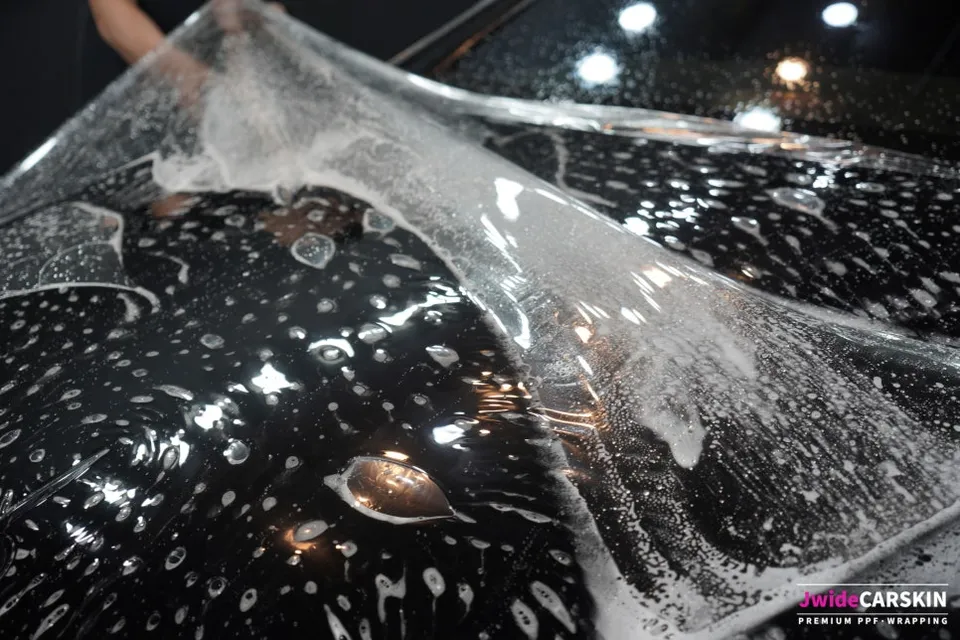
Headlights, made of plastic, have smooth, curved surfaces that benefit greatly from PPF protection. Beyond preventing chips, PPF shields the headlights from the oxidation that causes them to become cloudy over time – a common issue on older vehicles due to UV exposure and physical damage.
However, the intricate curves of headlights make PPF application technically demanding. Inexperienced installation can lead to visible seams, wrinkles, or premature lifting. Therefore, choosing an installer with proven expertise in headlight PPF is crucial. Protecting both headlights typically requires 1.5 to 2 hours.
Frequently Asked Questions
Q. How much does PPF cost for a Mercedes-Benz EQE?
The partial PPF application on this Mercedes-Benz EQE focused on key areas and represents a cost-effective solution. Typical PPF costs in the US can range from $500 for partial kits to over $2,000 for full car coverage, depending on the vehicle and film quality.
Q. How long does PPF last on a Mercedes-Benz EQE?
Premium PPF films like Xpel are designed to last over 10 years, maintaining their clarity and protective qualities. Regular washing and avoiding harsh chemical cleaners will help extend the film's lifespan.
Q. Is PPF worth it for a Mercedes-Benz EQE?
PPF is highly recommended for Mercedes-Benz EQE owners who frequently drive on highways or are concerned about paint damage from road debris. It's a valuable investment for maintaining the vehicle's resale value and pristine appearance.
Q. How is PPF installed on a Mercedes-Benz EQE?
PPF installation involves meticulous surface preparation, precise film cutting to match the vehicle's contours, and careful application using heat and squeegees to eliminate air bubbles. Edges are then neatly finished, and the film is allowed to cure.
Q. What is the difference between PPF and ceramic coating for a Mercedes-Benz EQE?
PPF provides physical protection against scratches and chips, while ceramic coating offers a hard, hydrophobic layer primarily for gloss enhancement and protection against minor contaminants. For comprehensive protection against physical damage, PPF is the superior choice.
OhCar Partner Shop
More ppf Reviews
See all →

More Mercedes-Benz Reviews
Pair with Another Service
Add hydrophobic protection on top of PPF
Complete your new car protection package