Mercedes-Benz GLE Seat Climate Upgrade Review
Service Price
$40–80
Estimated price · Actual price may vary by shop
Before
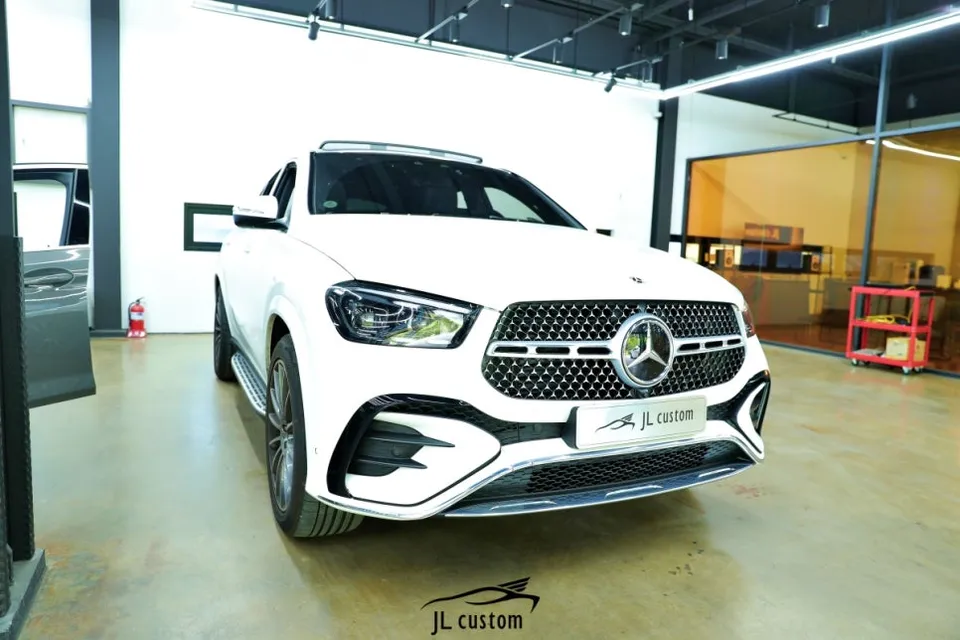
After
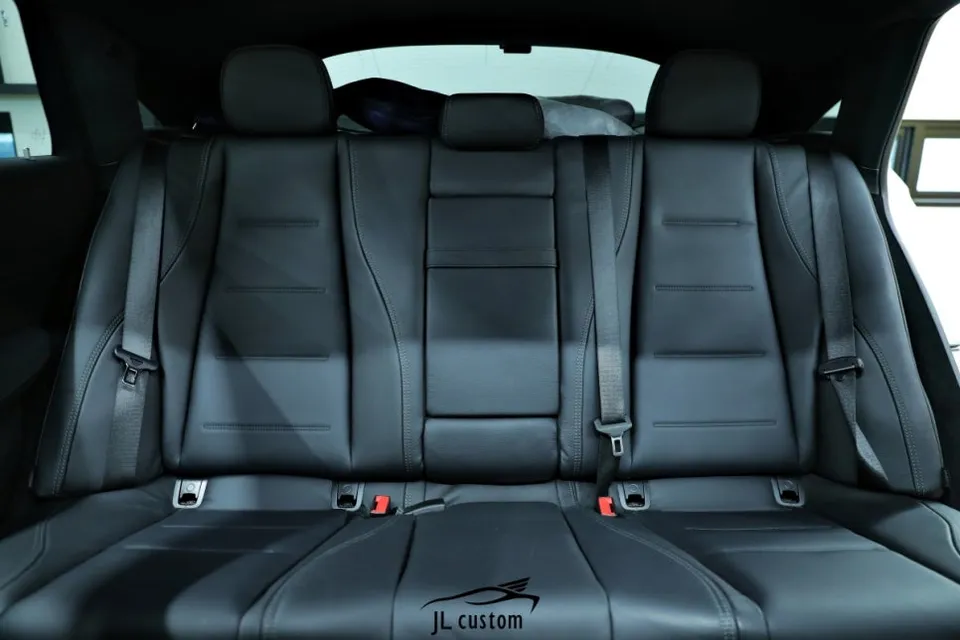
Mercedes-Benz GLE ventilated seat retrofit: Approx. $300-$520 USD. Enjoy enhanced comfort with cooling airflow.
Enhancing Your Mercedes-Benz GLE with Seat Ventilation & Heating
For Mercedes-Benz GLE owners in warmer climates, the absence of factory-installed ventilated seats can be a significant drawback, especially during sweltering summer months. Many owners find themselves seeking aftermarket solutions to improve cabin comfort. This review delves into the process, benefits, and considerations of a Seat Ventilation & Heating retrofit for your GLE, aiming to provide a clear picture of the investment and the resulting comfort.
Why Consider a Seat Climate Upgrade for Your GLE?
The primary driver for seeking a seat climate upgrade is comfort. On hot days, standard leather seats can become uncomfortably warm, diminishing the driving experience for everyone, particularly rear passengers. While some GLE models may come with heated seats, adding ventilation provides a crucial cooling function. The Korean context highlights that imported cars often lack these features as standard, leading to consistent demand for integrated, factory-like installations. The goal is to achieve a seamless look and feel, as if the option was present from the factory. While exact pricing requires a consultation, the estimated cost in Korea for such a retrofit typically ranges from 400,000 to 700,000 KRW (approximately $300-$520 USD, subject to exchange rates), varying based on vehicle year, the extent of the installation (front/rear seats), the number and quality of cooling fans used, and labor costs at different service centers.
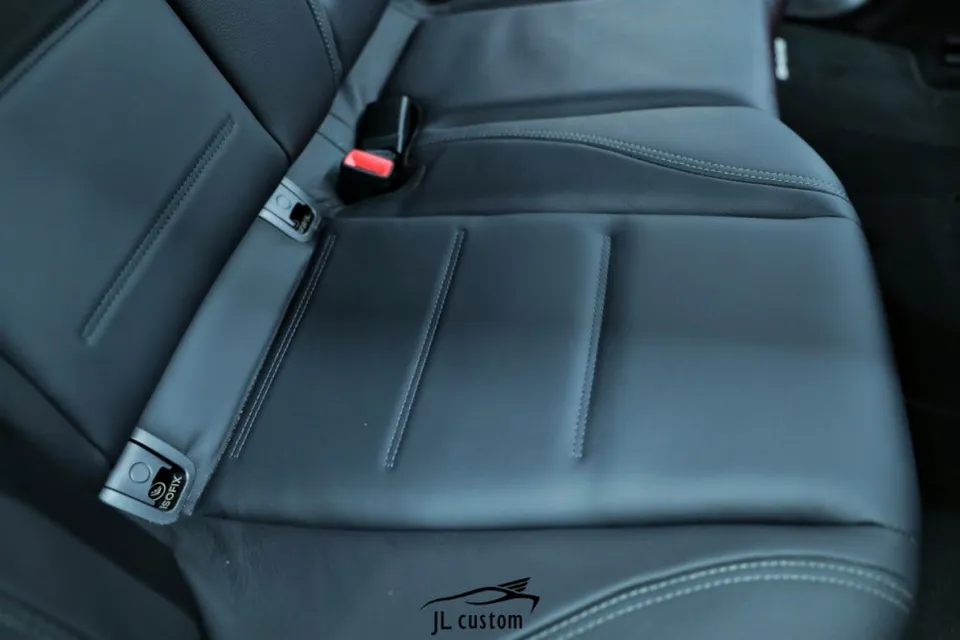
The Seat Ventilation & Heating Installation Process
The installation process for ventilated seats aims to integrate the system discreetly and effectively. For a Mercedes-Benz GLE, this typically involves several key steps:
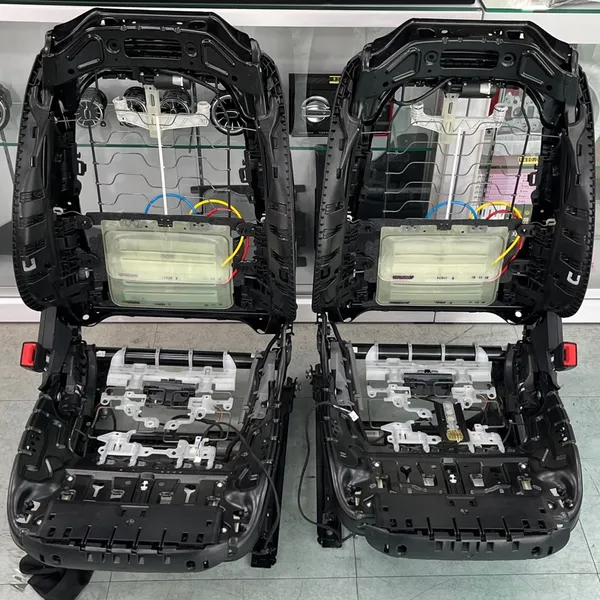
- Seat Disassembly and Preparation: The seat covers are carefully removed to access the underlying foam and frame.
- Seat Surface Perforation: Small, precise holes are made in the leather upholstery. This is a critical step to allow air to flow through the seat effectively without compromising the material's integrity or appearance.
- Fan Installation: Multiple cooling fans (often 4 per seat as a standard, with options for more) are securely mounted within the seat structure. These fans are typically made of silicone to minimize noise and vibration, ensuring a quiet operation. They are strategically placed to cover both the seat base and the seat back.
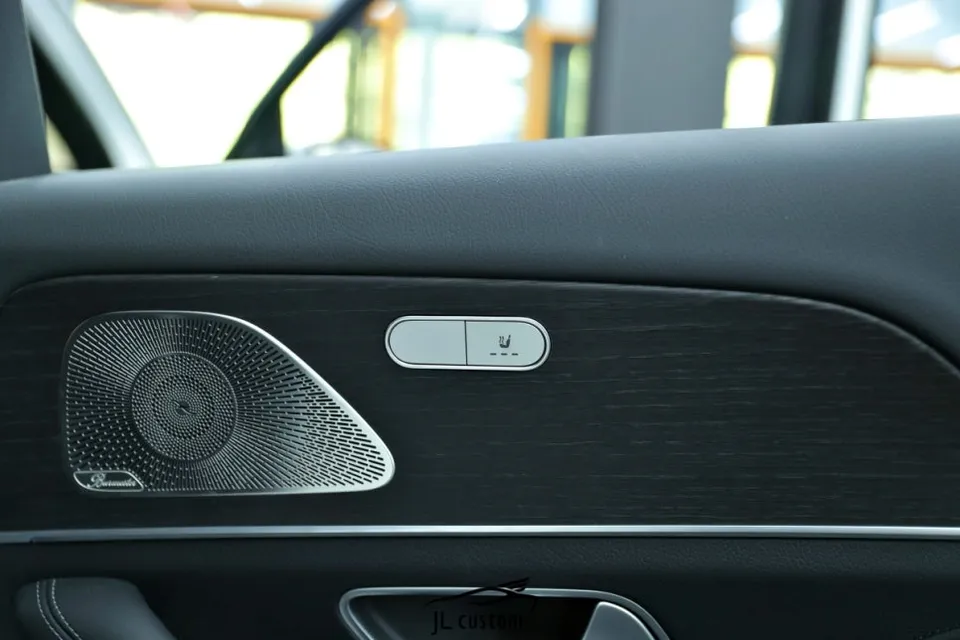
- Wiring and Integration: The fans are wired to the vehicle's electrical system. A key aspect of a high-quality installation is integrating the controls seamlessly. This often means utilizing existing heated seat buttons or adding a new, discreet button with a ventilation icon next to the climate controls, mimicking an OEM (Original Equipment Manufacturer) setup.
- Reassembly and Testing: The seat covers are reinstalled, and the system is thoroughly tested to ensure proper airflow and functionality.
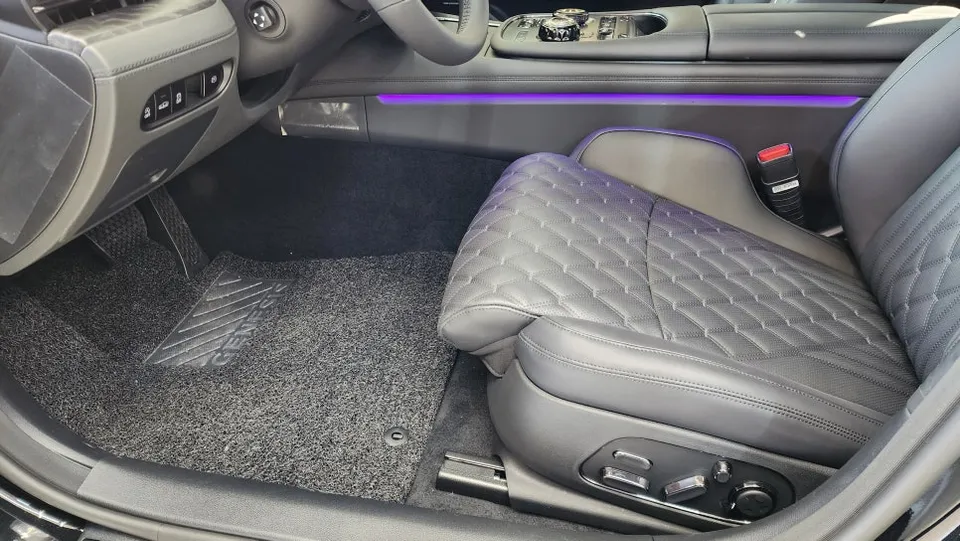
The result is a system that looks and feels like a factory option. The perforated leather is designed to be aesthetically pleasing and comfortable, while the fans provide a noticeable cooling effect. For families or those who frequently carry passengers, extending this comfort to the rear seats can significantly enhance the overall travel experience.
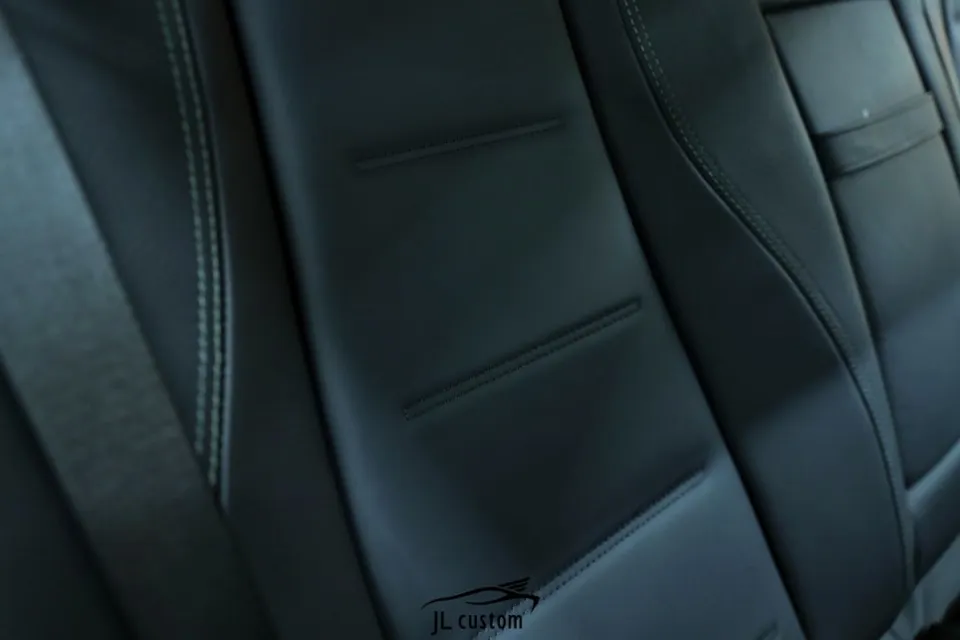
Durability, Maintenance, and Is It Worth It?
A well-executed Seat Ventilation & Heating installation is designed for longevity. The fans used are typically durable, and the wiring is integrated to withstand regular use. The expected lifespan of the system's performance is generally around 3 to 5 years, though this can be influenced by usage frequency and how well the seats are maintained. Regular cleaning of the seat surfaces can help prevent debris from potentially affecting the fans. The installation itself usually takes between 3 to 5 hours, depending on the complexity and the number of seats being worked on. Ultimately, the decision of whether a seat climate upgrade is worth it depends on individual priorities. For those who highly value comfort, especially in hot weather, and find the lack of ventilated seats a significant detractor from their GLE ownership experience, the investment can be highly rewarding. It transforms the cabin into a more pleasant environment for all occupants, potentially increasing passenger satisfaction and the overall enjoyment of the vehicle.
Frequently Asked Questions
Q. How much does ventilated seat installation cost for a Mercedes-Benz GLE?
In Korea, the estimated cost for a Seat Ventilation & Heating retrofit on a Mercedes-Benz GLE typically ranges from 400,000 to 700,000 KRW (approximately $300-$520 USD). US pricing can vary significantly based on the installer and specific components used.
Q. How long does seat ventilation installation take on a Mercedes-Benz GLE?
The installation process for ventilated seats on a Mercedes-Benz GLE generally takes between 3 to 5 hours. Proper maintenance, including regular cleaning of the seat surfaces, can help ensure the system's longevity, which typically lasts 3 to 5 years.
Q. Are aftermarket ventilated seats worth it for a Mercedes-Benz GLE?
Aftermarket ventilated seats are often worth it for Mercedes-Benz GLE owners who prioritize enhanced comfort, especially in hot climates. The upgrade significantly improves the driving and passenger experience by providing cooling airflow, making it a valuable addition for many.
Q. How are ventilated seats installed in a Mercedes-Benz GLE?
Installation involves carefully perforating the seat leather, securely mounting multiple cooling fans within the seat structure, and integrating the wiring for seamless control. The process typically takes 3-5 hours to ensure a factory-like appearance and function.
Q. What is the difference between OEM and aftermarket ventilated seats for a Mercedes-Benz GLE?
OEM ventilated seats are integrated from the factory with specific vehicle electronics, while aftermarket installations add cooling fans and controls to existing seats. Aftermarket options offer a way to add this feature if not originally equipped, often at a lower cost than factory upgrades.
OhCar Partner Shop