Mercedes-Benz G-Wagon Body Kit Installation Review
Service Price
$115–150
Estimated price · Actual price may vary by shop
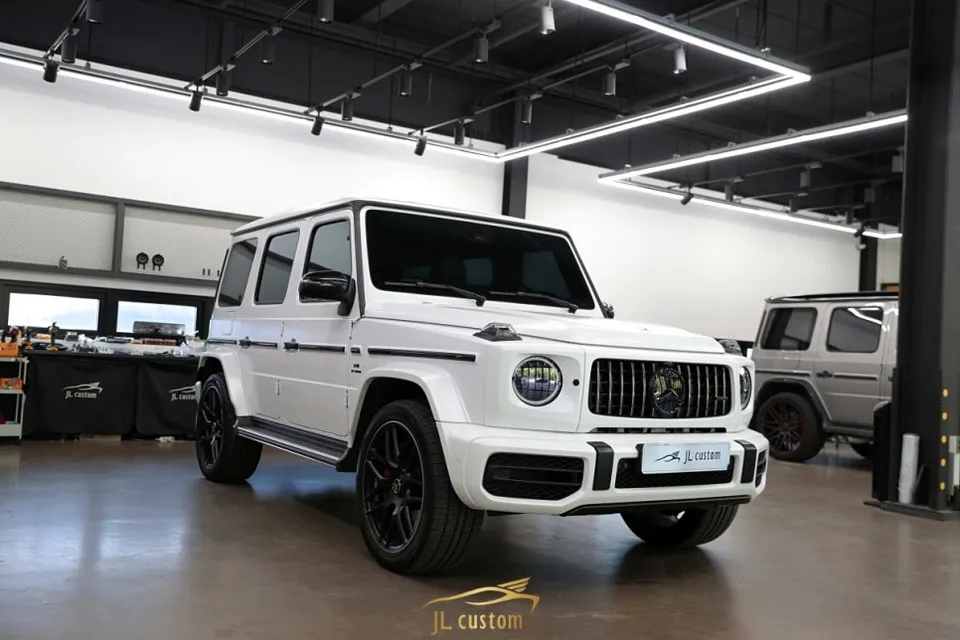
Mercedes-Benz G-Wagon body kit installation: Costs vary widely. Enhances visual appeal and stance. Worth it for unique styling.
Elevate Your Mercedes-Benz G-Wagon with a Custom Body Kit
The Mercedes-Benz G-Wagon is an icon of rugged luxury, but for some owners, its already imposing presence can be further enhanced. A body kit, often referred to as an aero kit, offers a way to personalize your G-Wagon, potentially improving aerodynamics and definitely boosting its visual appeal. This review delves into the specifics of body kit installation for the G-Wagon, covering what to expect regarding cost, the transformation process, and whether this upgrade is a worthwhile investment for your vehicle.
Understanding Body Kit Installation and Costs
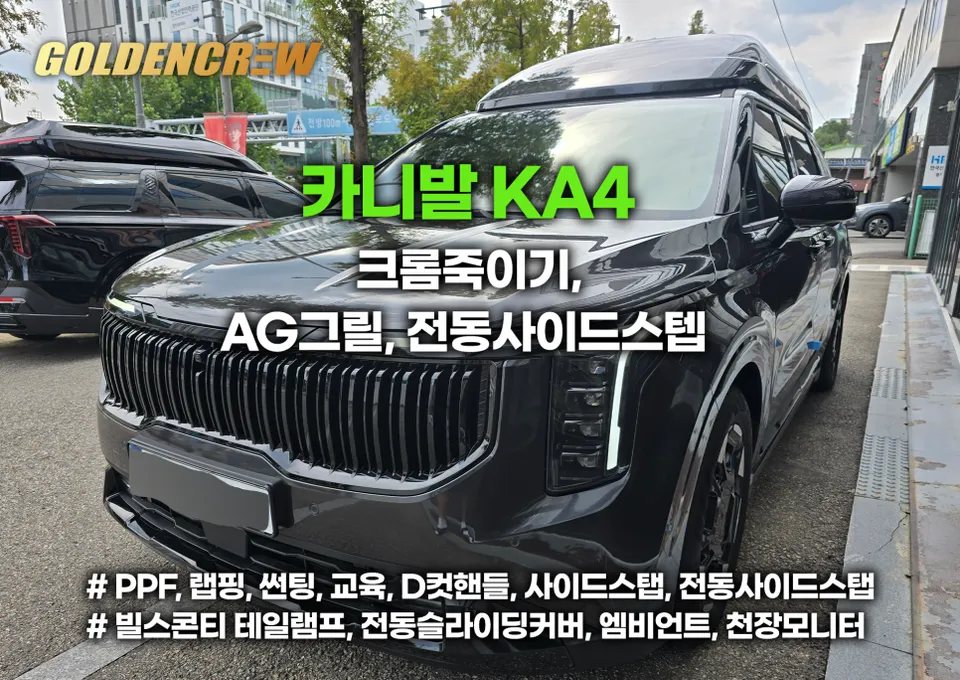
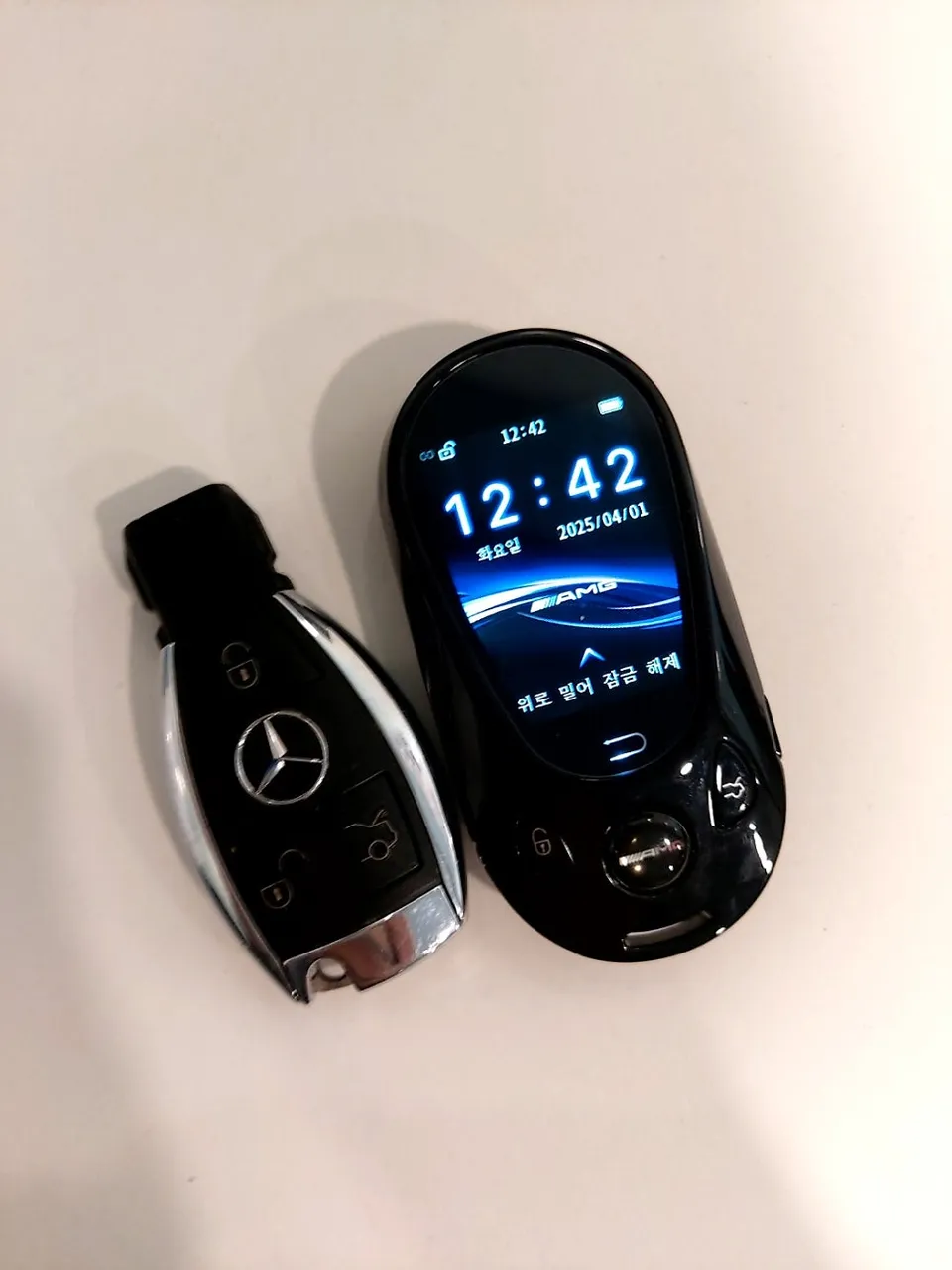
When considering a body kit for your G-Wagon, it's essential to understand that this isn't a simple bolt-on modification. The process involves fitting new aerodynamic components, which can include front lips, side skirts, rear diffusers, and spoilers. The original Korean context for this review highlights several popular G-Wagon tuning options, including keyless entry systems, Brabus exhaust systems, and electric side steps, all aimed at enhancing convenience and performance. While these specific items aren't strictly 'body kits,' they represent the type of premium aftermarket enhancements G-Wagon owners often seek. The cost of a body kit itself can vary significantly based on the brand, material (such as FRP or polyurethane), and complexity. Professional installation is highly recommended to ensure a perfect fit and finish, preventing issues like panel gaps or damage to the vehicle's original bodywork. In Korea, the estimated price for certain enhancements mentioned was around ₩115,000–₩150,000, which translates to approximately $85-$110 USD, but this is for specific accessory installations, not a full body kit. A comprehensive body kit installation for a G-Wagon in the US can range from $2,000 to $10,000 or more, depending on the kit's quality and the labor involved.
Before & After: The Visual Transformation
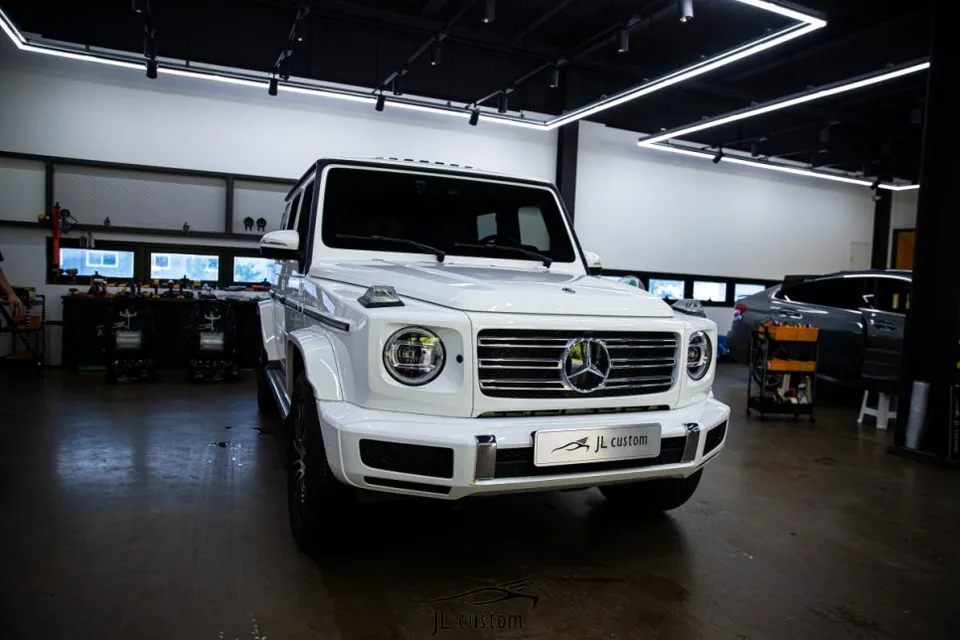
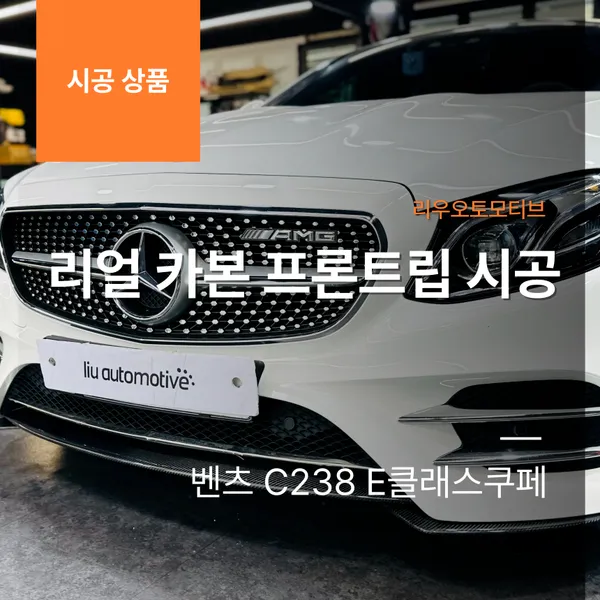
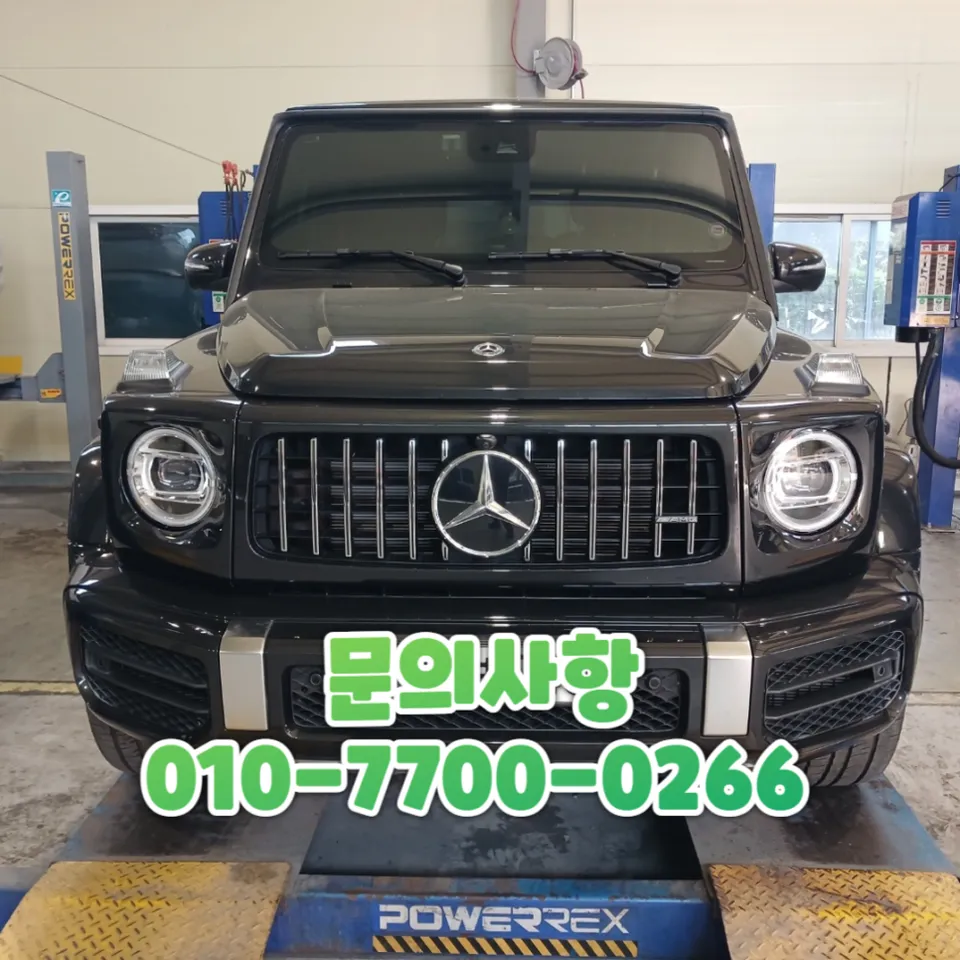
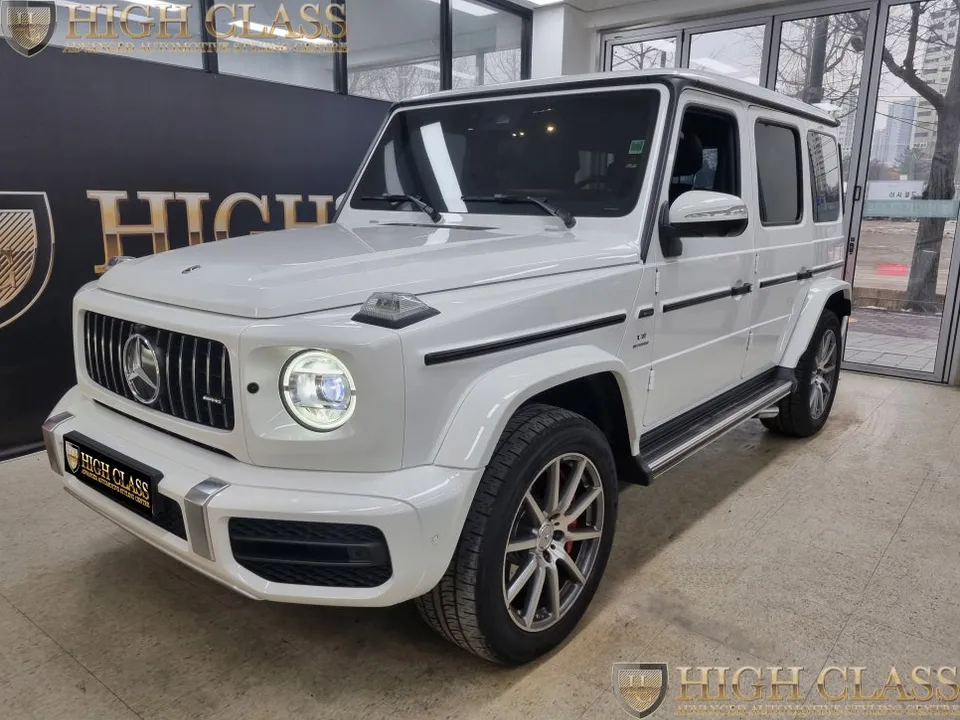
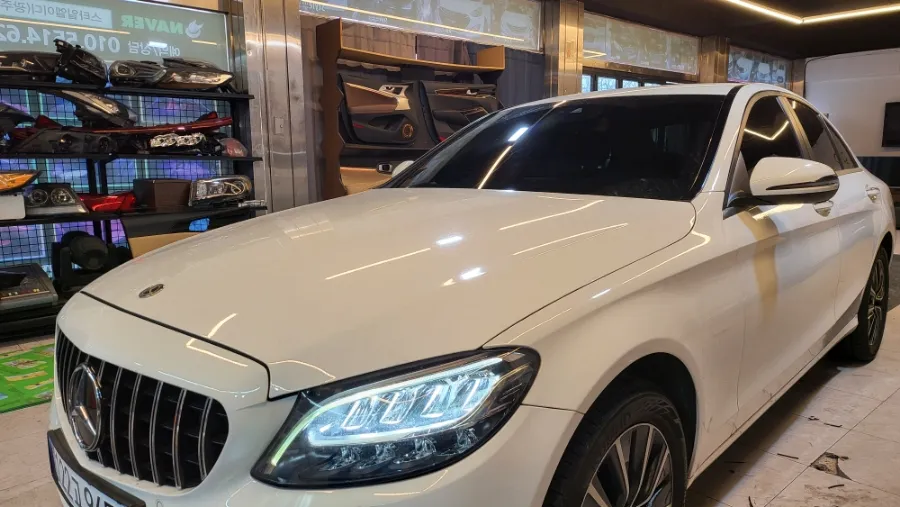
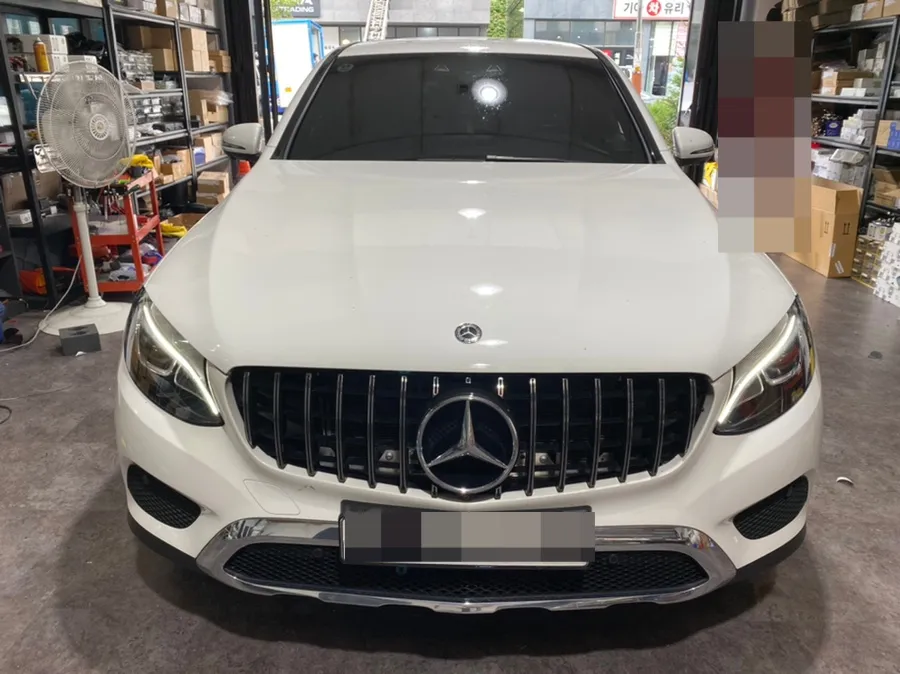
The most dramatic impact of a body kit is the visual transformation. A well-designed kit can make a G-Wagon appear lower, wider, and more aggressive. For instance, a new front lip can give the vehicle a more planted stance, while extended side skirts visually lower the vehicle's profile. The Korean context mentions how items like Brabus exhaust tips enhance the rear aesthetics, giving it a more refined and sporty look. Similarly, a body kit can achieve this by adding custom bumpers or diffusers. The 'before' is the classic, robust G-Wagon silhouette, and the 'after' is a more bespoke, performance-oriented version tailored to the owner's taste. Durability is a key consideration; high-quality kits made from durable materials like polyurethane tend to withstand daily driving impacts better than cheaper FRP alternatives. Proper maintenance, including regular cleaning and occasional waxing, will help preserve the finish and integrity of the body kit components for years to come.
Is a G-Wagon Body Kit Worth the Investment?
Deciding whether a body kit is 'worth it' depends on your priorities. If you're looking to significantly differentiate your G-Wagon from others and achieve a unique aesthetic, then a body kit can be a worthwhile investment. It's a way to express personal style on an already distinctive vehicle. However, it's crucial to weigh the cost against the benefits. The installation process requires precision, and the materials' durability will impact long-term satisfaction. The Korean context emphasizes high-quality assurance for their services, which is a good indicator of what to look for. For G-Wagon owners who value exclusivity and a more aggressive stance, a body kit can be a rewarding upgrade. For those content with the stock appearance or concerned about potential damage from rough terrain or parking mishaps, it might be best to skip this modification. Ultimately, the decision hinges on your budget, aesthetic goals, and tolerance for the risks associated with aftermarket body modifications.
Installation Process:
- Preparation: The vehicle's existing bumpers and trim pieces are carefully removed. The new body kit components are test-fitted to ensure proper alignment.
- Modification & Fitting: Minor adjustments or trimming may be necessary for a perfect fit. Mounting points are identified and prepared.
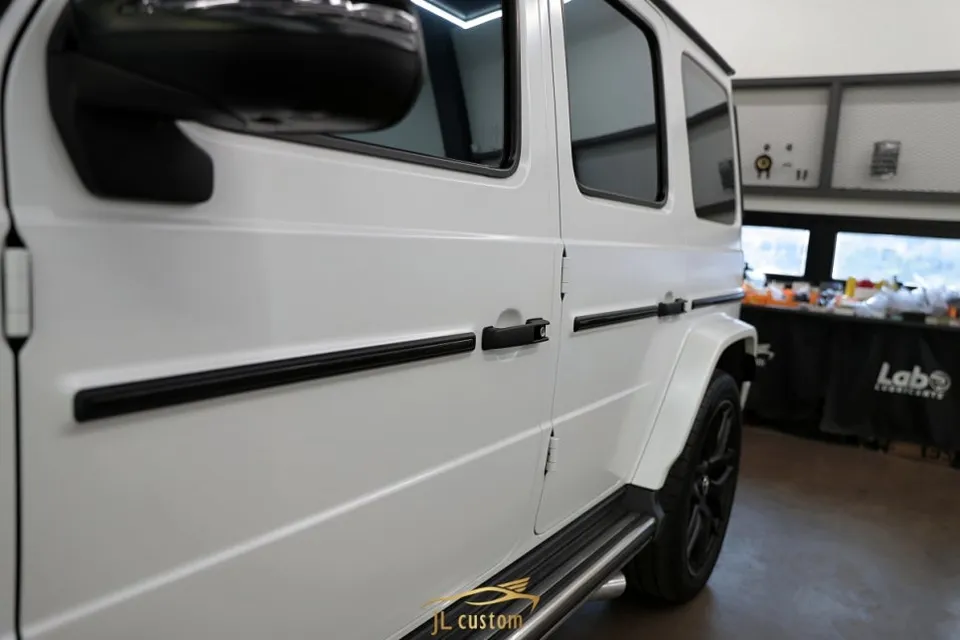
- Attachment: The body kit parts are securely attached using a combination of specialized adhesives, bolts, and clips, often integrated into the vehicle's existing mounting points.
- Finishing: Gaps are sealed, and the new components are prepared for paint. After painting to match the vehicle's color, they are installed for the final look.
Frequently Asked Questions
Q. How much does a body kit cost for a Mercedes-Benz G-Wagon?
The cost for a full body kit installation on a Mercedes-Benz G-Wagon can range from $2,000 to over $10,000 in the US, depending on the kit's brand and complexity. Specific accessory installations in Korea were priced around ₩115,000–₩150,000.
Q. How long does body kit installation take on a Mercedes-Benz G-Wagon?
Body kit installation typically takes several days to complete, including preparation, fitting, painting, and final assembly. Proper maintenance involves regular washing and waxing to preserve the finish and material integrity.
Q. Is a body kit worth it for a Mercedes-Benz G-Wagon?
A body kit is worth it for Mercedes-Benz G-Wagon owners seeking a unique, aggressive aesthetic and personalized style. It offers a significant visual transformation, making it a rewarding upgrade for those prioritizing exclusivity.
Q. How is a body kit installed on a Mercedes-Benz G-Wagon?
Installation involves removing factory parts, test-fitting new components, making necessary adjustments, and securely attaching the kit using adhesives and fasteners. Finally, the parts are painted to match the vehicle and installed.
Q. What is the difference between FRP and polyurethane body kits for a Mercedes-Benz G-Wagon?
Polyurethane kits are generally more flexible and durable, better able to withstand minor impacts than FRP (Fiber Reinforced Plastic) kits. For daily driving and longevity, polyurethane is often the recommended choice.
OhCar Partner Shop