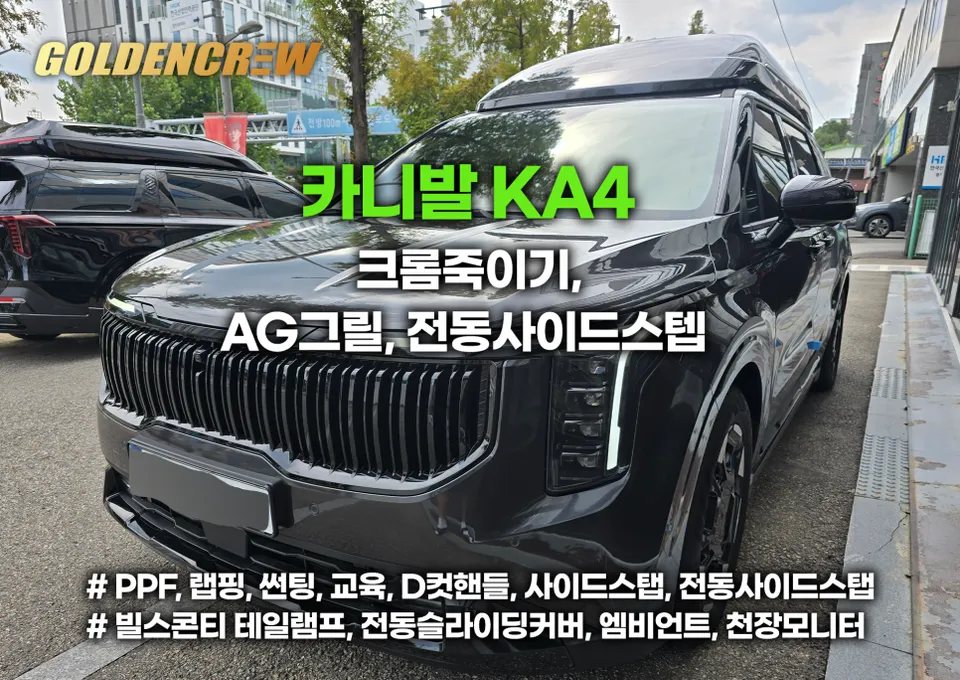
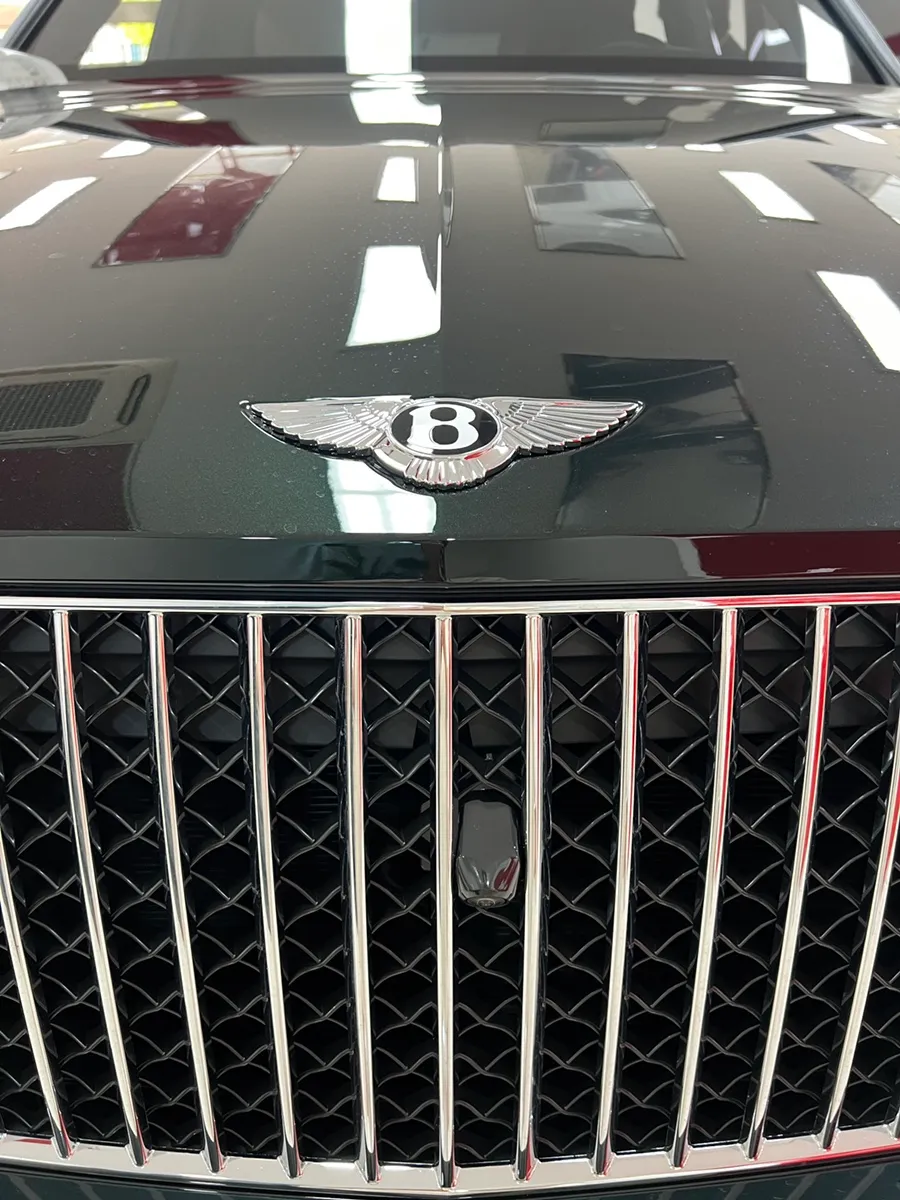
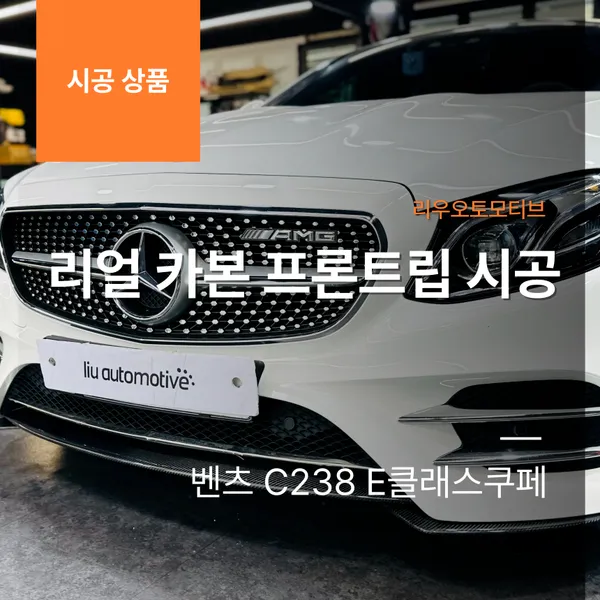
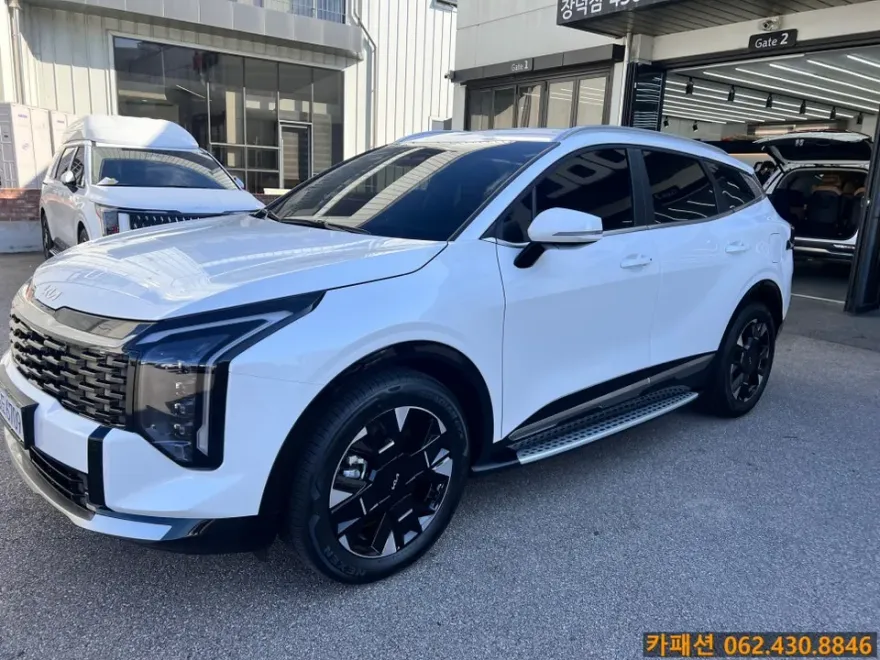
BMW 3 Series Body Kit Installation Review
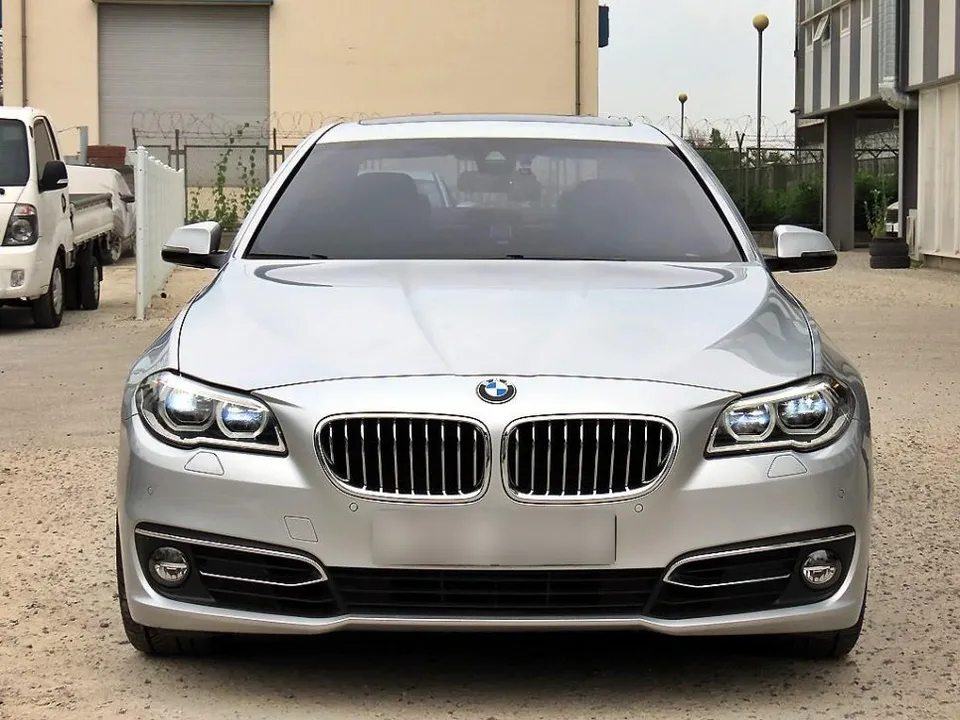
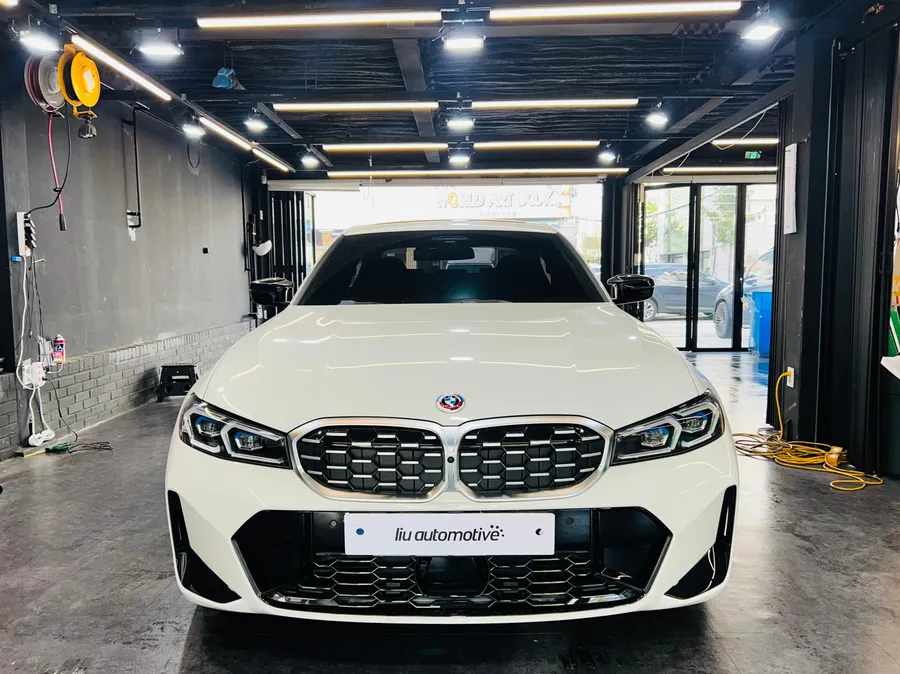
Before
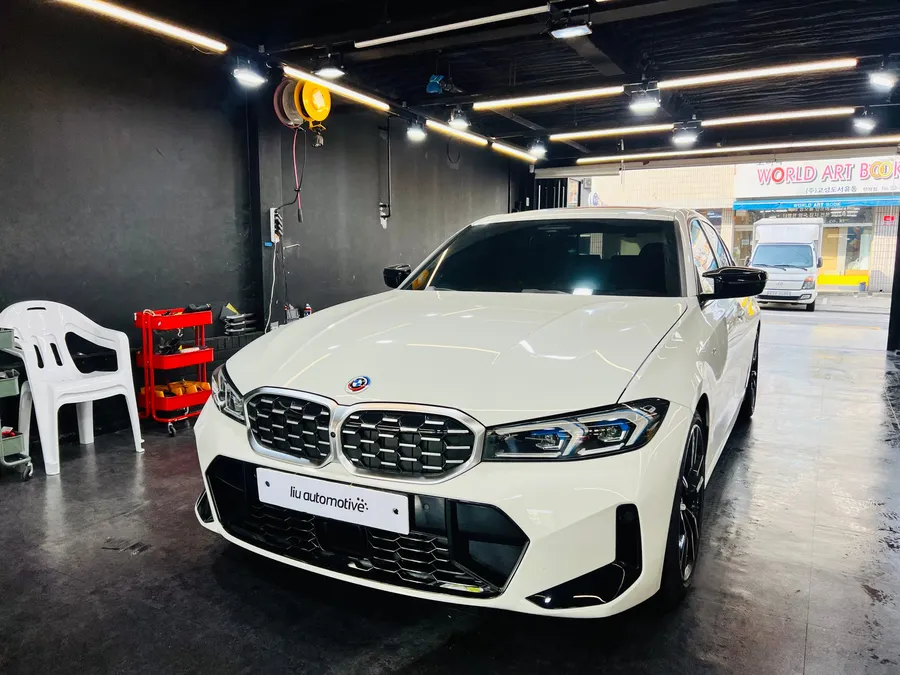
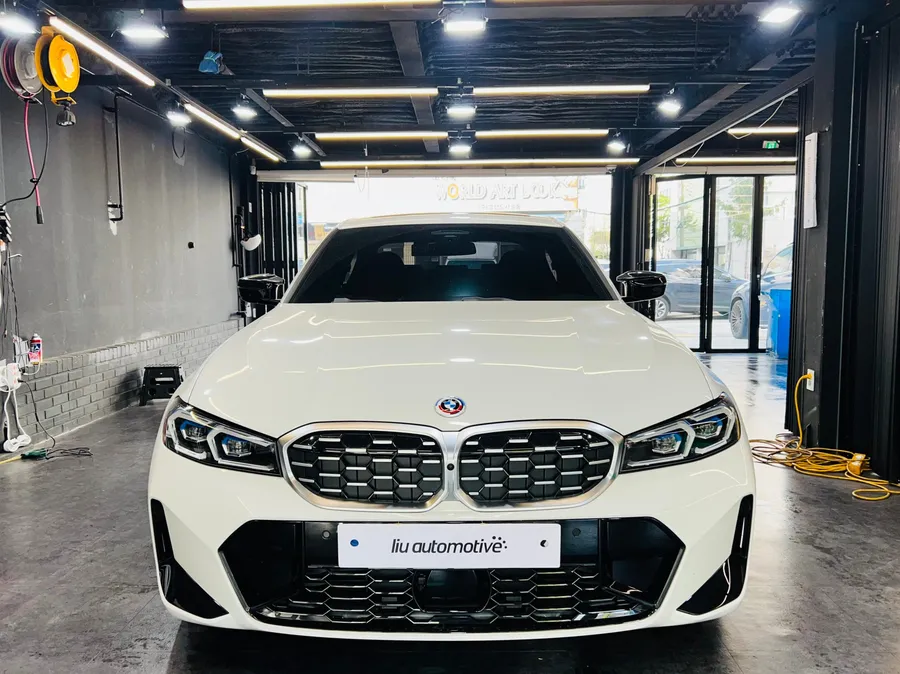
After
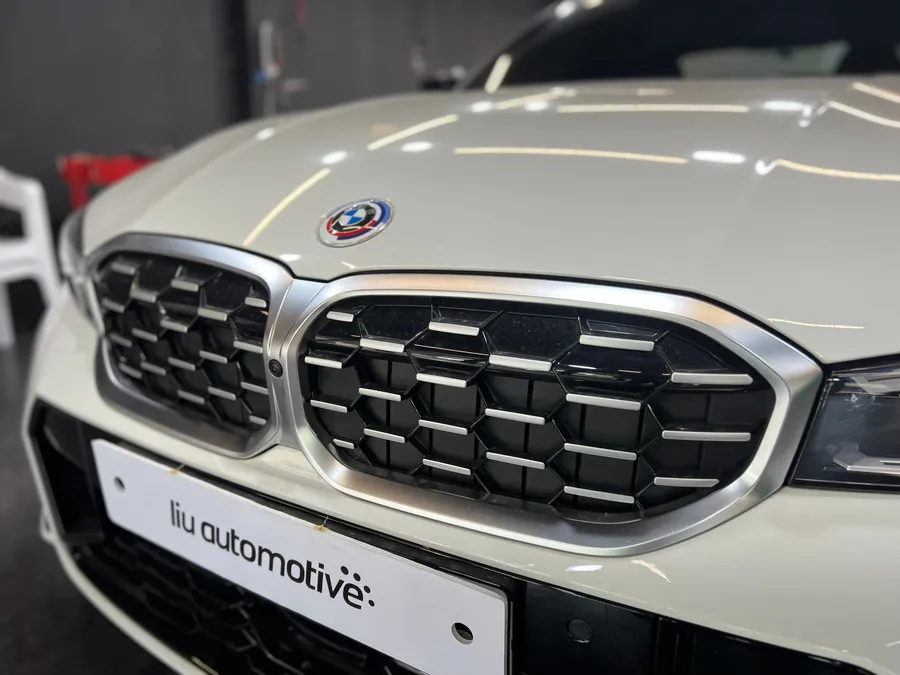
Process photos
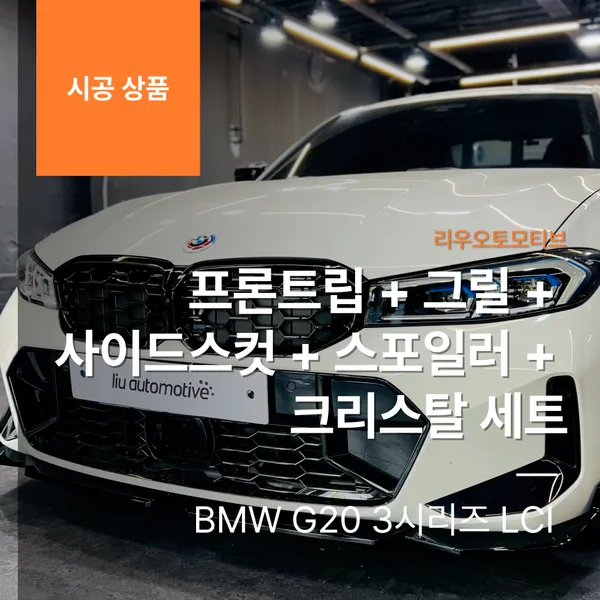
BMW 3 Series LCI body kit installation: Approx. $1500-$3700 USD. Enhances sporty appearance with front lip, side skirts, and spoiler.
Transforming Your BMW G20 3 Series LCI with an Aero Kit
This review focuses on enhancing the aesthetics of the BMW G20 3 Series LCI model through a comprehensive body kit. The kit includes a front lip, side skirts, a rear spoiler, and grille upgrades, aiming to give the car a more aggressive and sporty stance. We'll cover the installation process, the visual impact, and considerations for durability and cost.
Body Kit Installation and Visual Impact
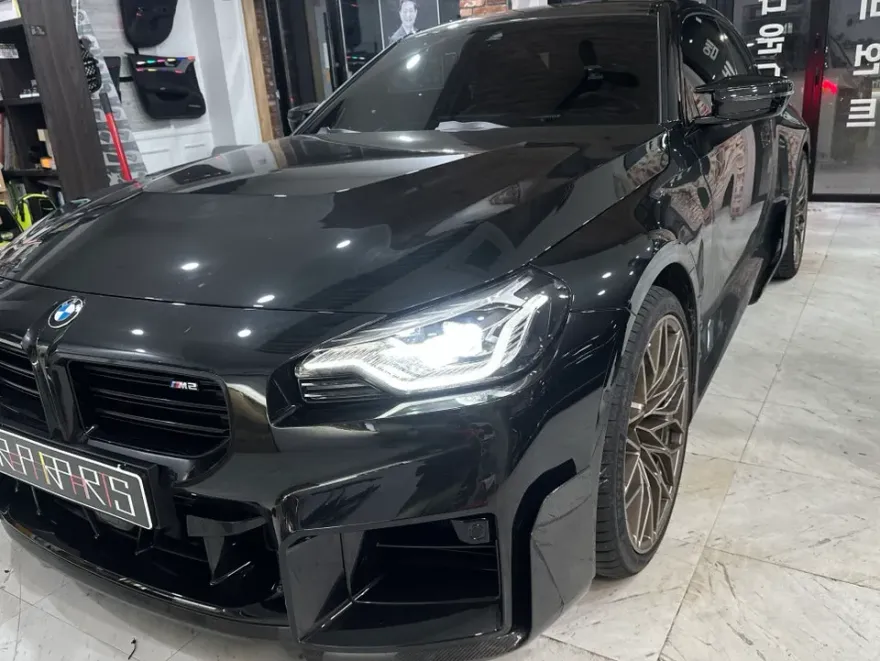
The installation of this specific body kit, which includes a front lip, side skirts, and a spoiler for the BMW G20 3 Series LCI, was performed in South Korea. The process involves careful fitting and securing of each component to ensure a seamless look. Before installation, the BMW 3 Series presents its signature elegant design. After the body kit is fitted, the car gains a noticeably lower, wider, and more dynamic profile. The front lip extension sharpens the front fascia, while the side skirts visually lower the car's profile, and the rear spoiler adds a touch of sportiness. The grille replacement further refines the front-end aesthetics. The overall transformation provides a custom, high-performance look that significantly enhances the vehicle's street presence.
Durability, Maintenance, and Cost Considerations
The materials used for body kits can vary, impacting durability and maintenance. Common materials include ABS plastic, polyurethane, and fiberglass-reinforced plastic (FRP). Polyurethane and ABS are generally more flexible and impact-resistant, making them suitable for daily driving where minor bumps are a concern. FRP kits can be lighter and more rigid but may be more prone to cracking upon impact. Proper maintenance involves regular cleaning and occasional waxing to protect the finish. For the BMW G20 3 Series LCI, the cost of a full body kit installation, including parts and labor as seen in this Korean installation, can range significantly. While specific pricing varies, such comprehensive kits often fall into the range of approximately ₩2,000,000 to ₩5,000,000 (roughly $1,500 to $3,700 USD), depending on the brand, material, and complexity of the design. This price point should be considered alongside the desired aesthetic improvements and the vehicle's overall value.
Installation process:
- Surface Preparation: Thoroughly clean and degrease the mounting areas on the BMW 3 Series.
- Component Fitting: Carefully align and temporarily position the front lip, side skirts, and spoiler.
- Securing Components: Use automotive-grade adhesives, clips, and sometimes self-tapping screws to firmly attach each part.
- Final Checks: Ensure all components are securely fastened and the fitment is flush with the vehicle's body panels.
Frequently Asked Questions
Q. How much does a body kit cost for a BMW 3 Series?
The body kit installation for this BMW 3 Series LCI, including multiple components, cost approximately ₩2,000,000 to ₩5,000,000 in Korea. In the US, similar comprehensive kits can range from $1,500 to over $4,000 depending on the brand and materials.
Q. How long does body kit installation take on a BMW 3 Series?
A full body kit installation, including a front lip, side skirts, and spoiler, typically takes between 4 to 8 hours. Proper durability relies on the quality of the materials and the precision of the installation; regular washing and waxing will help maintain the finish.
Q. Is a body kit worth it for a BMW 3 Series?
A body kit is worth it for BMW 3 Series owners seeking a more aggressive, personalized aesthetic. It's most beneficial for enthusiasts who prioritize visual customization and a sportier look over strict practicality.
Q. How is a body kit installed on a BMW 3 Series?
Installation involves preparing the vehicle's surface, carefully aligning the body kit components like the front lip and side skirts, and then securely attaching them using automotive adhesives, clips, and sometimes screws. Final checks ensure a flush and secure fit.
Q. What is the difference between FRP and polyurethane body kits for a BMW 3 Series?
Polyurethane kits are generally more flexible and impact-resistant, making them ideal for daily driving, while FRP kits are lighter and stiffer but can be more prone to cracking. For most owners, polyurethane offers better durability for everyday use.
OhCar Partner Shop