Mercedes-Benz G-Wagon G63 AMG Body Kit Review — Enhanced Access
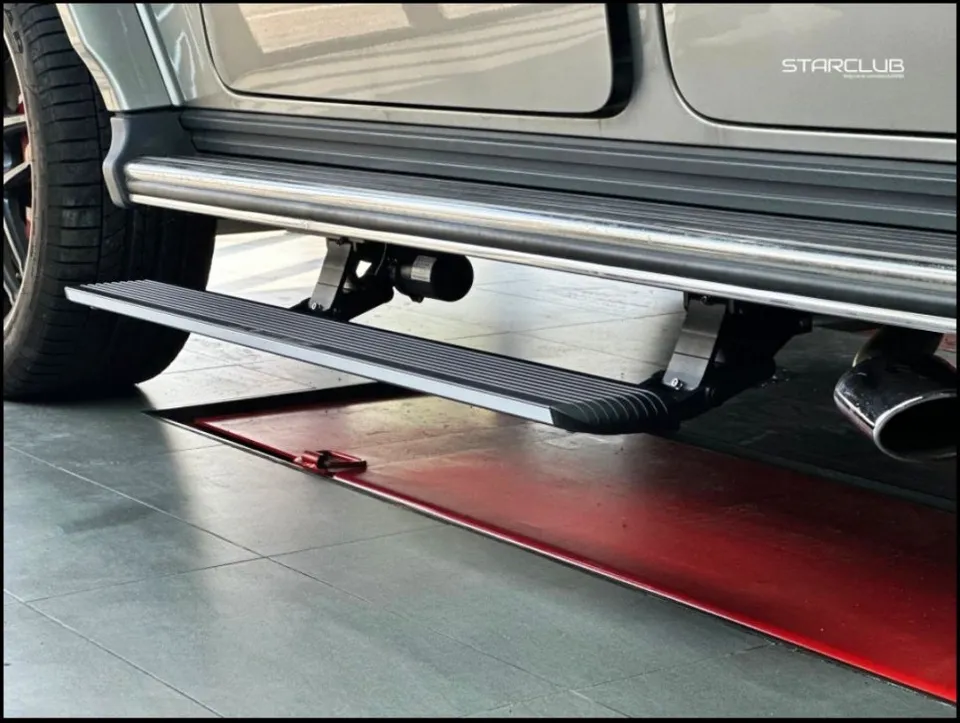
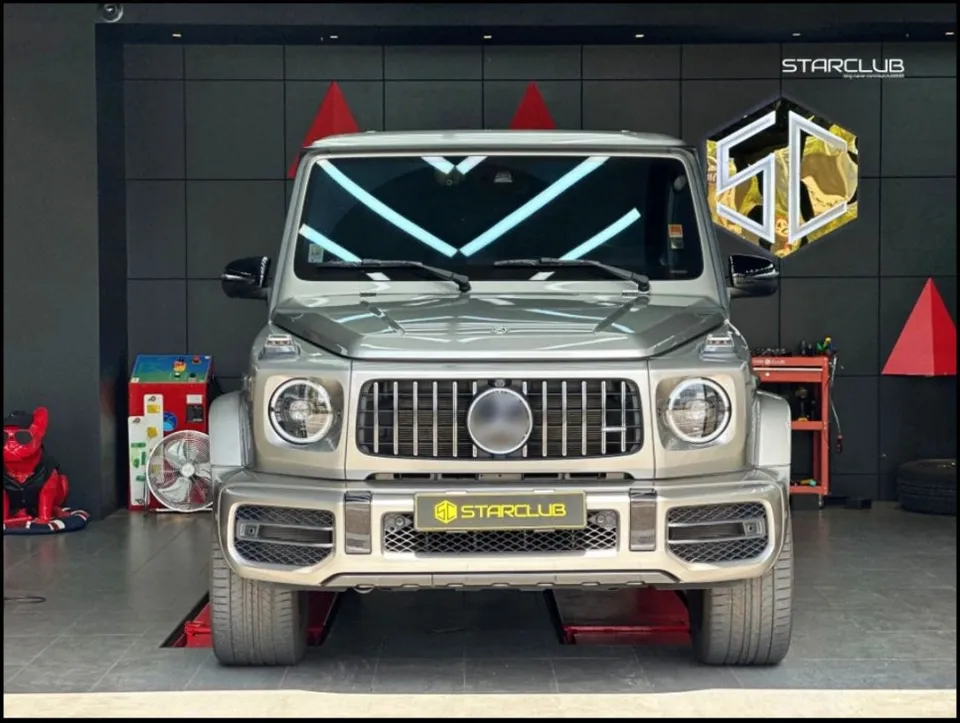
Mercedes-Benz G-Wagon G63 AMG electric side steps installation for enhanced access. Improves convenience and safety.
Why Your Mercedes-Benz G-Wagon G63 AMG Needs Electric Side Steps
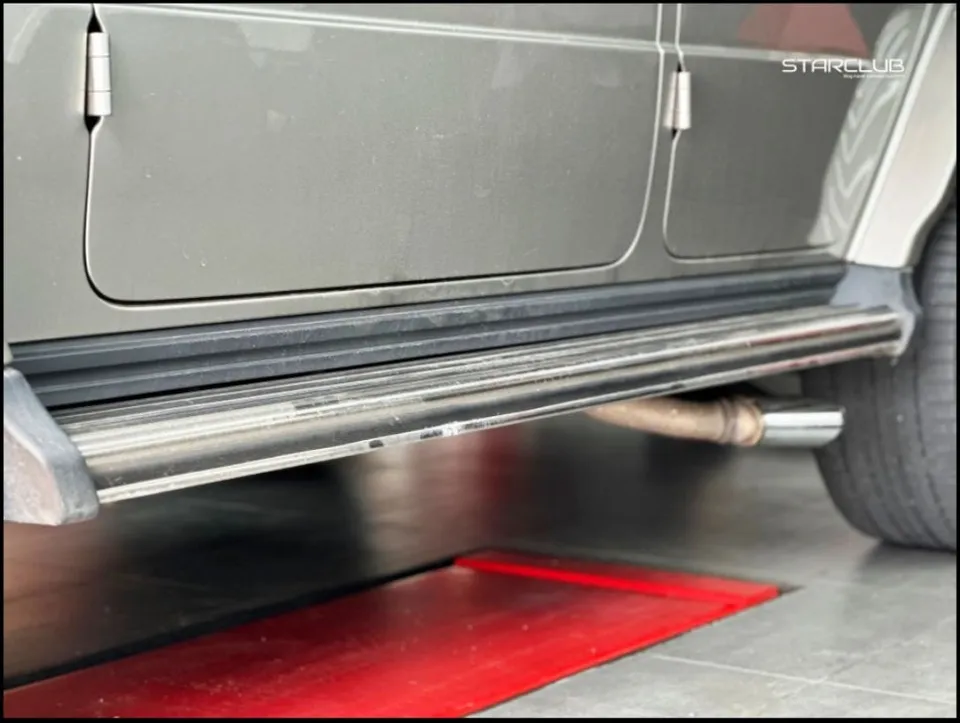
The Mercedes-Benz G-Wagon, especially the G63 AMG, is an icon of performance and rugged design. However, its imposing height can present a challenge for everyday usability. Standard side steps on the G-Wagon, while present, are often positioned too high and offer a narrow stepping surface, making ingress and egress difficult, particularly for shorter individuals, children, or the elderly. This is where the addition of electric side steps becomes a game-changer, significantly improving accessibility and comfort.
The stock side steps on a G-Wagon are not always sufficient. Their elevated position requires a considerable step up, which can be awkward and even unsafe. Electric side steps deploy automatically when the doors are opened, creating a much lower and wider platform that bridges the gap between the ground and the vehicle's entry point, making it feel more like stepping into a standard sedan.
Installation and Benefits of Electric Side Steps
Electric side steps for the G-Wagon are designed for durability and safety. Reputable kits are built to withstand significant weight, ensuring stability for all passengers. The stepping surface typically features a non-slip treatment, providing secure footing even in wet conditions. These kits are often KC certified, indicating adherence to quality and safety standards.
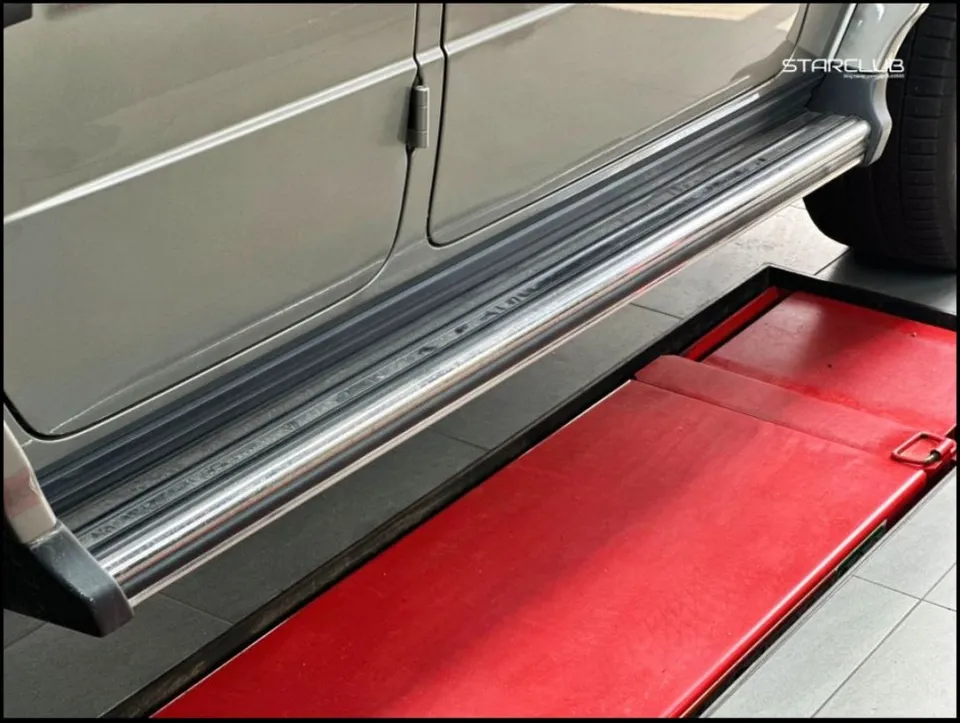
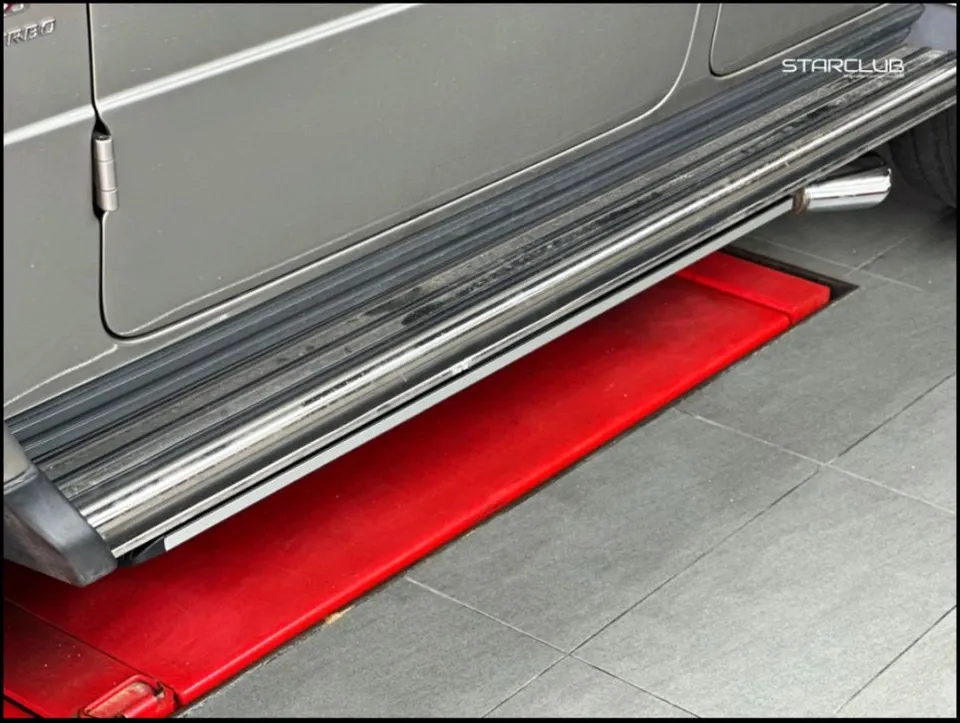
A notable detail is the customization available based on the vehicle's specific configuration. For the G-Wagon, the driver's side electric step may be shorter due to the placement of the exhaust tips, while the passenger side often offers a choice between short and long versions. Precise installation by experienced technicians is crucial to ensure proper fitment and function, taking into account the unique architecture of the G-Wagon.
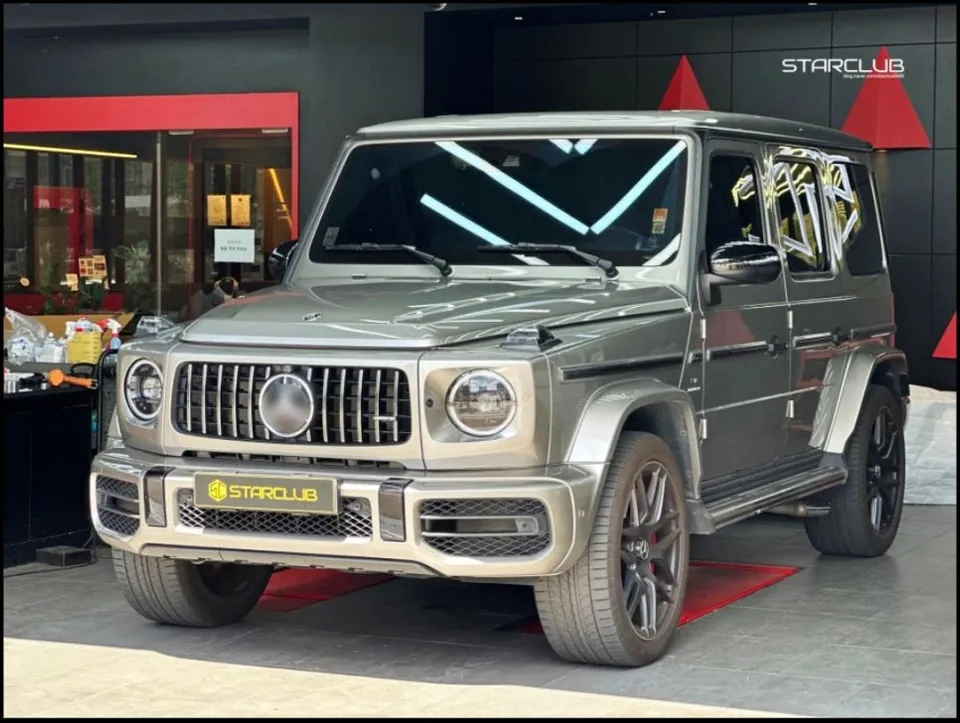
Transforming the Entry Experience
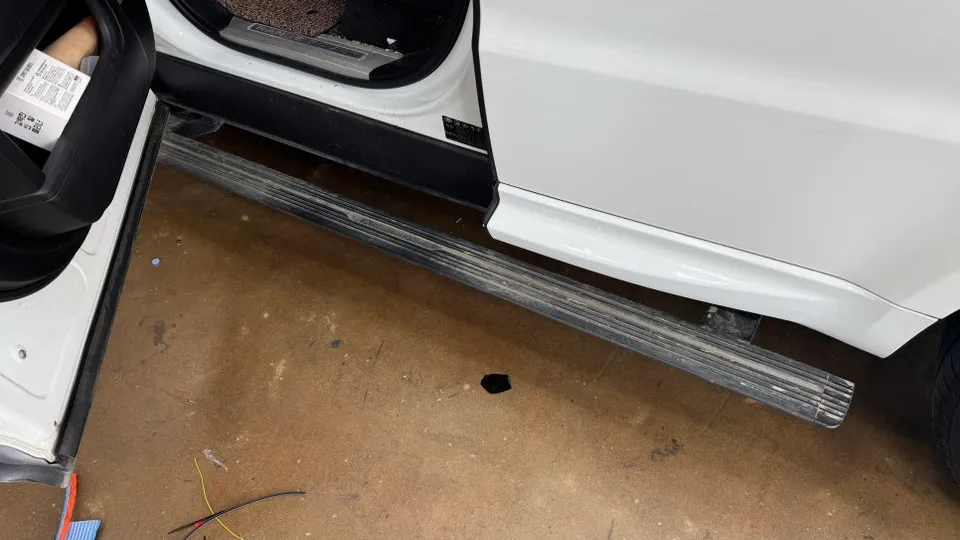
The difference in stepping height after installing electric side steps is dramatic. The deployed step aligns at a much more natural and comfortable height, making getting in and out of the G-Wagon effortless. This enhancement is particularly beneficial for those wearing skirts or dresses, allowing for easier and more graceful entry and exit.
The intelligent automatic operation is a key feature: the steps extend when a door is opened and retract flush with the underbody when the doors are closed. This not only protects the steps from damage during driving but also maintains the vehicle's sleek profile. The result is a significant upgrade in practicality, safety, and aesthetic appeal, effectively transforming the G-Wagon's usability.
The Installation Process
Installation begins with a thorough inspection of the G-Wagon's undercarriage to determine the optimal mounting points and angles, a critical step given the vehicle's complex structure. Precision is key, and experienced installers will ensure exact measurements.
- Vehicle Inspection: Technicians meticulously examine the G-Wagon's chassis to identify the ideal locations for mounting brackets, ensuring clearance and structural integrity.
- Bracket and Motor Installation: Custom or vehicle-specific brackets are securely attached to the frame. The electric motor and linkage system for the side step are then mounted to these brackets.
- Step Deployment Mechanism: The retractable running board itself is attached to the motor and linkage. Wiring is routed discreetly and connected to the vehicle's electrical system, often integrating with the door sensors.
- Testing and Calibration: After installation, the system undergoes rigorous testing. Doors are opened and closed repeatedly to ensure smooth, synchronized deployment and retraction of the steps. Final adjustments are made for optimal performance.
A post-installation verification period, typically around 48 hours, is often recommended to confirm the system's reliability and ensure no operational glitches occur.
Maintaining Your Electric Side Steps
Upkeep for electric side steps is straightforward. If you frequently drive in areas where roads are treated with salt during winter, it's advisable to clean the undercarriage regularly during car washes to prevent corrosion. To preserve the non-slip coating and overall finish, avoid using high-pressure water jets directly on the steps; opt for a gentler rinse.
Frequently Asked Questions
Q. How much does a body kit cost for a Mercedes-Benz G-Wagon G63 AMG?
The specific electric side step kit for this G-Wagon installation is not priced in KRW, but similar premium electric side step kits in the US can range from $800 to $2,500 before installation.
Q. How long does body kit installation take on a Mercedes-Benz G-Wagon G63 AMG?
Electric side step installation typically takes 2-4 hours to complete, ensuring proper fitment and electrical integration. Regular maintenance involves periodic cleaning, especially the undercarriage in winter, to preserve the non-slip coating and prevent corrosion.
Q. Is a body kit worth it for a Mercedes-Benz G-Wagon G63 AMG?
Electric side steps are highly beneficial for G-Wagon owners who prioritize ease of access, especially for passengers with mobility challenges or for families with young children. They offer a significant upgrade in practicality and safety, enhancing the overall ownership experience.
Q. How is a body kit installed on a Mercedes-Benz G-Wagon G63 AMG?
Installation involves securely mounting custom brackets to the vehicle's frame, followed by attaching the electric motor and linkage system. The retractable running board is then connected, and the wiring is integrated with the car's electrical system, often linked to the door sensors for automatic operation.
Q. What is the difference between FRP and polyurethane body kits for a Mercedes-Benz G-Wagon G63 AMG?
This review focuses on electric side steps, not traditional body kits made of FRP (Fiber-Reinforced Plastic) or polyurethane. Electric side steps offer functional benefits like automatic deployment, whereas FRP and polyurethane kits are primarily for aesthetic enhancement and impact resistance.
Oka Garage