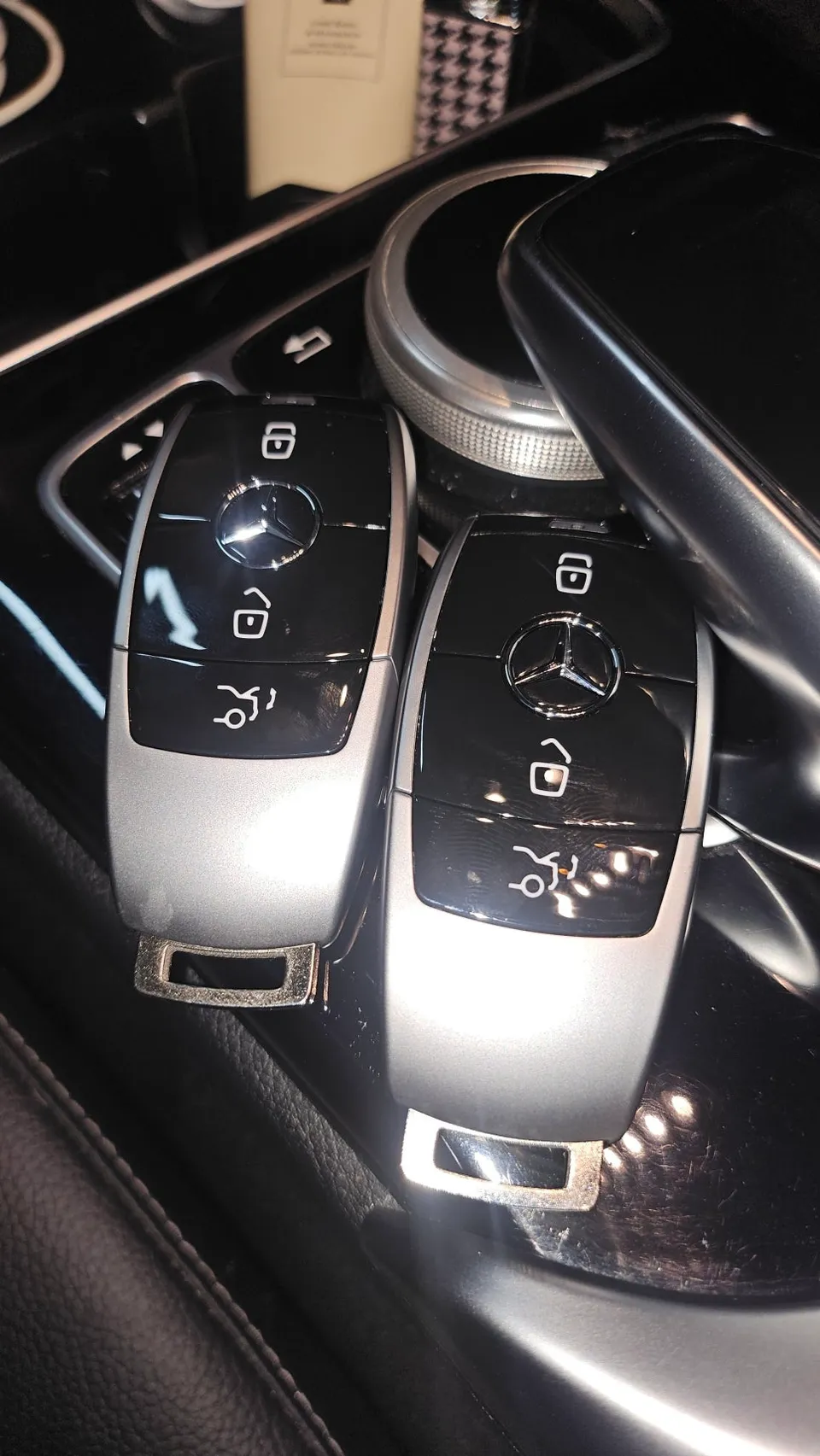
Mercedes-Benz GLC 300 Oem Options Installation Review — Cost
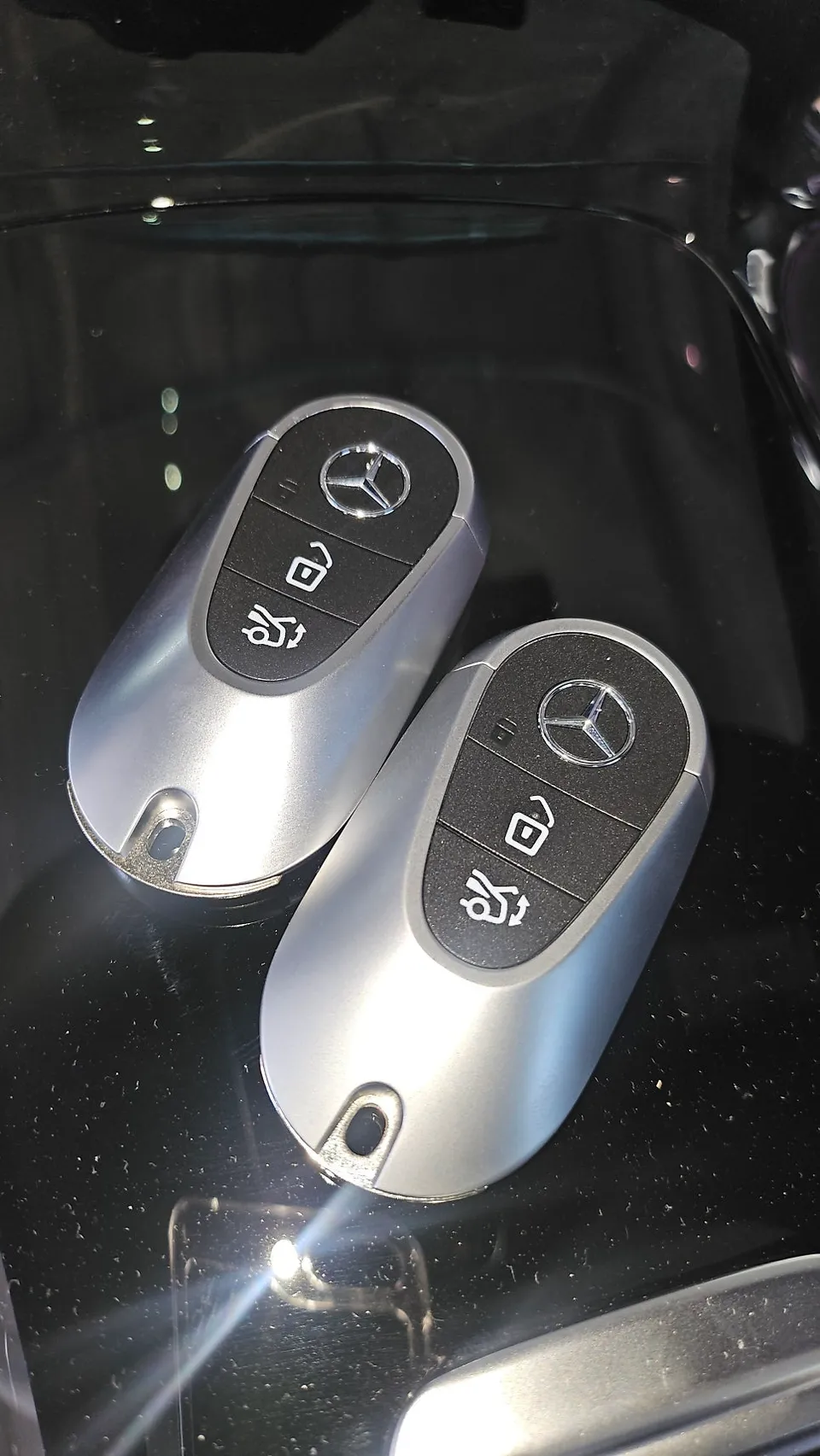
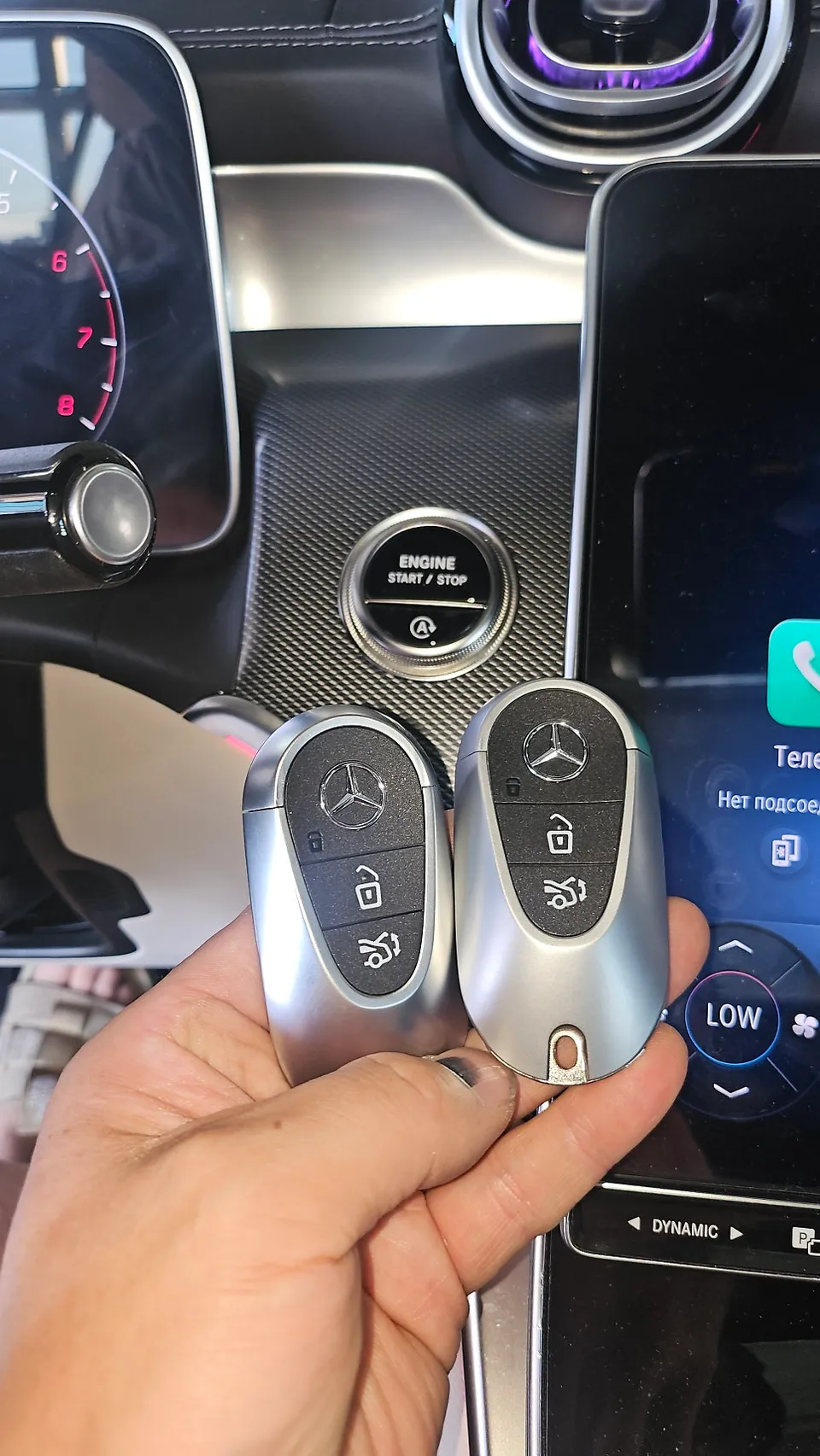
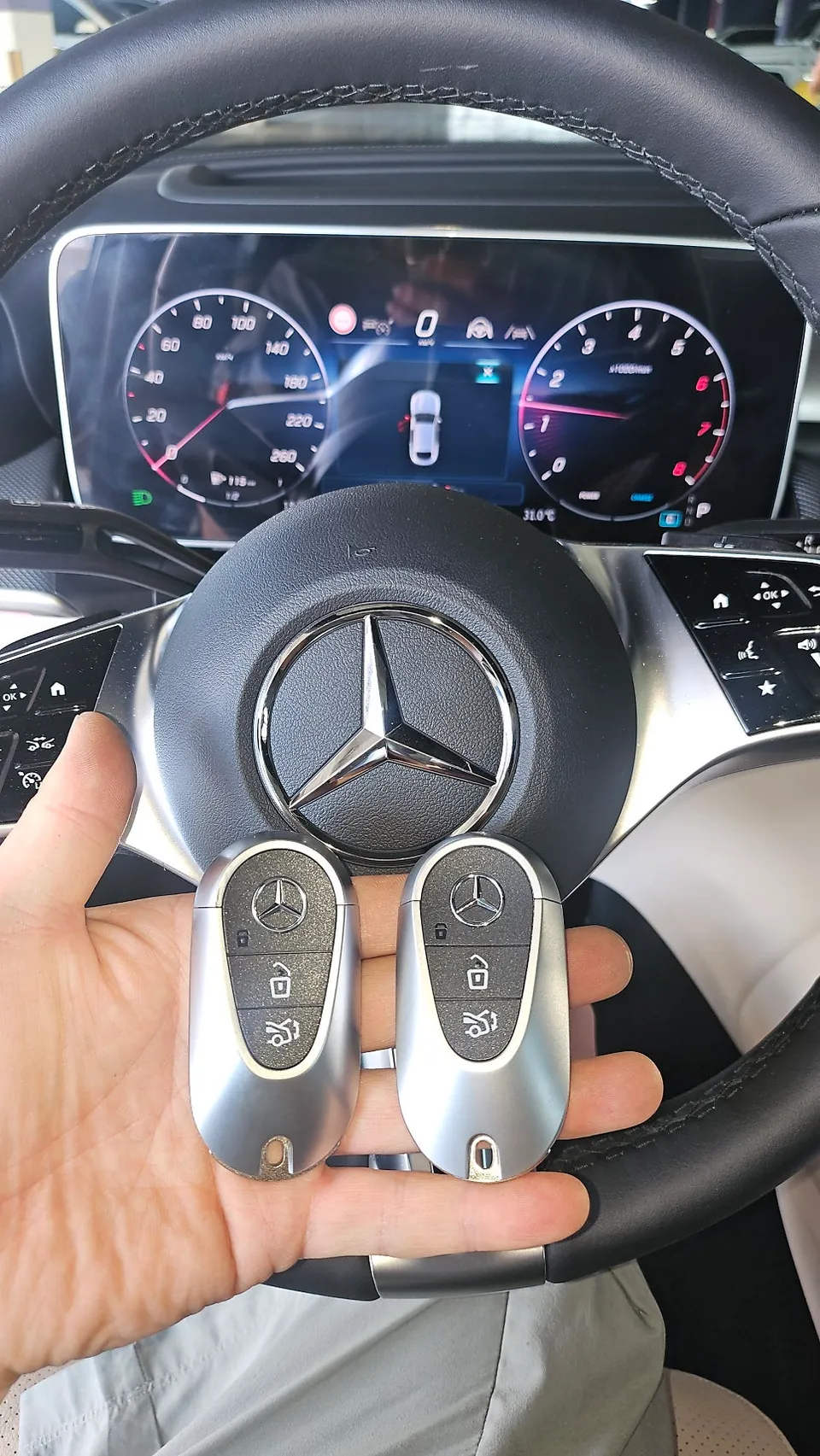
Mercedes-Benz GLC 300 ELV/ESL repair: Avg. 1-2 hours. Restores starting function.
Mercedes-Benz GLC 300: Understanding ELV/ESL Failure
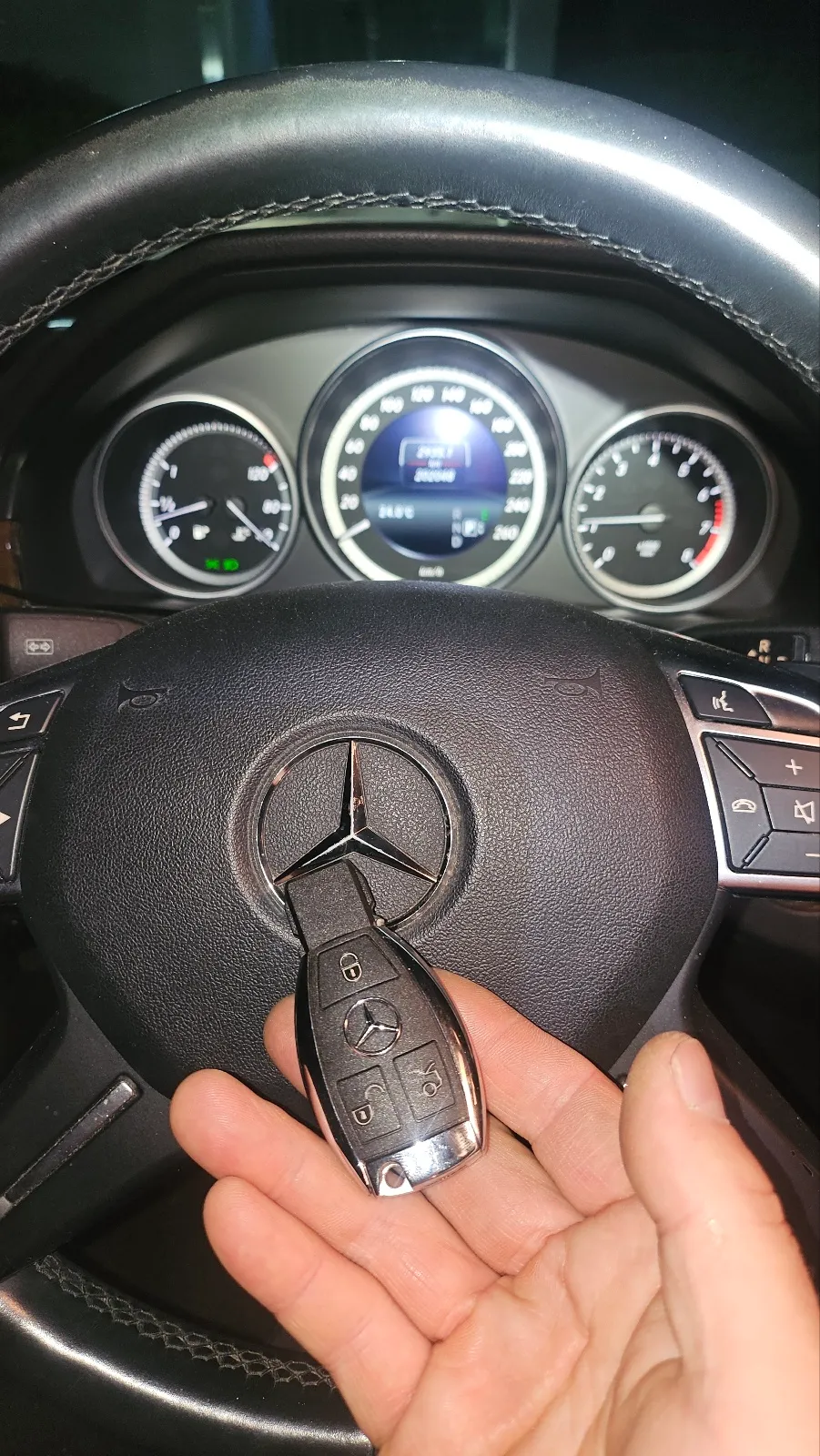
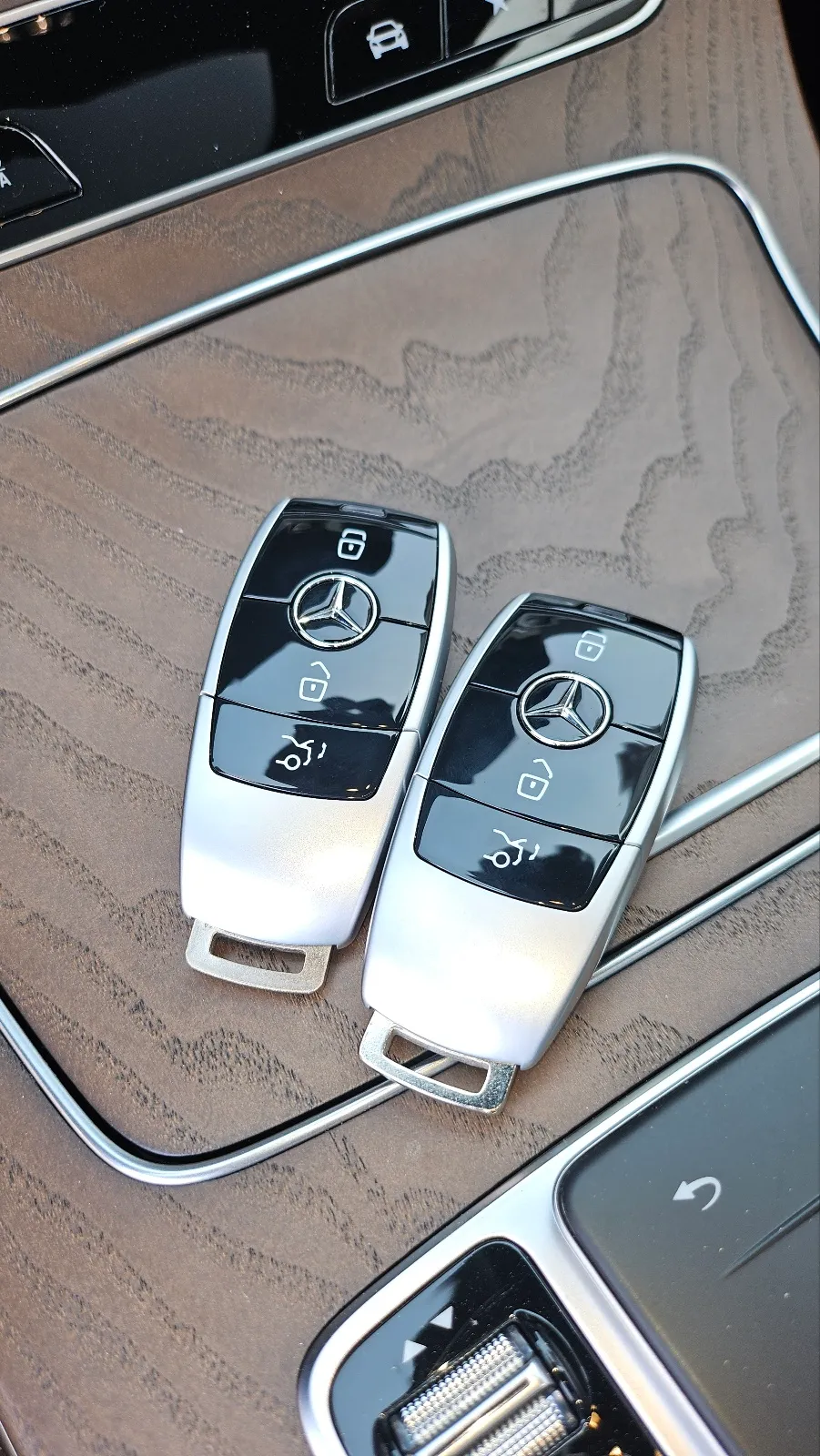
Many Mercedes-Benz GLC 300 owners have faced the frustrating situation of their vehicle suddenly refusing to start. The doors might unlock, and the smart key may be recognized, but pressing the start button yields no response. If your GLC 300's dashboard displays only the mileage and nothing else when you try to start it, there's a high probability – over 90% – that the issue lies with the ELV (Electronic Steering Lock) or ESL (Electronic Steering Lock) module. This is a known, recurring problem for certain Mercedes-Benz model years, including the GLC 300. It occurs when the vehicle's electronic systems fail to properly disengage the steering lock, preventing the engine from starting.
What's particularly vexing about ELV/ESL failures is that they often strike without warning, regardless of the vehicle's mileage. A GLC 300 with 40,000 miles can experience the same issue as one with over 100,000 miles. Many owners mistakenly attribute the problem to a dead battery or a faulty smart key. However, the absence of the typical 'click' or 'whirring' sound when you press the start button is a strong indicator that the ELV/ESL module is the culprit. This component is crucial for the vehicle's anti-theft system and ignition control. While it's a structural weakness in these vehicles, some owners opt for preventative checks to avoid being stranded. Prompt diagnosis is key to resolving this issue without further complications.
Why Do ELV/ESL Modules Fail?
The ELV/ESL module is an integral part of the vehicle's security and ignition system. Over time, internal components can wear out, or electronic circuits may develop faults, leading to failure. The Mercedes-Benz GLC 300 shares a similar electronic architecture with models like the W213 and W205, which are also known for a higher incidence of ELV/ESL problems. When this module fails, it requires either repair of the faulty unit or replacement with a new one. Following the repair or replacement, a critical step is programming the new module to communicate correctly with the vehicle using specialized diagnostic equipment. This ensures the steering lock engages and disengages as intended, allowing the car to start.
Installation Process:
- Diagnosis: A technician will connect diagnostic tools to confirm the ELV/ESL module as the source of the no-start issue.
- Module Removal: The faulty ELV/ESL module, typically located within the steering column assembly, is carefully removed.
- Repair or Replacement: Depending on the specific fault, the module may be repaired internally, or a new module will be installed.
- Programming (Coding): Using specialized Mercedes-Benz software and hardware, the new or repaired module is programmed to synchronize with the vehicle's ECU (Engine Control Unit) and immobilizer system.
- Testing: The technician will test the ignition, steering lock, and overall vehicle function to ensure the repair is successful.
In Korea, where this service is commonly performed, the average repair time for an ELV/ESL issue on a Mercedes-Benz GLC 300 is typically between 1 to 2 hours. This can often be completed on the same day the vehicle is brought in, either for on-site mobile service or at a dedicated repair facility. Compared to a dealership, which might take longer due to parts availability and scheduling, independent specialists often provide a quicker turnaround.
Frequently Asked Questions
Q. How much does OEM option and factory upgrade installation cost for a Mercedes-Benz GLC 300?
The cost for ELV/ESL repair on a Mercedes-Benz GLC 300 in Korea averages around 300,000 KRW (approximately $220 USD). US pricing can vary significantly based on location and whether you choose a dealership or an independent specialist.
Q. How long does OEM options installation take on a Mercedes-Benz GLC 300?
ELV/ESL module repair or replacement on a Mercedes-Benz GLC 300 typically takes 1 to 2 hours to complete. With proper maintenance and avoiding excessive force on the steering wheel, the repaired module should offer long-term reliability.
Q. Are OEM options worth adding after purchase for a Mercedes-Benz GLC 300?
For a Mercedes-Benz GLC 300 experiencing ELV/ESL failure, addressing this critical starting issue is essential for usability. Repairing the factory option provides a reliable solution that restores full functionality.
Q. How are OEM factory options installed on a Mercedes-Benz GLC 300?
OEM factory options like ELV/ESL repair involve diagnosing the fault, removing the faulty module, repairing or replacing it, and then programming the module to the vehicle using specialized software. Finally, the system is tested to ensure proper operation.
Q. What is the difference between dealer-installed options and aftermarket upgrades for a Mercedes-Benz GLC 300?
Dealer-installed options, like ELV/ESL repair, use genuine OEM parts and are performed by certified technicians, ensuring perfect integration. Aftermarket upgrades are not from the manufacturer and may not offer the same level of compatibility or reliability.
OhCar Partner Shop