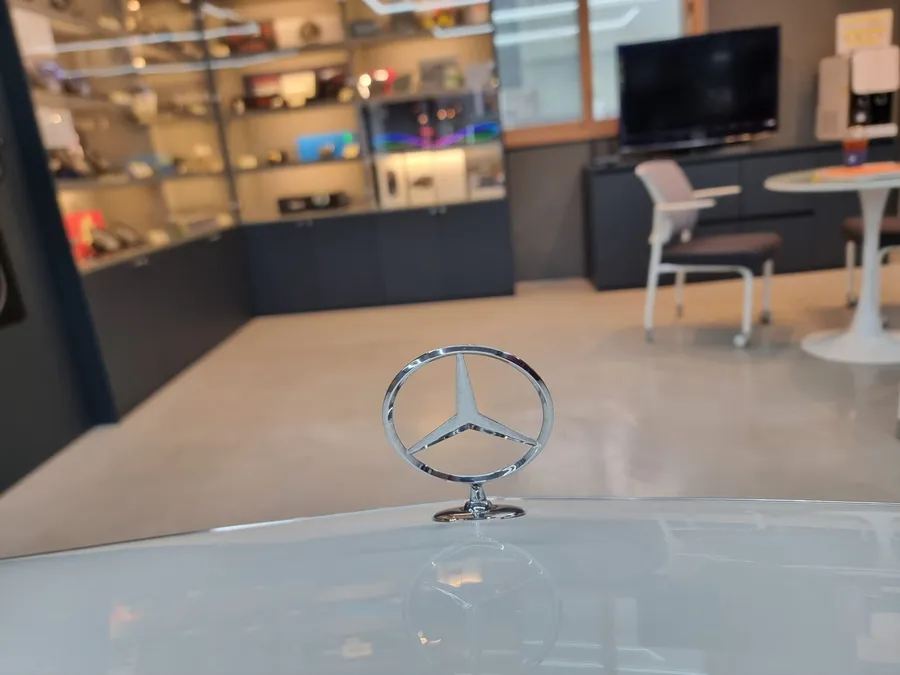
Mercedes-Benz S63 AMG W223 PPF Review — Flawless Reapplication
Service Price
$150+
Estimated price · Actual price may vary by shop

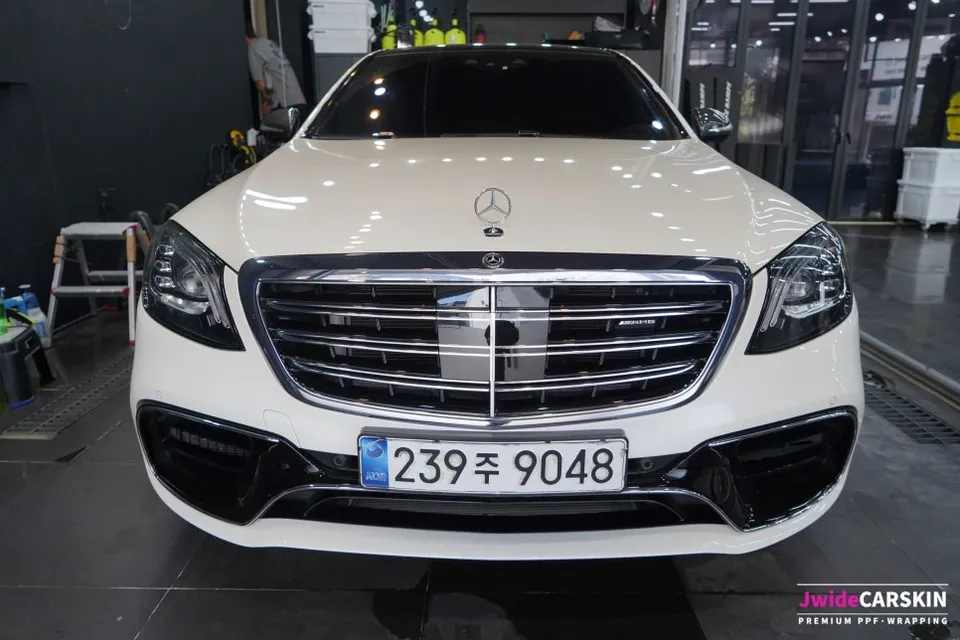
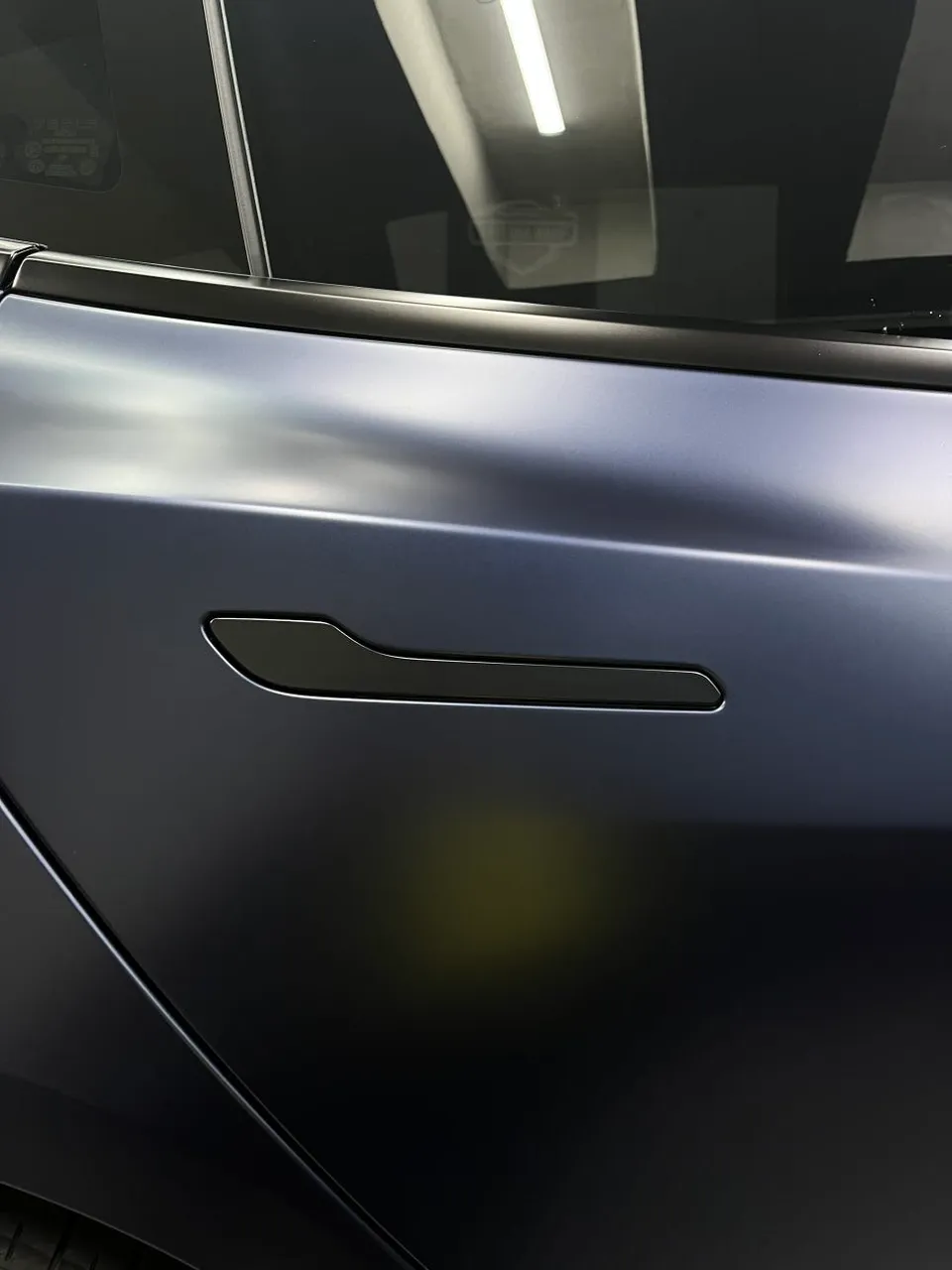
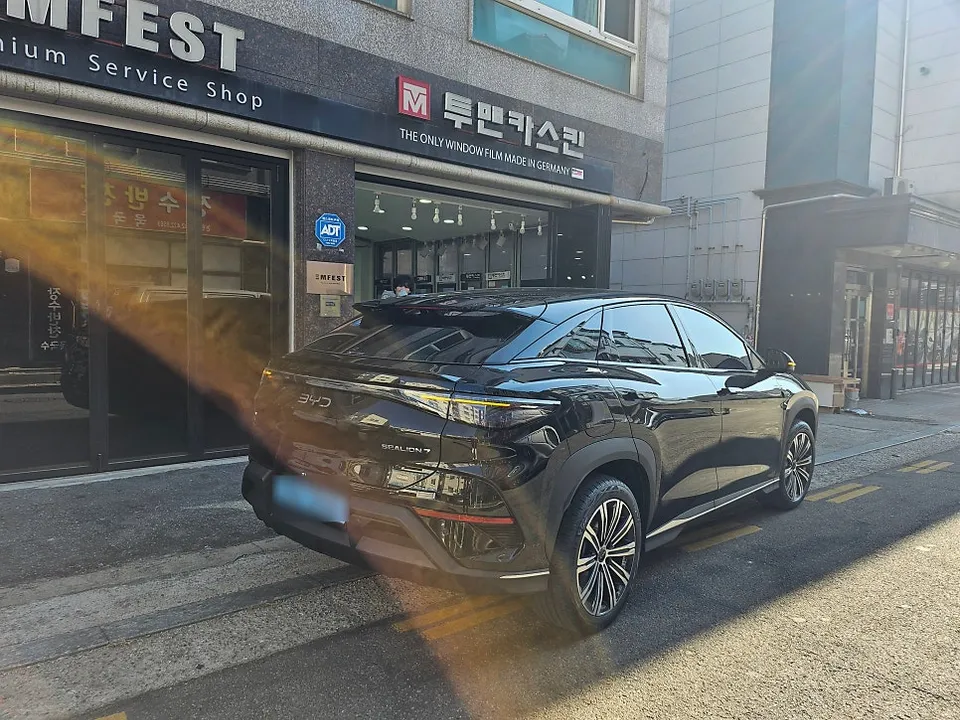
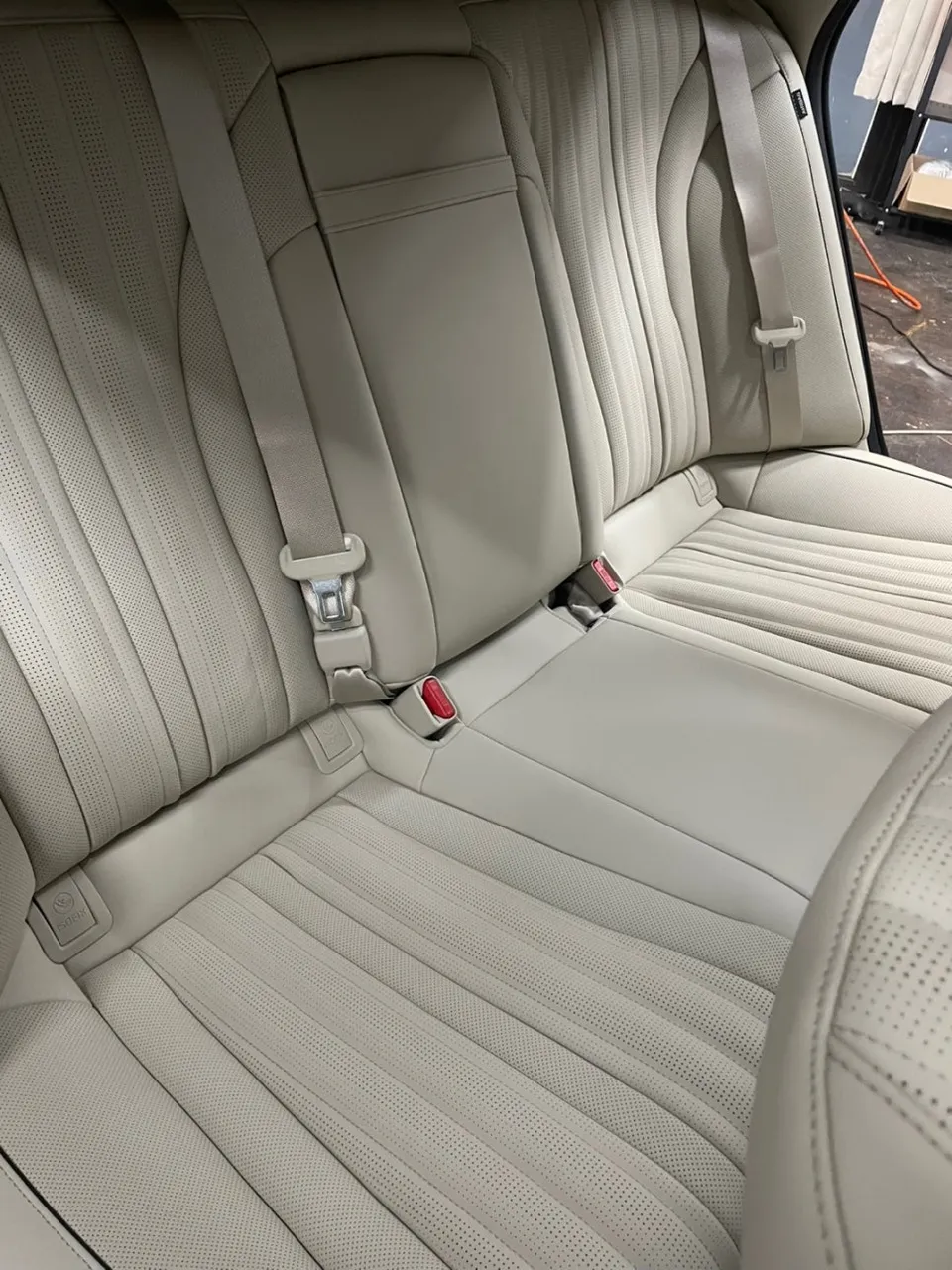
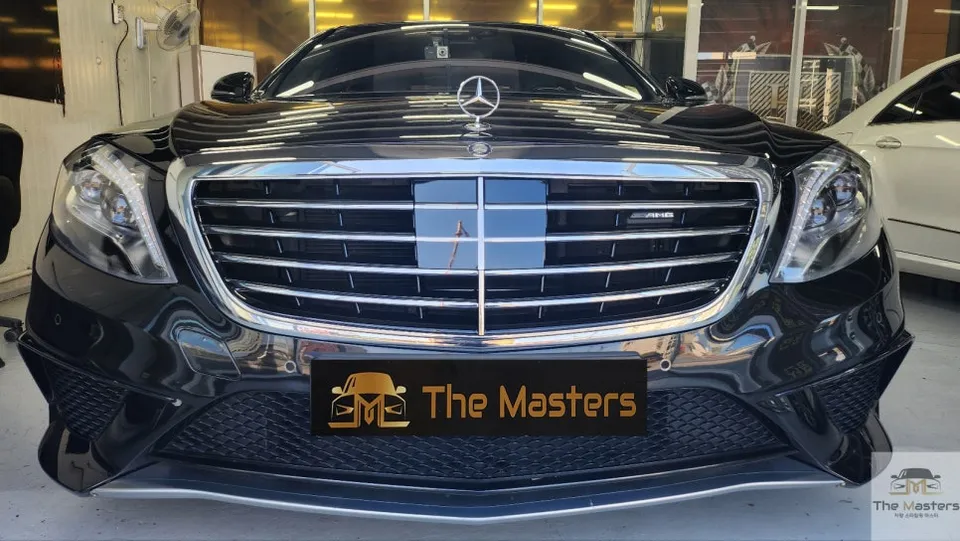
PPF reapplication on Mercedes-Benz S63 AMG W223: Existing film removed, new premium PPF applied for a flawless finish.
Addressing Previous PPF Issues: The S63 AMG Case
The Mercedes-Benz S63 AMG is a pinnacle of automotive engineering, but even owners of such prestigious vehicles can face common detailing challenges. A frequent concern is the degradation of previously applied Paint Protection Film (PPF), leading to discoloration and stubborn contamination. When a so-called 'life protection film' fails to perform, the once pristine paintwork beneath is left vulnerable. This article details how such issues can be resolved, using a real-world S63 AMG as an example.
PPF Reapplication vs. New Installation: What's the Difference?
The critical first step in any PPF reapplication is the complete removal of the old film. Simply layering new film over the existing one is not an option. The original film's residue, adhesive remnants, and any micro-scratches incurred during the previous installation must be meticulously eliminated to ensure proper adhesion of the new clear bra. This is why significant time is dedicated to professional detailing, focusing on removing contaminants and traces of the old film from the vehicle's surface.
While reapplying PPF can be more cost-effective than a full new installation, the quality of the finished result should be on par with a brand-new application. However, extra caution is required for older vehicles or areas with existing paint damage. For an S63 AMG where the previous installation was unsatisfactory, reapplication is often the optimal solution.
Choosing the Right PPF Film
Not all PPF products are created equal. Lower-quality films may begin to yellow or degrade within 3-5 years, whereas premium options (like those from brands such as OnerPro or XPEL) can maintain their clarity and color for 7-10 years or more. Vehicles with lighter paint colors, such as white or silver, are particularly susceptible to UV damage, making a film with superior resistance to discoloration essential.
The OnerPro film selected for this S63 AMG strikes a balance between aesthetic clarity and long-term durability, effectively resisting contamination and yellowing. With a hardness rating of 4H or higher, it also offers good resistance against minor scratches from everyday use.
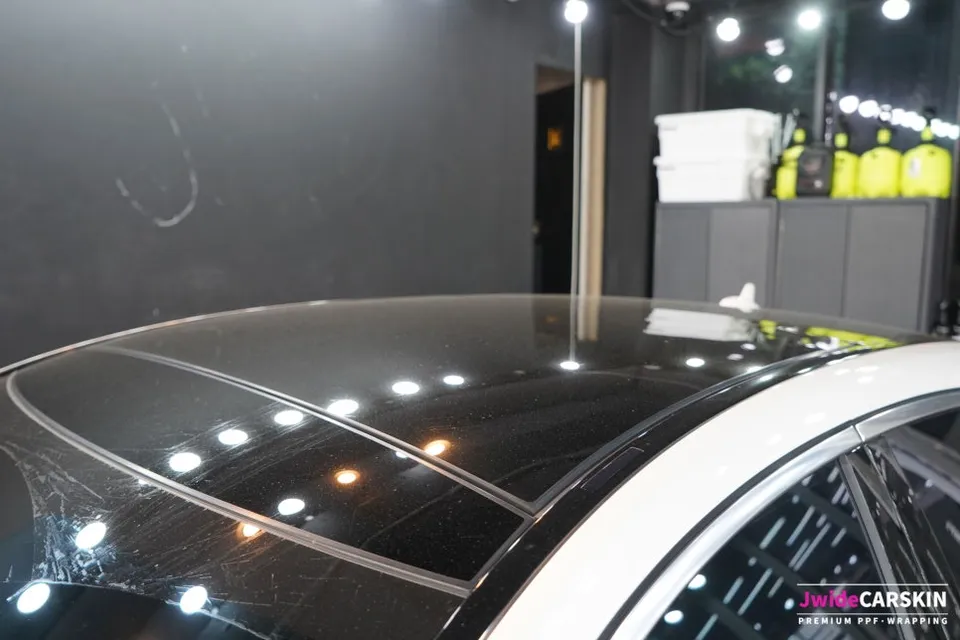
Installation Process:
Step 1: Vehicle Assessment and Old Film Removal
The process begins with a thorough inspection of the vehicle's condition. Assessing the health of the paintwork and the extent of damage to the existing PPF helps determine the complexity of the installation. Although the owner of this Mercedes had maintained the car well, the previous film had significantly degraded due to discoloration and contamination, compromising its protective function.
The old clear bra is carefully removed. To prevent damage to the underlying paint, a heat gun is used to soften the adhesive before the film is slowly peeled away. Rushing this step can risk lifting the paint itself.
Step 2: Professional Detailing for Surface Preparation
The quality of the PPF installation is directly influenced by the detailing performed beforehand. This stage involves removing any remaining film residue, adhesive traces, dust, and water spots. Tools like clay bars (which use fine abrasives to lift surface contaminants) and polishing machines are used to meticulously prepare the paint surface.
The advantage of manual detailing is the ability to meticulously clean areas that are difficult for machines to reach, such as panel edges and trim. While this typically takes 2-3 hours, diligent execution significantly enhances PPF adhesion and the final appearance.
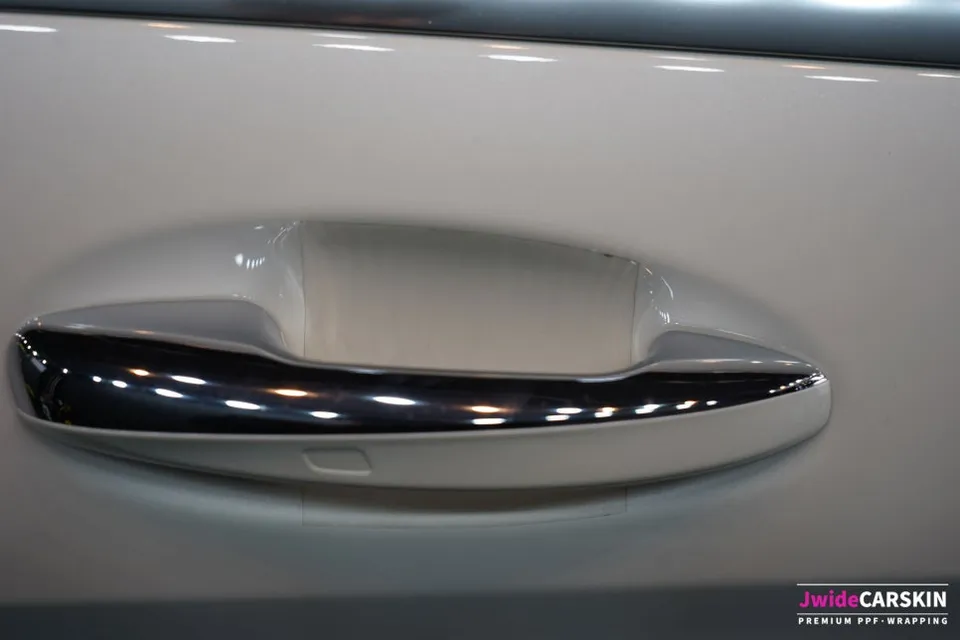
Step 3: Partial PPF Application
Partial PPF application offers a practical balance between cost and protection. This involves applying the film only to high-contact areas like door edges and the front bumper, as well as areas prone to stone chips, such as the lower fenders and the center of the hood. A typical partial installation takes 4-6 hours, with costs ranging from approximately 800,000 to 1,500,000 Korean Won for a mid-size vehicle.
While this approach saves money compared to a full front-end or complete vehicle application (which can range from 2,000,000 to 4,000,000 Korean Won), achieving seamless edges requires high skill. The film must be precisely cut to match the vehicle's curves, heated for optimal conformability, and the edges carefully trimmed – all performed manually.
The result is a revitalized S63 AMG, now protected by a high-performance PPF that not only safeguards the paintwork but also enhances its visual appeal, restoring the luxury finish expected of such a vehicle.
Frequently Asked Questions
Q. How much does PPF cost for a Mercedes-Benz S63 AMG W223?
This review focuses on reapplication, which can be more cost-effective than a full new installation. Typically, full PPF for a Mercedes-Benz S63 AMG W223 can range from $5,000 to $8,000+ in the US, depending on coverage and film quality.
Q. How long does PPF last on a Mercedes-Benz S63 AMG W223?
Premium PPF like OwnerPro or XPEL can last 7-10 years or more, maintaining clarity and protection. Regular washing and avoiding harsh chemicals will help extend its lifespan.
Q. Is PPF worth it for a Mercedes-Benz S63 AMG W223?
PPF is highly recommended for high-value vehicles like the S63 AMG to protect against chips, scratches, and environmental damage, preserving its resale value. It offers superior paint protection compared to ceramic coatings alone, especially for daily drivers.
OhCar Partner Shop
More ppf Reviews
See all →

More Mercedes-Benz Reviews
Pair with Another Service
Add hydrophobic protection on top of PPF
Complete your new car protection package