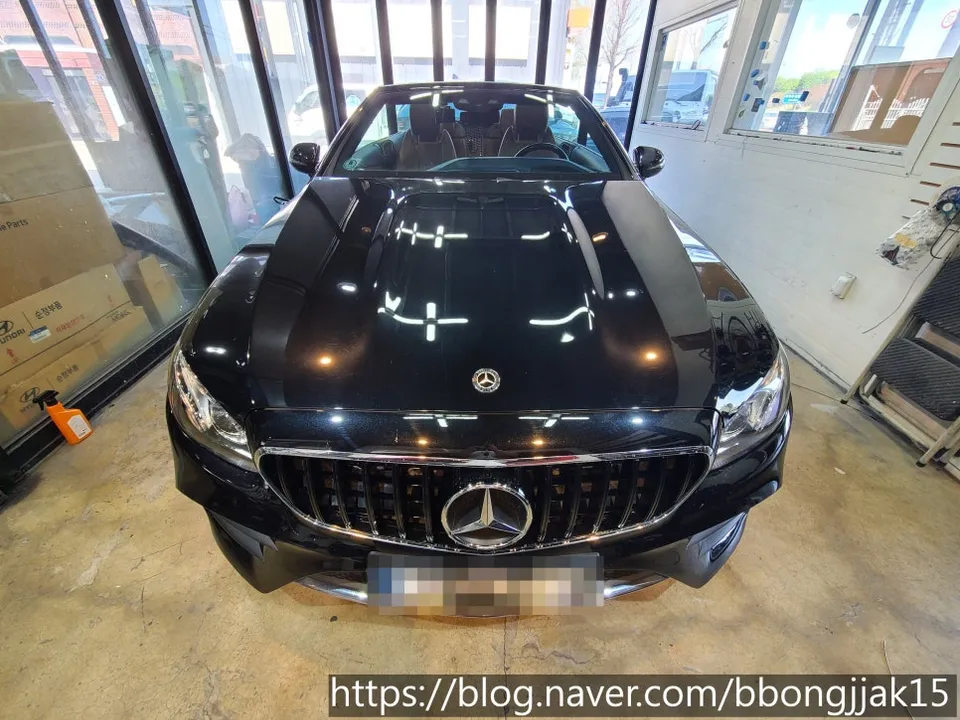
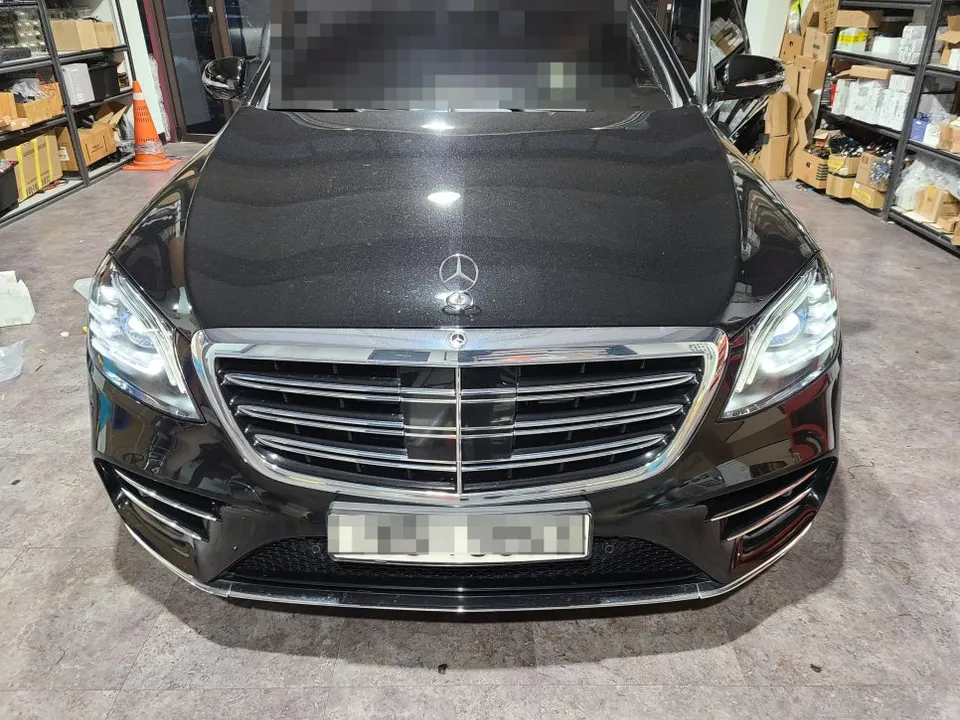
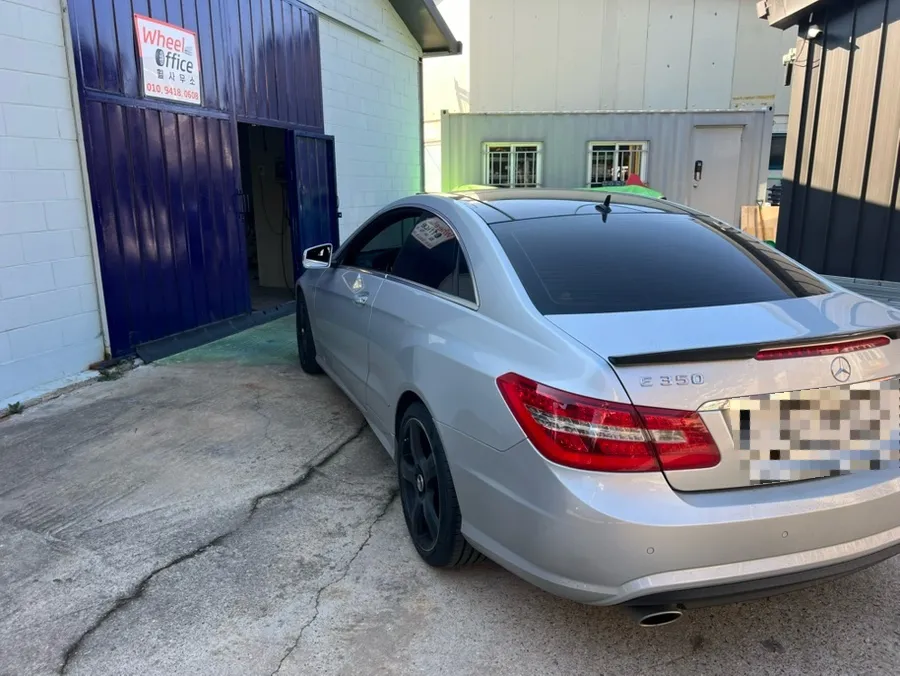
Mercedes-Benz SLK Blind Spot Detection Installation Review
Service Price
$150+
Estimated price · Actual price may vary by shop
Before

After
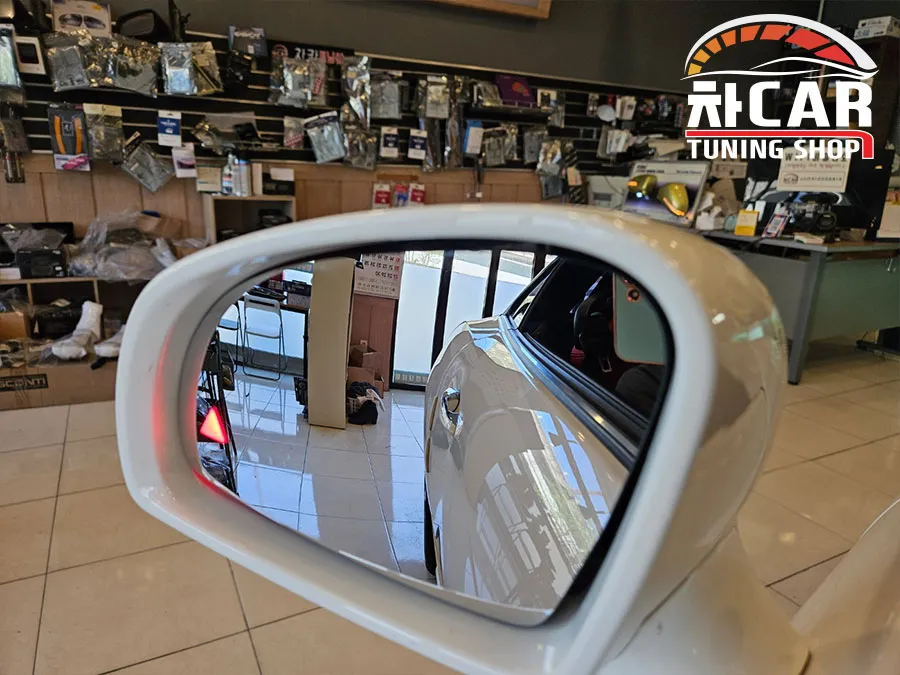
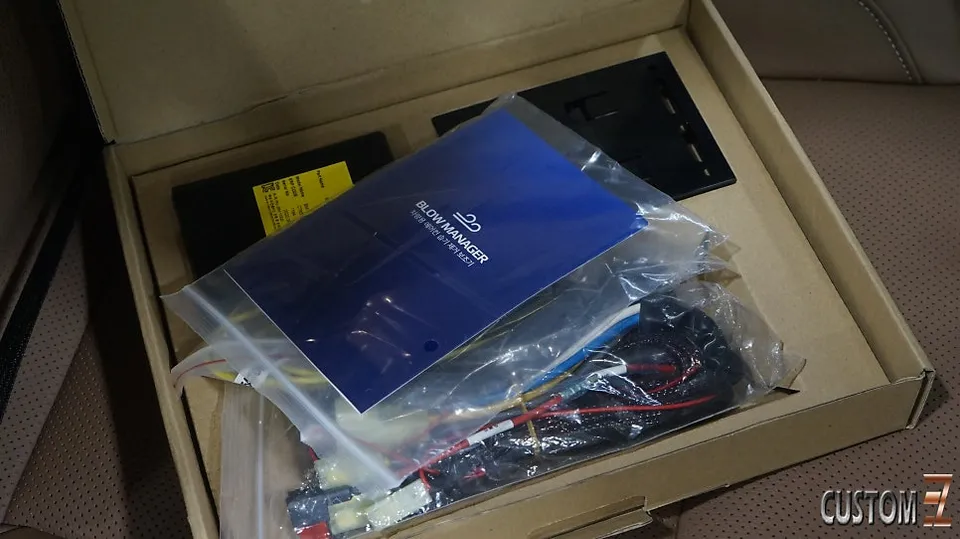
Process photos
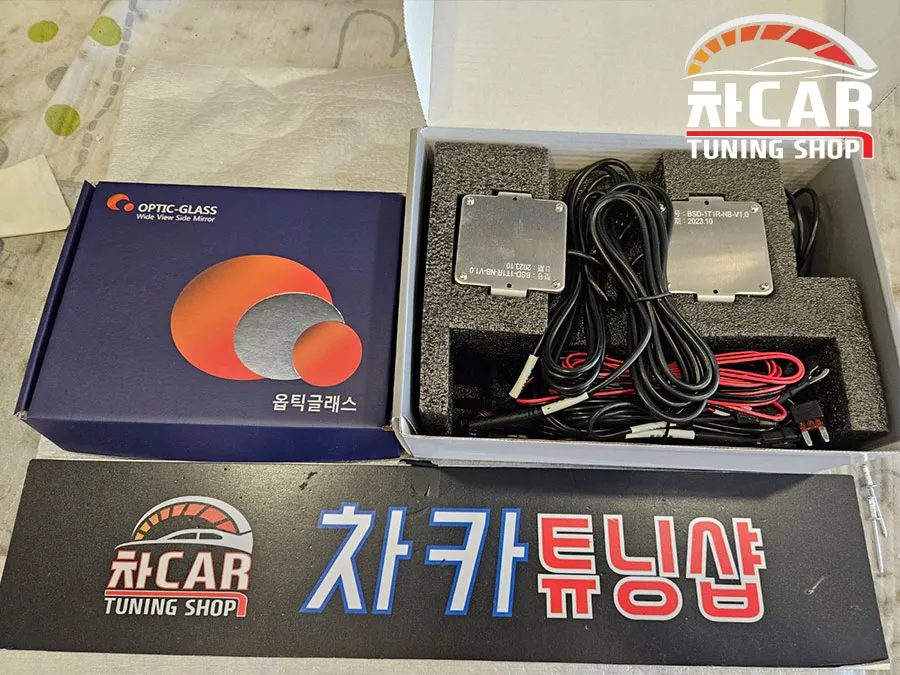
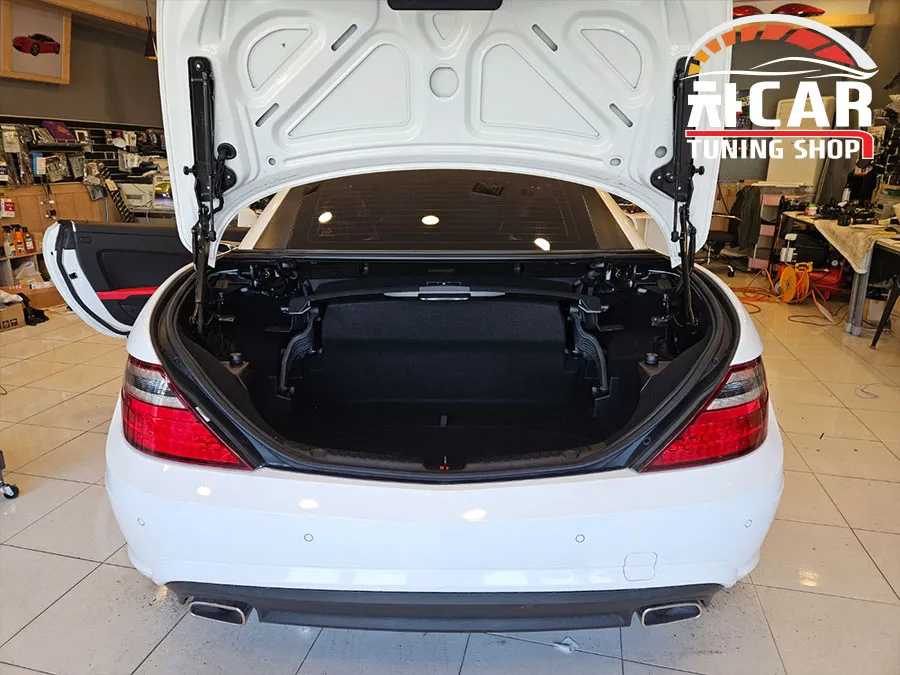
Mercedes-Benz SLK Blind Spot Detection installation: Enhances safety by detecting vehicles in blind spots using radar sensors. Professional installati
Why Blind Spot Detection is Essential for the Mercedes-Benz SLK172
The Mercedes-Benz SLK172, a compact sports car built on a coupe platform, features a low roofline and a body that tapers towards the rear. This design significantly limits rearward visibility compared to standard sedans. Consequently, detecting vehicles or motorcycles in blind spots during lane changes becomes challenging, increasing the risk of accidents. Therefore, installing a blind spot detection system should be viewed as a crucial safety upgrade rather than a mere convenience feature.
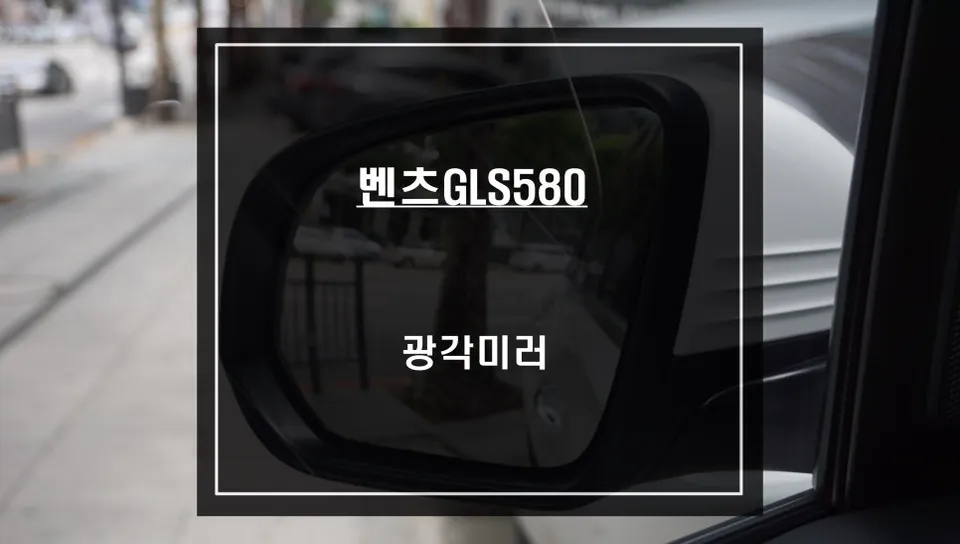
At Today's Car Suwon, we specialize in retrofitting blind spot detection systems for the Mercedes-Benz SLK172, taking into account its unique structural characteristics. Our system integrates Optic Glass functional wide mirrors with BSD radar sensors, maintaining the vehicle's original exterior aesthetics while delivering superior detection performance. This review will cover the necessity of blind spot detection for the SLK172's specific blind spot issues, compare BSD radar sensors with BSA ultrasonic sensors, detail the installation process and operational principles, explain the warning functions during lane changes, and offer tips for post-installation care.
Addressing the SLK172's Blind Spots: Structural Limitations and Solutions
The SLK172's design, with its narrowing rear profile, creates inherent blind spots that are difficult to monitor solely through the driver and passenger side mirrors. This is particularly risky when attempting to change lanes, as vehicles or motorcycles positioned in these areas can easily go unnoticed. Unlike more conventional sedans or SUVs, the SLK172 requires heightened awareness in its rearward detection zones. Standard side mirrors alone cannot adequately cover these blind spots, making advanced sensor systems a necessity.
BSD Radar Sensors vs. BSA Ultrasonic Sensors: Choosing the Right System
BSD (Blind Spot Detection) radar sensors are designed to detect moving objects. They are highly accurate and less prone to false alarms because they specifically identify vehicle movement, ideal for lane-changing scenarios. Installation typically involves mounting sensors in the rear bumper, which can be slightly more complex.
BSA (Blind Spot Alert) ultrasonic sensors can detect both moving and stationary objects, offering a broader detection range that can be useful during parking or low-speed maneuvers. However, their distance detection accuracy might be slightly less precise than radar sensors.
For a high-performance sports car like the SLK172, where driving speeds are often higher, a radar-based BSD system is generally more suitable. It selectively detects moving vehicles, reducing unnecessary alerts and enhancing real-time safety during lane changes.
Mercedes-Benz SLK172 BSD Radar Sensor Installation Process:
- Component Removal: The process begins with the careful removal of interior panels, including door trims and the rear bumper. For the SLK172, precise knowledge of clip locations and screw sizes is crucial due to its curved panel design, ensuring no damage occurs during disassembly.
- Radar Sensor Mounting: The BSD radar sensor modules are discreetly installed within the rear bumper. These sensors monitor a range of approximately 3-5 meters behind the vehicle, with optimal detection accuracy at speeds above 15 km/h. Precise alignment of the sensors, both horizontally and vertically within a ±2 degree tolerance, is critical for peak performance.
- Mirror-Integrated Warning Lights: The Optic Glass wide mirrors are equipped with integrated LED warning lights in addition to their wide-view functionality. When a sensor detects an object in the blind spot, an amber or red LED illuminates within the side mirror, providing an immediate visual alert to the driver.
- System Calibration and Testing: Following the physical installation, the system undergoes thorough calibration. This involves testing the sensors' detection range and the responsiveness of the warning lights under various driving conditions to ensure accurate and reliable operation.
This upgrade significantly enhances the safety of the Mercedes-Benz SLK172, particularly during lane changes, by providing clear visual cues of potential hazards in the vehicle's blind spots.

Frequently Asked Questions
Q. How much does Blind Spot Detection installation cost for a Mercedes-Benz SLK?
The cost for this specific installation in Korea was not explicitly stated in KR Won, but typically, radar-based blind spot detection systems in the US can range from $500 to $1500 depending on the vehicle and complexity.
Q. How long does Blind Spot Detection installation take on a Mercedes-Benz SLK?
The installation process, including component removal, sensor mounting, and calibration, usually takes between 3 to 5 hours. Regular cleaning of the rear bumper area where sensors are mounted is recommended for optimal performance.
Q. Are Blind Spot Detection systems worth adding after purchase for a Mercedes-Benz SLK?
Yes, for the Mercedes-Benz SLK172, which has inherent visibility limitations, a blind spot detection system is highly recommended for enhanced safety during lane changes. It provides a crucial layer of awareness, especially for performance-oriented driving.
Q. How is Blind Spot Detection installed on a Mercedes-Benz SLK?
Installation involves: 1. Carefully removing door trims and the rear bumper. 2. Mounting radar sensors within the rear bumper, ensuring precise alignment. 3. Integrating LED warning lights into the side mirrors. 4. Calibrating the system for accurate detection.
Q. What is the difference between radar-based BSD and ultrasonic-based BSA for a Mercedes-Benz SLK?
Radar-based BSD is superior for detecting moving vehicles at higher speeds, reducing false alarms, making it ideal for lane changes. Ultrasonic-based BSA detects both moving and stationary objects but may be less precise at speed, making BSD the preferred choice for the SLK172.