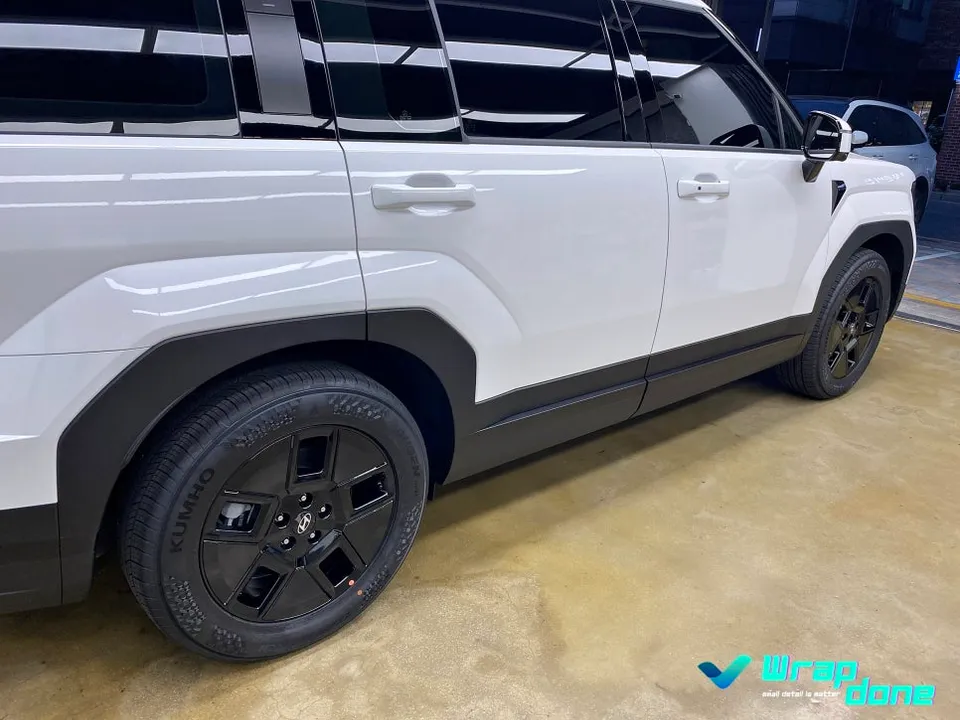
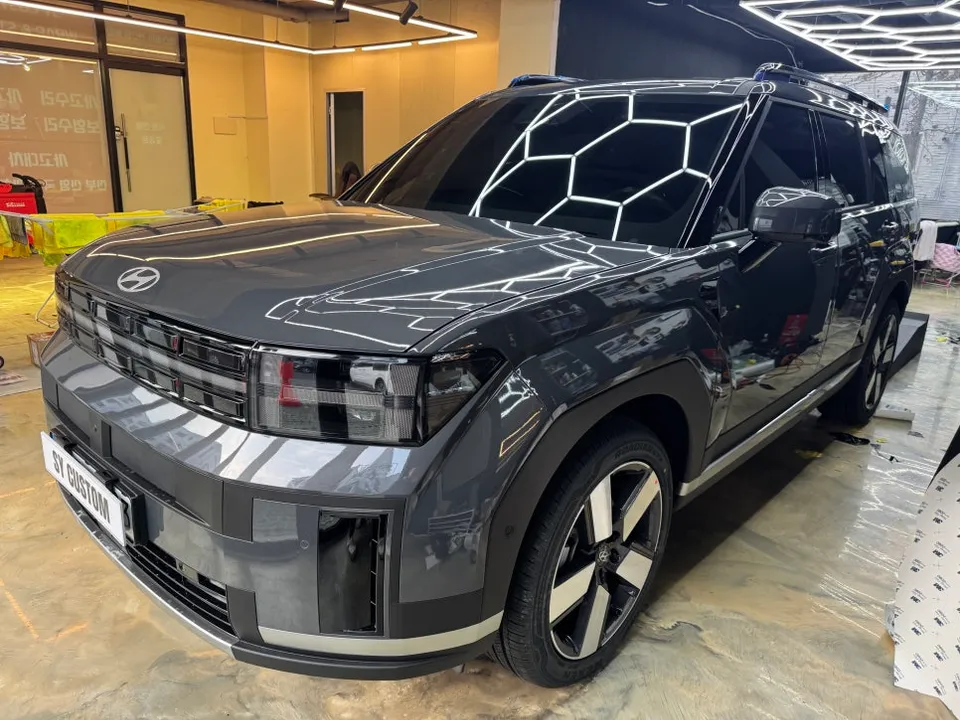
Hyundai Aslan BSD/BCW OEM Installation Review
Service Price
$150+
Estimated price · Actual price may vary by shop
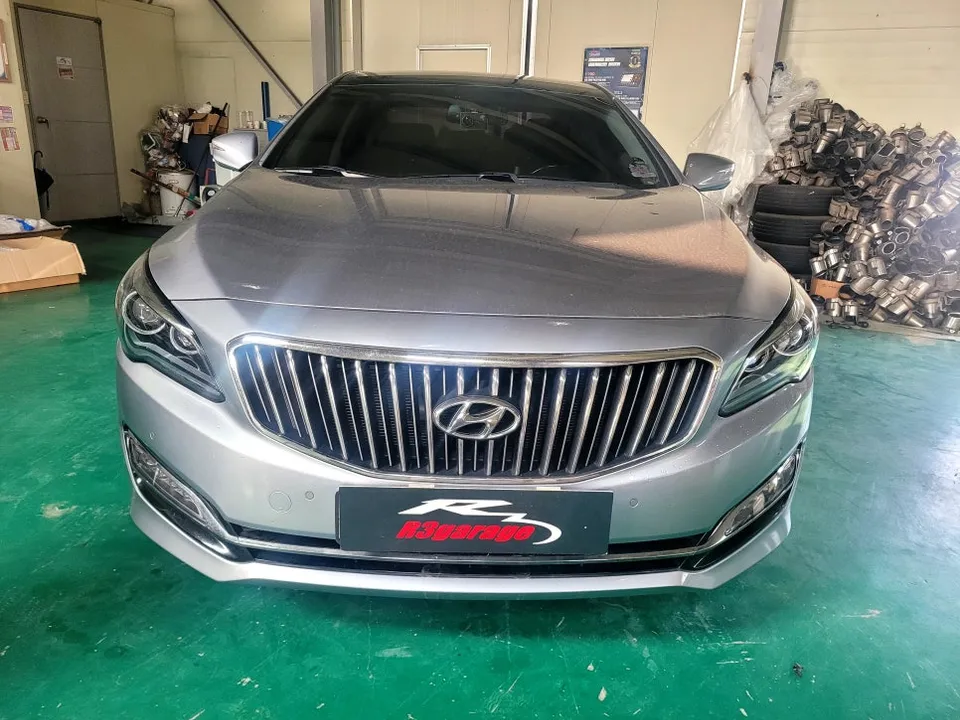
Hyundai Aslan AG BSD/BCW OEM installation enhances safety by detecting blind spots. Cost and process detailed.
Why the Hyundai Aslan AG Needs a Rear-Side Warning System
The most dangerous moments when driving a Hyundai Aslan AG often occur during lane changes. No matter how attentive you are, other vehicles can be lurking in your blind spots – areas invisible to the driver. To mitigate this risk, many drivers are opting for a Rear-Side Warning System (BSD/BCW). This review details the system components, installation process, and costs involved in an OEM BSD installation at Today's Car in Daegu.
This article covers: • What is the BSD/BCW system? • OEM component configuration for the Aslan AG • The actual installation process • Cost and time involved • Local accessibility
Expertise in Rear-Side Warning Systems at Today's Car Daegu
Today's Car Daegu specializes in complex electronic installations for imported vehicles. This branch has extensive experience with integrated OEM BSD (Blind Spot Detection) and BCW (Blind Spot Collision Warning) systems. Their strength lies in adding safety features to vehicles that have been in operation for several years, like the Aslan AG, using genuine parts.
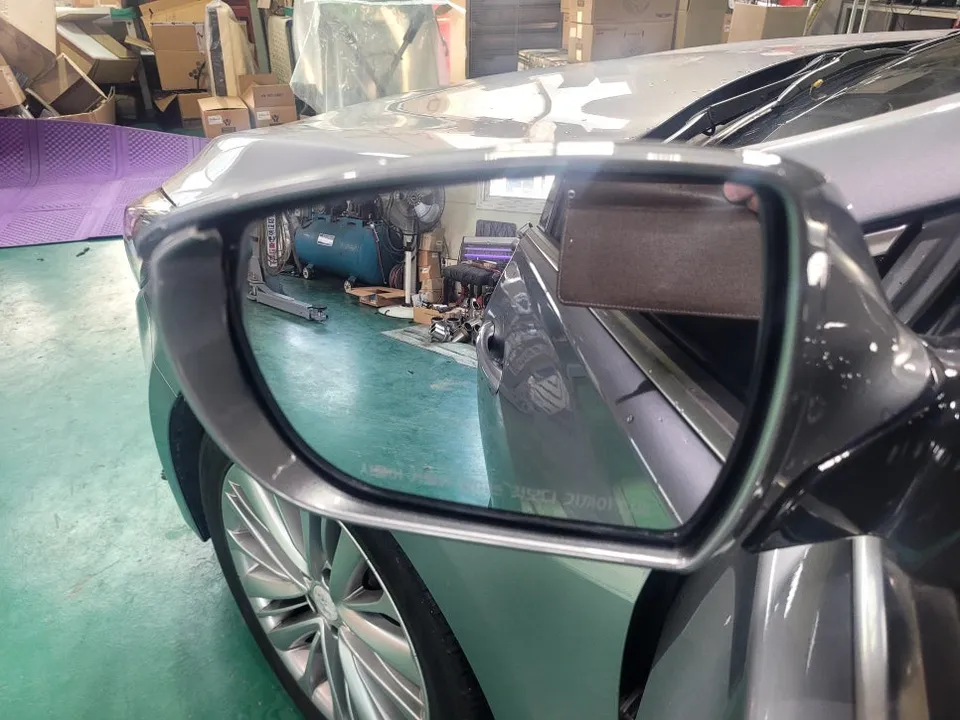
Understanding the BSD/BCW System
The Rear-Side Warning System is an advanced safety feature that detects the blind spots on both rear corners of the vehicle. BSD (Blind Spot Detection) uses radar sensors to identify other vehicles in these blind spots, alerting the driver via LED indicators in the side mirrors. BCW (Blind Spot Collision Warning) goes a step further, issuing audible warnings or even vibrating the car body in hazardous situations. While common in new cars, these systems can be retrofitted to older vehicles using OEM parts.
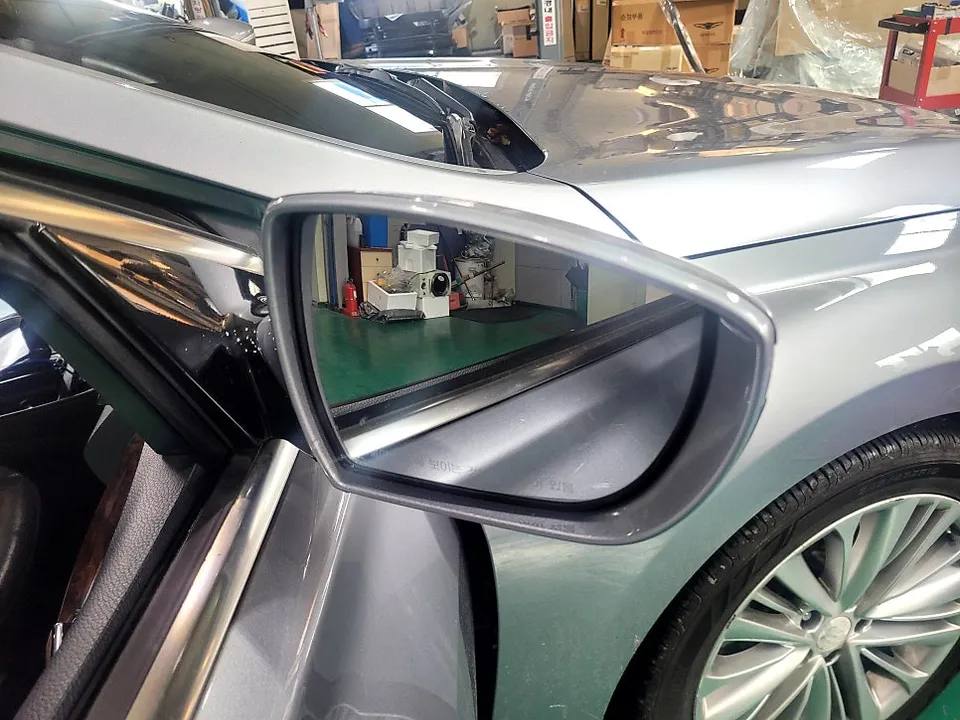
OEM BSD Component Configuration for the Aslan AG
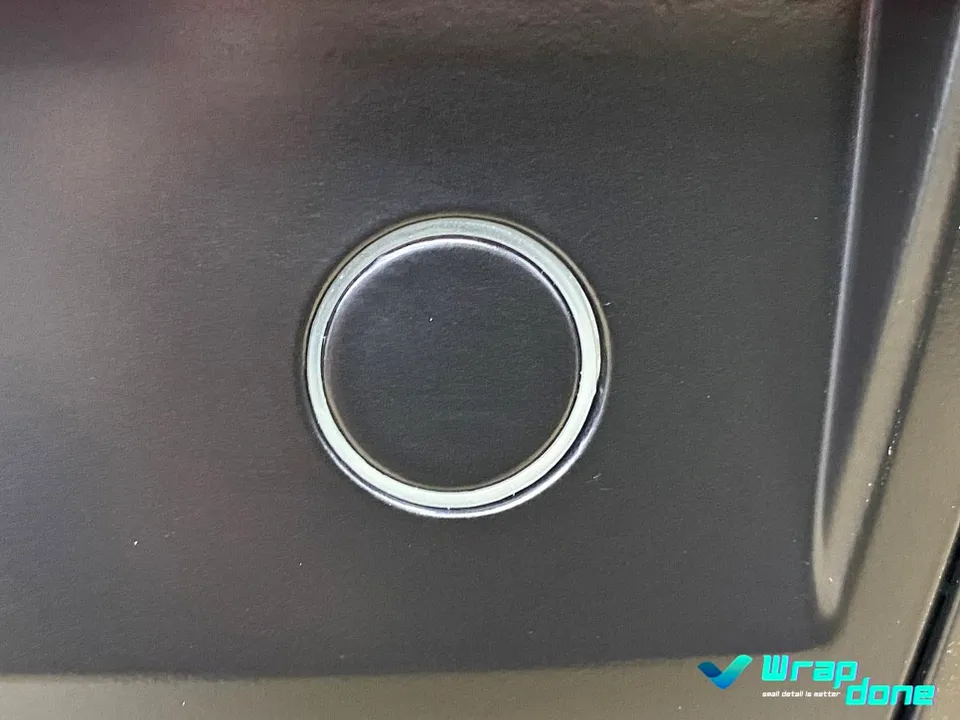
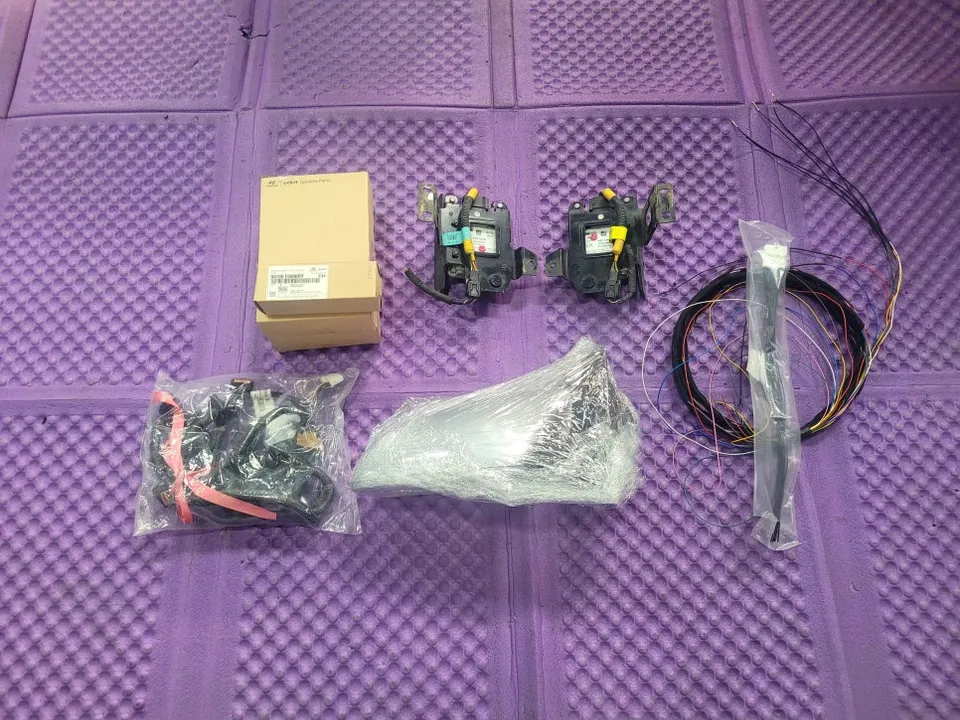
The components used in this installation include two BSD radar sensors, mounted on the rear corners of the vehicle. The side mirrors are replaced with OEM mirrors featuring integrated LED warning lights. A BSD full-option switch is also necessary, allowing the driver to control the system. Finally, a wiring harness kit and OEM terminals are used to ensure reliable integration.
Replacing Damaged Parts Simultaneously
During the pre-installation inspection, it was discovered that the driver's side mirror was already damaged from a previous accident. Therefore, the decision was made to replace the side mirror with an OEM part concurrently with the BSD system installation. Performing multiple tasks at once reduces the number of times the vehicle needs to be disassembled, ultimately saving costs.
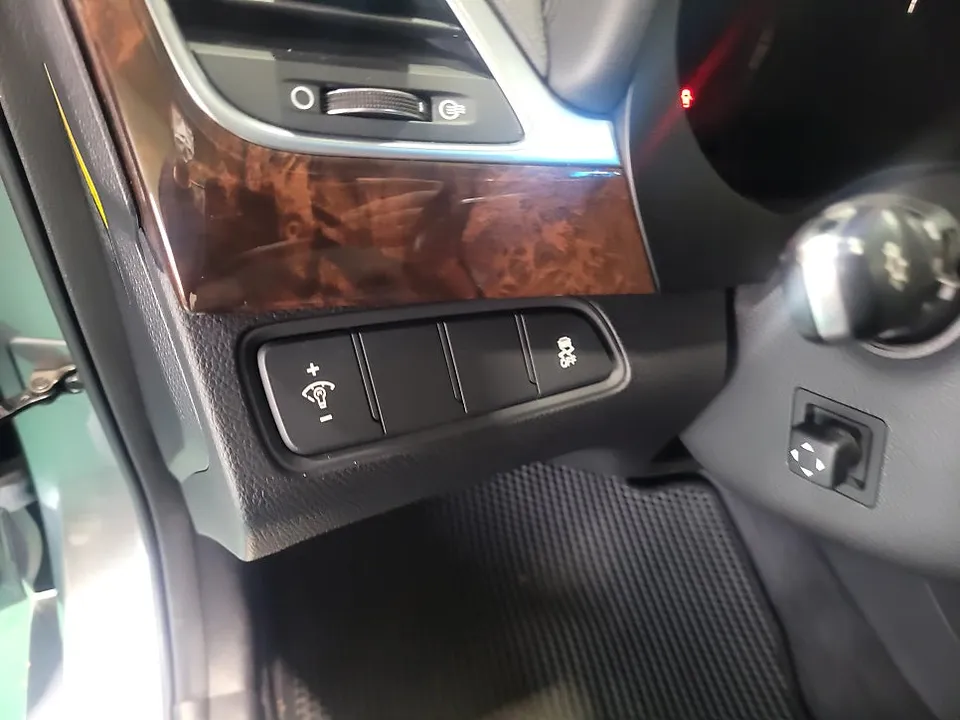
Actual Installation Process for the Aslan AG Rear-Side Warning System
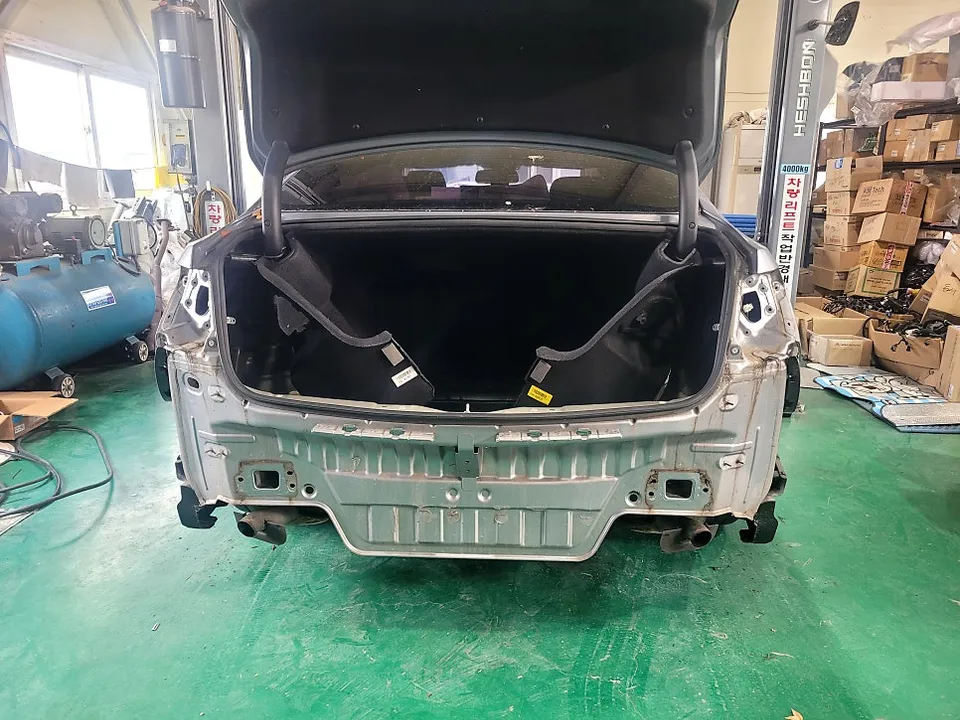
Installation begins with the removal of the rear bumper. This is the most time-consuming part, requiring careful detachment to expose the vehicle's undercarriage for radar sensor mounting. After bumper removal, the precise mounting location for the rear-side radar is measured.
Radar Sensor Mounting and Alignment
Accurate angle and height are crucial for the proper functioning of the BSD radar. The technician uses a spirit level for precise alignment of the sensors.
Following sensor mounting, the wiring harness is routed through the vehicle's interior to connect the sensors to the control module and the new switch. The side mirrors are then replaced with the new units containing the LED indicators. Finally, the rear bumper is reinstalled, and the system undergoes a diagnostic check and calibration to ensure all components are working correctly. The entire process typically takes several hours.
The result is a significantly enhanced safety system for the Hyundai Aslan AG, providing drivers with crucial awareness of their surroundings and reducing the risk of accidents during lane changes.
Frequently Asked Questions
Q. How much does OEM Options cost for a Hyundai Aslan?
The cost for an OEM BSD/BCW system installation on a Hyundai Aslan AG in Korea was detailed in the original article, but specific pricing varies by region and installer. Typical aftermarket BSD/BCW systems in the US can range from $300 to $800 installed.
Q. How long does OEM Options last on a Hyundai Aslan?
OEM BSD/BCW systems are designed to last the lifetime of the vehicle, provided they are installed correctly using genuine parts. Regular cleaning of the rear bumper area where the sensors are located can help maintain optimal performance.
Q. Is OEM Options worth it for a Hyundai Aslan?
The OEM BSD/BCW system is highly recommended for Hyundai Aslan AG owners who frequently change lanes or drive in heavy traffic, as it significantly enhances safety by alerting drivers to vehicles in blind spots. The value lies in accident prevention and peace of mind.
Q. How is OEM Options done on a Hyundai Aslan?
1. The rear bumper is carefully removed to access the mounting points. 2. Two BSD radar sensors are precisely mounted and aligned using a spirit level. 3. Wiring harnesses are routed, and side mirrors with LED indicators are installed. 4. The system is connected, the bumper is reinstalled, and a final calibration and diagnostic check are performed.
Q. What is the best OEM Options option for a Hyundai Aslan?
The best option for a Hyundai Aslan is a genuine OEM BSD/BCW system, as it integrates seamlessly with the vehicle's electronics and offers the most reliable performance. This ensures full compatibility and maintains the vehicle's original safety standards.
OhCar Partner Shop