Hyundai Kona PPF Review: Protecting Your Investment
Service Price
$115–150
Estimated price · Actual price may vary by shop
Before
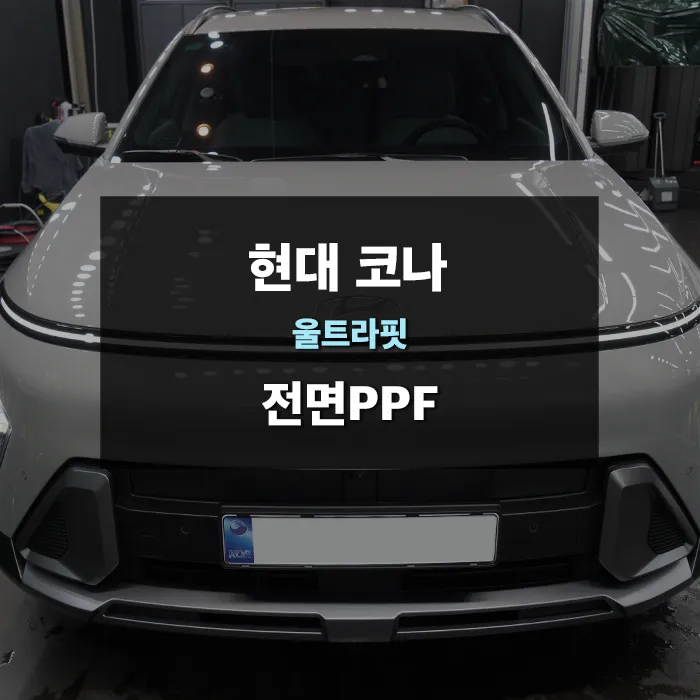
After
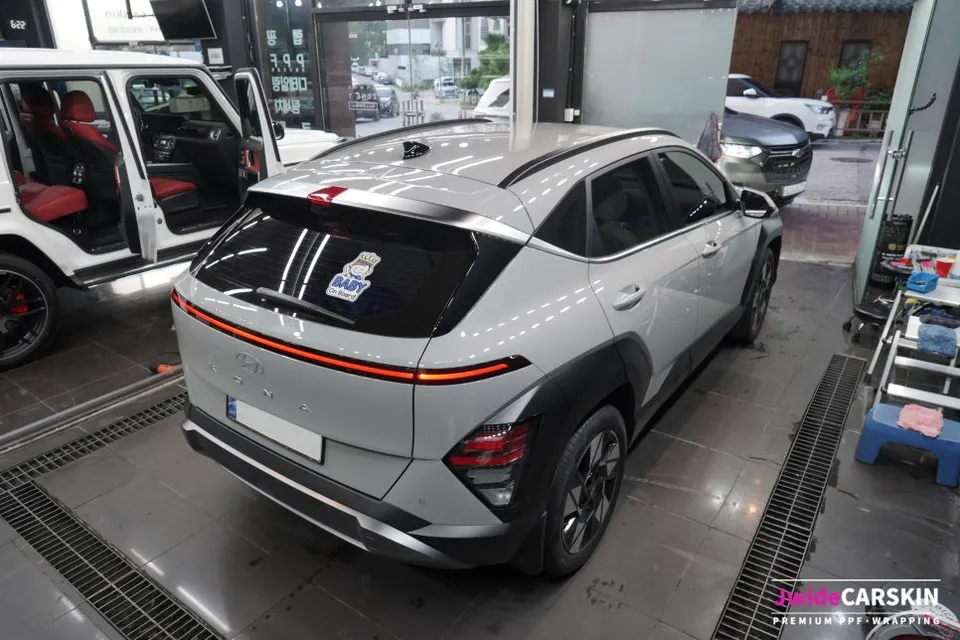
Process photos
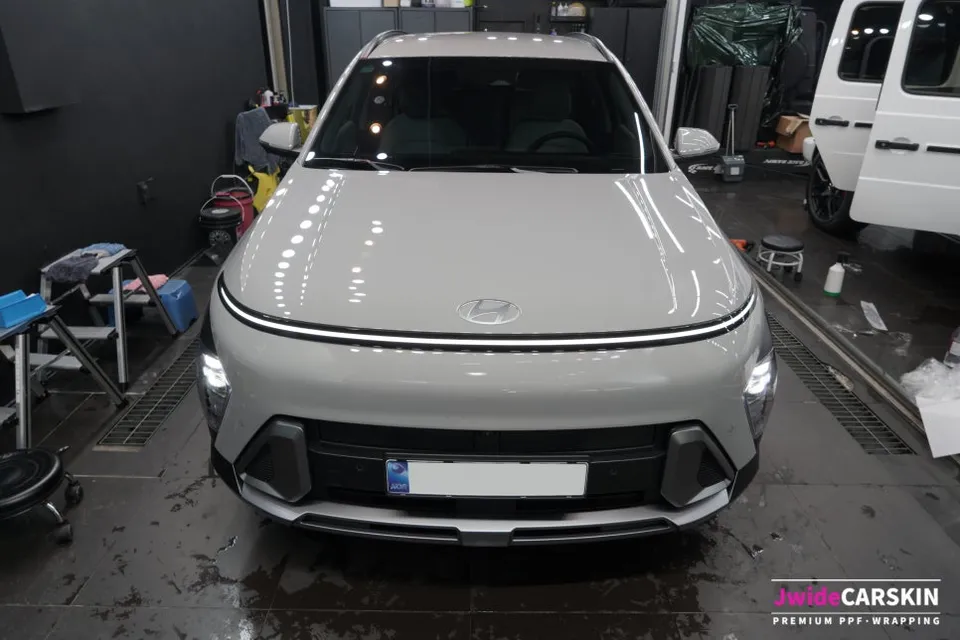
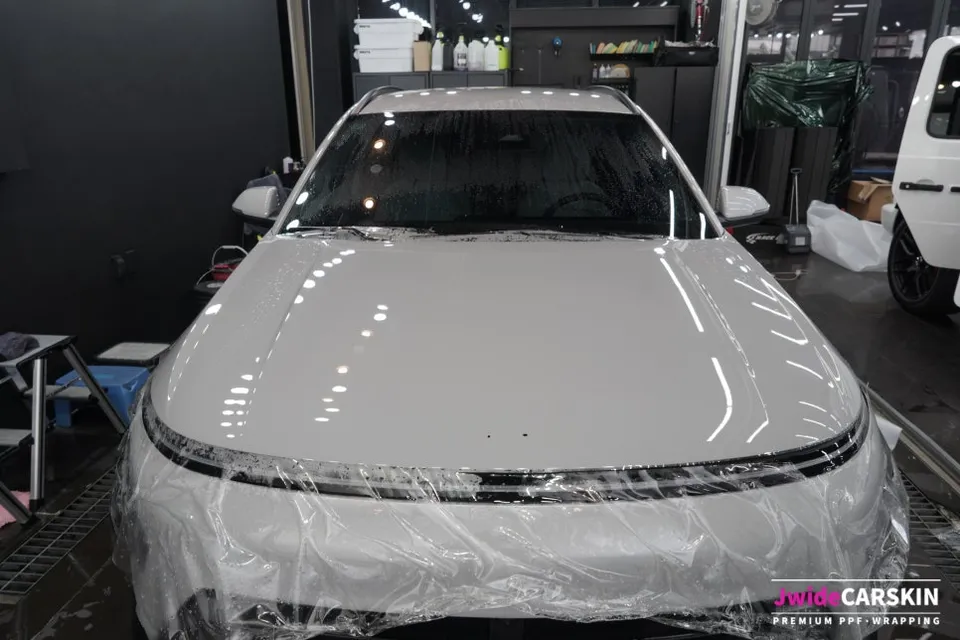
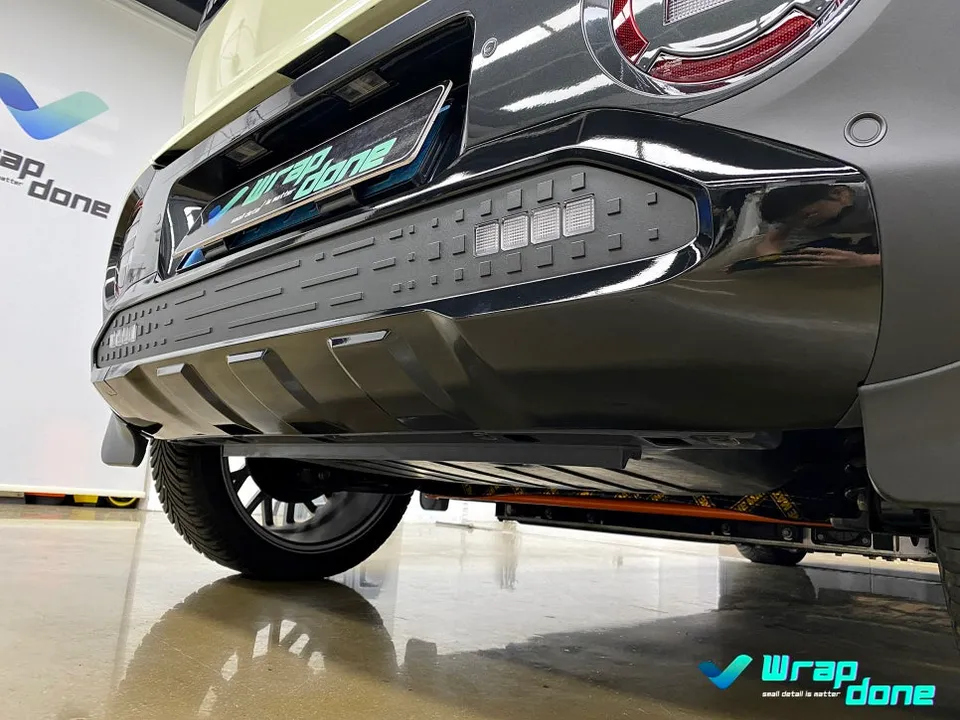
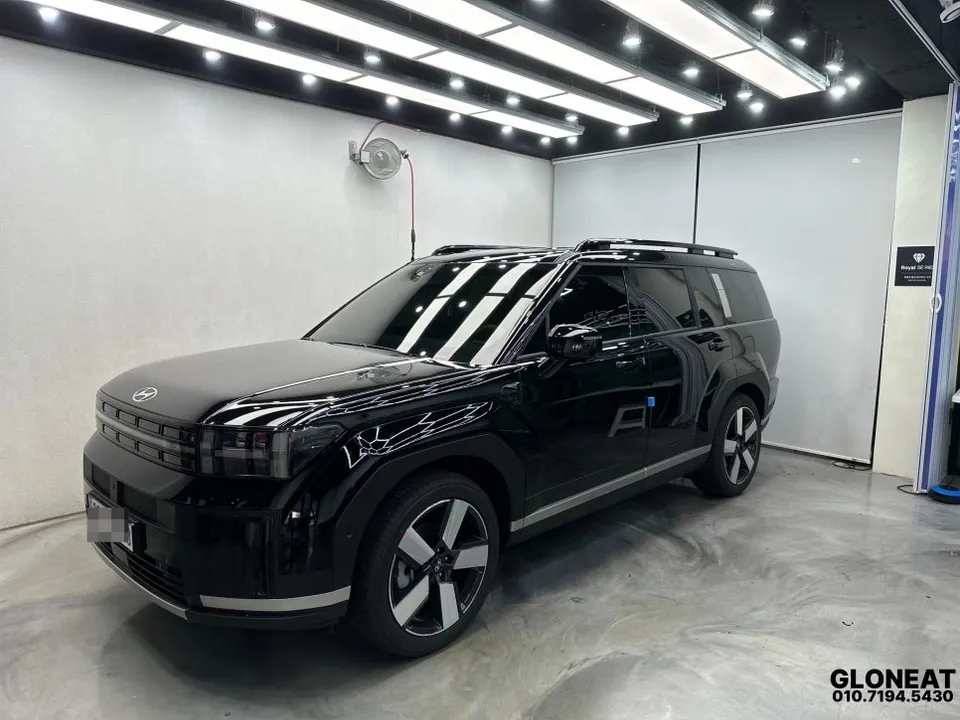
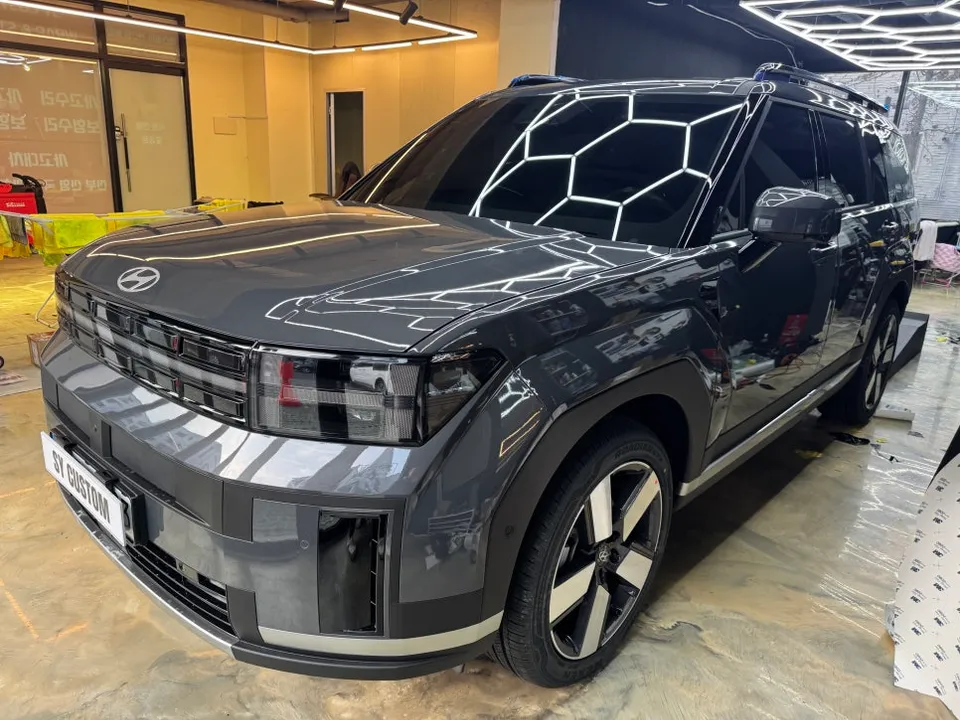
Hyundai Kona front-end PPF installation: Protects against chips and scratches. Enhances durability and maintains original paint.
Why Paint Protection Film (PPF) is Essential for Your New Hyundai Kona
The new Hyundai Kona, a stylish compact SUV designed for urban driving, boasts an attractive front-end design. However, keeping a new car pristine requires protection against external impacts and environmental damage. Many Kona owners share the concern: "How can I keep the front of my car looking flawless?" The answer lies in front-end Paint Protection Film (PPF). For modern vehicles like the Hyundai Kona, with intricate grille designs and LED daytime running lights, standard washing alone is insufficient to prevent micro-stone chips and scratches.
This guide explores why front-end PPF is a crucial investment for your Hyundai Kona, using a recent installation at a detailing shop as a case study. We'll delve into the specific characteristics of the Kona's front end that make PPF the ideal solution and compare it to other protection methods.
Understanding the Hyundai Kona's Front-End Vulnerabilities
The new Kona is recognized for its sophisticated blend of curves and sharp lines. While this design is aesthetically pleasing, the lower bumper area is particularly susceptible to direct impacts from gravel and road debris during driving. High-speed highway travel significantly increases the risk of stone chips. It's important to differentiate PPF from other protective measures.
PPF vs. Vinyl Wrap: Both offer protection, but PPF is a transparent film that preserves your original paintwork entirely. A vinyl wrap, on the other hand, involves applying a colored film to change the vehicle's appearance. For those who wish to maintain the Kona's original color and finish, PPF is the superior choice.
PPF vs. Ceramic Coating: Ceramic coating enhances gloss and hydrophobicity, serving as a finishing layer. PPF provides physical impact resistance. For the front end, which endures direct impacts, ceramic coating alone is inadequate. Applying a ceramic coating over PPF offers both durability and a high-gloss finish.
The Hyundai Kona Front-End PPF Installation Process
Here's a step-by-step look at the PPF installation process for a Hyundai Kona's front end:
- Pre-Inspection and Cleaning: The vehicle is thoroughly washed to remove all dirt, grime, and oils. A clean surface is essential for proper film adhesion. The paintwork is then inspected for any existing scratches or imperfections, which are documented and discussed with the owner. Special attention is paid to the intricate grille areas of the Kona, which can trap debris.
- Masking and Surface Preparation: The areas designated for PPF application are precisely masked to ensure accurate film cutting. This involves carefully cutting the film to fit specific sections like headlights, the radiator grille, and bumper corners. Precision at this stage prevents lifting or peeling at the edges.
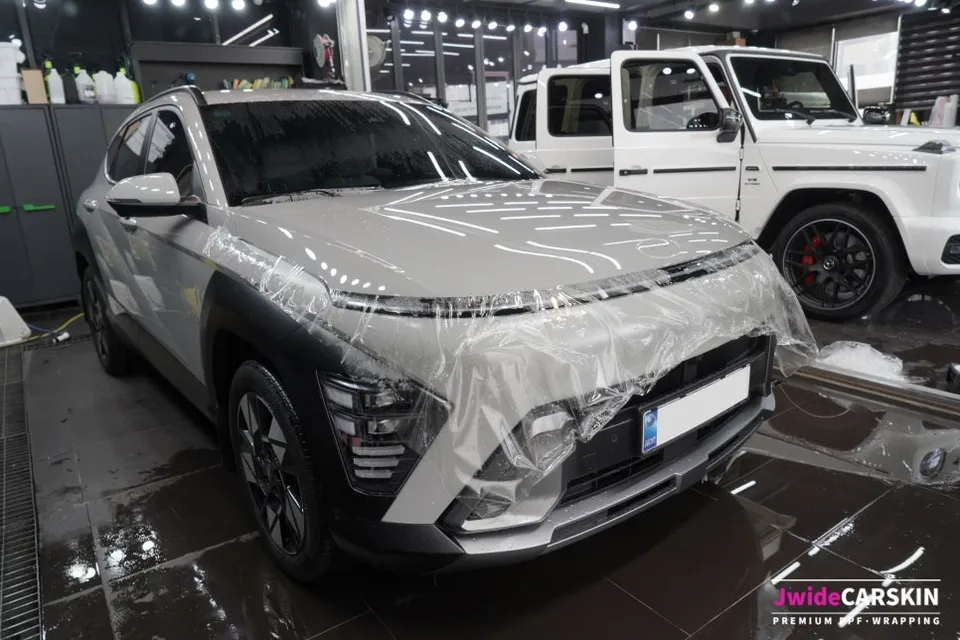
- Film Application and Heating: Premium films, such as Ultra-Fit, offer excellent self-adhesion, making air bubble removal straightforward. The installer carefully lays the film, using a heat gun to gently warm and conform it to the vehicle's curves. Adjusting the heat is critical for matching the complex contours of the Kona's front end; overheating can cause shrinkage, while insufficient heat leads to poor adhesion.
- Edge Finishing and Curing: The final step involves meticulously tucking the film edges into panel gaps and seams to prevent dirt accumulation and lifting. After application, the film requires 24-48 hours of natural curing time to achieve its maximum hardness and durability.
Frequently Asked Questions
Q. How much does PPF cost for a Hyundai Kona?
The cost for front-end PPF on a Hyundai Kona can range from $600 to $1200 USD, depending on the film quality and installer. This review details a specific installation, but typical US pricing falls within this range.
Q. How long does PPF last on a Hyundai Kona?
High-quality PPF typically lasts 5-10 years, offering long-term protection against road debris. Regular washing and occasional waxing can help maintain its clarity and longevity.
Q. Is PPF worth it for a Hyundai Kona?
PPF is highly recommended for Hyundai Kona owners who frequently drive on highways or are concerned about maintaining their vehicle's pristine condition. It offers significant value by preventing costly paint repairs and preserving resale value.
Q. How is PPF installed on a Hyundai Kona?
Installation involves thorough cleaning and inspection of the vehicle's surface. Next, the PPF is precisely cut to fit the front-end components, carefully applied using heat to conform to curves, and edges are meticulously tucked for a seamless finish. Finally, the film cures for 24-48 hours.
Q. What is the difference between PPF and ceramic coating for a Hyundai Kona?
PPF provides a thick, physical barrier against impact damage like stone chips, while ceramic coating offers a thin, hard layer that enhances gloss and hydrophobic properties but provides minimal impact protection. For comprehensive front-end protection on a Hyundai Kona, PPF is the primary defense, often complemented by a ceramic coating.
OhCar Partner Shop
More ppf Reviews
See all →
More Hyundai Reviews


Pair with Another Service
Complete your new car protection package