Kia Stinger Exhaust Upgrade Review: Vacuum to Electronic
Service Price
$150+
Estimated price · Actual price may vary by shop

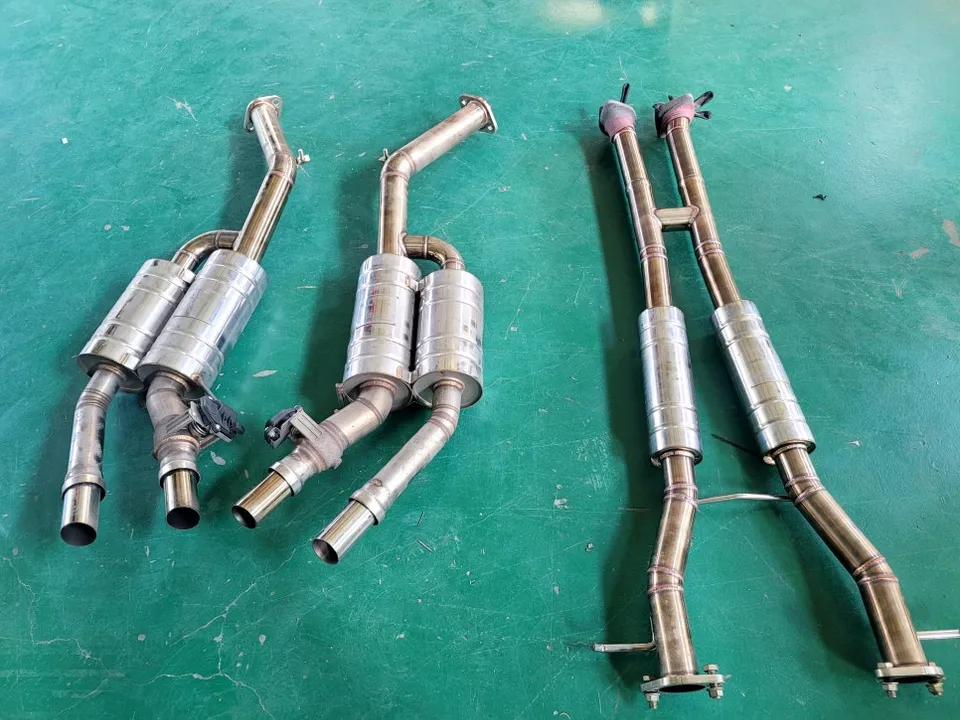
Kia Stinger exhaust valve upgrade from vacuum to electronic. Improved sound response and reliability. Cost varies.
Kia Stinger's Exhaust System Gets a Much-Needed Upgrade
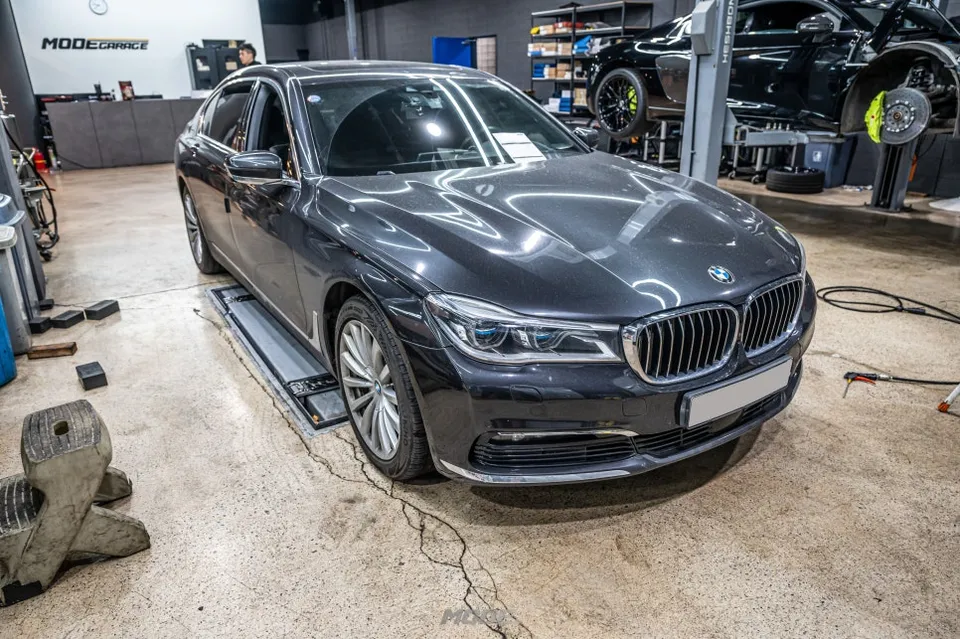
A 2019 Kia Stinger recently visited our shop with a specific issue: its existing vacuum-operated exhaust valve system was malfunctioning. Over time, the vacuum lines had degraded and the valve had become stuck in the open position. This meant the Stinger's signature exhaust note was muted, and the driver couldn't enjoy the full auditory experience. To resolve this, the owner decided on a complete conversion to a more reliable electronic exhaust valve system.
This article covers: 1) The drawbacks of vacuum-based exhaust valves, 2) Why an electronic system was chosen, 3) The detailed installation process, 4) The results after the upgrade, and 5) Important considerations regarding cost and potential issues.
Why Switch from Vacuum to Electronic Exhaust Valves?
Vacuum-based exhaust valve systems rely on engine vacuum pressure to operate. However, they are prone to issues like vacuum line hardening and valve sticking over time, as seen in this Stinger. The stuck valve prevented any control over the exhaust sound. In contrast, electronic exhaust valve systems use electrical signals for control, offering significantly higher reliability. Given the Stinger's existing tuning, including a modified mid-pipe, maximizing the exhaust note's expressiveness was a priority. An electronic system was the ideal choice to unlock this potential.
Removing the Old Vacuum System
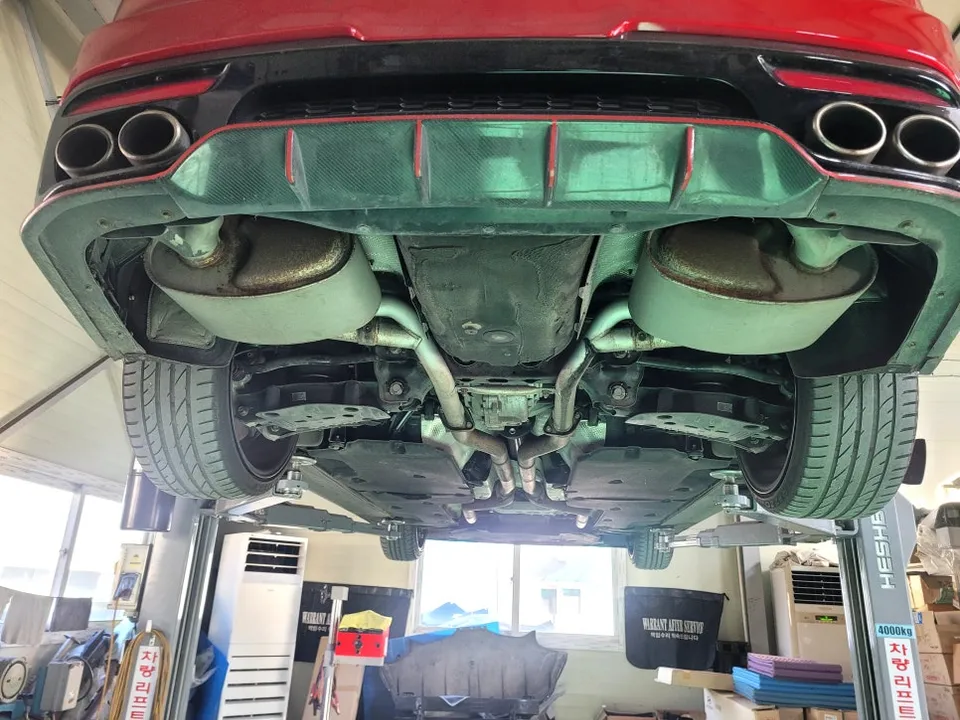
The process began with carefully disconnecting the wiring from the existing vacuum-based exhaust system, starting from the mid-pipe. We identified that the original mid-pipe was a modified stock component, converted to a straight pipe. A key decision during the installation was to retain the stock Meister 3.3 diffuser. This was feasible because the new exhaust system was designed to align perfectly with the existing diffuser. Replacing the diffuser would have necessitated additional costs, particularly to ensure compatibility with the existing carbon fiber lip.
Installing the Electronic Exhaust System
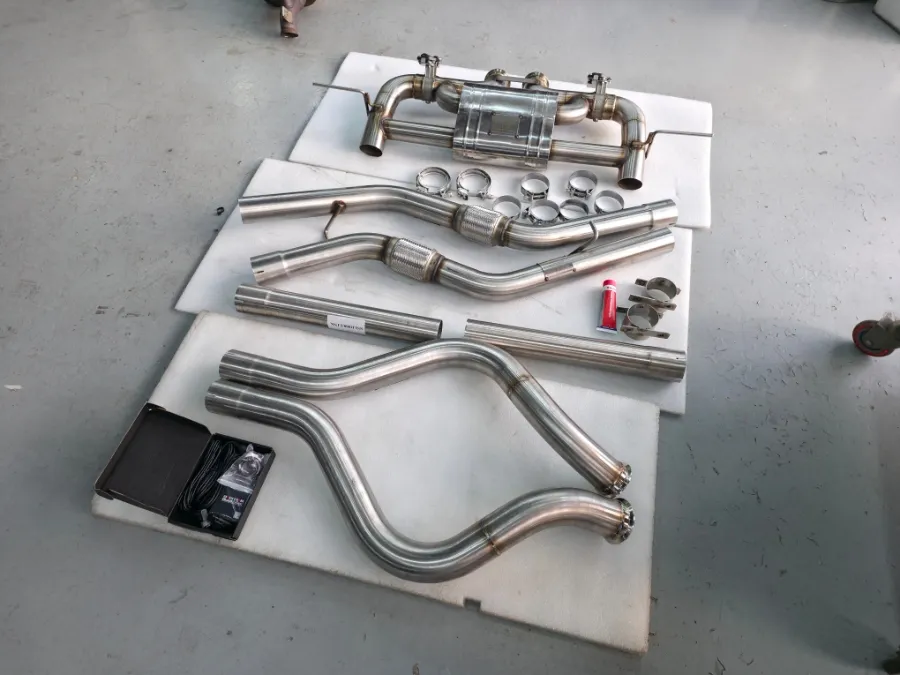
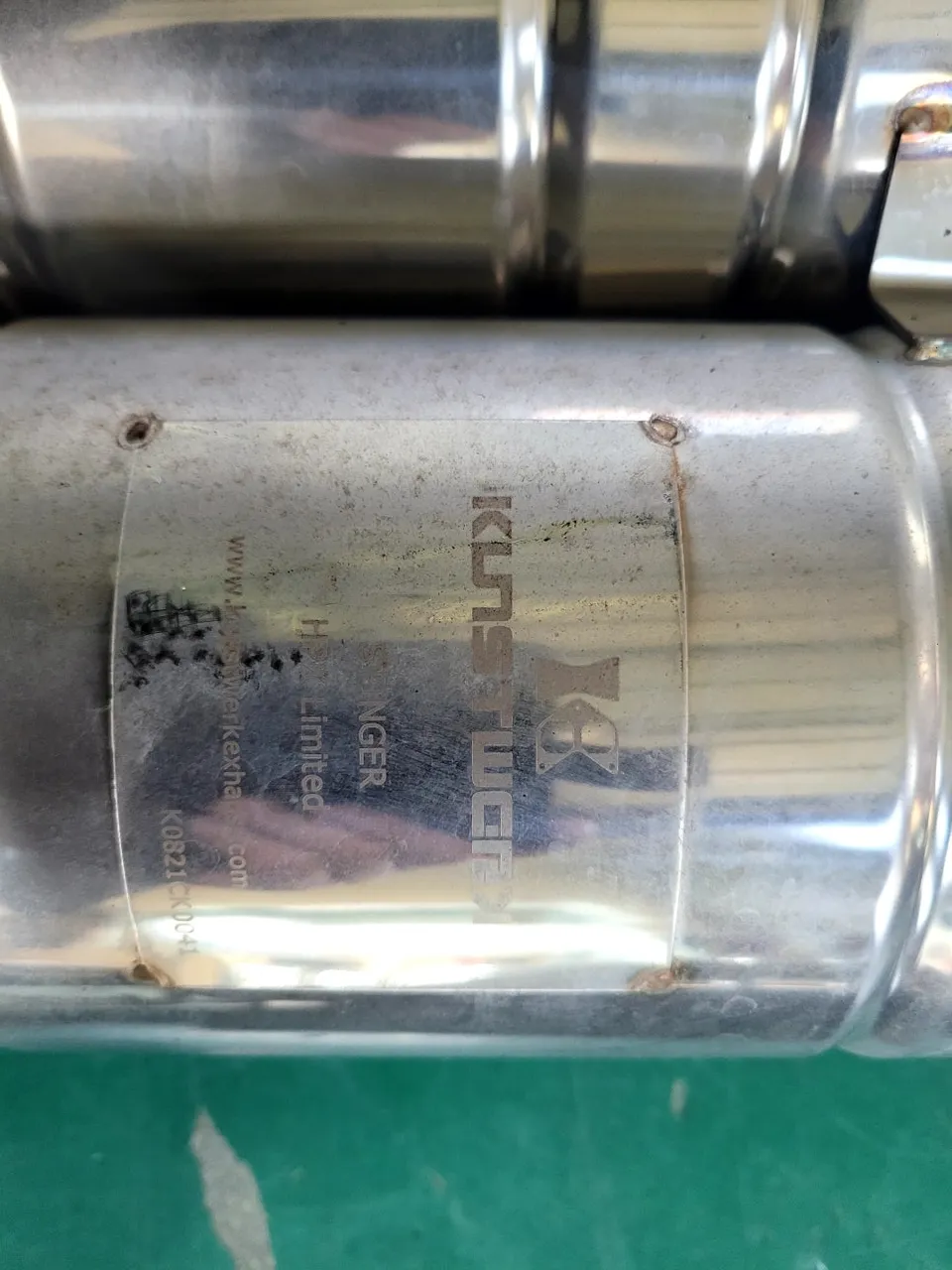
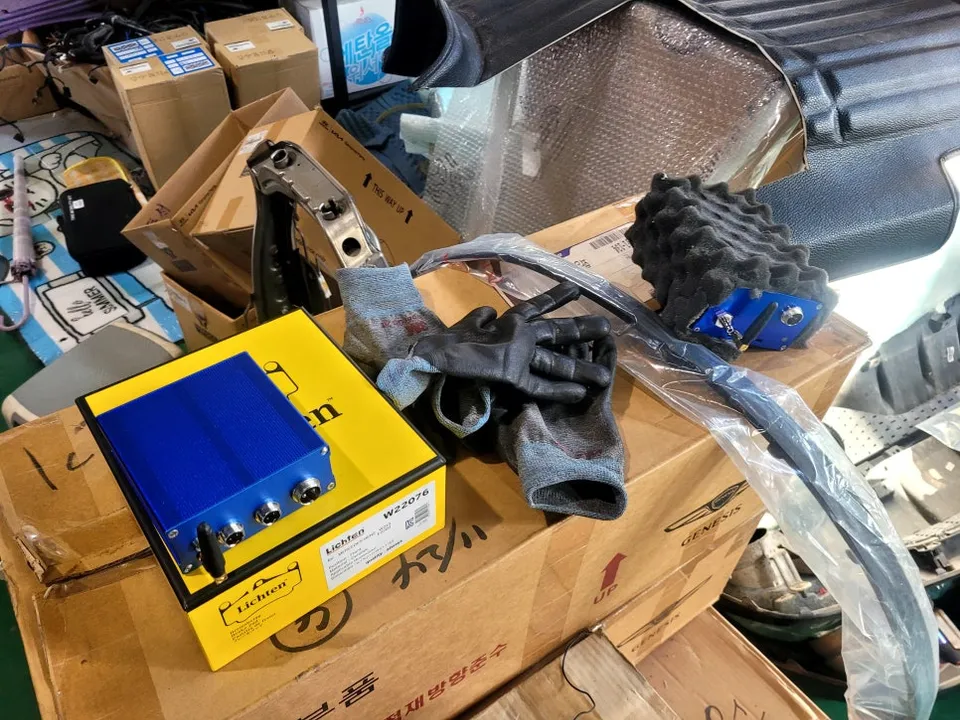
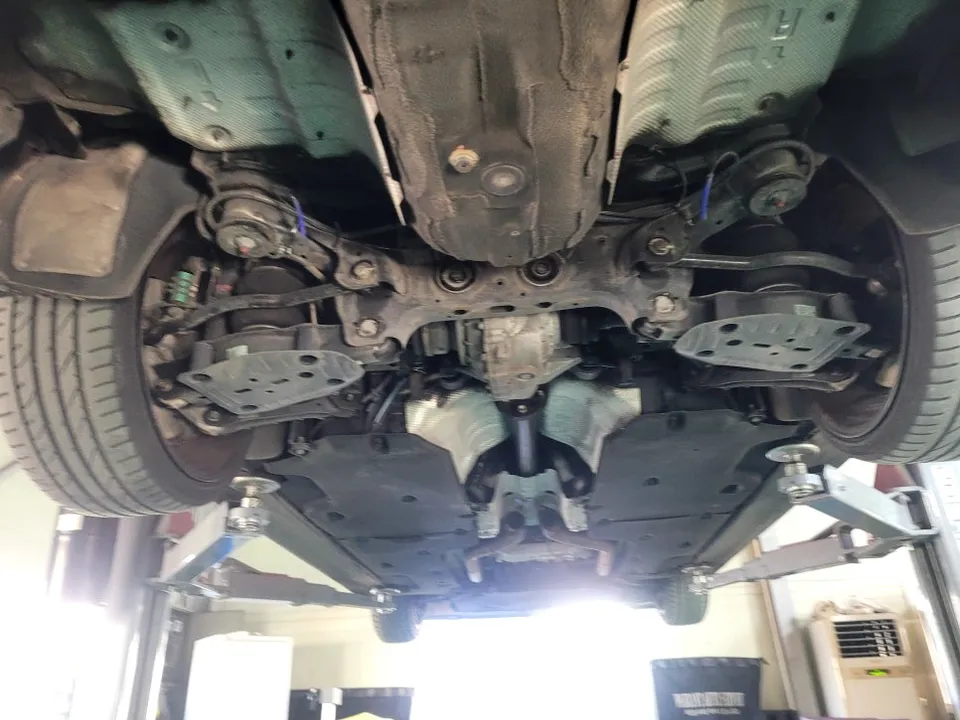
The new Constverk HPX & Limited electronic exhaust system was then installed. Precise alignment with the existing diffuser was crucial, requiring careful adjustment within the limited space. The core of the electronic system involves the control module and wiring harness. The Constverk electronic control module was mounted, and the wiring was meticulously connected to ensure accurate synchronization with the engine's signals.
Final Checks and Vibration Dampening
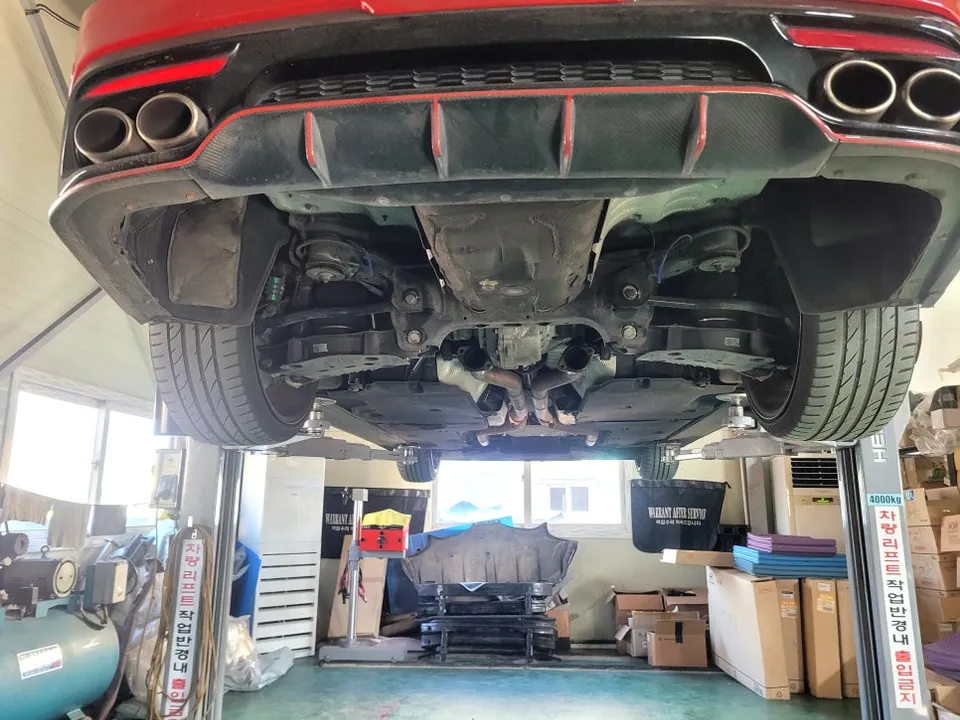
Since the original diffuser was kept, we paid close attention to potential exhaust pipe vibrations. The final stage involved a thorough inspection of the entire exhaust line. We checked that the end tips were properly seated against the diffuser, ensuring adequate clearance and preventing any unwanted vibrations from transferring. The result was satisfactory, with the end tips fitting snugly against the diffuser without vibration, maintaining the necessary clearance to avoid interfering with sound output.
The Impact of the Electronic Upgrade on Sound
The most significant improvement was the enhanced responsiveness of the exhaust sound. While the previous vacuum system was sluggish, the electronic system provides immediate and precise control over the exhaust note, allowing the driver to fully appreciate the Stinger's performance capabilities.
Frequently Asked Questions
Q. How much does a Performance Upgrade cost for a Kia Stinger?
The cost for this specific electronic exhaust valve upgrade on the Kia Stinger was not explicitly stated in Korean Won. Typical US pricing for similar electronic exhaust valve systems can range from $1,000 to $3,000, depending on the brand and complexity.
Q. How long does a Performance Upgrade last on a Kia Stinger?
Electronic exhaust valve systems are generally more durable than vacuum systems, offering long-term reliability. Regular checks for exhaust leaks and ensuring the electronic module remains free of moisture can help maintain optimal performance.
Q. Is a Performance Upgrade worth it for a Kia Stinger?
For Kia Stinger owners seeking enhanced exhaust sound control and improved reliability over older vacuum systems, an electronic upgrade is highly beneficial. It allows for a more dynamic and responsive auditory experience, fully realizing the car's performance potential.
Q. How is a Performance Upgrade done on a Kia Stinger?
The process involves removing the old vacuum-based exhaust valve system, including wiring and vacuum lines. A new electronic control module and wiring harness are installed, connecting to the vehicle's electrical system. The new exhaust valve components are then precisely fitted and aligned with the existing exhaust and diffuser, followed by thorough vibration checks.
Q. What is the best Performance Upgrade option for a Kia Stinger?
For improved reliability and sound control, switching from a vacuum-based system to an electronic exhaust valve system like the Constverk HPX & Limited is recommended. This offers more precise and immediate control over the exhaust note compared to older vacuum-actuated valves.
OhCar Partner Shop