Tesla Model 3 Window Tinting Review: Heat Rejection Tested
Service Price
$75–115
Estimated price · Actual price may vary by shop
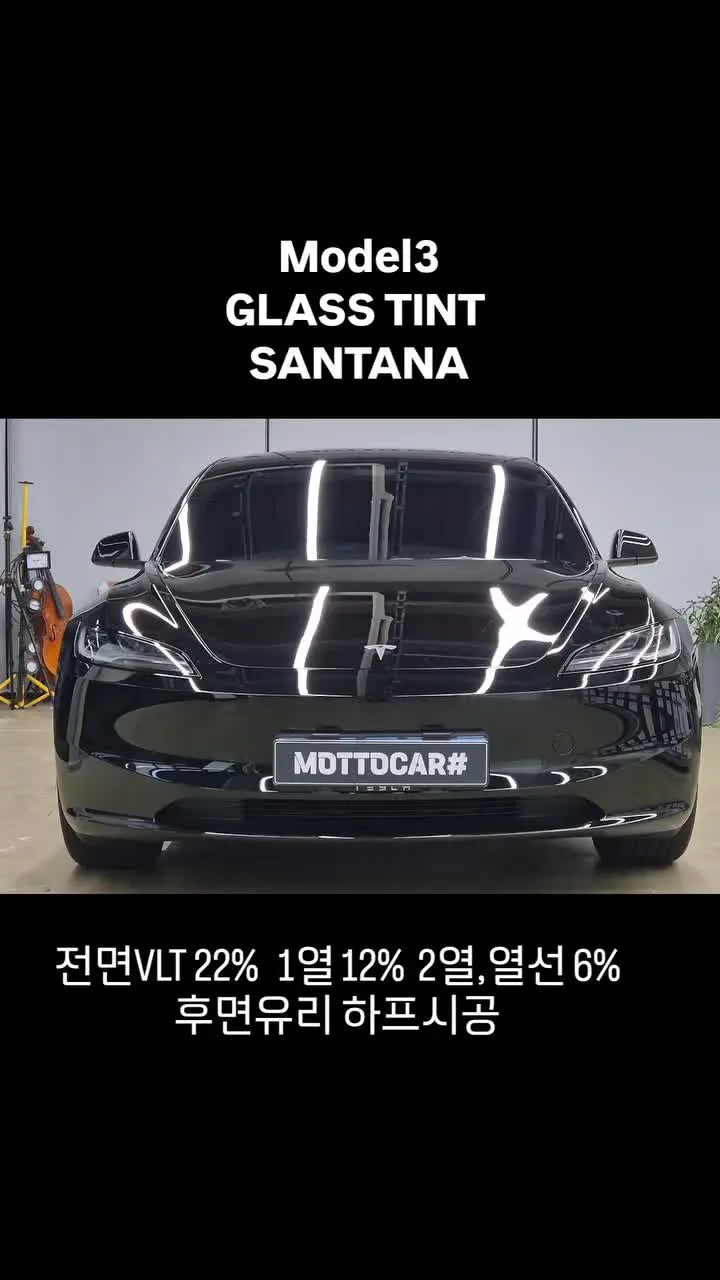
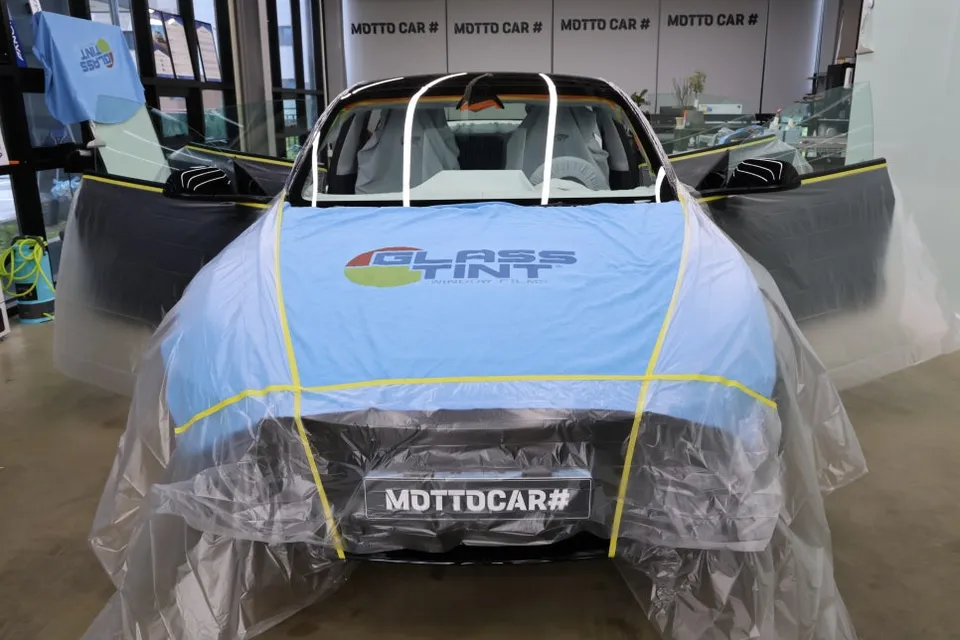
Tesla Model 3 window tinting with Glasstint Santana offers up to 95% IRR at a competitive price. Installation includes special techniques for curved g
Tesla Model 3 Window Tinting: Why It's Different
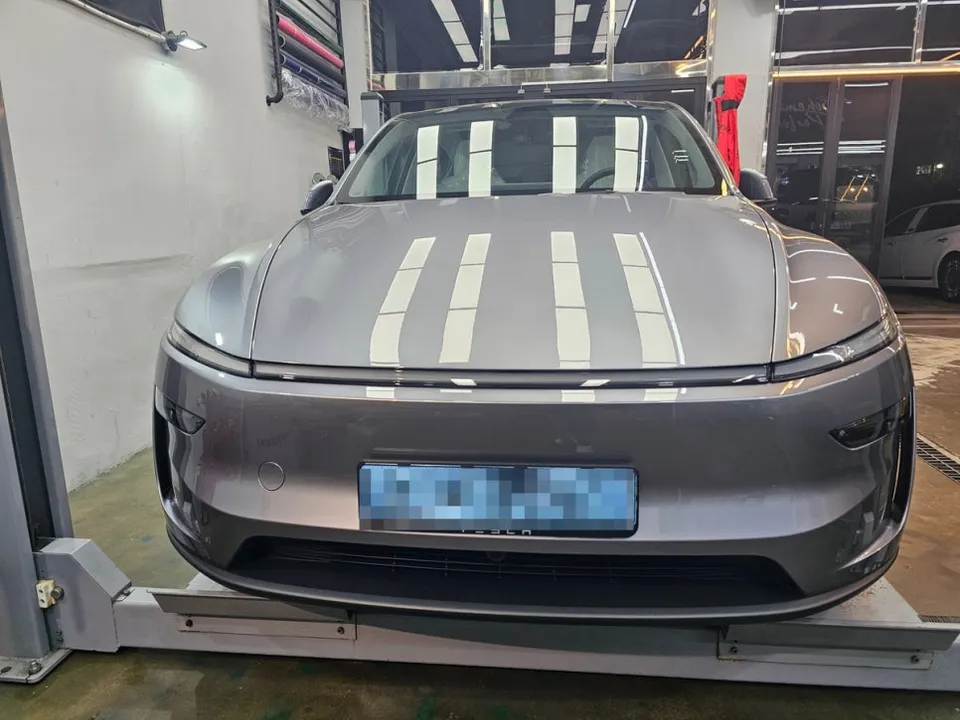
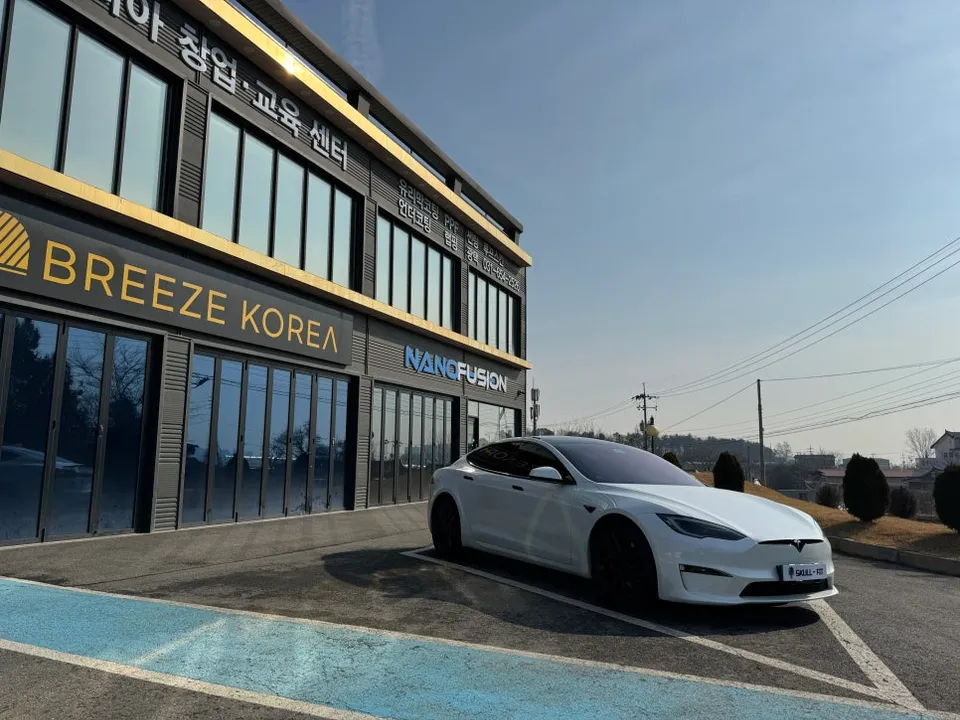
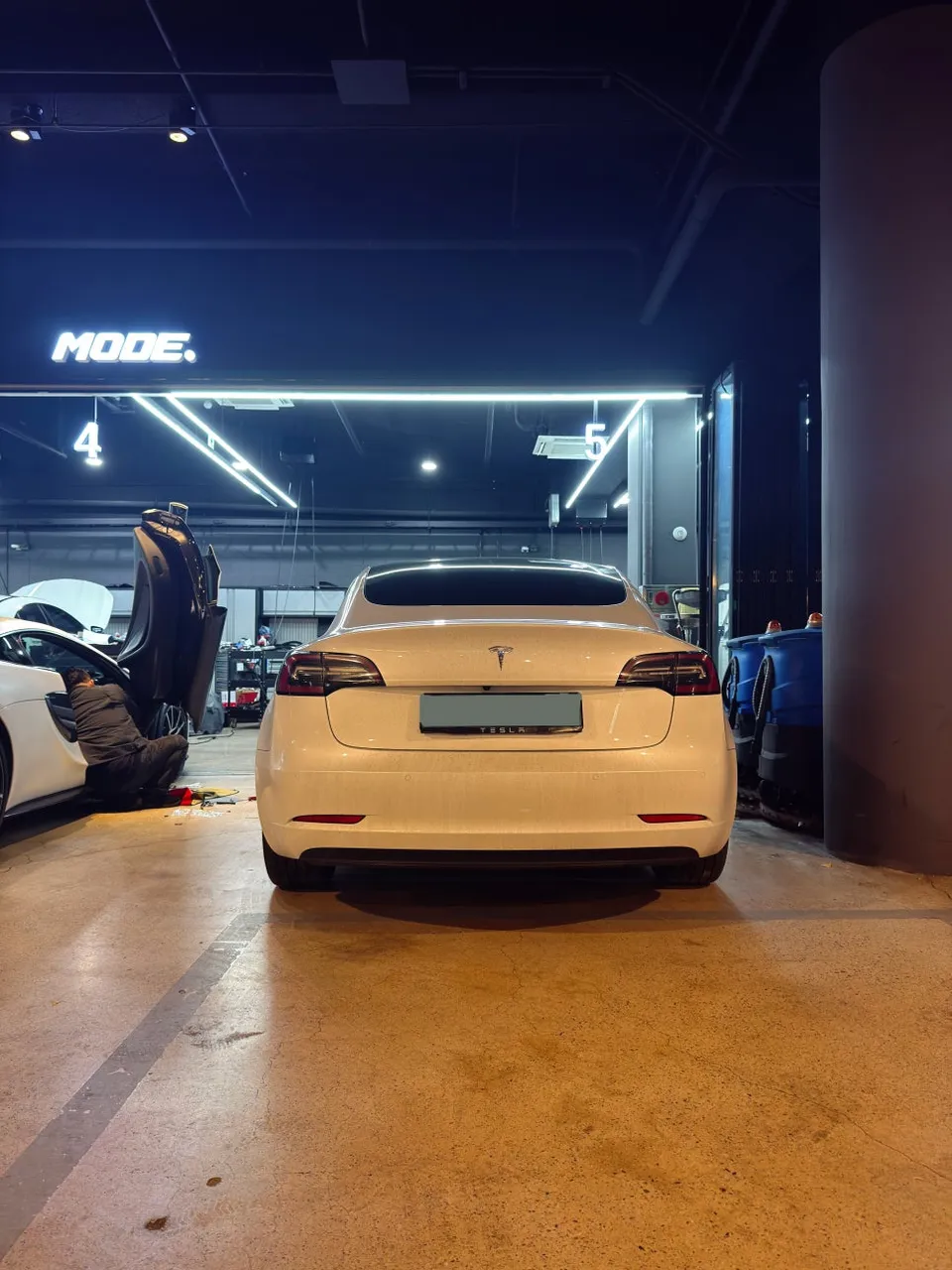
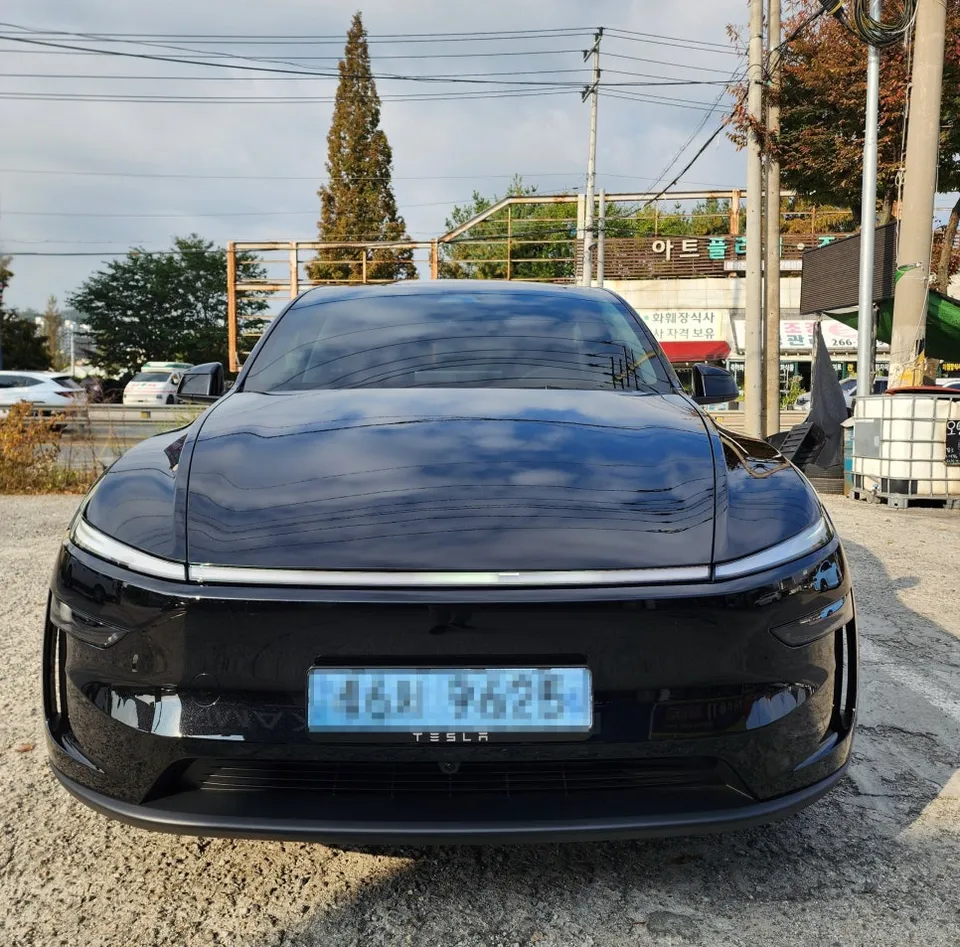
When you take delivery of a new Tesla Model 3, one of the first decisions you'll face is window tinting. Balancing heat rejection, visibility, and privacy can be a challenge. This post details a Tesla Model 3 tinting experience in Gwangju, South Korea, focusing on product selection, shade choices, and the unique installation process required for this EV.
Understanding Tesla Model 3 Tint Installation Challenges
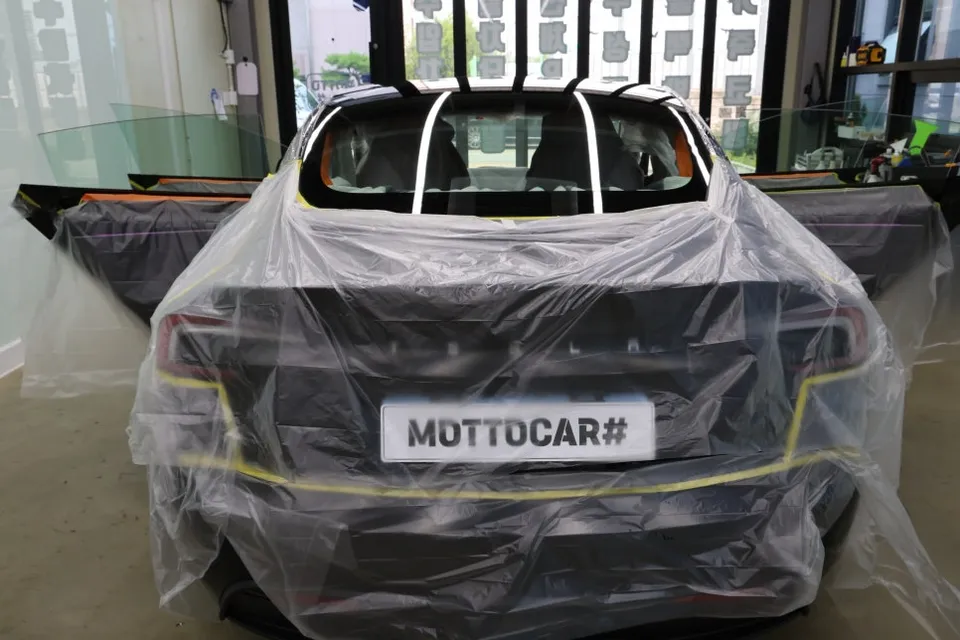
The Tesla Model 3's side windows differ significantly from standard sedans; they are larger and have a more pronounced curve. This curvature makes the window film prone to lifting or "bubbling" (debouncing) along the edges, especially as temperature changes cause the film to contract over time. To prevent this, a "low-temperature shrinkage" process is crucial. This involves slowly heating and shrinking the film to perfectly match the glass's contour, preventing edge lifting that could necessitate re-tinting within a year.
Another key aspect of Model 3 tinting is the "shaving process." This meticulous technique involves precisely trimming the film along the window's edge to achieve a flawless, edge-to-edge fit. Improper shaving can lead to uneven edges or visible white lines, detracting from the car's aesthetic. High skill is required to execute this perfectly.
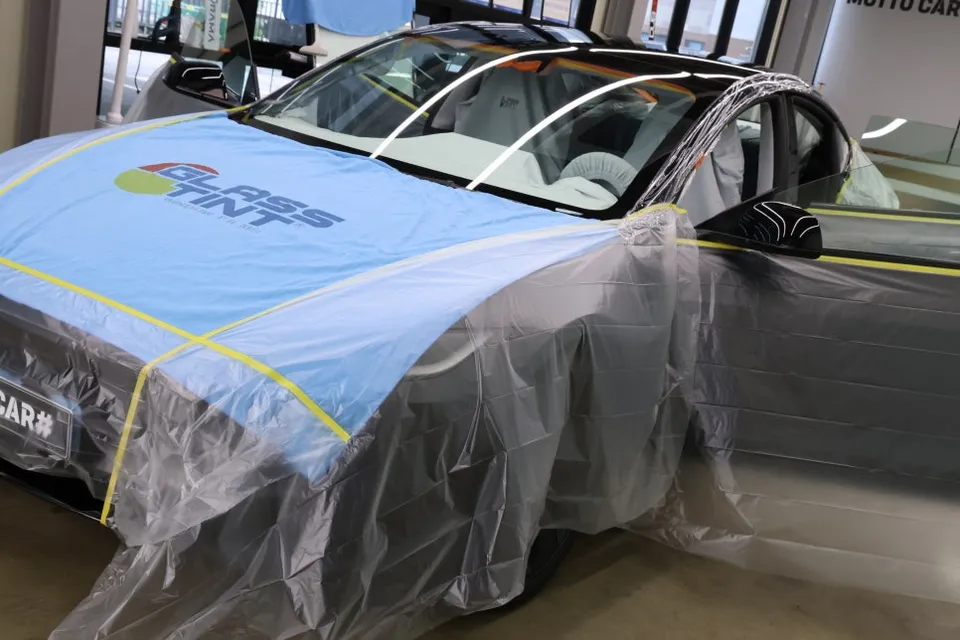
Glasstint Santana: The Value Champion
For this Model 3, "Glasstint Santana" was chosen. This is a non-reflective, nano-ceramic film designed for excellent heat rejection. Its standout feature is a high Infrared Rejection (IRR) rate of up to 95%, achieved at a significantly more affordable price point compared to other high-performance films. While top-tier nano-ceramic films might offer a few extra percentage points of IRR (around 99%), they often come at double the cost. Santana provides a compelling balance of performance and price.
Furthermore, Glasstint Santana minimizes "haze," a common issue with lower-quality films where the tint can appear cloudy over time. This film maintains clarity, making it a popular choice for those seeking a high-value tint solution. It’s considered a top-tier option in the budget-friendly category.
Key Features of Glasstint Santana:
- Infrared Rejection (IRR): Up to 95%
- Material: Non-reflective nano-ceramic
- Benefits: Minimal haze, high visibility
- Price: Competitive within its class
- Ideal for: Balancing heat rejection and cost
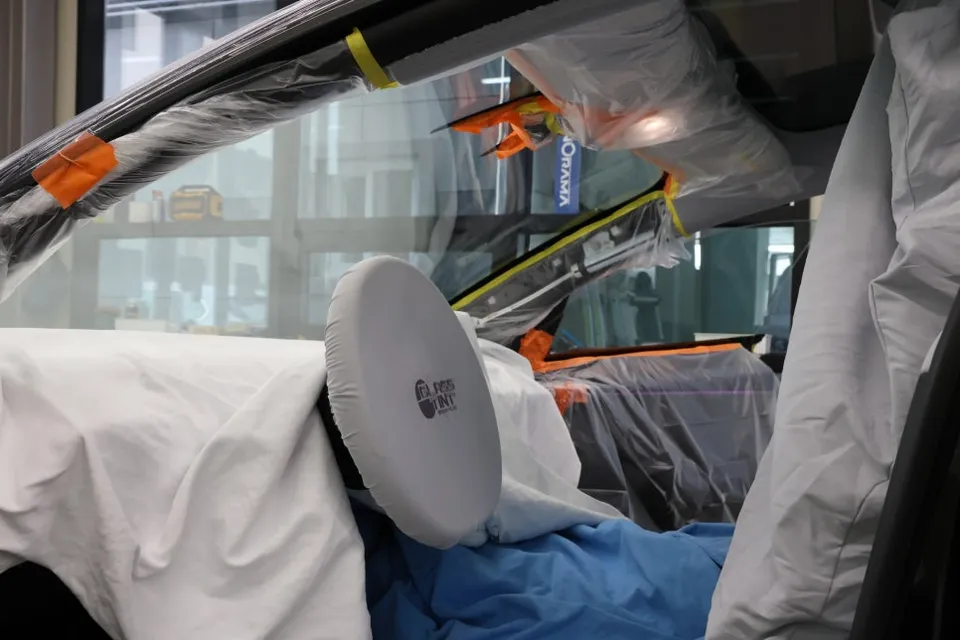
Achieving Heat Rejection and Visibility
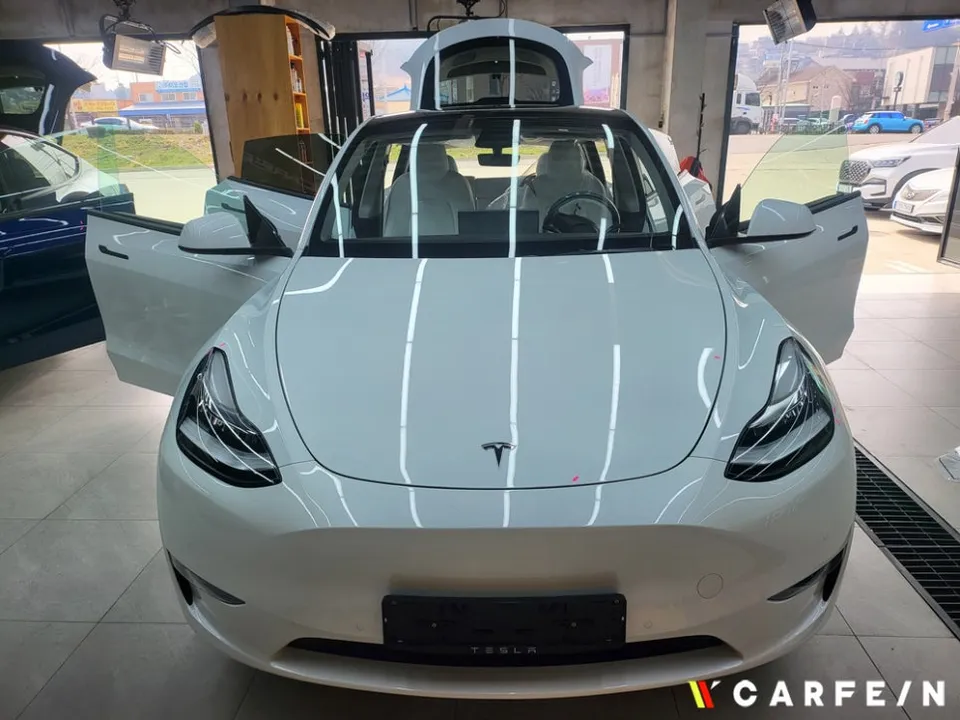
The Tesla Model 3's large, near-vertical windshield presents a unique situation. Even with a lower Visible Light Transmission (VLT) percentage, the effective brightness can feel higher than on a conventional car. For instance, a 22% VLT tint on the Model 3 windshield can appear closer to a 30-35% VLT on other vehicles. This means you can achieve a good balance of privacy and visibility even with darker shades.
In this installation, a 22% VLT was selected for the windshield to enhance privacy, as requested by the owner. Despite the percentage, the unique glass geometry of the Model 3 ensures that visibility remains surprisingly clear, demonstrating how tint performance can vary based on vehicle specifics.
Installation Process:
- Pattern Cutting: Precise patterns are cut for each window using specialized software.
- Surface Preparation: Windows are thoroughly cleaned and prepped to ensure optimal adhesion.
- Film Application: The window film is carefully applied, using heat and specialized tools to conform to the glass's curves.
- Shrinking & Trimming: Low-temperature shrinking techniques are used for curved glass, followed by meticulous shaving along the edges for a perfect fit.
- Curing: The tint is allowed to cure, typically for 24-48 hours, during which time windows should not be rolled down.
Frequently Asked Questions
Q. How much does window tinting cost for a Tesla Model 3?
The Glasstint Santana tinting featured in this review is competitively priced within the Korean market. Typical professional window tinting for a Tesla Model 3 in the US can range from $300 to $800 depending on the film quality and shop.
Q. What tint percentage is legal for a Tesla Model 3?
Legal tint percentages vary significantly by state in the US. It is crucial to check your local regulations to ensure compliance. Generally, windshields have stricter limits than side or rear windows.
Q. Is ceramic tint worth the extra cost for a Tesla Model 3?
Ceramic tint is often worth the investment for a Tesla Model 3 due to its superior heat rejection capabilities, which can improve cabin comfort and reduce AC load. If maximizing heat blocking and UV protection is a priority, the higher cost is justified by long-term benefits.
Q. How is window tint installed on a Tesla Model 3?
Installation involves precise pattern cutting, thorough window cleaning, and careful application of the film using heat and tools to conform to the glass's curves. For the Model 3, specialized techniques like low-temperature shrinking and edge shaving are used to ensure a perfect, bubble-free finish.
Q. What is the difference between ceramic and dyed window tint for a Tesla Model 3?
Ceramic tint uses nano-ceramic particles to block heat and UV rays without significantly darkening the glass, offering superior performance and longevity. Dyed tint uses a layer of dye to darken the windows and offer some heat rejection, but it's less durable and can fade over time.
OhCar Partner Shop
More window tinting Reviews
See all →

More Tesla Reviews

Pair with Another Service
Protect paint while you're at the shop
Add gloss and protection