Tesla Tesla Ceramic Coating Review: Cost & Results
Service Price
$40–80
Estimated price · Actual price may vary by shop
Before
After
Process photos
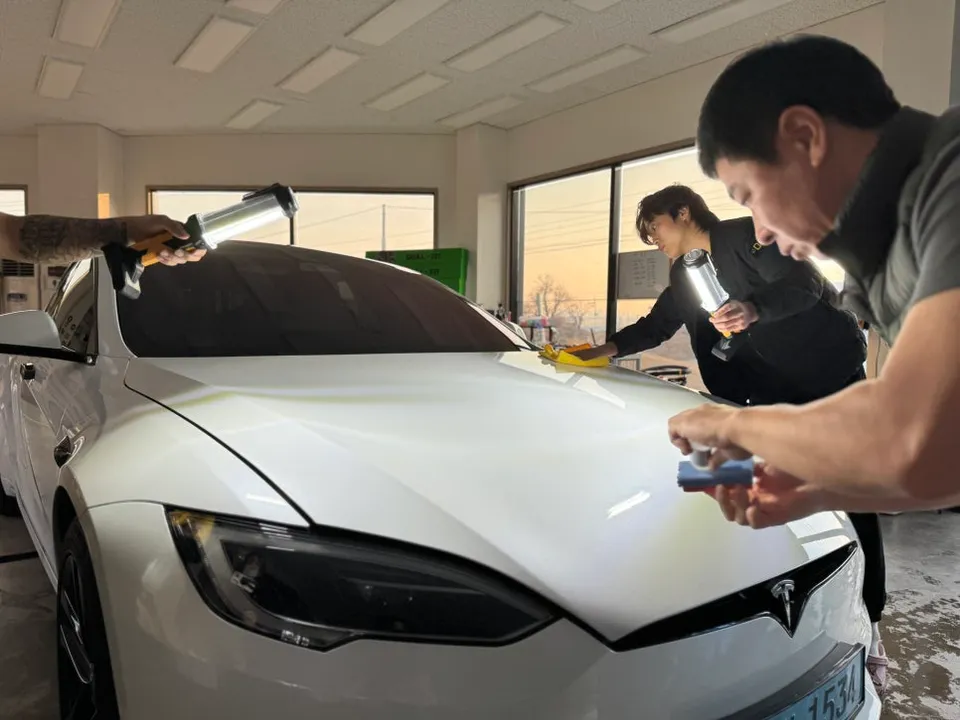
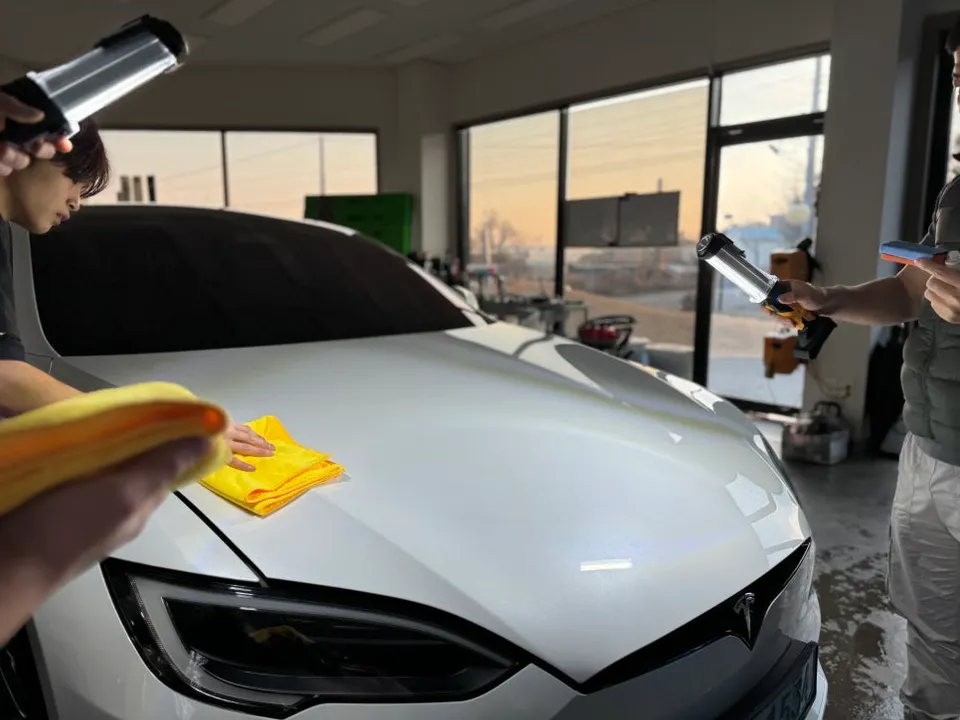
Tesla Tesla ceramic coating: ~$40-80 (US estimate). Enhances gloss, repels water, and simplifies cleaning.
Understanding Ceramic Coating for Your Tesla Tesla
Many new car owners ponder how to best protect their vehicle's finish, and ceramic coating is a popular consideration for enhancing gloss and preventing contamination. While dealerships often offer this service, many owners seek professional installation for superior results. A professional ceramic coating application shields your Tesla Tesla's paint from corrosion and environmental contaminants, restoring a showroom-like shine. In South Korea, where this service is prevalent, professional ceramic coating is known to maximize these effects, leading to high owner satisfaction. The coating itself involves applying a liquid-based protectant containing silica or other glass-forming chemicals to the vehicle's exterior. This creates a hard, durable layer that offers protection against minor scratches and environmental fallout. However, it's crucial to understand that ceramic coating is not a foolproof shield against all scratches; for maximum scratch resistance, consider Paint Protection Film (PPF). Ceramic coating primarily focuses on enhancing ease of maintenance and maintaining a vehicle's aesthetic appeal.
Ceramic Coating vs. PPF: A Detailed Comparison
When deciding on paint protection for your Tesla Tesla, the choice often comes down to ceramic coating or PPF. Each offers distinct advantages. Ceramic coating excels at enhancing gloss and making the car easier to clean by repelling dirt and water, giving the paint a mirror-like finish. While it offers some protection against light scratches, it's less robust against physical impacts compared to PPF. The longevity of ceramic coatings varies by product and application, typically lasting from six months to three years, and often requires periodic maintenance. PPF, on the other hand, is a transparent urethane film applied directly to the paint. It provides superior protection against physical damage, such as door dings, minor collisions, and stone chips. PPF generally lasts longer, often exceeding five years, and some advanced films even offer self-healing properties. However, PPF usually comes with a higher initial cost and a more complex installation process. In terms of cost, ceramic coating services can range from approximately ₩400,000 to ₩1,500,000 (roughly $300-$1100 USD, depending on exchange rates and specific package) in Korea, based on the product quality and number of layers applied. PPF, especially for full coverage, can cost significantly more, potentially ranging from ₩2,500,000 to over ₩4,500,000 (roughly $1800-$3300 USD) for front-end or full-vehicle applications, depending on the film type and coverage area.
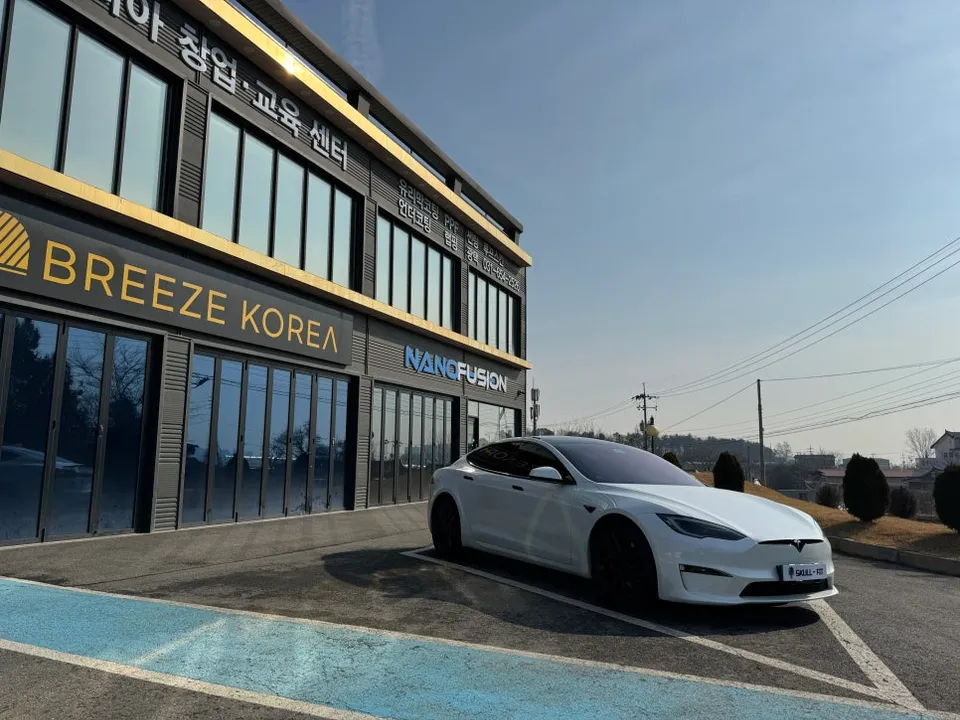
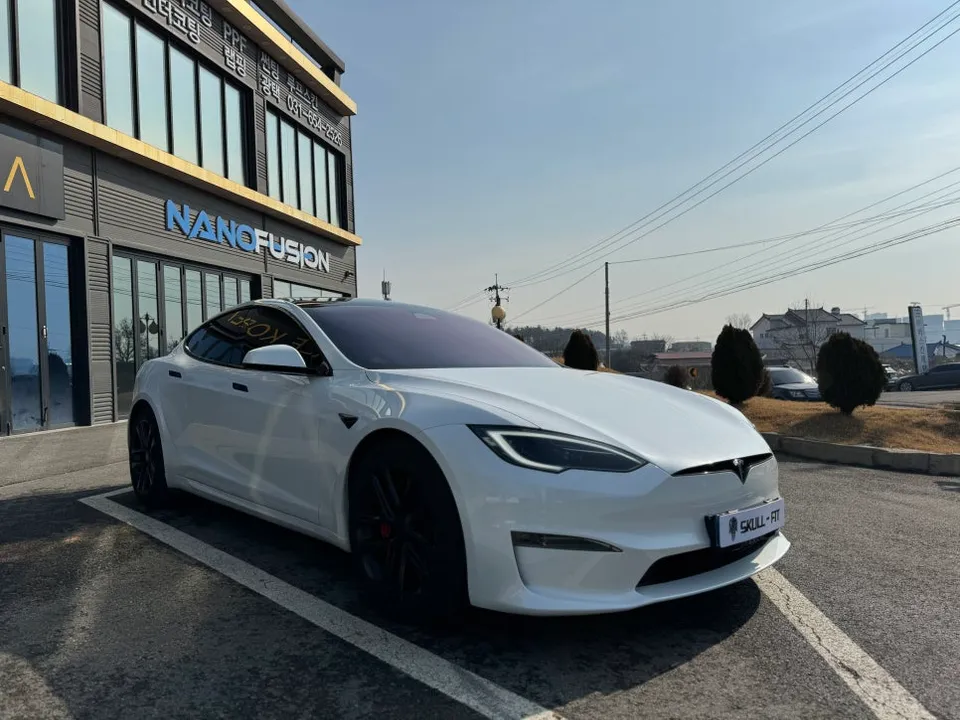
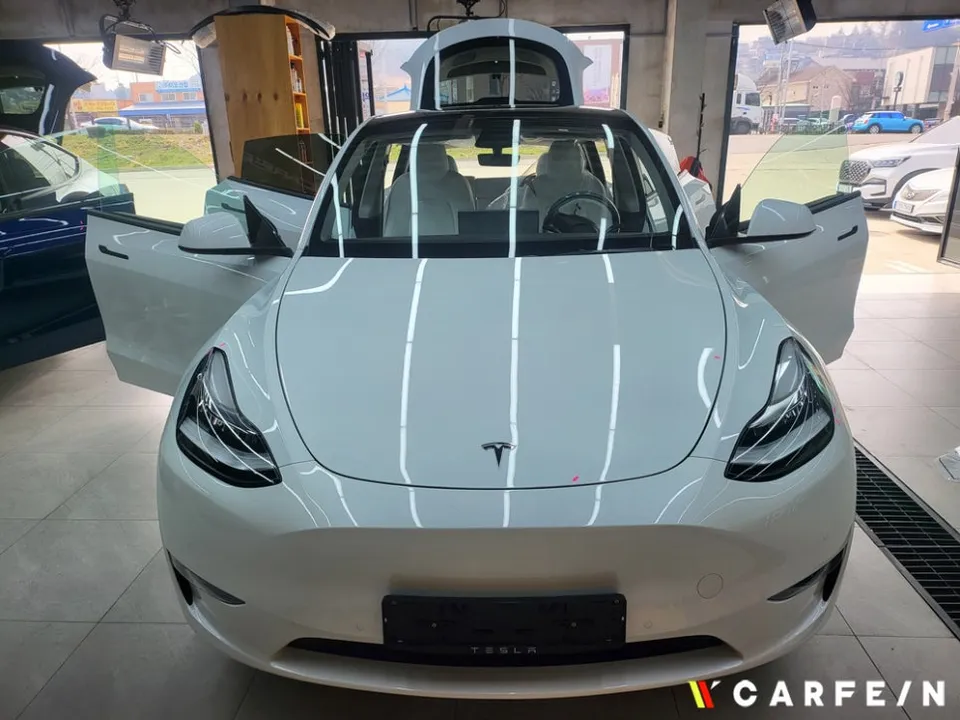
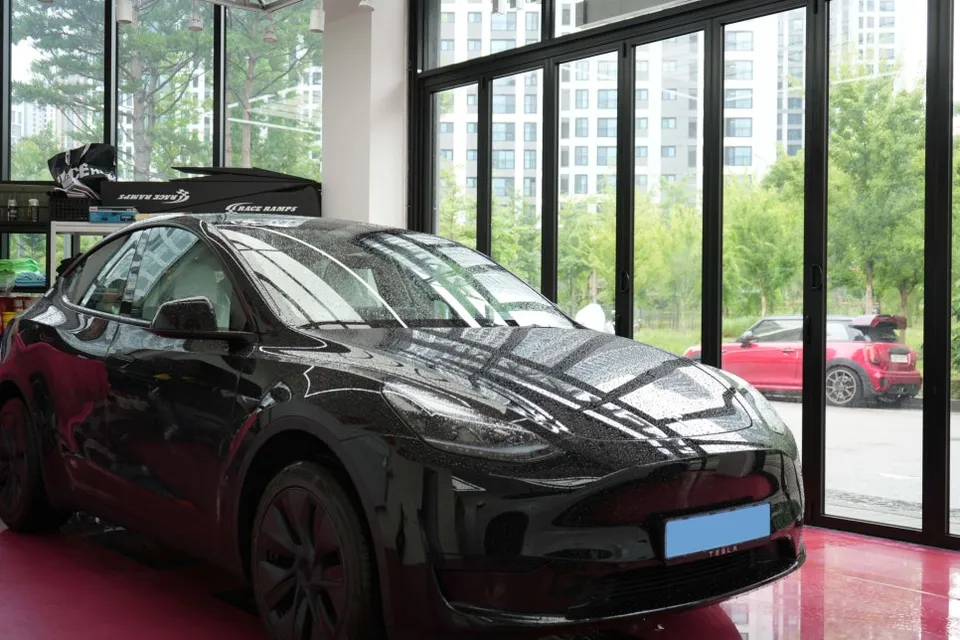
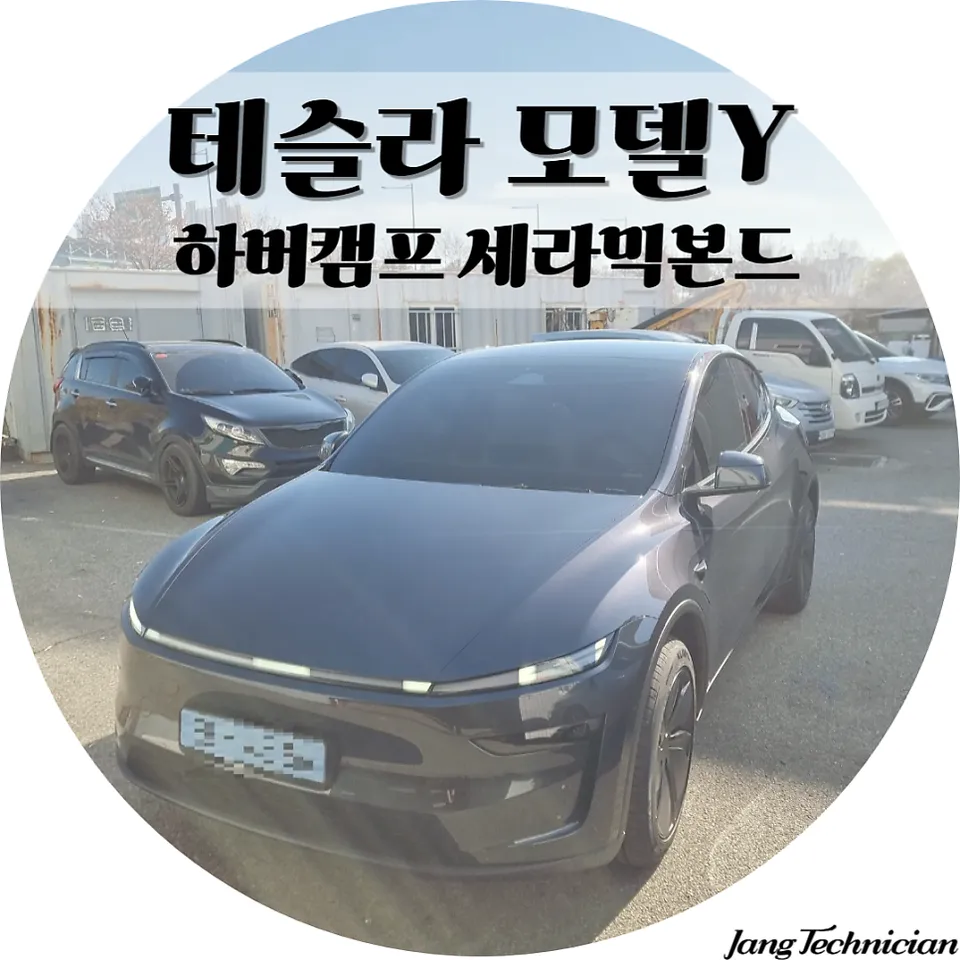
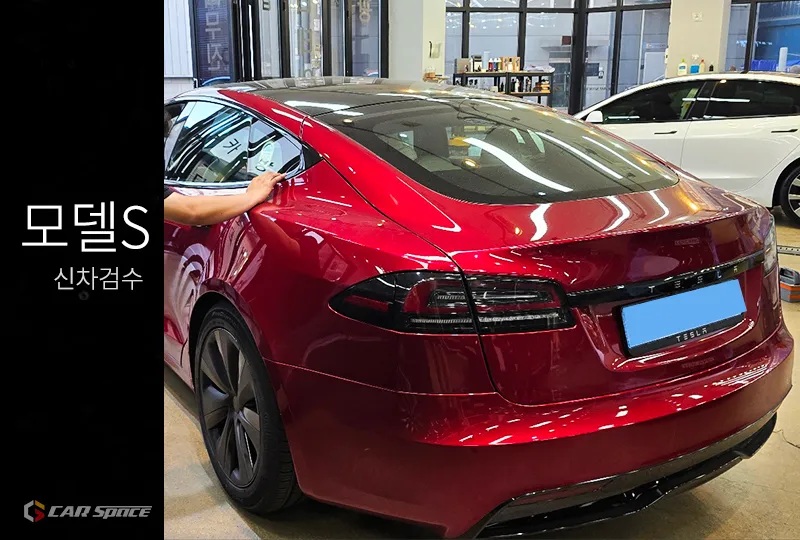
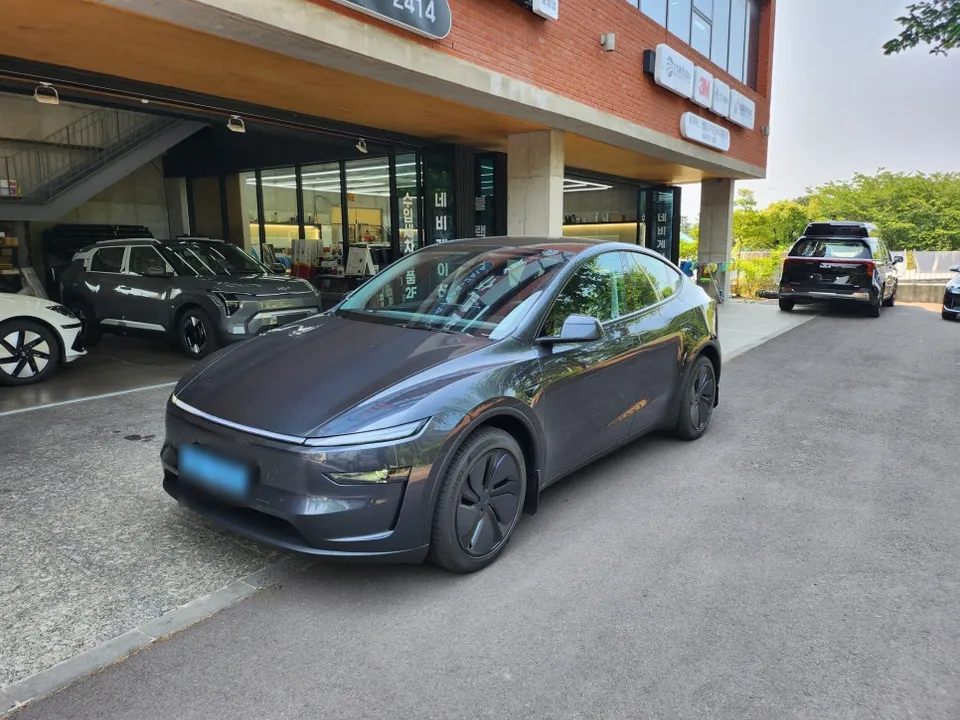
Tesla Tesla Model Y Ceramic Coating Installation Example
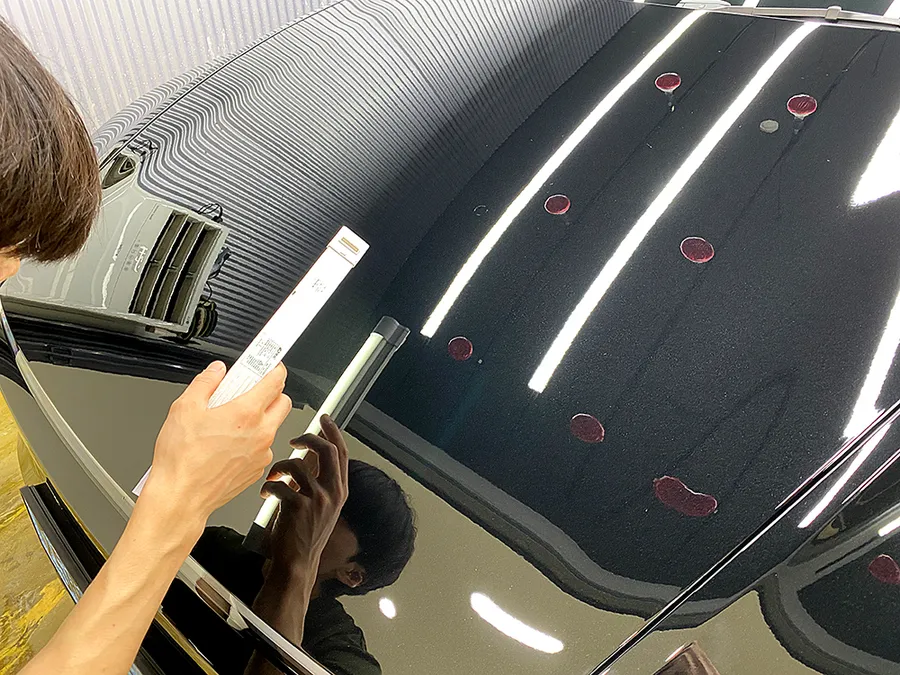
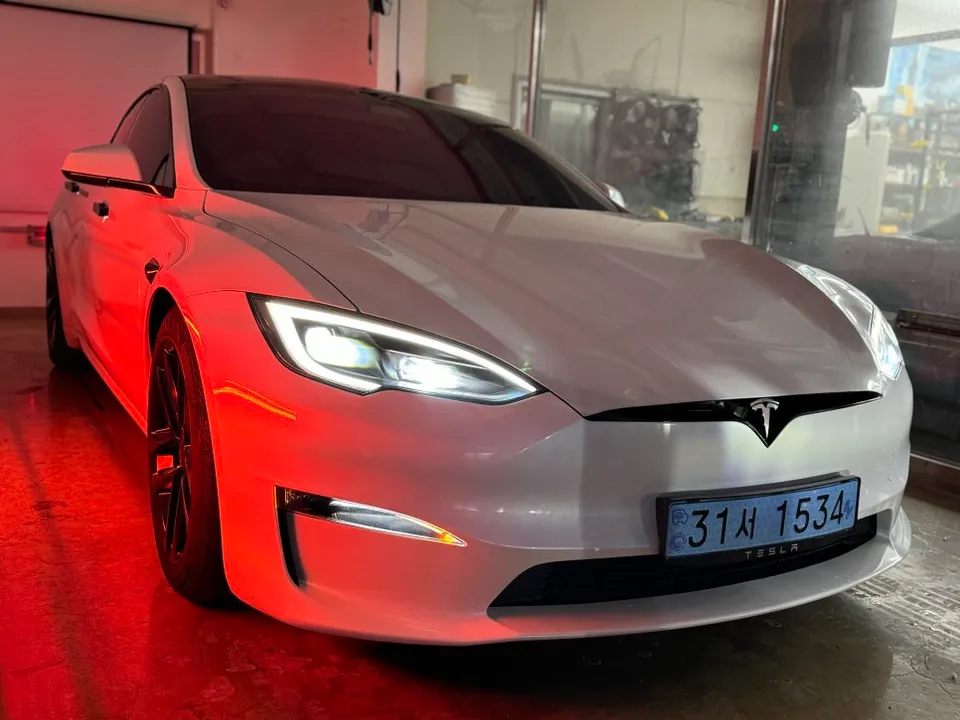
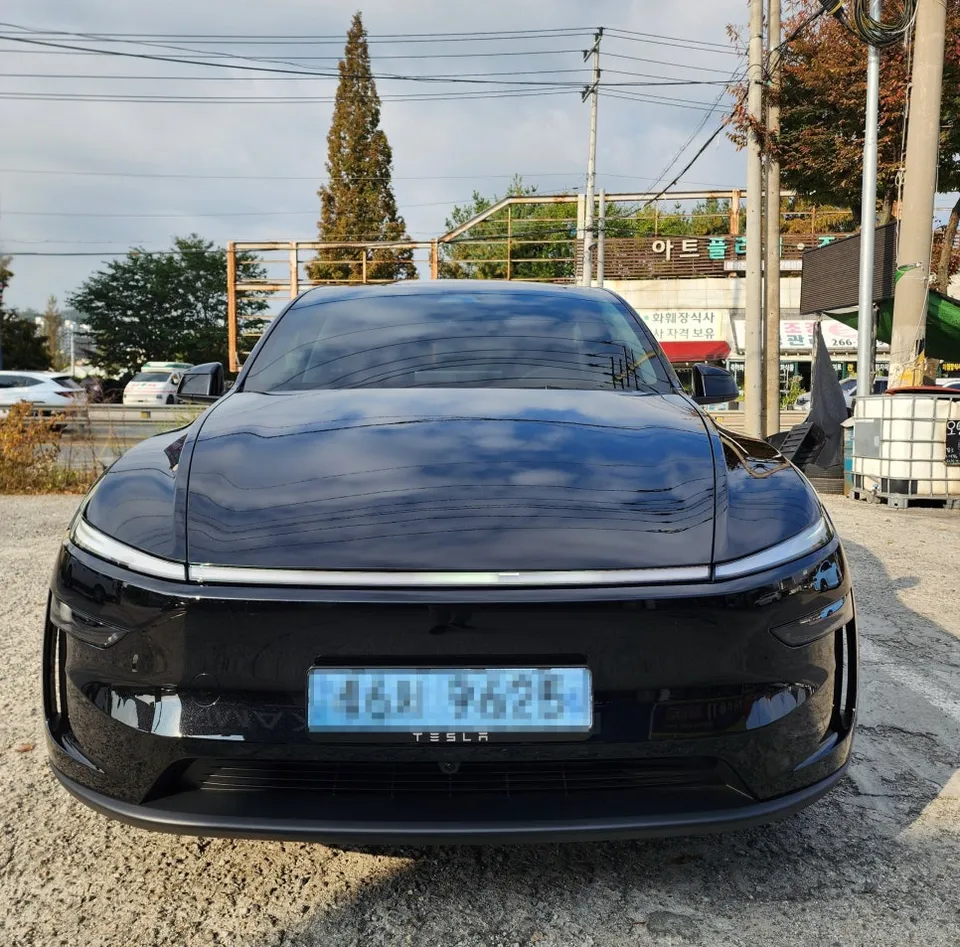
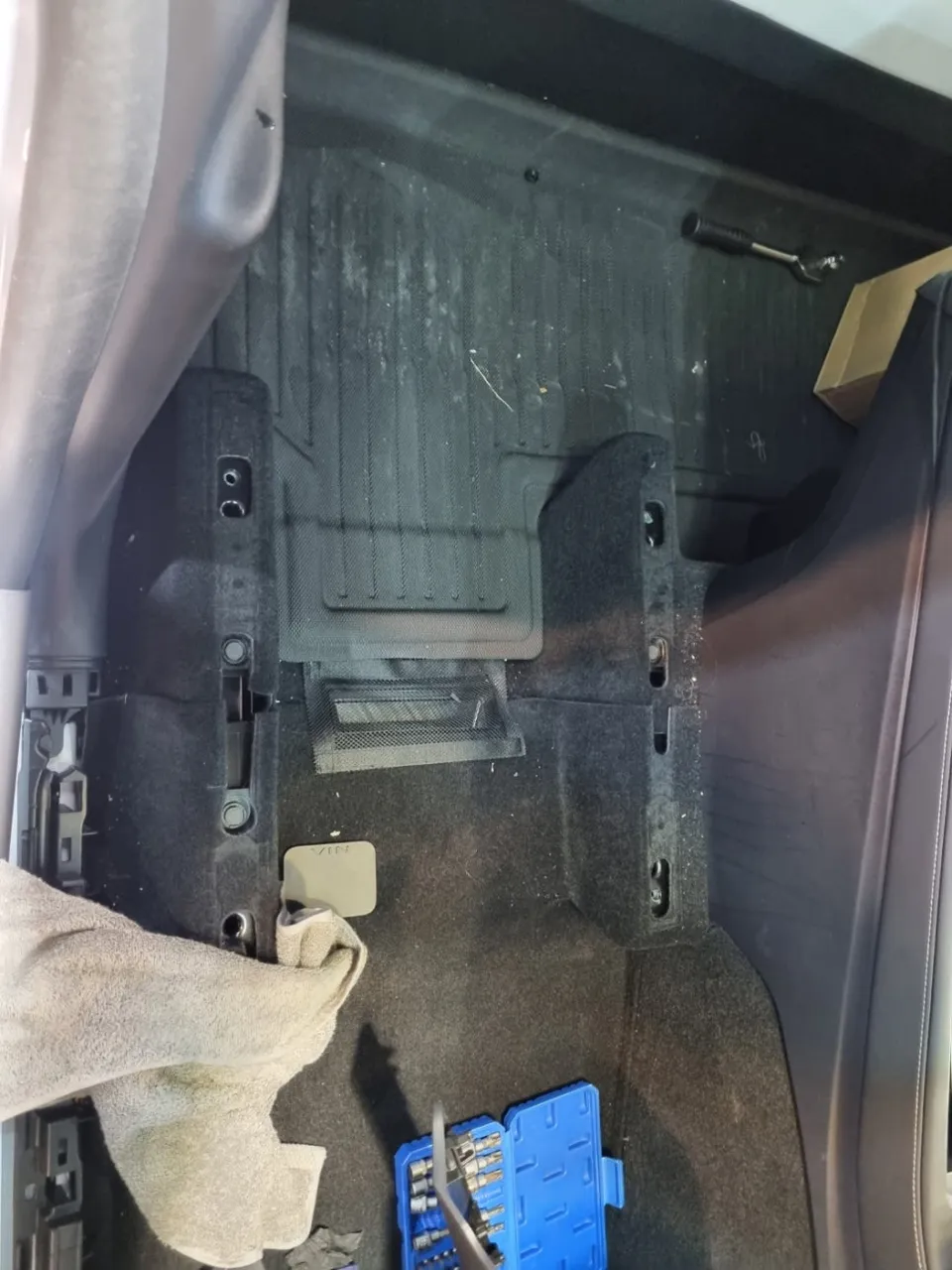
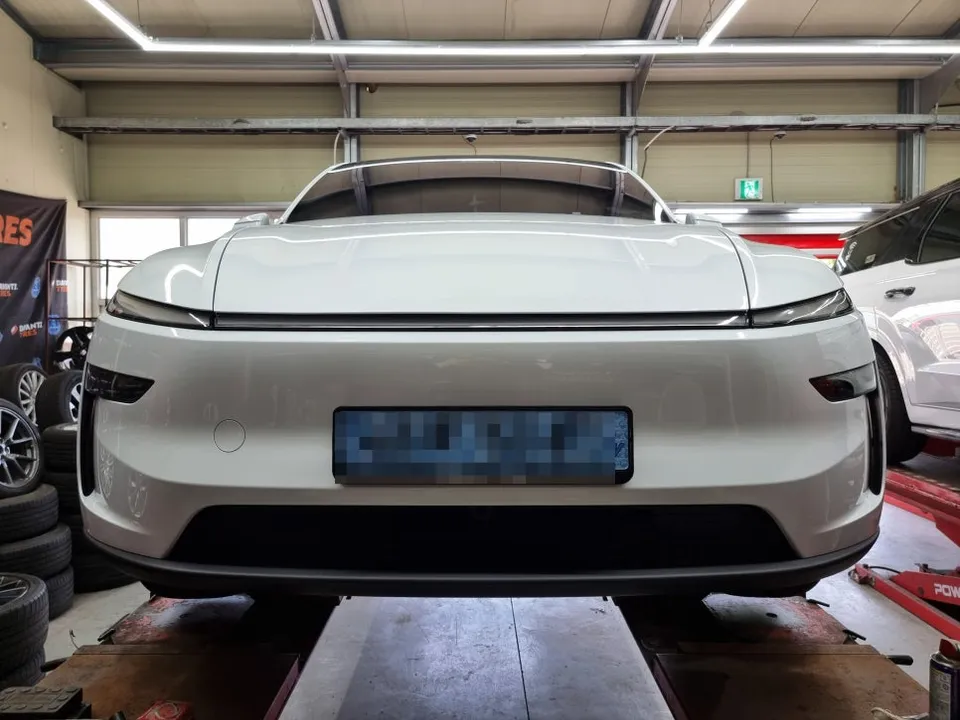
A recent ceramic coating installation on a Tesla Model Y at a professional detailing shop in Pyeongtaek, South Korea, illustrates the meticulous process. The vehicle, fresh from the factory, underwent a thorough inspection to identify any pre-existing imperfections on the paintwork. This initial step is critical for ensuring the coating adheres properly and achieves the best possible finish. The installation process typically involves several key stages:
- Surface Preparation: The vehicle's paint is meticulously decontaminated, clay-barred to remove embedded contaminants, and polished to remove minor scratches and swirl marks, creating a perfectly smooth surface.
- Coating Application: The ceramic coating solution is carefully applied panel by panel using specialized applicators.
- Curing: The coating is allowed to cure, forming a hard, protective layer. This process can take several hours to a few days, depending on the product and environmental conditions.
- Inspection: A final inspection ensures an even, glossy finish with no high spots or streaks.
The result is a Tesla Tesla with enhanced gloss, superior hydrophobic properties making water bead and roll off, and a significantly easier surface to clean and maintain. This level of protection and aesthetic enhancement is what makes ceramic coating a valuable service for many car owners.
Frequently Asked Questions
Q. How much does ceramic coating cost for a Tesla Tesla?
While specific US pricing can vary, estimates for professional ceramic coating on a Tesla Tesla often range from $40-$80 for basic applications, though more comprehensive packages can cost significantly more. In Korea, similar services can range from ₩400,000 to ₩1,500,000.
Q. How long does ceramic coating last on a Tesla Tesla?
A professionally applied ceramic coating on a Tesla Tesla can last anywhere from six months to three years, depending on the product quality and maintenance. Regular washing with pH-neutral soaps and avoiding abrasive cleaners will help extend its lifespan.
Q. Is ceramic coating better than wax for a Tesla Tesla?
Ceramic coating offers significantly longer-lasting protection and a harder, more durable finish compared to traditional car wax. While wax provides a temporary shine, ceramic coating bonds with the paint to offer superior gloss and hydrophobic properties for extended periods.
Q. How is ceramic coating applied to a Tesla Tesla?
Ceramic coating installation involves meticulous surface preparation, including washing, decontamination, and polishing the paintwork. The liquid ceramic solution is then carefully applied using an applicator pad, followed by a curing period to form a hard, protective layer.
Q. What is the difference between ceramic coating and PPF for a Tesla Tesla?
Ceramic coating primarily enhances gloss and makes cleaning easier, offering moderate protection against minor scratches. PPF (Paint Protection Film) is a thicker film that provides superior defense against significant scratches, chips, and impacts, though it is typically more expensive.
OhCar Partner Shop
More ceramic coating Reviews
See all →
More Tesla Reviews
Pair with Another Service
Add physical chip protection before coating
Polish before coating for best results