Toyota Prius OEM Options Review: Cost & Results
Service Price
$150+
Estimated price · Actual price may vary by shop
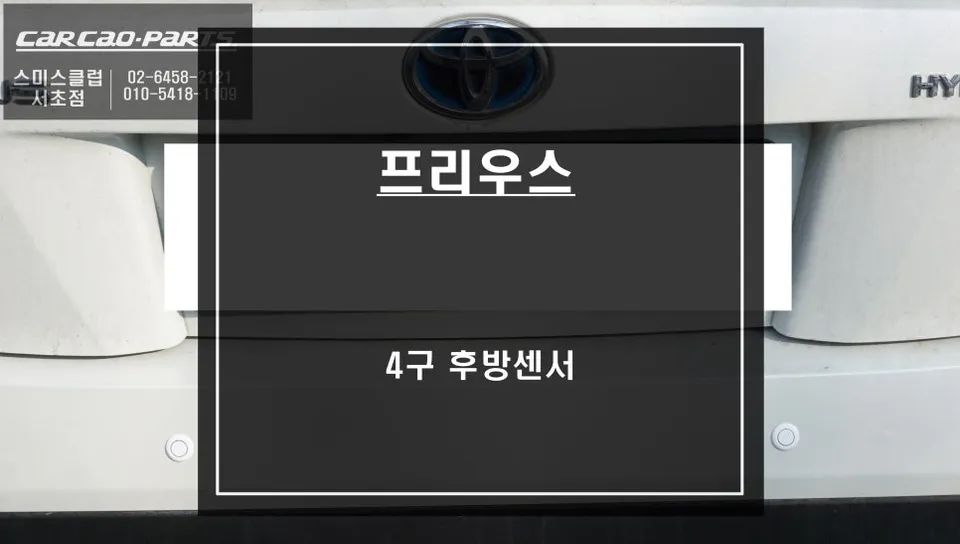
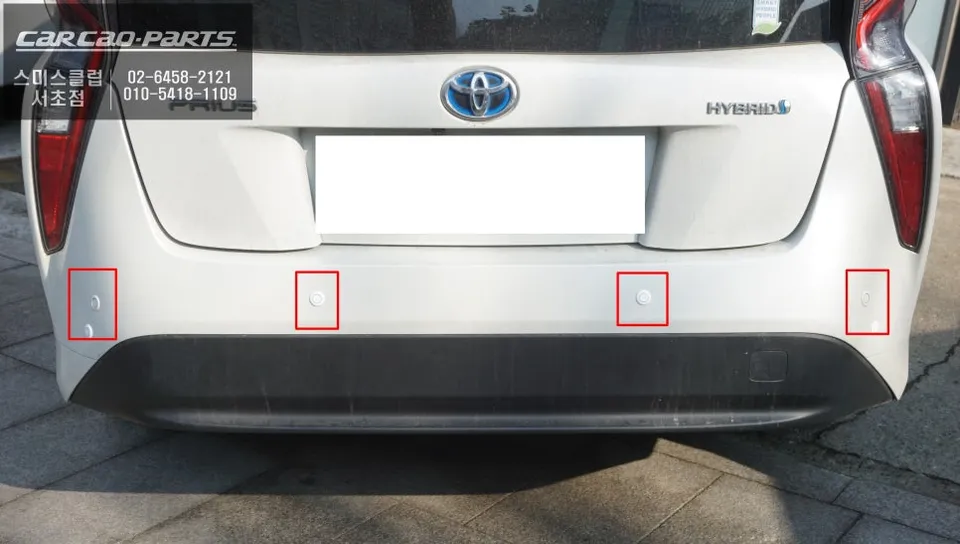
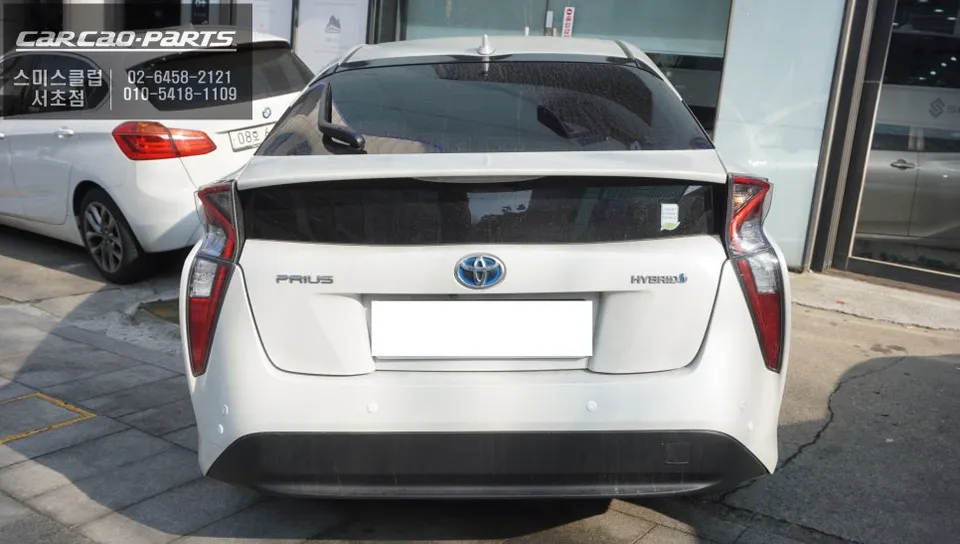
Toyota Prius rear parking sensor retrofit: $150+. Enhances parking safety with obstacle detection alerts.
Why Your Toyota Prius Might Need Rear Parking Sensors
While many modern cars come standard with rear parking sensors, some models, including certain Toyota Prius generations, surprisingly omit this convenient safety feature. For owners who find themselves navigating tight parking spots with trepidation, retrofitting these sensors can significantly enhance peace of mind. This review focuses on adding a 4-sensor system, a popular factory option retrofit, to improve parking safety by detecting obstacles behind the vehicle.
The primary function of rear parking sensors is to alert the driver to obstacles when reversing (engaging the 'R' gear). Using ultrasonic waves, they detect the distance to objects and provide audible warnings, escalating in frequency as the vehicle gets closer. This is an invaluable safety device, especially in low-visibility parking situations, helping to prevent costly fender benders.
OEM vs. Aftermarket Parking Sensors for Your Prius
OEM (Original Equipment Manufacturer) sensors are designed and integrated by the car manufacturer from the factory. They offer seamless integration with the vehicle's display and software, often come with a manufacturer's warranty, and are generally considered the most reliable. However, for older models or vehicles where the feature wasn't originally offered, a true OEM retrofit might be impossible or prohibitively expensive.
Aftermarket sensors, like the 4-sensor kit discussed here, are designed to be installed on vehicles that did not originally come equipped with them. While they are typically less expensive and easier to install than sourcing rare OEM parts, their reliability and long-term durability might not perfectly match factory-installed systems. Nevertheless, with careful selection of quality aftermarket parts and professional installation, they provide a substantial boost in parking safety and convenience. The estimated cost for such a retrofit in the US typically starts around $150.
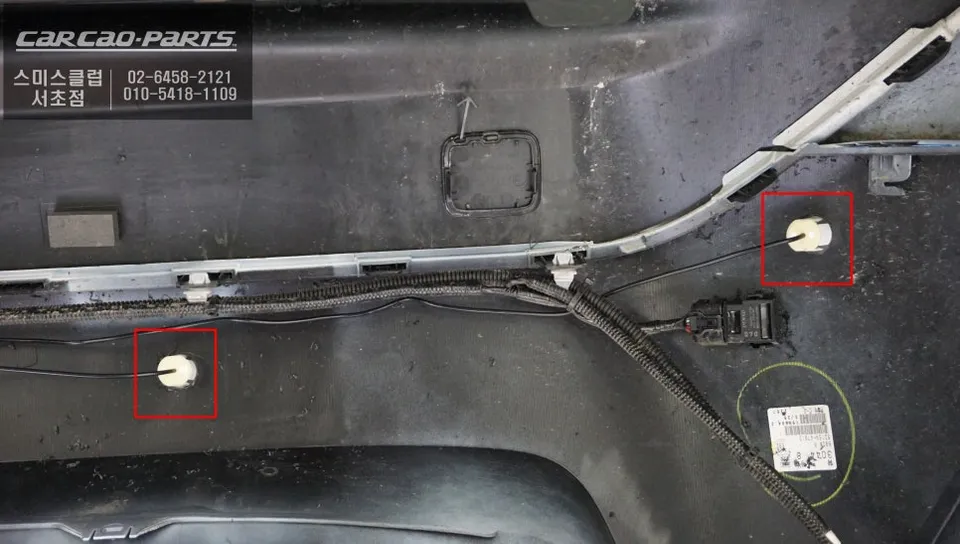
Toyota Prius 4-Sensor Parking System Installation Process
The installation of a 4-sensor parking system on a Toyota Prius involves several key steps to ensure proper function and a clean aesthetic:
- Bumper Removal: The rear bumper is carefully removed to gain access to the inner surface.
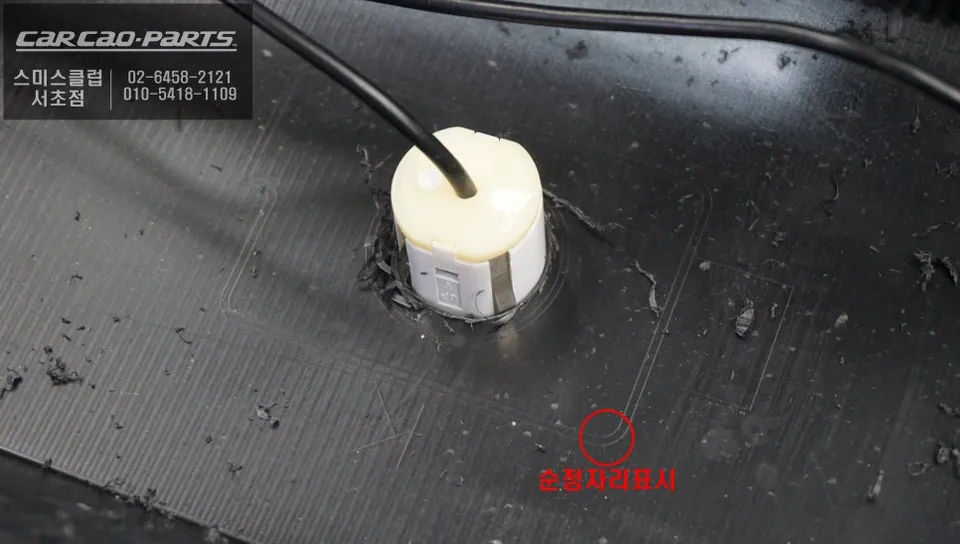
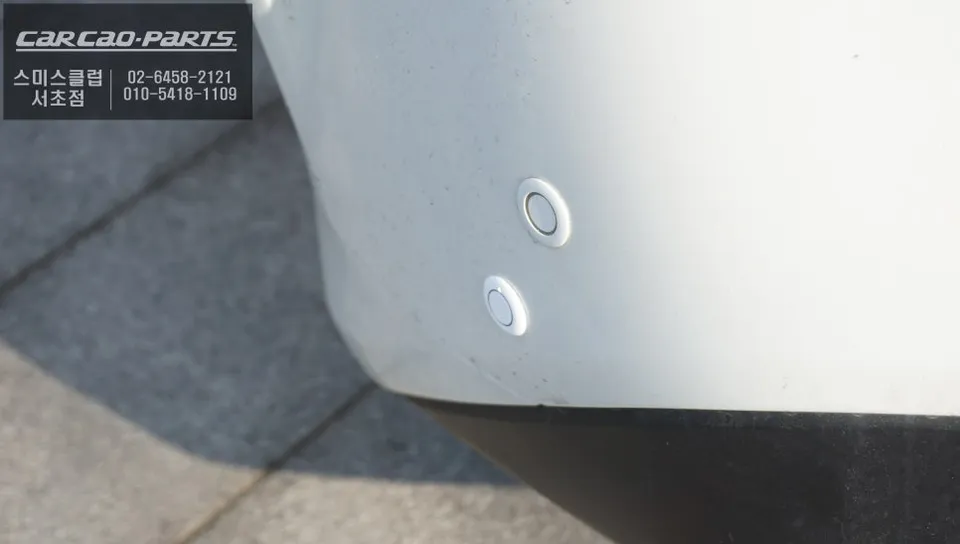
- Sensor Hole Drilling: Precise holes are drilled into the bumper at designated locations for the sensors. Accuracy here is crucial to ensure the sensors fit flush and prevent water ingress.
- Sensor Mounting & Wiring: The sensors are mounted from the inside of the bumper. Wiring harnesses (harnesses) are then run from the sensors into the vehicle's cabin, typically routed neatly behind the dashboard to the ECU (Electronic Control Unit).
- ECU Integration & Testing: The wiring is connected to the vehicle's electrical system and ECU. The system is then tested by engaging reverse gear and checking that each sensor detects objects at varying distances, providing distinct audible alerts. Sensitivity adjustments are made as needed.
- Final Reassembly: The rear bumper is reinstalled, and a final test drive confirms all functions are operating correctly.
Cost, Time, and Durability of Prius Parking Sensors
The cost for an aftermarket 4-sensor parking system installation on a Toyota Prius can range significantly, generally from $150 upwards in the US, depending on the brand of sensors, complexity of the installation, and any additional features like display integration or audible alerts. The installation process itself typically takes about 3 to 4 hours, allowing for completion within a single day, though scheduling with your chosen installer is advised.
In terms of durability, these aftermarket systems are generally expected to function reliably for 3 to 5 years. However, longevity can be impacted by external factors. To help maintain their performance, avoid directing high-pressure water directly at the bumper area during car washes, as this can potentially damage the sensors or allow moisture ingress, necessitating premature replacement.
Who Should Consider This Prius Upgrade?
This type of factory upgrade is highly recommended for Toyota Prius owners who frequently deal with challenging parking situations, have limited rear visibility, or simply desire an added layer of safety and convenience. If your Prius didn't come with parking sensors from the factory, this retrofit offers a practical and relatively affordable solution to mitigate parking-related risks.
Frequently Asked Questions
Q. How much does OEM option and factory upgrade installation cost for a Toyota Prius?
Aftermarket rear parking sensor installation for a Toyota Prius typically starts around $150 in the US. True OEM retrofits, if available, can be significantly more expensive.
Q. How long does OEM options installation take on a Toyota Prius?
Parking sensor installation usually takes 3 to 4 hours to complete. To ensure longevity, avoid spraying high-pressure water directly at the bumper during car washes.
Q. Are OEM options worth adding after purchase for a Toyota Prius?
Yes, adding rear parking sensors is highly recommended for Prius owners who struggle with parking visibility or want enhanced safety. It provides a significant value by preventing minor collisions.
Q. How are OEM factory options installed on a Toyota Prius?
Installation involves removing the rear bumper, precisely drilling holes for sensors, mounting the sensors, routing wiring to the ECU, and testing the system's detection and alert functions before reassembling the bumper.
Q. What is the difference between dealer-installed options and aftermarket upgrades for a Toyota Prius?
Dealer-installed options are typically OEM parts installed post-production, while aftermarket upgrades use third-party components. Aftermarket sensors are generally more affordable and widely available for retrofitting.
Kakao Parts