Volkswagen Golf OEM Options Retrofit Review
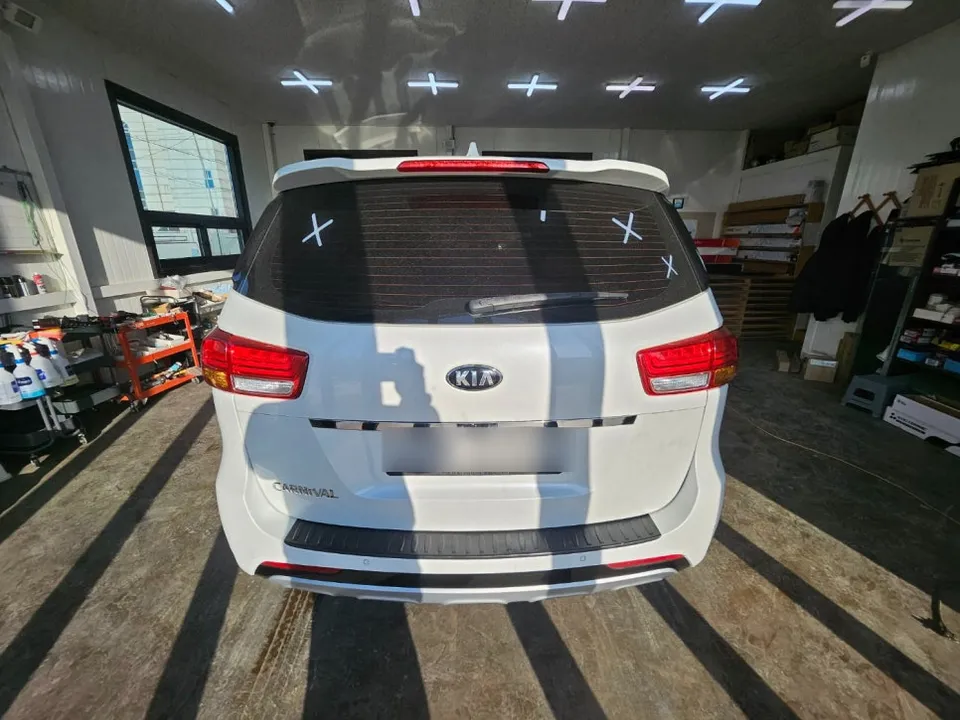
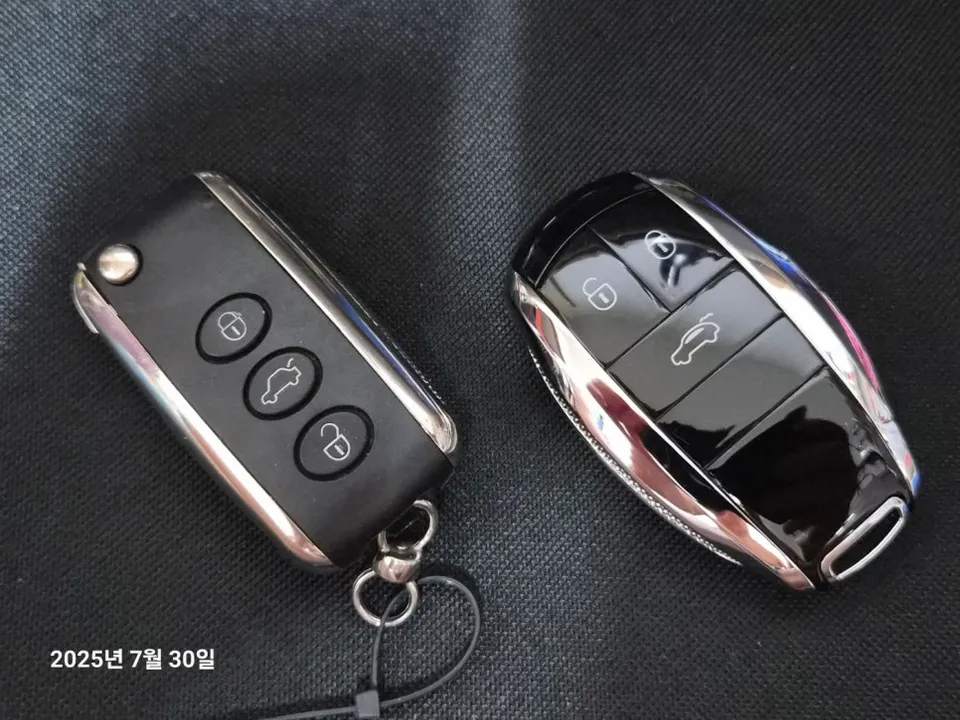
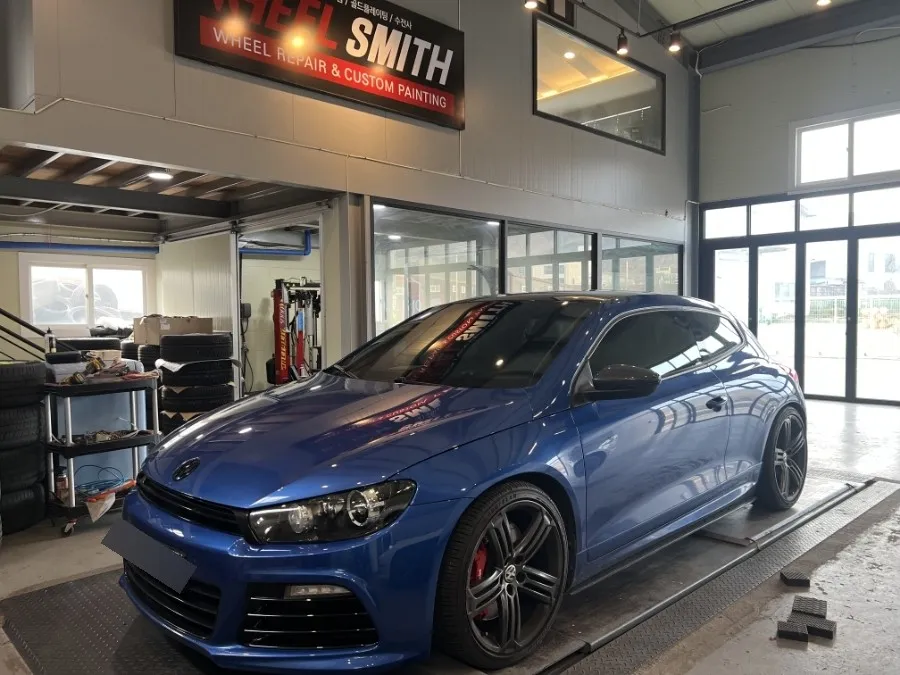
Before

After
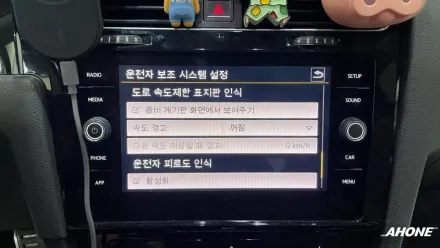
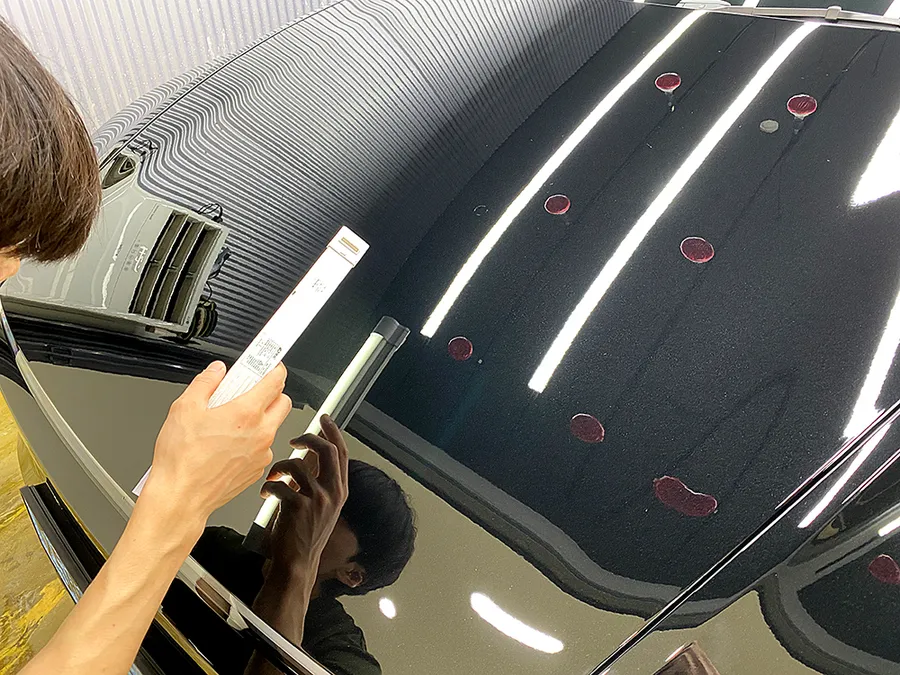
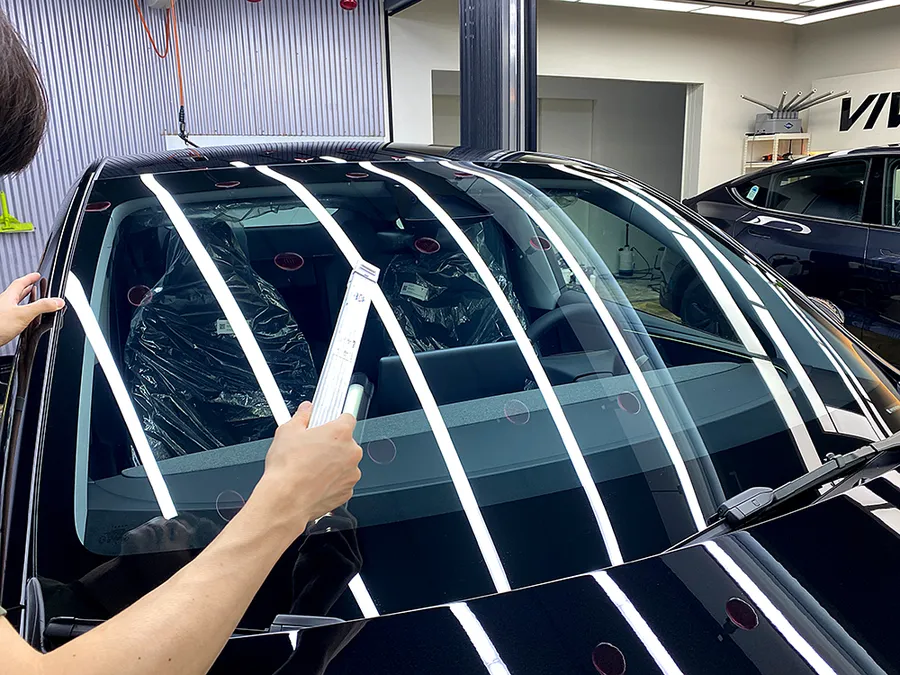
Process photos
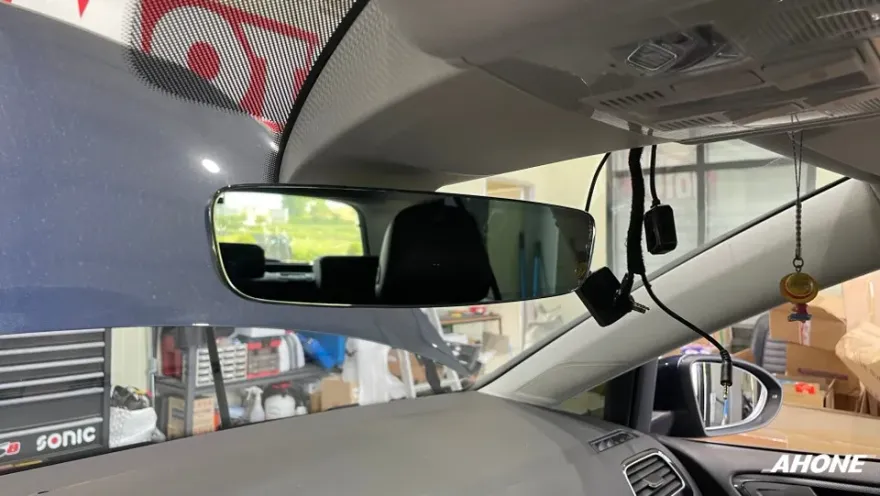
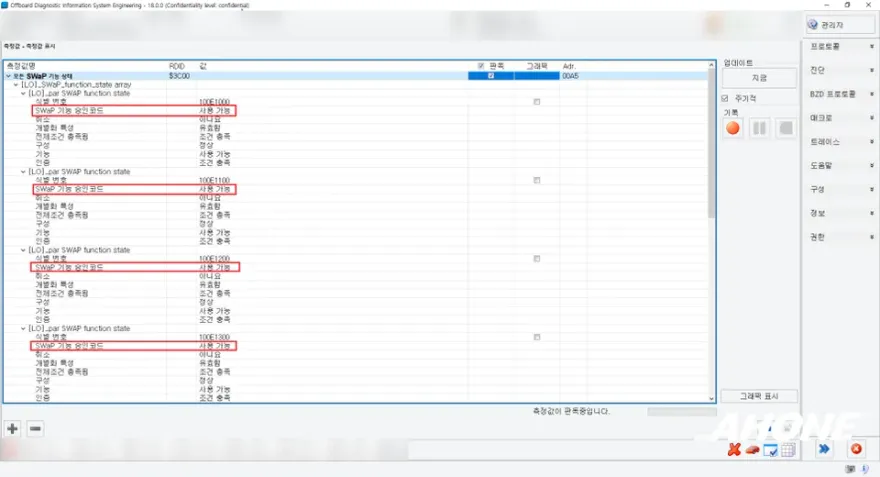
Volkswagen Golf OEM options retrofit: Approx. $500. Added Rain Assist and 9 features for enhanced driving.
Upgrading Your Volkswagen Golf with OEM Options
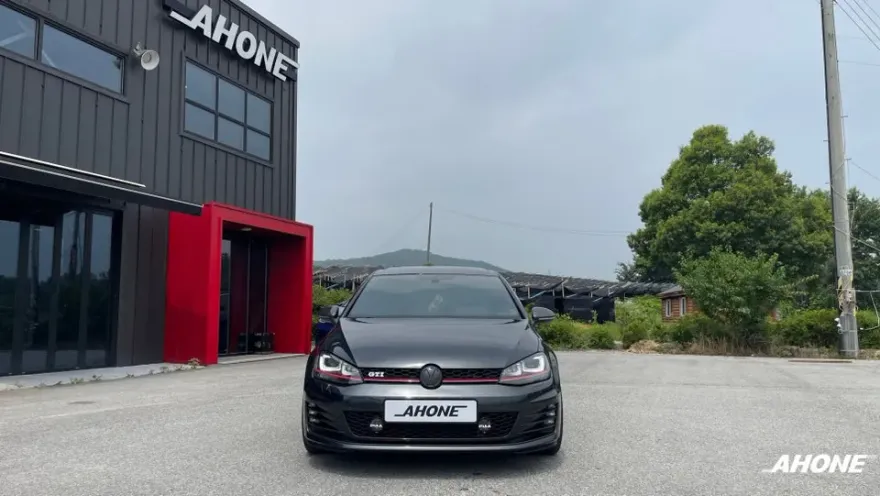
Many Volkswagen Golf owners look for ways to enhance their driving experience beyond the factory specifications. This often leads to exploring OEM (Original Equipment Manufacturer) options, which are essentially factory-designed upgrades that can be retrofitted to your vehicle. This review focuses on the installation of what the original Korean source refers to as '4th generation Rain Assist' and activating nine additional features on a Volkswagen Golf 7.5 2.0 TDI. While the original context is from a Korean workshop (AH-ONE Garage), the principles of OEM retrofitting apply universally. We'll break down the process, potential results, and whether investing in these factory upgrades is a worthwhile endeavor for your Golf.
Understanding OEM Factory Upgrades
OEM options, sometimes referred to as factory option retrofits or dealer option retrofits, involve installing genuine parts and software that were either available from the factory or designed by the manufacturer for later integration. Unlike aftermarket parts, OEM components are guaranteed to be compatible with your specific vehicle model, ensuring a seamless fit and function. The 'Rain Assist' system, for example, is a genuine Volkswagen feature that, when retrofitted, can add significant convenience, particularly in adverse weather conditions. The activation of additional features alongside this system suggests a comprehensive approach to enhancing the car's capabilities, potentially including things like automatic high beams, lane assist enhancements, or other driver aids, depending on the specific package installed.
Installation Process and Potential Results
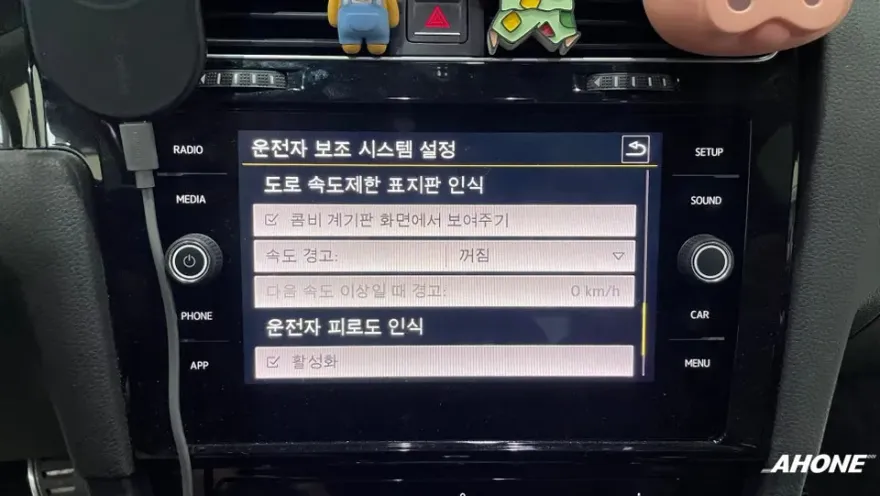
The installation of OEM options like the Rain Assist system and associated features typically requires specialized knowledge and tools. The process involves integrating new hardware (like sensors or control modules) and updating the vehicle's software. Based on the Korean context, this specific retrofit involved activating nine additional functions, indicating a complex software and hardware integration. The before-and-after results can be quite dramatic, transforming the car's functionality. For instance, a properly installed Rain Assist system will automatically control the windshield wipers based on the intensity of rainfall, improving visibility and reducing driver distraction. The activation of other features could similarly enhance safety and convenience.
Installation process:
- Diagnostic Scan: The vehicle's existing systems are scanned to identify compatibility and necessary integration points.
- Hardware Installation: Any required new sensors, modules, or switches are physically installed into the vehicle.
- Software Activation: Using specialized diagnostic tools, the new features are programmed and activated within the car's computer systems.
- System Testing: All newly installed and activated features are rigorously tested to ensure proper operation.
The durability of these OEM options is generally excellent, as they are designed to the same standards as the original factory components. Maintenance is usually minimal, often involving keeping sensors clean and ensuring software remains up-to-date during regular servicing. The cost for such retrofits can vary significantly depending on the complexity of the features and the labor involved. In Korea, the cost for this specific upgrade (Rain Assist + 9 features) was approximately ₩700,000 (around $500 USD at the time of the original post, though exchange rates fluctuate). This price reflects the genuine parts and specialized labor required for a factory-level integration.
Frequently Asked Questions
Q. How much does OEM option and factory upgrade installation cost for a Volkswagen Golf?
The specific retrofit mentioned, including Rain Assist and nine additional features on a Golf 7.5 TDI, cost approximately ₩700,000 (around $500 USD). Typical OEM retrofit costs in the US can range from a few hundred to several thousand dollars depending on the complexity of the features.
Q. How long does OEM options installation take on a Volkswagen Golf?
The durability of OEM options is generally excellent, as they are designed to the same standards as original factory components. For maintenance, it's usually minimal, often involving keeping sensors clean and ensuring software remains up-to-date during regular servicing.
Q. Are OEM options worth adding after purchase for a Volkswagen Golf?
OEM options are most beneficial for drivers who frequently encounter specific driving conditions (like heavy rain for Rain Assist) or desire enhanced safety and convenience features not originally equipped. The value proposition lies in adding factory-integrated functionality that seamlessly blends with the existing vehicle systems.
Q. How are OEM factory options installed on a Volkswagen Golf?
Installation typically involves a diagnostic scan, physical installation of any new hardware components, activation of features via software programming using specialized tools, and thorough testing of all integrated systems.
Q. What is the difference between dealer-installed options and aftermarket upgrades for a Volkswagen Golf?
OEM options are genuine manufacturer parts designed for your specific vehicle, ensuring perfect compatibility and integration, while aftermarket upgrades are made by third-party companies and may vary in quality and fit. For seamless integration and guaranteed performance, OEM options are generally recommended.
OhCar Partner Shop