Volkswagen Passat Dash Cam Installation Review
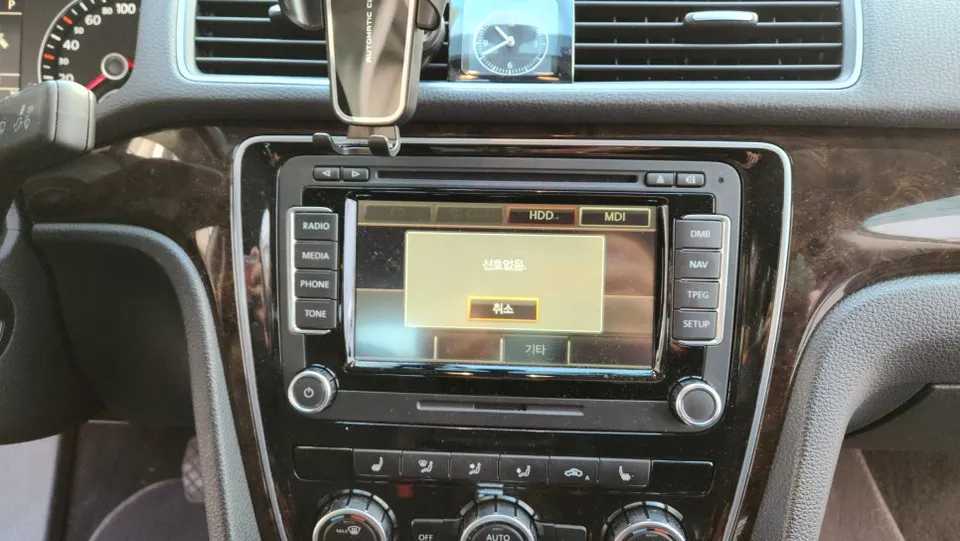
Dash cam installation for Volkswagen Passat: Professional hardwiring ensures parking mode and durability. Worth the investment for safety.
Professional Dash Cam Installation for Your Volkswagen Passat
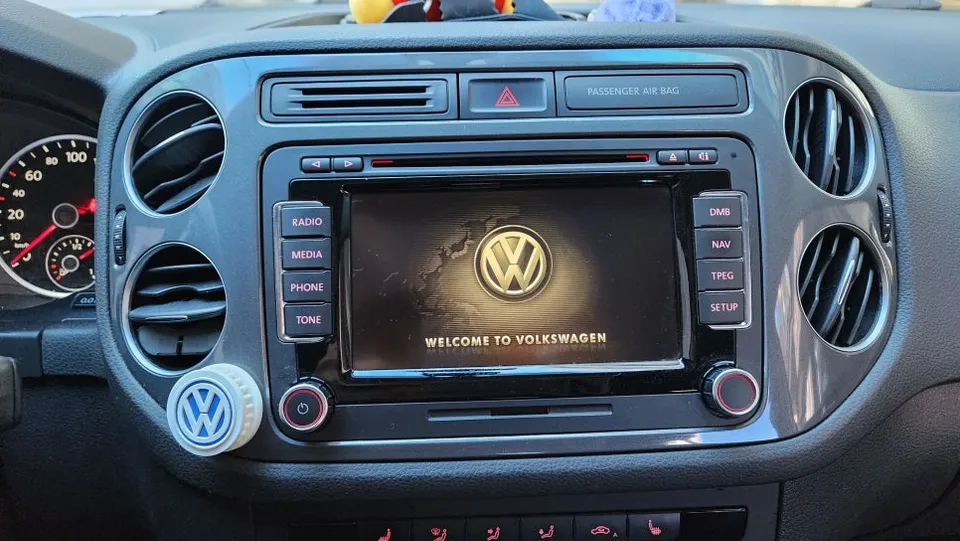
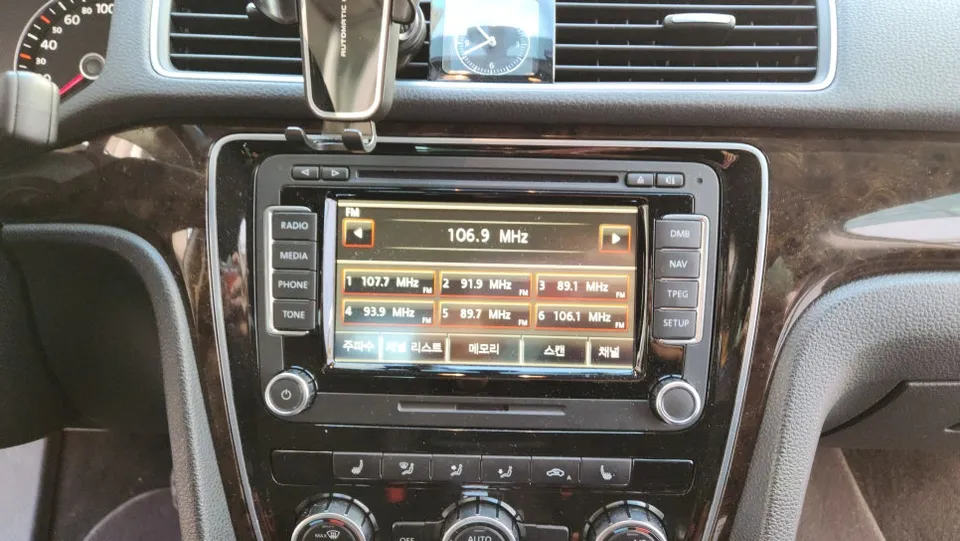
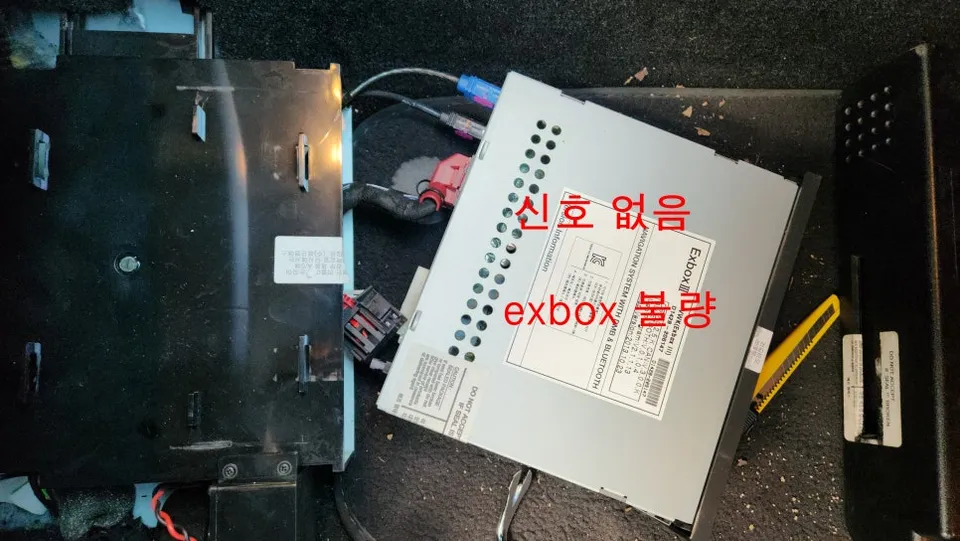
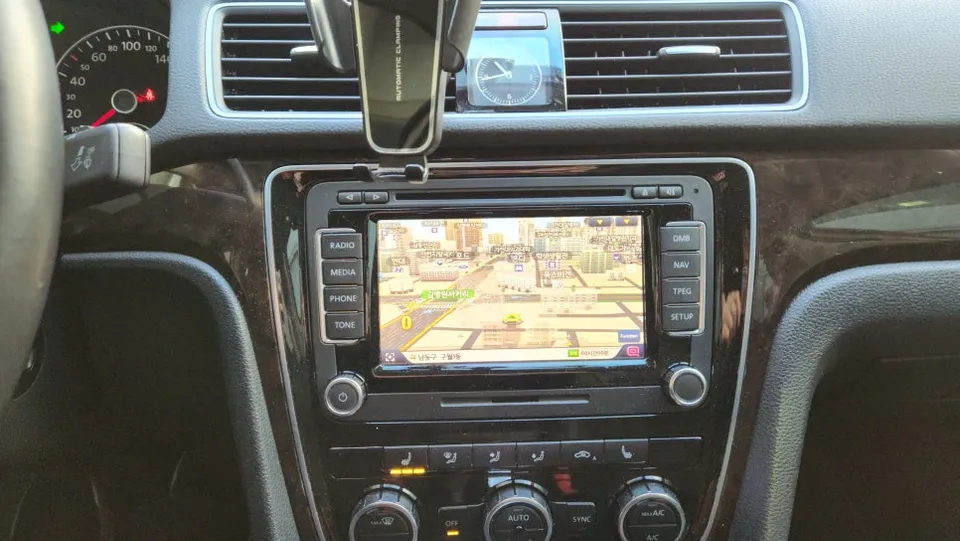
Many Volkswagen Passat owners face issues with their infotainment systems, specifically navigation, Bluetooth, and DMB (Digital Multimedia Broadcasting) signal loss. While the original Korean context focused on repairing the EXBOX unit for these specific problems, the underlying need for reliable in-car technology is universal. For drivers seeking to enhance their vehicle's functionality and safety, a dash cam installation is a popular upgrade. This review delves into the process, costs, and benefits of getting a dash cam professionally installed in your Volkswagen Passat, covering aspects like front and rear camera setups, parking mode capabilities, and the overall value proposition.
Dash Cam Installation Process and Considerations
Professional dash cam installation ensures a clean, reliable setup that integrates seamlessly with your Volkswagen Passat. Unlike a DIY approach, professional installation typically involves hardwiring the dash cam into your vehicle's electrical system. This is crucial for enabling features like parking mode, which allows the dash cam to record even when the car is turned off, and ensures a consistent power supply without draining your battery. The process usually involves routing wires discreetly behind trim panels to maintain the car's interior aesthetics. Technicians will carefully select a power source, often tapping into the fuse box, to provide continuous or ignition-switched power as needed for the dash cam's functions.
Installation process:
- Vehicle Assessment: The installer will assess your Volkswagen Passat's interior and electrical system to plan the best routing for wires and identify suitable power sources.
- Component Placement: The front and/or rear dash cam units are mounted in optimal locations, typically on the windshield or rear window, ensuring clear views without obstructing the driver.
- Hardwiring: The dash cam is connected to the car's power supply, often using a fuse tap, to enable features like parking mode and ensure continuous operation.
- Wire Management: All cables are neatly tucked away behind panels and headliners for a clean, professional look.
- Testing: The installer will test all dash cam functions, including recording, parking mode, and connectivity, to ensure everything is working correctly.
Durability, Maintenance, and Value
A professionally installed dash cam, often referred to as a 'black box camera' in some regions, is built for durability. The components used are designed to withstand the temperature fluctuations and vibrations inherent in a vehicle. Proper hardwiring minimizes the risk of loose connections or accidental unplugging, which can occur with simpler plug-and-play setups. Maintenance is generally minimal; occasional cleaning of the lens and checking the memory card are usually sufficient. The long-term value of a dash cam lies in its ability to provide crucial video evidence in case of accidents, deter theft, and offer peace of mind while driving or parked. While the initial cost of professional installation might seem high, the reliability and enhanced features, especially parking mode, often make it a worthwhile investment for Volkswagen Passat owners concerned about safety and security.
Frequently Asked Questions
Q. How much does dash cam installation cost for a Volkswagen Passat?
Professional dash cam installation for a Volkswagen Passat can range from approximately ₩200,000 to ₩500,000 (roughly $150-$375 USD) in Korea, depending on the complexity and camera system chosen. Typical professional installation costs in the US can range from $100 to $300.
Q. How durable is a professionally installed dash cam on a Volkswagen Passat?
Professionally installed dash cams are designed for long-term durability, withstanding vehicle vibrations and temperature changes. To maintain optimal performance, regularly clean the camera lens and ensure the memory card is functioning correctly.
Q. Is a hardwired dash cam worth it over a self-install for a Volkswagen Passat?
A hardwired dash cam is highly recommended for features like parking mode and a cleaner installation in your Volkswagen Passat. It offers greater reliability and a more integrated look compared to a self-install using a cigarette lighter adapter.
Q. How is a dash cam professionally installed on a Volkswagen Passat?
Professional installation involves mounting the camera, discreetly routing the power and rear camera cables behind interior trim, and hardwiring the unit to the car's fuse box for continuous power or ignition-based operation. Finally, all functions are tested to ensure proper recording and parking mode activation.
Q. What is the difference between a front-only and a front and rear dash cam for a Volkswagen Passat?
A front-only dash cam records only the view in front of your Passat, while a front and rear dash cam captures footage from both the front and back. For comprehensive coverage and enhanced security, a front and rear system is generally recommended.
OhCar Partner Shop