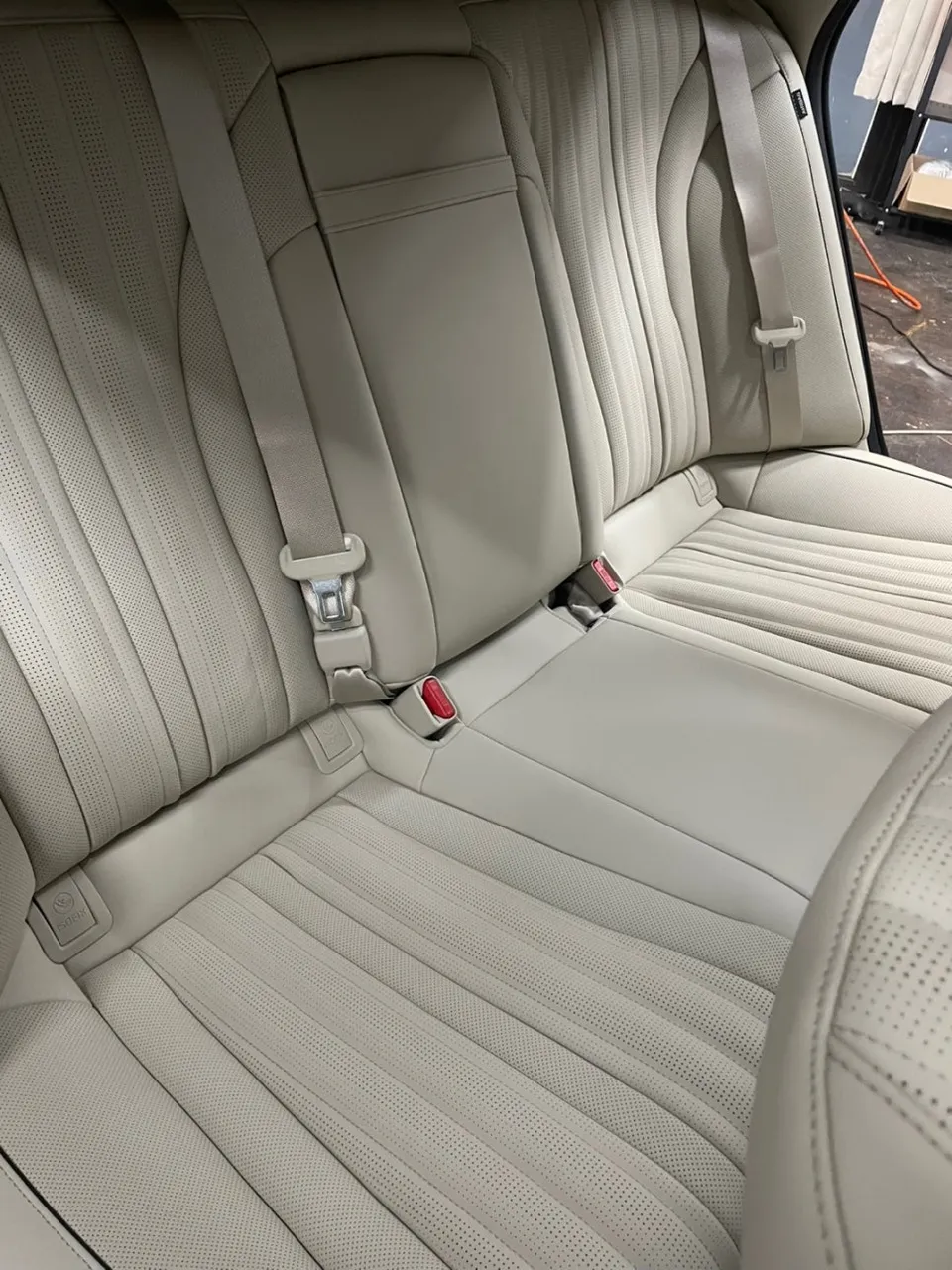
Volkswagen ID4 Heated & Ventilated Seats Review — OEM Comfort
Service Price
$150+
Estimated price · Actual price may vary by shop
Before
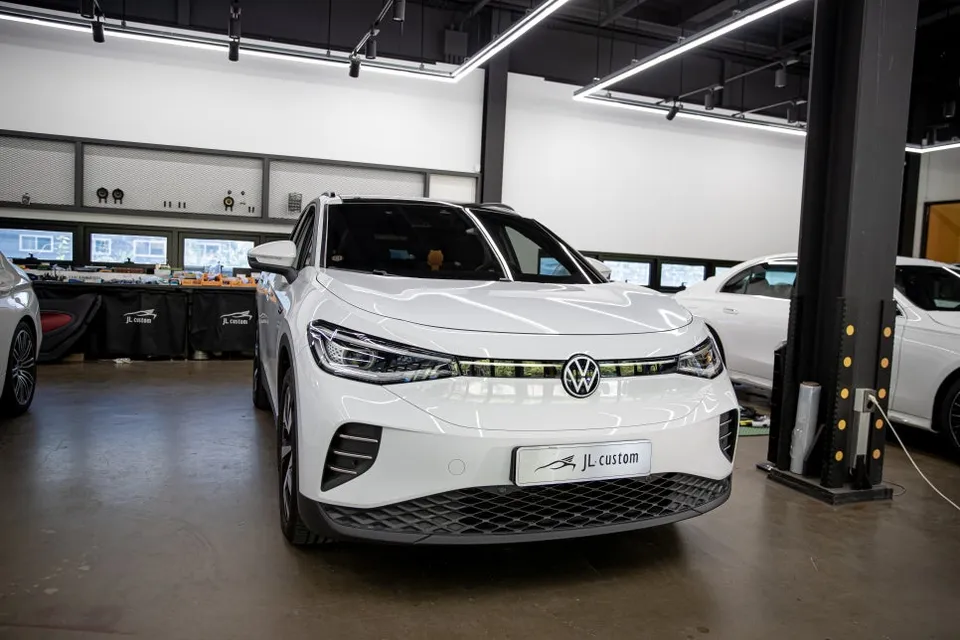
After
Process photos
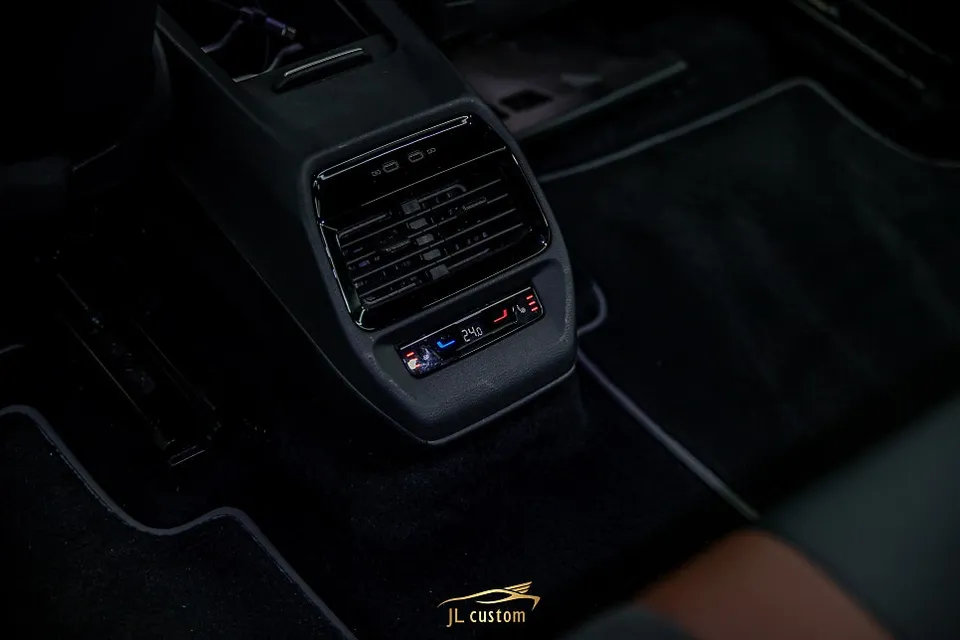
Enhancing Your Volkswagen ID.4 with Ventilated and Heated Seats
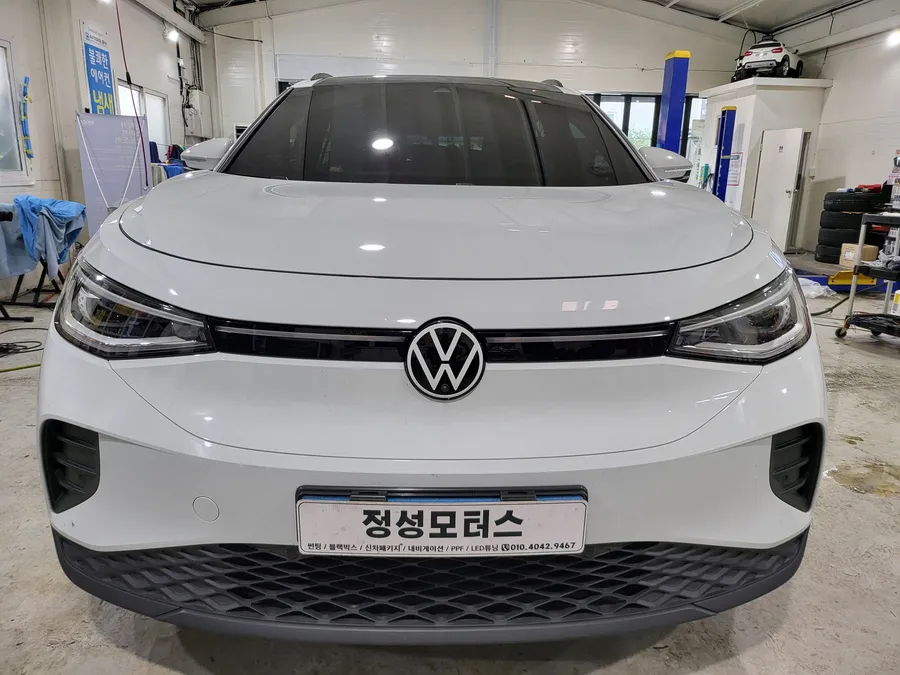
As the temperatures drop, your car's interior becomes a crucial sanctuary, much like your living room. The Volkswagen ID.4, a popular choice for families, demands comfort for everyone on board, from the youngest passengers in the back to the adults driving. Recently, a significant portion of winter-related inquiries at tuning shops like 'Today's Car' in Hanam has centered on installing rear heated seats. Given the ID.4's spacious rear seating and the frequency of long journeys, adding heated seats offers a tangible improvement in comfort, leading to high customer satisfaction.
This review delves into the process and benefits of retrofitting ventilated and heated seats for the Volkswagen ID.4, focusing on achieving a factory-integrated look and feel. We'll explore how this upgrade transforms the driving experience, especially during colder months, and address common concerns about the installation process.
Seamless Integration: Factory-Look Heated Seats for Your ID.4
When upgrading the Volkswagen ID.4 with rear heated seats, the paramount goal is to make the modification appear as if it were an original factory option. Most owners seeking convenience upgrades desire minimal visual changes, with the focus on enhancing functionality discreetly. This is where the expertise of a professional installation service becomes invaluable.
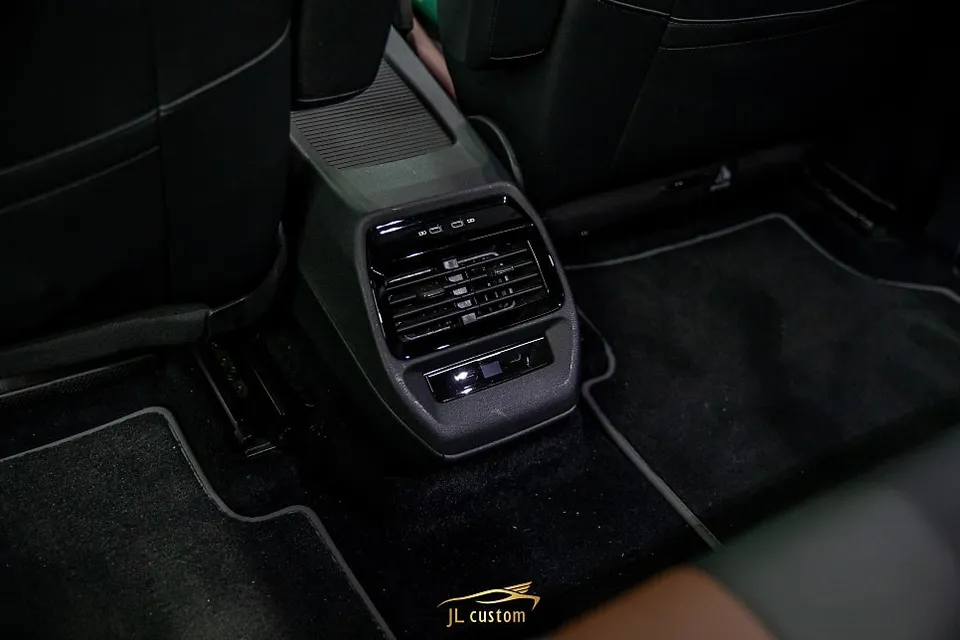
The preferred method involves using genuine parts and coding the heating circuits to integrate seamlessly with the vehicle's existing systems. Heating elements are carefully installed within the seat upholstery, and a touch-sensitive LED switch is incorporated, allowing for adjustable heat levels (e.g., 3-stage, 2-stage, 1-stage). The final result is an installation that looks completely natural, as if the feature was present from the vehicle's production line.
Addressing Concerns: Seat Leather Integrity During Installation
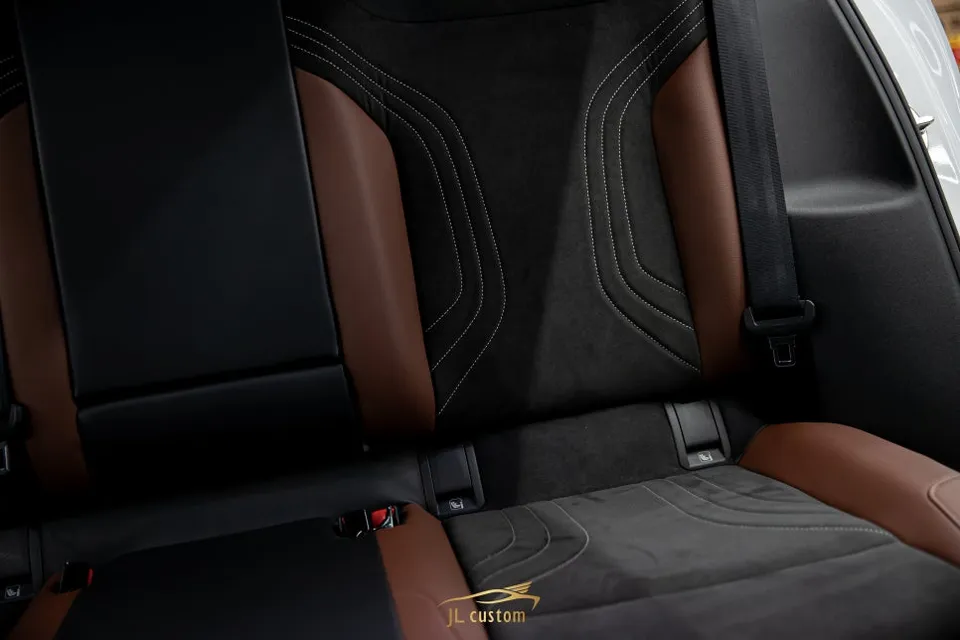
A key aspect of installing heated seats in the ID.4's rear is the complete disassembly of the seat and removal of the leather upholstery. To properly position the heating elements beneath the surface, the original leather must be carefully detached. Many owners worry about potential damage, such as scratches or tears, during this delicate process.
However, for experienced technicians specializing in imported car modifications, these concerns are largely unfounded. Professionals with over a decade of experience in custom automotive work, like those at 'Today's Car' Hanam, handle the intricate removal and reassembly with precision. Their deep understanding of leather elasticity and adhesive structures ensures the upholstery is returned to its original state without any signs of damage. In fact, some customers have reported that their seats felt even tighter and firmer after the installation.
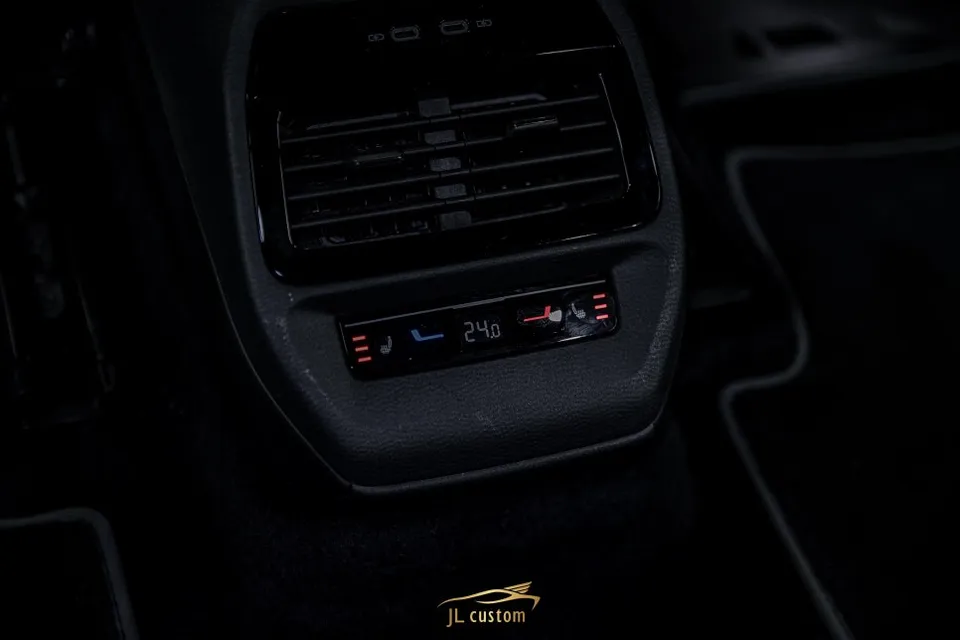
Unique Considerations for the Volkswagen ID.4
The Volkswagen ID.4, being an electric vehicle, presents specific installation challenges. Its complex battery and electronic systems require the heating wiring to be correctly integrated with the vehicle's existing electrical architecture. Unlike installations in conventional gasoline cars, precise coding with the vehicle's Electronic Control Unit (ECU) is essential.
Furthermore, the ID.4's rear seats often feature a forward-and-backward sliding function. This necessitates careful planning of the wiring path to prevent any damage or disconnection due to the repeated movement of the seat. These factors highlight that this is not a simple plug-and-play modification but a task demanding significant technical expertise.
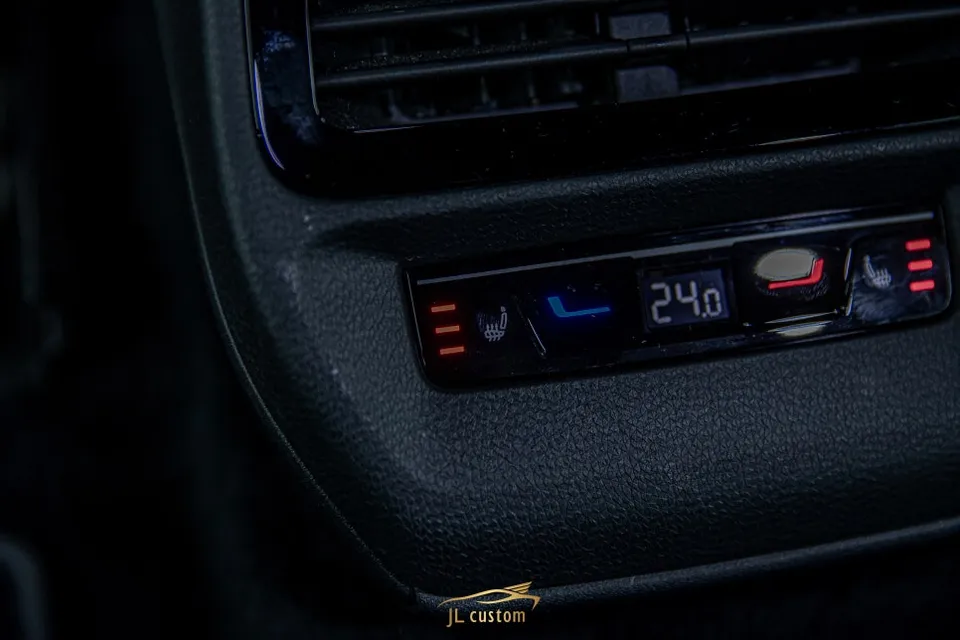
Installation Process:
- Seat Removal: The rear seat assembly is carefully detached from the vehicle. This involves unscrewing the main bolts and disconnecting all electrical harnesses related to seat functions (e.g., sliding, height adjustment). Documenting each disconnection point is crucial for reassembly.
- Upholstery Removal & Heating Element Installation: The leather or fabric upholstery is meticulously removed from the seat base and backrest. The heating mats are then precisely positioned and secured within the seat structure.
- Wiring and Coding: The heating elements are connected to a power source and the control module. The system is then coded to the vehicle's ECU, enabling the control switch to function correctly and integrating it with the car's electrical system.
- Reassembly and Testing: The upholstery is carefully reattached, ensuring a factory-perfect fit. Finally, the seats are reinstalled in the vehicle, and the functionality of the ventilated and heated seats is thoroughly tested across all heat settings.
By following these steps with professional care, the addition of ventilated and heated seats becomes a valuable enhancement, ensuring comfort for all passengers regardless of the weather.
OhCar Partner Shop