Volvo XC90 Ceramic Coating Review — Under $400 Cost
Service Price
$under approx. $400
Estimated price · Actual price may vary by shop
Before
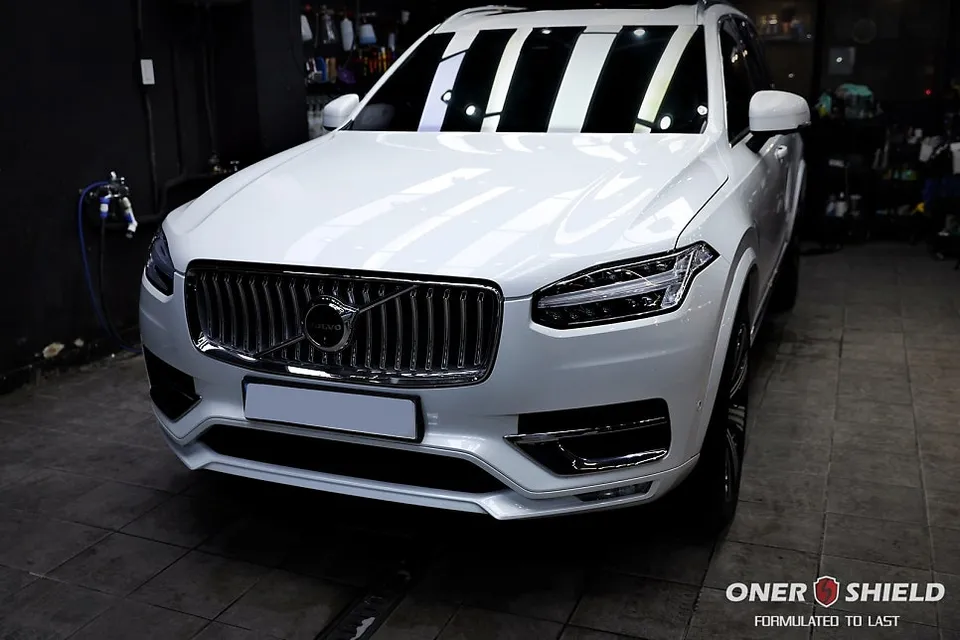
After
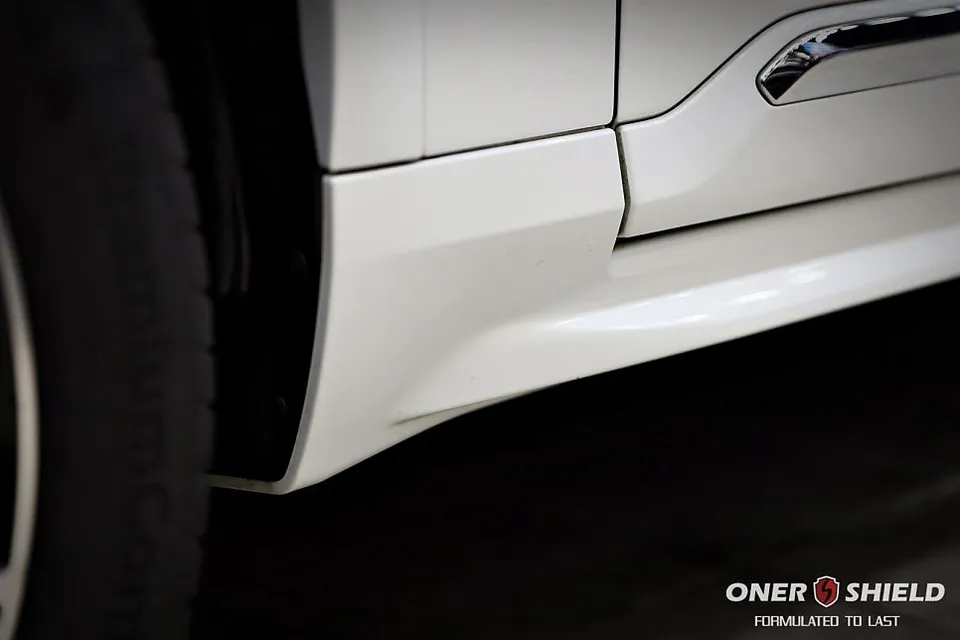
Volvo XC90 ceramic coating: Under $400. Provides durable paint protection, hydrophobic properties, and enhanced gloss, simplifying maintenance.
Volvo XC90 Ceramic Coating: A Deep Dive into Protection and Value
Many Volvo XC90 owners face the frustration of road grime, tar, and environmental contaminants dulling their vehicle's finish. While traditional waxes offer temporary shine, modern solutions like nano ceramic coatings provide a more durable and robust layer of paint protection. This review explores the application, results, and cost-effectiveness of ceramic coating for a Volvo XC90, drawing insights from a real-world case involving tar removal and subsequent paint protection.
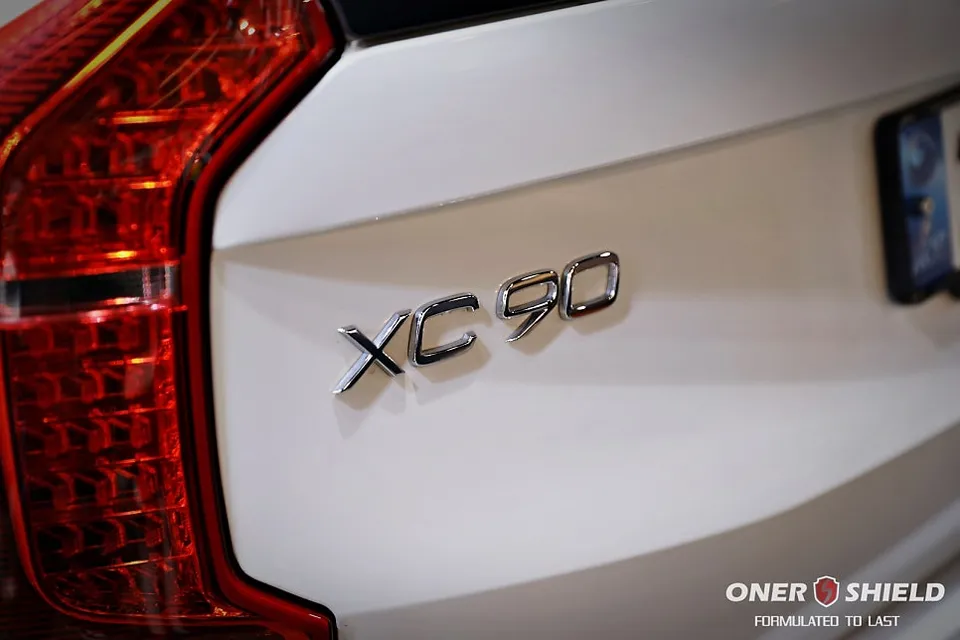
Understanding Ceramic Coating and Its Benefits
Ceramic coating, often referred to as nano ceramic coating or hydrophobic coating, is a liquid polymer applied to the exterior of a vehicle. When applied, it chemically bonds with the factory paint, creating a semi-permanent layer of protection. This layer is harder and more durable than traditional paint sealants or waxes. The primary benefits include enhanced gloss, superior resistance to chemical stains, UV ray protection, and a remarkable hydrophobic effect that causes water and contaminants to bead up and roll off the surface. This makes washing and maintaining the vehicle significantly easier. For a Volvo XC90, which often serves as a family vehicle exposed to various conditions, this level of paint protection is highly valuable.
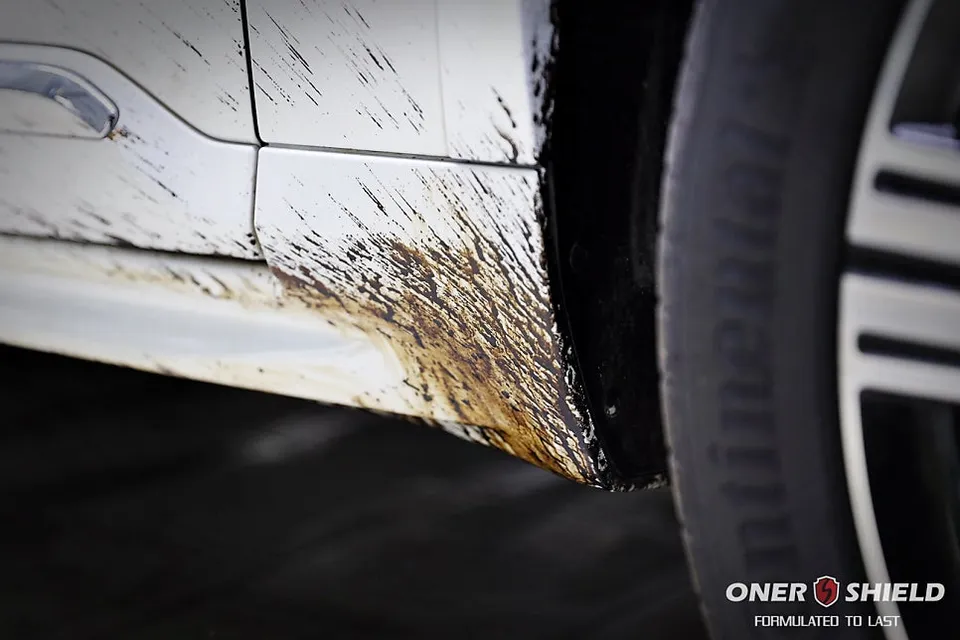
Real-World Application: Tar Removal and Coating on a Volvo XC90
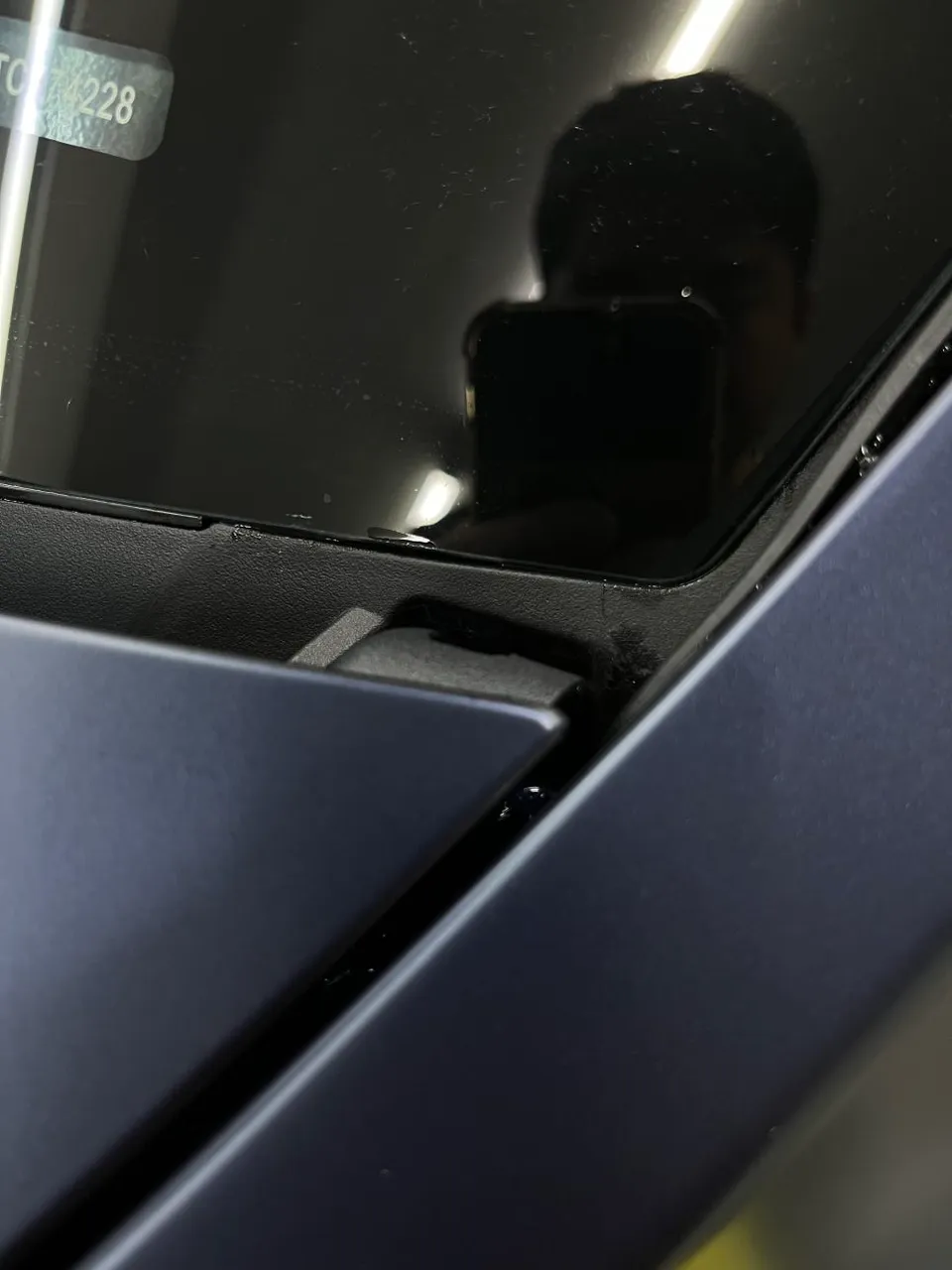
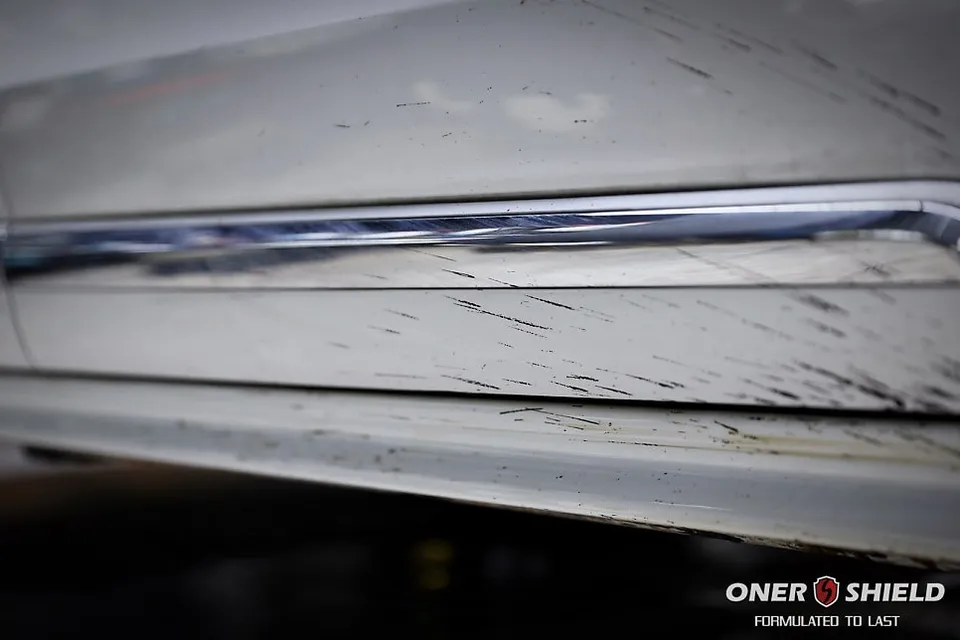
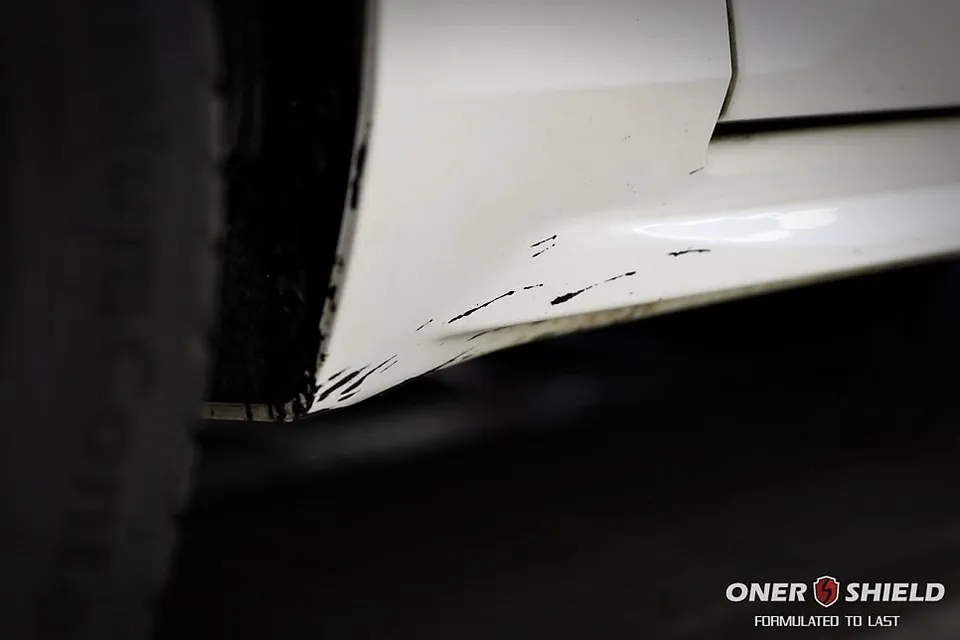
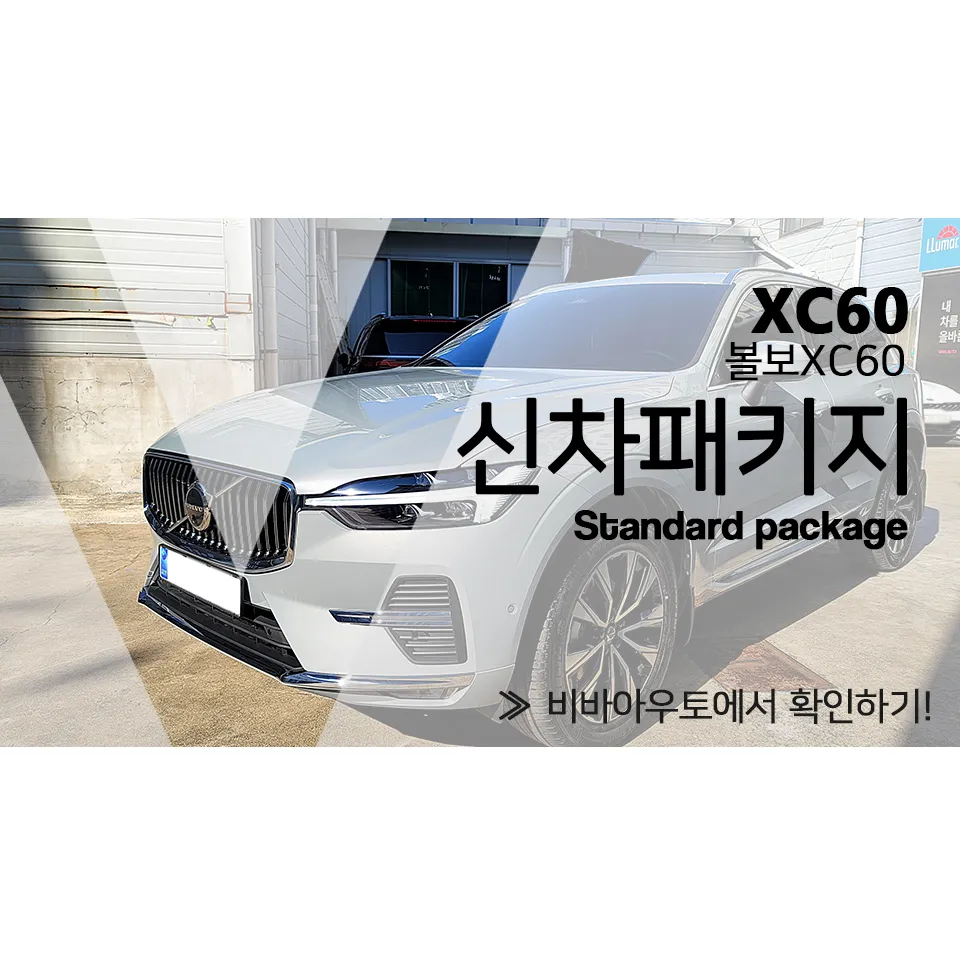
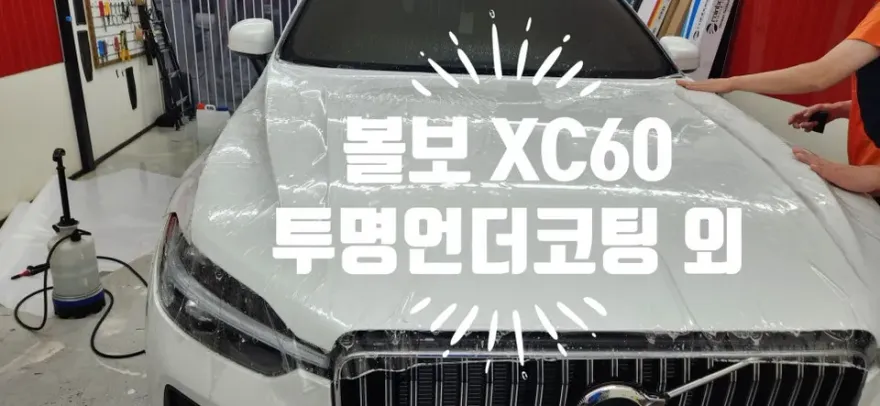
A common issue for drivers, especially those on highways, is tar splatter. This was the case for a white Volvo XC90 that visited a detailing shop in Seoul, South Korea. The vehicle's paint was heavily contaminated with black tar spots, a challenging issue that standard car washes cannot address. The tar, a byproduct of asphalt, can harden and bond to the paint, potentially causing etching or discoloration if left untreated, particularly on lighter-colored vehicles. Specialized tar removers, which use solvents to break down the tar's viscosity, are necessary. After a thorough tar removal process, which took several hours due to the extent of the contamination, the vehicle's paint was prepped for a protective coating. This post-tar removal step is crucial, as the cleaning process itself can sometimes strip existing protection. Applying a ceramic coating or a similar paint protection layer afterward ensures the newly cleaned surface is shielded from future contaminants.
Installation Process:
- Surface Preparation: The vehicle's paint is meticulously washed, decontaminated (removing tar, iron, and other fallout), and clay-barred to remove embedded contaminants. Any necessary paint correction (polishing) is performed to remove scratches and swirl marks, ensuring a flawless surface for the coating.
- Coating Application: The ceramic coating liquid is carefully applied panel by panel using specialized applicators.
- Leveling and Inspection: Excess coating is leveled off the surface to ensure an even finish. The entire vehicle is inspected under proper lighting to guarantee complete coverage and a streak-free appearance.
- Curing: The coating needs time to cure and harden, forming its protective layer. This typically takes 24-48 hours, during which the vehicle should be kept dry.
The cost for such a comprehensive service, including extensive tar removal and a quality ceramic coating application on a vehicle like the Volvo XC90, can range from approximately 100,000 to 300,000 Korean Won (roughly $75-$225 USD). However, for a full paint correction and premium coating, prices can exceed $400 USD, especially for larger SUVs. This particular service, focused on tar removal and protection, was estimated to be under $400 USD.
Durability, Maintenance, and Is It Worth It?
A professionally applied ceramic coating can last anywhere from 2 to 5 years, depending on the product quality, application, and maintenance. Unlike traditional waxes that last weeks or months, ceramic coatings offer long-term paint protection. Maintenance is straightforward: regular washing with pH-neutral soaps and avoiding abrasive brushes or harsh chemicals will preserve the coating's integrity. The hydrophobic properties mean dirt and grime are less likely to bond to the paint, making washing quicker and more effective. For a Volvo XC90 owner concerned about maintaining the vehicle's appearance and resale value, the investment in ceramic coating is often considered worthwhile. It provides superior protection against environmental hazards, enhances the vehicle's aesthetic appeal with a deep gloss, and simplifies ongoing care, making it a practical choice for long-term paint preservation.
Frequently Asked Questions
Q. How much does ceramic coating cost for a Volvo XC90?
The specific service detailed, including tar removal and coating, was estimated to be under $400 USD. Typical professional ceramic coating costs in the US can range from $500 to $2,000 or more, depending on the vehicle size and level of paint correction required.
Q. How long does ceramic coating last on a Volvo XC90?
A professionally applied ceramic coating can last between 2 to 5 years, offering long-term paint protection. To maximize its lifespan, regular washing with pH-neutral soaps and avoiding harsh chemicals is recommended.
Q. Is ceramic coating better than wax for a Volvo XC90?
Ceramic coating offers significantly longer-lasting protection and superior hardness compared to traditional car wax. It's ideal for owners seeking durable, low-maintenance paint protection that enhances gloss and makes cleaning easier.
Q. How is ceramic coating applied to a Volvo XC90?
Application involves meticulous surface preparation, including washing, decontamination, and paint correction. The liquid ceramic coating is then carefully applied panel by panel, leveled, and allowed to cure, forming a hard protective layer.
Q. What is the difference between ceramic coating and PPF for a Volvo XC90?
Ceramic coating provides chemical resistance and hydrophobic properties for gloss and ease of cleaning, while Paint Protection Film (PPF) is a thicker, clear film primarily designed to protect against physical impact like stone chips and scratches. PPF typically lasts longer (5-7 years) and offers superior impact protection.
Q. What should I know before getting Ceramic Coating on a Volvo XC90? (common regrets and mistakes)
The most common regret is not opting for paint correction beforehand, which means the coating seals in existing imperfections. Always ensure your paint is properly corrected before application for the best aesthetic results.
OhCar Partner Shop
More ceramic coating Reviews
See all →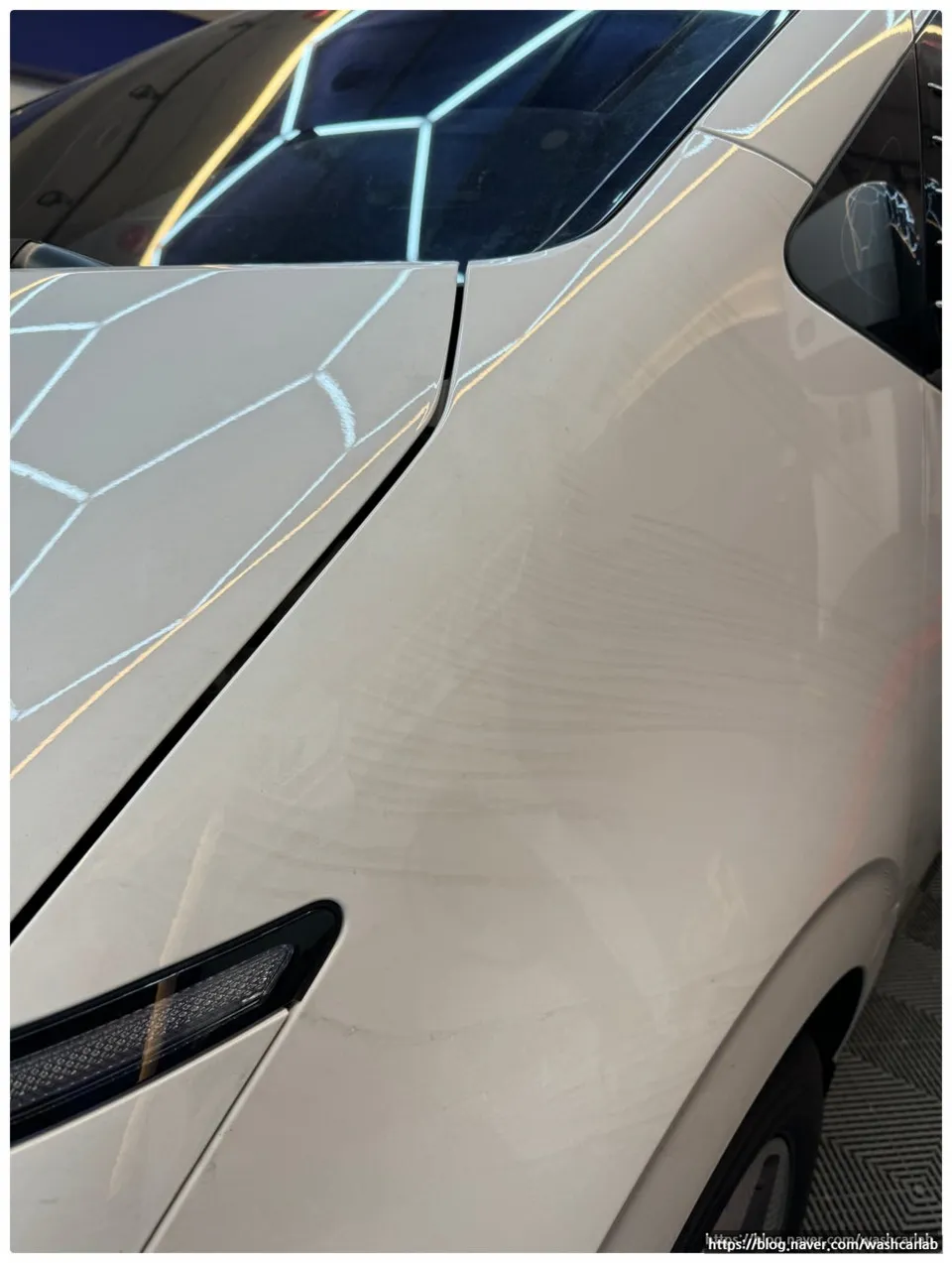

More Volvo Reviews

Pair with Another Service
Add physical chip protection before coating