Audi PPF Cost — Q5, Q7 & A6 Full-Body vs Partial Pricing
When it comes to protecting your prized Audi, especially models like the Q5, Q7, or A6, investing in Paint Protection Film (PPF) is a smart move. But what exactly is the Audi PPF cost? This guide dives deep into the factors influencing pricing, from the extent of coverage to the specific Audi model you own, drawing insights from 32 owner reviews on OhCar. We'll break down the differences between full-body and partial applications, explore what affects the price, and help you make an informed decision.
Understanding Audi PPF Cost: What Influences the Price?
The Audi PPF cost isn't a one-size-fits-all figure. Several key elements contribute to the final price you'll pay for this advanced paint protection. At OhCar, we've gathered data and insights to help you navigate these variables.
Material Quality and Brand
Just like any automotive product, PPF comes in various qualities and from different manufacturers. Premium brands often use higher-grade urethane, offering superior self-healing properties, clarity, and longevity. While these may come with a higher upfront cost, they often provide better long-term value and a more flawless finish. Cheaper alternatives might suffice for basic protection, but they can yellow over time or not offer the same level of scratch resistance. When considering Audi PPF cost, always inquire about the brand and type of film being used.
Coverage Area: Full-Body vs. Partial Protection
This is arguably the biggest factor in determining the overall Audi PPF cost. You have two main options:
- Full-Body PPF: This involves applying the film to every painted surface of your Audi. It offers the most comprehensive protection against rock chips, scratches, road debris, and environmental contaminants. While it's the most expensive option, it ensures your entire vehicle maintains its pristine condition.
- Partial PPF: This is a more budget-friendly approach, focusing on high-impact areas most prone to damage. Typically, this includes the front bumper, hood, fenders, and side mirrors. Some owners opt for additional partial coverage on door edges, door cups, and rocker panels. This is a great way to manage Audi PPF cost while still protecting the most vulnerable parts of your car.

Labor and Installation Expertise
PPF installation is a skilled craft. It requires meticulous preparation, precise cutting (often using pre-cut patterns specific to your Audi model), and careful application to avoid air bubbles or imperfections. Professional installers with extensive experience and specialized tools will naturally command higher labor rates. The complexity of your Audi's design, with its curves and contours, also plays a role. A more intricate installation will take longer and thus increase the labor cost. Always choose a reputable installer who understands the nuances of applying PPF to luxury vehicles like an Audi.
Vehicle Model and Size
Larger vehicles like an Audi Q7 or Q8 naturally require more PPF material than a smaller model like an A3. Consequently, the Audi PPF cost will be higher for larger SUVs and sedans due to the increased material usage. The complexity of the body panels also varies between models. For instance, the intricate lines of an Audi RS model might require more intricate cutting and fitting, potentially increasing installation time and cost.
Additional Services
Some installers offer bundled services that can affect the overall price. This might include:
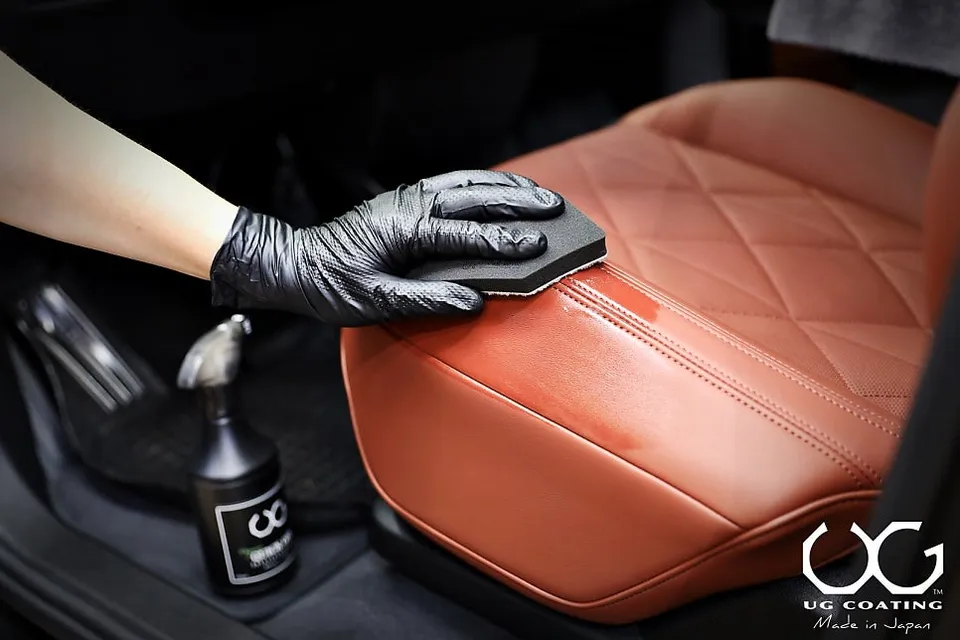
- Ceramic Coating: Many owners opt to apply a ceramic coating over the PPF for added hydrophobic properties and a deeper gloss. This is an additional cost but enhances the protection and aesthetics. You can learn more about the differences in our PPF vs Ceramic Coating comparison.
- Chrome Delete: For a sleeker look, some Audi owners choose to wrap chrome trim in black vinyl. This can sometimes be done concurrently with PPF installation.
- Interior PPF: As seen in some real PPF reviews, some owners protect high-gloss interior surfaces like the infotainment screen or piano black trim. This is a separate service with its own pricing.