Window Tint Shades Compared — 5% vs 20% vs 35% vs 50% VLT
Choosing the right window tint for your vehicle can be a surprisingly complex decision. Beyond just aesthetics, different tint shades offer varying levels of privacy, heat rejection, and UV protection. This comprehensive window tint shades comparison will break down the most common VLT (Visible Light Transmission) percentages – 5%, 20%, 35%, and 50% – to help you make an informed choice that balances style, comfort, and legality in your region.
At OhCar, we've analyzed owner feedback and industry trends to provide you with the most relevant information. Based on 50 owner reviews on OhCar, the average cost for professional window tinting falls around $99, with prices ranging from $60 to $133. This data comes from a variety of vehicles, including popular models from Hyundai, Tesla, Kia, Genesis, and BMW, reflecting a broad spectrum of automotive applications.
Understanding VLT: The Key to Window Tint Shades
VLT, or Visible Light Transmission, is the percentage of light that passes through your car's windows. A lower VLT percentage means less light gets through, resulting in a darker tint. Conversely, a higher VLT percentage allows more light to pass, creating a lighter tint. It's crucial to understand this metric when comparing window tint shades, as it directly impacts visibility and the overall look of your vehicle.
5% VLT Tint (Limo Tint)
Often referred to as 'limo tint,' 5% VLT is the darkest legal tint available in most US states. It offers the highest level of privacy, making it very difficult for outsiders to see into your vehicle. This extreme darkness also provides excellent heat rejection and UV protection, significantly reducing interior temperatures and safeguarding your skin and upholstery from sun damage.
Pros:
- Maximum privacy
- Superior heat and UV rejection
- Aggressive, sleek aesthetic
Cons:
- Can significantly reduce visibility at night or in low-light conditions
- May be illegal in some jurisdictions or for certain windows (e.g., front windshield)
- Can make it harder for law enforcement to see occupants
20% VLT Tint (Dark Tint)
The 20% VLT tint strikes a balance between privacy and visibility. It's dark enough to offer a good level of privacy, obscuring the interior from casual glances, but still allows enough light through for reasonable nighttime driving visibility. This is a very popular choice for many car owners seeking a darker look without compromising too much on practicality. Based on our OhCar data, many owners opt for tints in this range for a noticeable aesthetic upgrade.
Pros:
- Good privacy
- Improved heat and UV rejection over lighter tints
- Generally good nighttime visibility
- Popular aesthetic choice
Cons:
- May still be too dark for some drivers at night
- Legality varies by state
35% VLT Tint (Medium Tint)
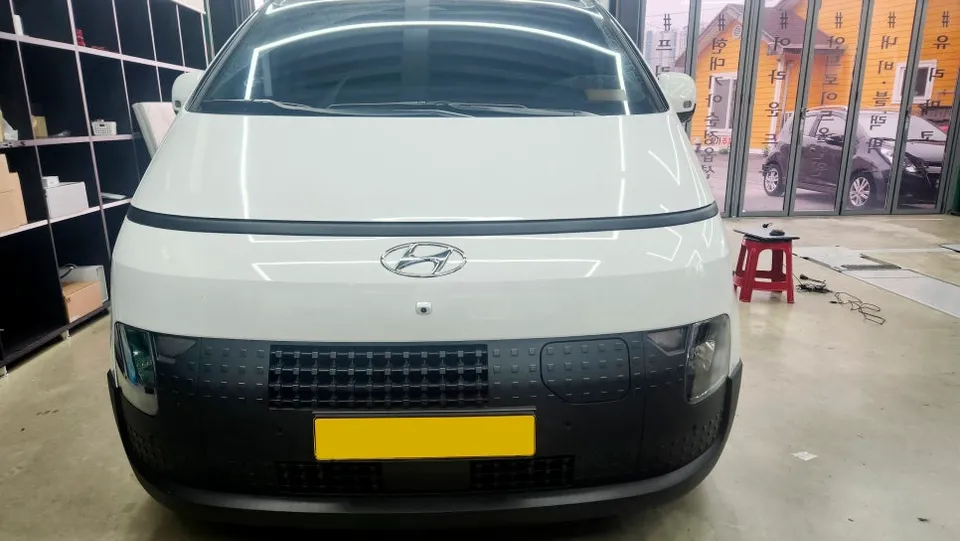
35% VLT tint is a more moderate option, offering a noticeable tint without drastically altering visibility. It provides a moderate level of privacy and good heat and UV rejection. This is often considered a sweet spot for many drivers who want a tinted look and some benefits of tinting without the potential drawbacks of darker shades. For instance, a review of the Hyundai Staria ST1 Lighting Upgrade mentioned how subtle aesthetic enhancements can significantly improve a vehicle's presence, and 35% tint falls into this category of refined modification.
Pros:
- Decent privacy
- Good heat and UV rejection
- Excellent visibility, even at night
- Often a legal standard in many areas
Cons:
- Less privacy compared to darker tints
- Less heat rejection than darker tints

50% VLT Tint (Light Tint)
The 50% VLT tint is the lightest option in our comparison. It offers minimal visual change to the window's appearance but still provides significant benefits in terms of UV protection and a slight reduction in glare and heat. This is often chosen by individuals who want the protective qualities of window tint without a noticeable darkening effect, or where darker tints are illegal. It's a great option for those prioritizing visibility above all else.
Pros:
- Minimal impact on visibility
- Excellent UV protection
- Slight glare and heat reduction
- Almost always legal
Cons:
- Very little privacy
- Minimal heat rejection compared to darker tints
- Barely noticeable aesthetic change
Window Tint Shades Comparison Table
To help visualize the differences, here's a comparison table summarizing the key aspects of each window tint shade:
| Feature | 5% VLT (Limo) | 20% VLT (Dark) | 35% VLT (Medium) | 50% VLT (Light) |
|---|---|---|---|---|
| Privacy Level | Very High | High | Medium | Low |
| Night Visibility | Poor | Good | Very Good | Excellent |
| Heat Rejection | Excellent | Very Good | Good | Fair |
| UV Protection | Excellent | Excellent | Excellent | Excellent |
| Aesthetic Impact | Dramatic | Noticeable | Subtle | Minimal |
| Typical Cost (OhCar Data) | $60 - $133 (Avg. $99) | $60 - $133 (Avg. $99) | $60 - $133 (Avg. $99) | $60 - $133 (Avg. $99) |
Factors Beyond VLT in Window Tint Shades
While VLT is the primary factor in determining how dark a tint appears, other elements also play a role in your window tint shades comparison:
Dye vs. Carbon vs. Ceramic Tints
The material of the tint film affects its performance and durability:
- Dyed Tint: The most basic and affordable. A layer of dye is applied to the film. It offers good heat rejection initially but can fade and turn purplish over time.
- Carbon Tint: Uses carbon particles to block UV rays and heat. It's more durable than dyed tint, won't fade, and offers better heat rejection without significantly darkening the windows.
- Ceramic Tint: The most advanced and expensive. It uses ceramic particles to block heat and UV rays without interfering with electronic signals (like GPS or radio). It offers the best heat rejection and is highly durable. For more on the differences, check out our PPF vs Ceramic Coating comparison, which touches on the advanced properties of ceramic materials.
Color and Reflectivity
Tint films come in various colors (black, charcoal, blue, etc.) and reflectivity levels. Some tints have a more mirrored or reflective finish, which can further enhance privacy and heat rejection but may also affect aesthetics and legality.
Legal Regulations
This is arguably the most critical factor. Window tint laws vary significantly by state and even by country. Most states have specific VLT limits for different windows (e.g., darker tints allowed on rear windows than front side windows, and often a prohibition on front windshield tinting). Always check your local laws before choosing a tint shade to avoid tickets and potential fines. Some states also have rules about reflective tints.
Which Window Tint Shade is Right for You?
The best window tint shade depends on your priorities:
- For Maximum Privacy and Heat Rejection: 5% VLT is the choice, provided it's legal in your area and you can manage the reduced night visibility.
- For a Balance of Privacy and Visibility: 20% VLT is a popular all-around option that offers a good look and decent privacy without severely impacting nighttime driving.
- For a Subtle Tint with Good Visibility: 35% VLT is ideal if you want a noticeable tint, good UV protection, and excellent visibility, especially at night.
- For UV Protection with Minimal Visual Change: 50% VLT is perfect if you want the protective benefits of tinting without altering the appearance of your windows or compromising visibility.
Consider the specific needs of your vehicle and your driving habits. For example, if you frequently drive in rural areas at night, a 5% tint might be impractical. Conversely, if your car is primarily used for short city commutes during the day, darker tints might be perfectly suitable.

Installation and Cost Considerations
While DIY tint kits are available, professional installation is highly recommended for a flawless finish. Poorly applied tint can lead to bubbles, peeling, and an unprofessional look. Professional installers have the tools, experience, and techniques to ensure a clean, durable application. As our OhCar data shows, the average cost for professional tinting is around $99, with a range of $60 to $133. This price can vary based on the vehicle's make and model (e.g., complex curves on a Genesis G80 might differ from a Tesla Model 3), the type of tint film used (ceramic being the most expensive), and the installer's reputation.
When comparing prices, ensure you're comparing apples to apples. A cheap tint job might use low-quality film that fades quickly or offers poor performance. Investing in a reputable installer and quality film will provide better long-term results and satisfaction.
Conclusion
Selecting the right window tint shade is a personal decision that involves weighing privacy, aesthetics, visibility, and legal requirements. This window tint shades comparison has aimed to provide a clear understanding of the common VLT percentages and their implications. Whether you're looking for the privacy of 5% tint, the balance of 20% or 35%, or the subtle protection of 50%, understanding these differences will help you achieve the desired look and functionality for your vehicle.
Remember to always consult your local tint laws and consider the type of film and professional installation for the best results. For more insights into automotive enhancements and comparisons, explore the OhCar Magazine for a wealth of expert reviews and guides.
Comments (3)
NYC streets are brutal in the summer, so I went with 20% on my M4. Keeps the sun out and the interior looking sharp, plus it's not so dark I can't see at night.
Man, living down here in Florida, that 5% tint is a lifesaver on my Tahoe. Keeps the sun out and the AC from working overtime, plus nobody can see my messy kids in the back. Worth every penny.
Honestly, I've tried a few different ceramic coatings on my ride, and while the tint is nice for heat, nothing beats a good ceramic for that hydrophobic shine and ease of cleaning.
Explore Related Services on OhCar