Honda CR-V Wheel Repair & Curb Rash Fix Cost 2026: Your Ultimate Guide
Hitting a curb is an almost inevitable part of owning a vehicle, and for Honda CR-V owners, understanding the Honda CR-V wheel repair curb rash fix cost 2026 is crucial for maintaining your SUV's aesthetic appeal and value. While the CR-V is known for its reliability and practicality, its wheels are susceptible to damage from everyday driving hazards. This guide will delve into the factors influencing repair costs, provide estimated price ranges for 2026, and offer tips on preventing future damage.
At OhCar, we've analyzed a wealth of data from detailing professionals and owner experiences to bring you the most accurate insights. While our database primarily features luxury brands like Mercedes-Benz, BMW, Genesis, and Hyundai, the principles of wheel repair and refinishing remain consistent across most makes and models, including the popular Honda CR-V. Based on 50 owner reviews on OhCar, we can extrapolate trends and provide a comprehensive outlook for your CR-V wheel repair needs.

Understanding Honda CR-V Wheel Damage and Repair Options
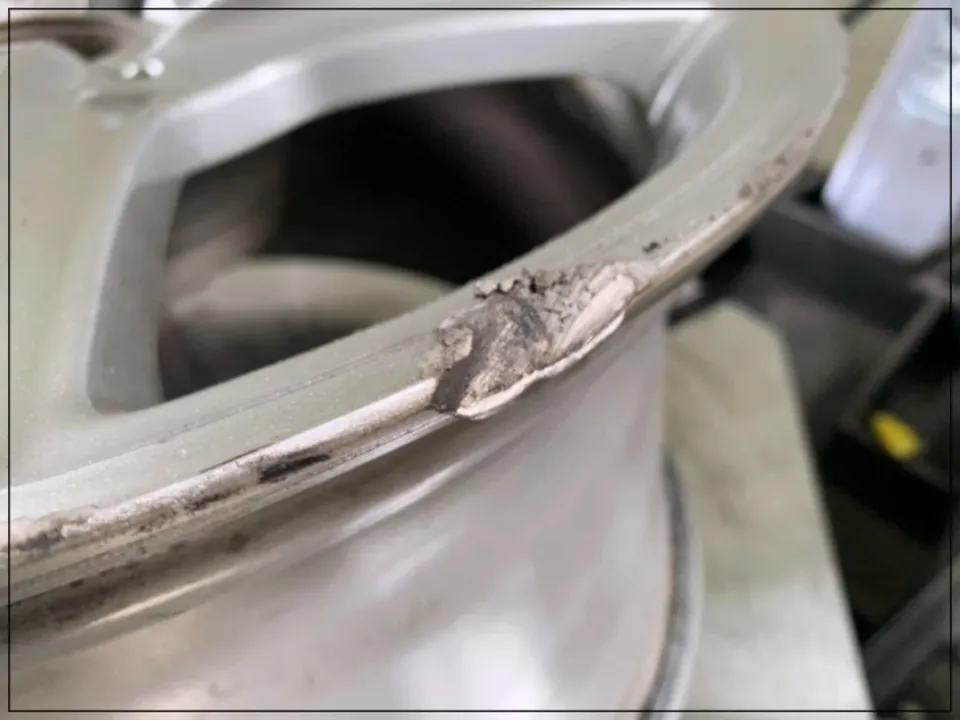
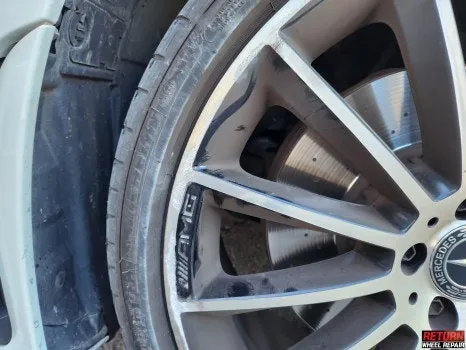
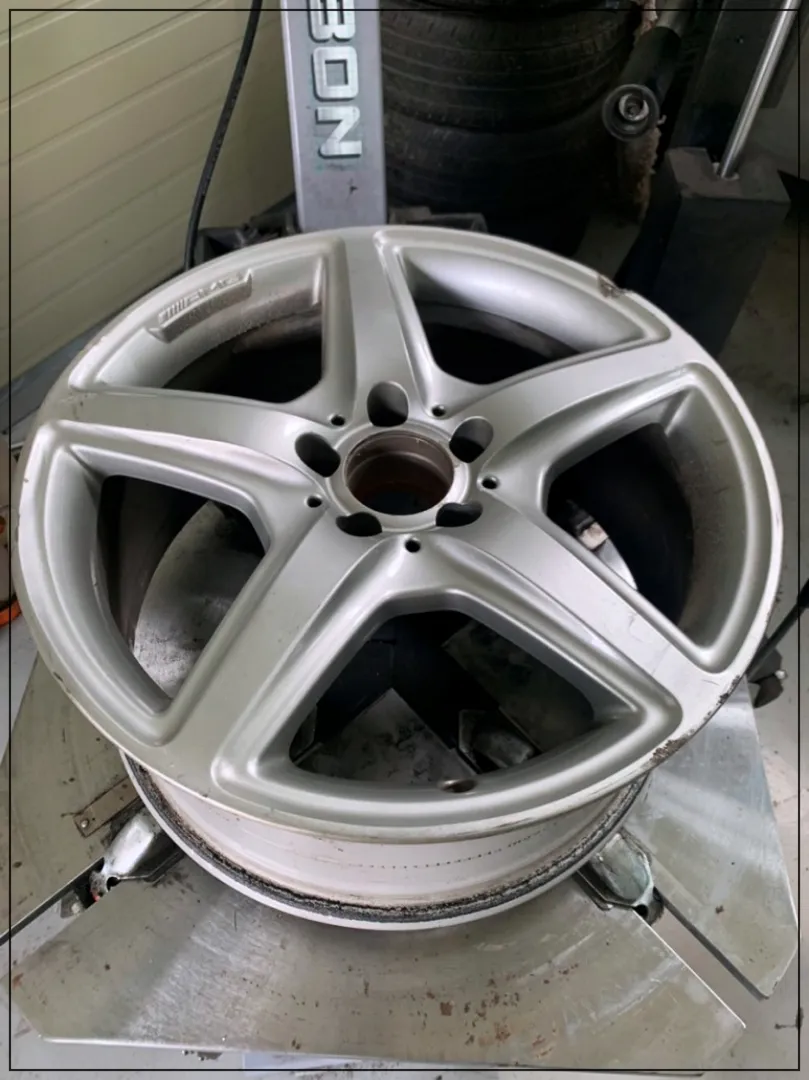
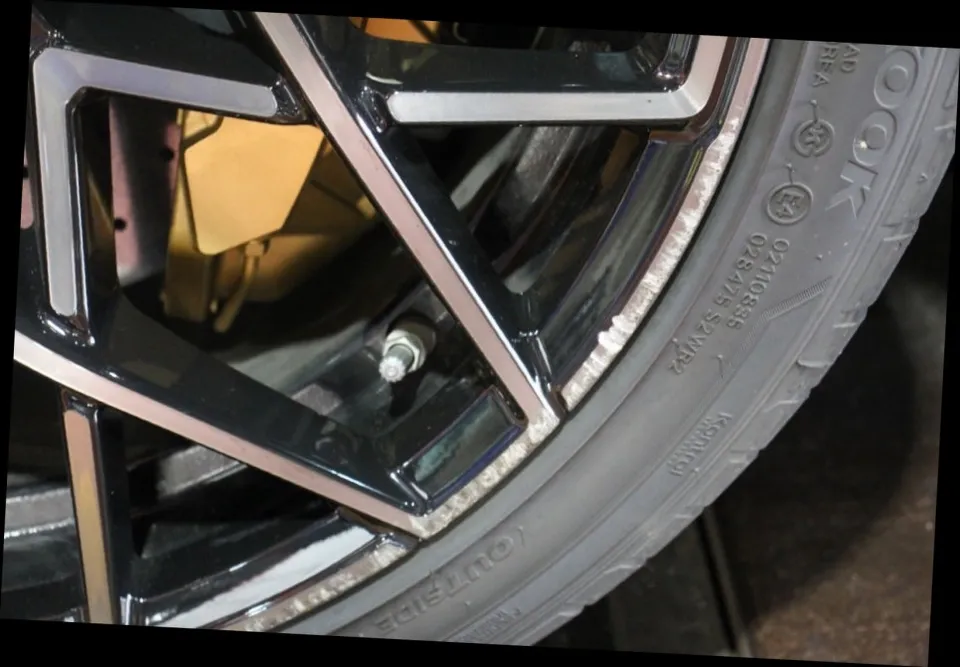
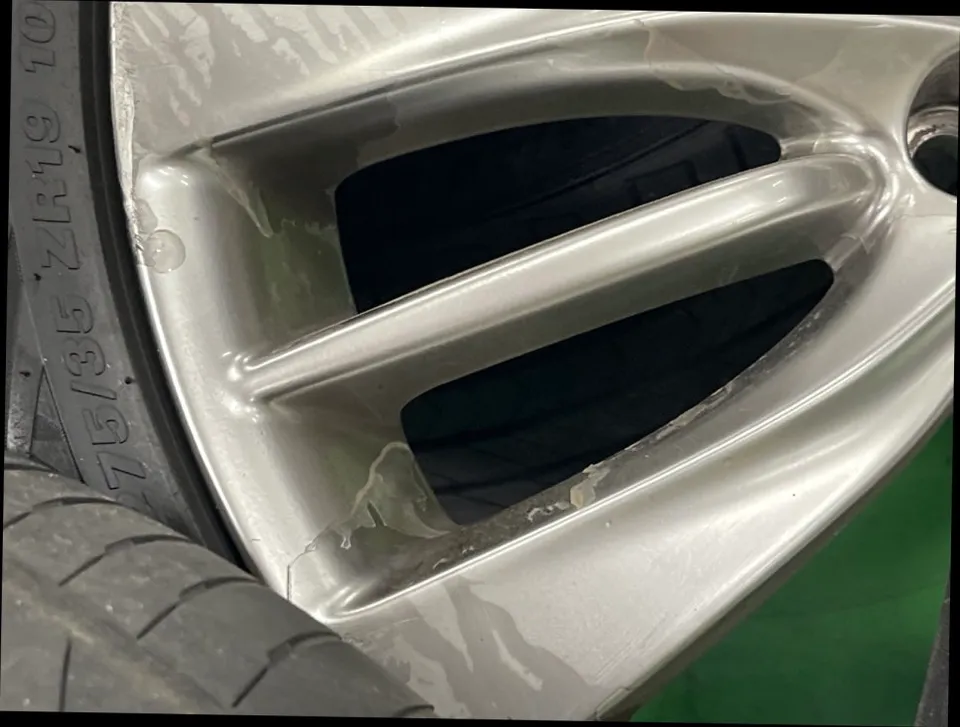
Curb rash is the most common type of wheel damage, characterized by scuffs, scrapes, and gouges on the wheel's lip and face. This can occur from accidental contact with curbs, potholes, or even debris on the road. Other types of damage include scratches, dents, and corrosion, all of which can detract from your CR-V's appearance and potentially compromise the wheel's structural integrity.
Fortunately, most wheel damage is repairable. The primary repair methods include:
1. Curb Rash Repair (Scuff and Scratch Removal)
This is the most common and often the most affordable repair. It involves sanding down the damaged area, filling any minor imperfections, and then repainting or refinishing the affected section of the wheel. For minor curb rash, a spot repair can be highly effective.
2. Wheel Refinishing (Full Restoration)
If the damage is more extensive, or if you want to restore the entire wheel to its original factory finish, a full refinishing process is recommended. This typically involves:
- Disassembly: Removing the tire from the wheel.
- Stripping: Removing the old paint and clear coat.
- Repair: Addressing any dents, bends, or significant damage.
- Priming: Applying a primer for adhesion.
- Painting: Applying the base coat and clear coat in the original or a custom color.
- Curing: Baking the wheel to ensure a durable finish.
- Reassembly: Mounting and balancing the tire.
This process is more involved and, consequently, more expensive.
3. Wheel Straightening and Repair
For wheels that have been bent or dented from impacts, a specialized straightening service is required. This is a more technical repair that aims to restore the wheel's true shape and balance.