Porsche 911 Ceramic Coating Maintenance Guide: Complete How-To
Porsche 911 Ceramic Coating Maintenance Guide
Your Porsche 911 deserves the best protection available, and a ceramic coating is one of the smartest investments you can make for long-term paint preservation. But here's what many 911 owners don't realize: applying ceramic coating is only half the battle. The real work begins after installation, and this Porsche 911 ceramic coating maintenance guide will walk you through everything you need to know to keep that protective layer performing at peak efficiency for years to come.
Whether you've just had a professional ceramic coating applied to your 911 or you're considering one, understanding the maintenance requirements is crucial. Unlike traditional wax or sealants, ceramic coatings create a harder, more durable barrier against environmental contaminants—but they still demand respect and regular care. Let's dive into what it takes to maintain this premium protection.
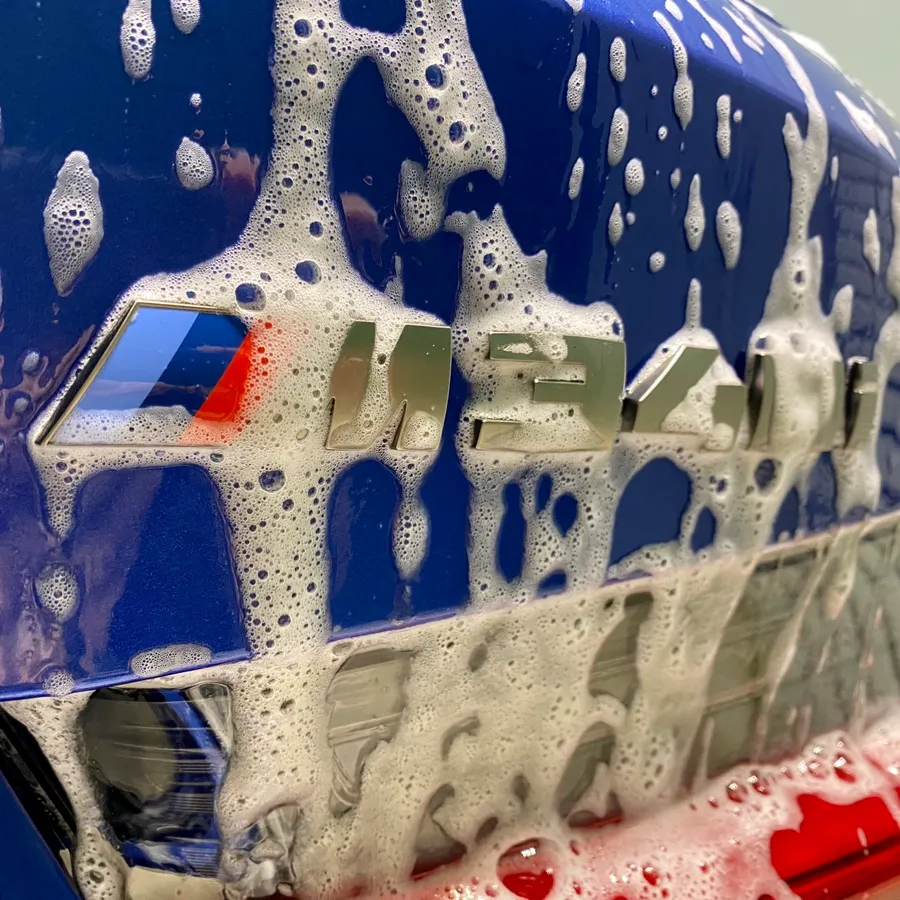
Understanding Ceramic Coating on Your Porsche 911
Before we talk maintenance, let's establish what you're actually protecting. A ceramic coating is a nanotechnology-based liquid polymer that chemically bonds to your vehicle's clear coat. When cured properly, it creates a hydrophobic layer that repels water, dirt, and contaminants. For a high-end vehicle like the Porsche 911, this level of protection is invaluable.
The coating typically ranges from 9H to 10H on the hardness scale—that's serious durability. However, it's not invincible. Bird droppings, tree sap, salt spray, and UV rays can all compromise the coating if not addressed promptly. This is why maintenance is non-negotiable.
Based on owner feedback from our ceramic coating reviews, users consistently emphasize that proper maintenance extends the life of their coatings by 2-3 years beyond average. That's significant when you're investing $1,500-$3,000+ on a professional application for your 911.
The Critical First 7 Days: Curing Your Ceramic Coating Maintenance Routine
What Happens During Curing?
The first week after ceramic coating application is absolutely critical. During this curing period, the nano-particles are still bonding to your clear coat at the molecular level. Any interference during this time can compromise the entire job.
Do not wash your vehicle for at least 7 days after coating application. This is non-negotiable. Some professional installers recommend 14 days for maximum curing, and that's honestly the safer approach for a vehicle as valuable as a Porsche 911.
Environmental Protection During Curing
During the curing period, keep your 911 indoors if possible. If you don't have garage access, a high-quality car cover is essential. Avoid:
- Direct sunlight (can interrupt bonding)
- Rain and moisture exposure
- Dust and airborne contaminants
- Temperature fluctuations
Maintaining a consistent, controlled environment during curing will pay dividends in coating longevity and performance.

Monthly Ceramic Coating Maintenance Guide for Porsche 911 Owners
The Proper Washing Technique
Once your coating is fully cured, you can resume regular washing. However, this isn't a "spray and wipe" situation. Proper maintenance washing is an art form.
The Two-Bucket Method is essential for ceramic-coated vehicles:
- Fill one bucket with warm water and pH-neutral car wash soap (this is critical)
- Fill a second bucket with clean water only
- Use a microfiber wash mitt soaked in the soap bucket
- Gently wash the vehicle in straight lines, not circular motions
- Rinse the mitt in the clean water bucket between each section
- Rinse the entire vehicle thoroughly with deionized or distilled water
Never use regular tap water for rinsing. Mineral deposits in tap water can spot your coating and leave residue that undermines the hydrophobic properties you're paying for.
Drying Your 911 After Washing
Improper drying is one of the biggest mistakes ceramic coating owners make. After rinsing:
- Use compressed air or a leaf blower first to remove bulk water
- Follow with high-quality microfiber drying towels
- Avoid chamois leather—it can leave streaks
- Use a final pass with a ceramic-safe spray to enhance beading
Never let your coated 911 air dry. Water spots will form, and they're difficult to remove without proper treatment.
Monthly Inspection Checklist
Once a month, perform this quick inspection:
| Inspection Area | What to Look For | Action if Found |
|---|---|---|
| Paint Surface | Water beading performance | If beading is poor, coating may need refresh |
| Contaminants | Bird droppings, sap, tar spots | Remove immediately (see removal guide below) |
| Swirl Marks | Fine scratches under light | Address with proper correction technique |
| Oxidation | Dull patches or staining | May indicate coating degradation |
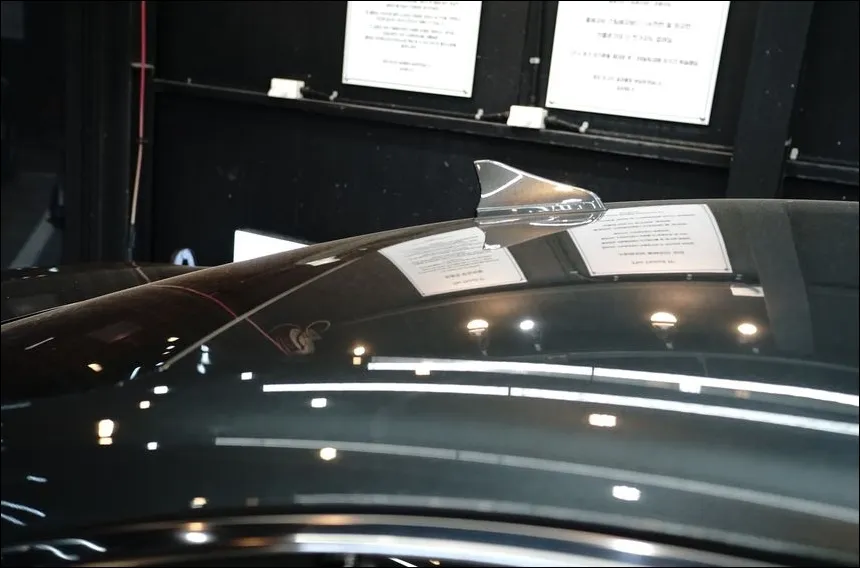
Quarterly Deep Maintenance: Maintaining Peak Performance
Contaminant Removal Techniques
Every three months—or more frequently if exposed to harsh conditions—perform a deep contaminant removal. This prevents buildup that compromises your ceramic coating maintenance routine.
Iron Decontamination: Brake dust and other metallic particles bond to your paint. Use an iron remover product every quarter. These products chemically dissolve ferrous particles without harming your ceramic coating.
Tar and Sap Removal: Never pick at these with your fingernails. Instead:
- Apply a tar removal product to affected areas
- Let it sit for 2-3 minutes
- Gently rub with a soft microfiber cloth
- Rinse thoroughly with distilled water
Bird Dropping Removal: This is urgent. Bird droppings are acidic and can etch through your coating. Remove immediately with a damp microfiber cloth, then wash the area thoroughly.
Ceramic Coating Booster Treatments
Every three months, apply a ceramic booster product. These products refresh the hydrophobic properties and extend overall coating lifespan. Think of them as a maintenance layer on top of your main coating.
Quality boosters typically cost $30-$75 and take 15 minutes to apply. When you consider the ceramic coating cost of a full professional application ($1,500-$3,000+), quarterly boosters are a bargain.
Seasonal Porsche 911 Ceramic Coating Maintenance Guide Updates
Winter Care Considerations
Cold months present unique challenges for ceramic-coated vehicles:
Road Salt and Brine: Winter de-icing chemicals are incredibly corrosive. If you live in a cold climate, wash your 911 every 2 weeks during winter months instead of monthly. Pay special attention to the undercarriage and wheel wells.
Temperature Fluctuations: Rapid freezing and thawing can stress your coating. While ceramic coatings handle this well, extreme temperature swings might affect their hydrophobic performance temporarily.
Snow and Ice Removal: Never scrape ice directly off your coated paint. Use a proper ice scraper on glass only, and let your defroster do the work on the paint. For snow, use a soft brush designed for vehicles.
Summer Maintenance Strategy
Summer brings different challenges—primarily UV exposure and organic contaminants like tree sap and pollen.
UV Protection: While ceramic coatings offer UV protection, prolonged sun exposure still affects them. Park in shade when possible, and consider a UV-protective car cover for extended outdoor storage.
Pollen and Organic Matter: Summer pollen is acidic. Wash your 911 more frequently during high-pollen seasons. If pollen sits for days, it can bond to your coating.
Spring and Fall Transition Care
During seasonal transitions, perform a comprehensive contaminant removal as outlined in the quarterly section above. Spring cleaning removes winter salt residue, and fall cleanup removes tree sap and leaf debris.
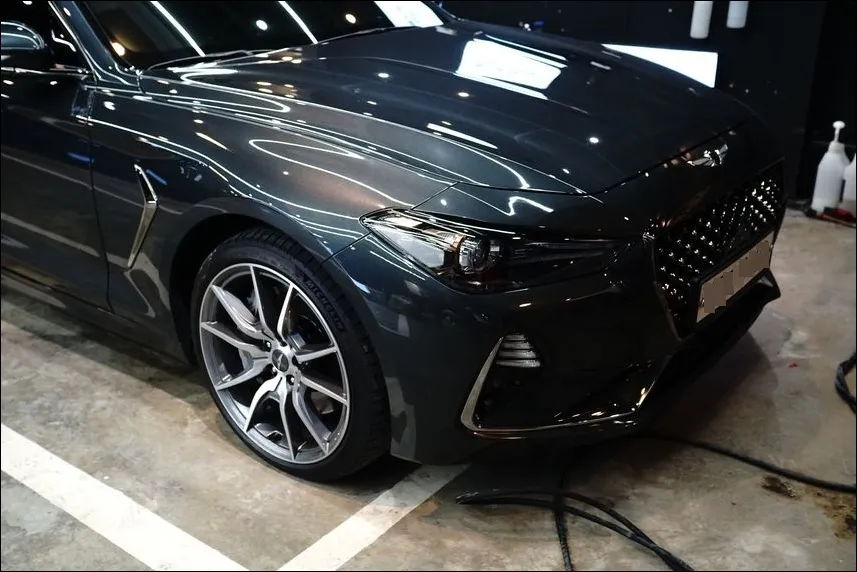
What NOT to Do: Common Ceramic Coating Maintenance Mistakes
Mistakes That Damage Your Coating
Using Acidic or Harsh Soaps: Never use dish soap, all-purpose cleaners, or products not specifically formulated for ceramic coatings. These strip away the hydrophobic layer. Always use pH-neutral car wash soaps.
Automatic Car Washes: Those brush-based car washes are your enemy. The rotating brushes create micro-scratches that compound over time. Hand washing is non-negotiable for ceramic-coated luxury vehicles.
Applying Traditional Wax: This is a common misconception. Don't apply car wax over ceramic coating. It creates a barrier that prevents the coating from bonding properly and looks terrible when it flakes off.
Pressure Washing: High-pressure water can potentially force water under your clear coat, especially around edges and trim. Use low-pressure rinsing or hand-wash techniques instead.
Ignoring Contaminants: As mentioned earlier, allowing bird droppings, sap, or tar to sit damages your coating permanently. Address contamination within hours, not days.
Product Mistakes
Not all car care products are ceramic-coating friendly. Avoid:
- Silicone-based shine products
- Petroleum distillate-based cleaners
- Aggressive polish or compound products
- Abrasive scrubbing pads
Stick with products explicitly labeled for ceramic coatings. When in doubt, check with your original installer—they can recommend their preferred maintenance products.

Comparing Protection Options: Ceramic Coating vs. Alternatives
Wondering if ceramic coating is really the best choice for your Porsche 911? Check out our detailed PPF vs Ceramic Coating comparison to understand the pros and cons of each option. While PPF (paint protection film) offers scratch resistance that ceramic coatings can't match, ceramic coatings provide superior gloss, hydrophobic properties, and easier maintenance.
| Protection Method | Durability | Maintenance Difficulty | Cost | Best For |
|---|---|---|---|---|
| Ceramic Coating | 3-5 years | Moderate | $1,500-$3,000 | Gloss, hydrophobic protection |
| PPF | 5-10 years | Low | $2,000-$5,000 | Rock chip and scratch protection |
| Traditional Wax | 3-6 months | Low | $20-$100 | Budget-conscious owners |
| Sealant | 6-12 months | Low | $100-$300 | Middle ground between wax and coating |
Many 911 owners actually combine ceramic coating with PPF on high-impact areas like the front bumper, hood, and fenders. This hybrid approach provides maximum protection across the board.
Professional Maintenance: When to Seek Expert Help
Annual Professional Inspection
Even with perfect home maintenance, have your ceramic coating inspected annually by professionals. They can identify degradation you might miss and recommend whether a refresh coating is needed.
Professional inspections typically cost $100-$200 and can save you thousands in premature coating replacement.
Professional Coating Refresh
After 3-5 years of proper maintenance, your ceramic coating will begin losing effectiveness. Rather than reapplying a full coating (expensive at $1,500-$3,000), most shops offer refresh services that cost $400-$800.
A refresh involves light paint correction followed by a new thin layer of ceramic coating. It restores your 911's protection without the full expense.
Paint Correction Between Maintenance Intervals
If swirl marks or light scratches appear despite perfect maintenance, professional paint correction is available. However—and this is critical—never use aggressive buffing on ceramic-coated paint. Corrections should be minimal and specific to problem areas.
Explore our ceramic coating service page to find certified professionals in your area who understand Porsche-specific needs.
Creating Your Personal Ceramic Coating Maintenance Schedule
The 12-Month Maintenance Calendar
Here's a practical annual schedule you can follow:
Monthly:
- Wash using two-bucket method with pH-neutral soap
- Inspect water beading
- Remove any contaminants immediately
Quarterly (Every 3 Months):
- Perform iron decontamination
- Remove tar and sap spots
- Apply ceramic booster product
Bi-Annually (Every 6 Months):
- Deep contaminant removal and wash
- Inspect for any coating degradation
- Address any environmental damage
Annually:
- Professional inspection and assessment
- Comprehensive paint correction if needed
- Consider refresh coating after 3-5 years
Adapting to Your Environment
If you live in harsh conditions (coastal areas with salt spray, high-pollen regions, heavy industrial pollution), increase your maintenance frequency. Wash every 2 weeks instead of monthly, and perform quarterly treatments every 6 weeks.
Conversely, if you park in a garage and drive in mild climates, you might extend to bi-monthly washing. Adjust based on your specific environment.
Expert Tips for Porsche 911 Owners
Invest in Quality Tools: Your washing and drying tools matter tremendously. Cheap microfiber towels leave lint and create swirl marks. Invest in premium-quality microfiber cloths—they're worth every penny for a $100,000+ vehicle.
Document Your Maintenance: Keep records of all ceramic coating applications, booster treatments, and professional services. This documentation adds value when selling your 911 and helps future owners understand the protection history.
Use Touchless Drying Methods When Possible: Air blowers and leaf blowers are gentler than manual drying. If you must hand-dry, use the lightest possible pressure.
Store Your Vehicle Properly: If storing your 911 for extended periods, apply a ceramic booster beforehand and use a breathable car cover. This prevents oxidation and dust accumulation.
Be Proactive, Not Reactive: Addressing minor issues immediately prevents them from becoming major problems. A $30 tar removal product used quickly is far cheaper than paint correction later.
The Bottom Line on Ceramic Coating Maintenance for Porsche 911
A Porsche 911 ceramic coating maintenance guide ultimately comes down to consistency and attention to detail. Your 911 isn't just transportation—it's an investment in engineering excellence and design legacy. Ceramic coating protects that investment, but only if you maintain it properly.
The monthly washing, quarterly booster applications, and annual professional inspections might seem like extra work, but they're minimal effort compared to the protection you're gaining. Proper maintenance extends your coating life by years and keeps your 911 looking showroom-fresh for the long haul.
Don't view ceramic coating maintenance as a burden—view it as part of the Porsche ownership experience. You maintain the engine, the transmission, and the suspension. Your paint deserves the same level of care.
For more information on protecting your investment, check out additional resources on OhCar Magazine, including detailed reviews and cost breakdowns to help you make informed decisions about your vehicle's protection.
Comments (3)
Just had ceramic on my Model 3 and honestly wish I'd done it sooner - makes washing so much easier in LA traffic grime. The guide looks solid but curious how it compares to regular wax since I've read ceramic lasts way longer? Either way, that refresh schedule part is super helpful because I had no idea you actually need to maintain it regularly.
Been detailing 911s here in Houston for years, and honestly the biggest mistake I see is people using dish soap or cheap car wash after ceramic work—totally strips the hydrophobic properties. I always recommend my clients stick with a pH-neutral soap and a good two-bucket method, then hit it with a maintenance spray every 3-4 months to keep that gloss popping.
Pretty solid guide, though I'd say the same principles apply to my M4's coating. The two-bucket wash method is key—I've learned the hard way that NYC's street grime will tear through a half-assed wash routine. One thing they didn't mention: get that first annual inspection done, because even quality coatings need touch-ups around the edges after winter salting.

Explore Related Services on OhCar