Porsche 911 Window Tint Legal Limit California 2026: Stay Compliant
So, you've got a stunning Porsche 911, a true icon of automotive engineering and design. You're probably thinking about enhancing its already impressive aesthetics and functionality. One of the most popular upgrades is window tinting. But before you head to the nearest shop, it's crucial to understand the Porsche 911 window tint legal limit California 2026. California has specific regulations to ensure visibility for safety, and staying compliant is key to avoiding tickets and ensuring your tint job is legal and effective. At OhCar Magazine, we're here to guide you through the ins and outs of California's tint laws for your prized 911.
Understanding California's Window Tint Laws for Your Porsche 911
California's tint laws are designed with driver safety and law enforcement visibility in mind. The primary goal is to ensure that police officers can see into the vehicle's cabin. For the Porsche 911 window tint legal limit California 2026, the rules are quite specific and haven't seen major changes recently, but it's always wise to stay informed. The state uses a measurement called Visible Light Transmission (VLT), which indicates the percentage of light that can pass through your tinted windows.
Front Windshield Regulations
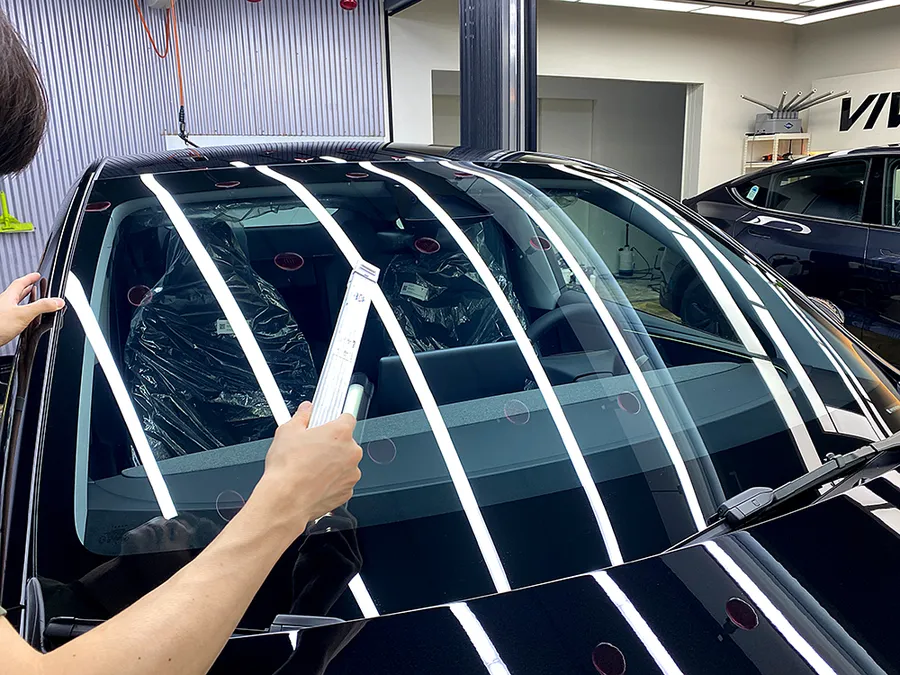
For the front windshield, California law is very strict. The tint applied to the top portion of the windshield is allowed, but it must not extend below the AS-1 line. The AS-1 line is typically about 5-6 inches down from the top of the windshield. This is to ensure that the driver's forward visibility is not compromised, especially in adverse weather conditions or at night. Any tinting below this line is illegal.
Front Side Windows
When it comes to the front side windows (driver and passenger doors), California law mandates that the tint must allow at least 70% of light to pass through. This means the tint can be no darker than 70% VLT. This is a critical aspect of the Porsche 911 window tint legal limit California 2026, as it directly impacts the driver's ability to see and be seen. Many people opt for a slightly darker tint for aesthetic reasons, but it's essential to adhere to the 70% VLT rule to avoid potential citations.
Rear Windshield and Rear Side Windows
The regulations for the rear windshield and rear side windows offer a bit more flexibility. Unlike the front side windows, these windows can be tinted to any darkness. This means you can go as dark as you like on your rear windshield and rear passenger windows, provided that your vehicle has dual side mirrors. This is a common practice for privacy and to reduce heat buildup in the rear of the car. However, it's still important to ensure that your tint installer uses high-quality film that doesn't obstruct your view when using your mirrors.
Medical Exemptions
California law does allow for medical exemptions for individuals who require darker tinting due to specific medical conditions, such as light sensitivity or certain skin conditions. If you qualify for a medical exemption, you will need to obtain a certification from a licensed physician. This certification must be carried with you at all times when driving with the legally non-compliant tint. It's a good idea to check the specific requirements for these exemptions with the California Department of Motor Vehicles (DMV).