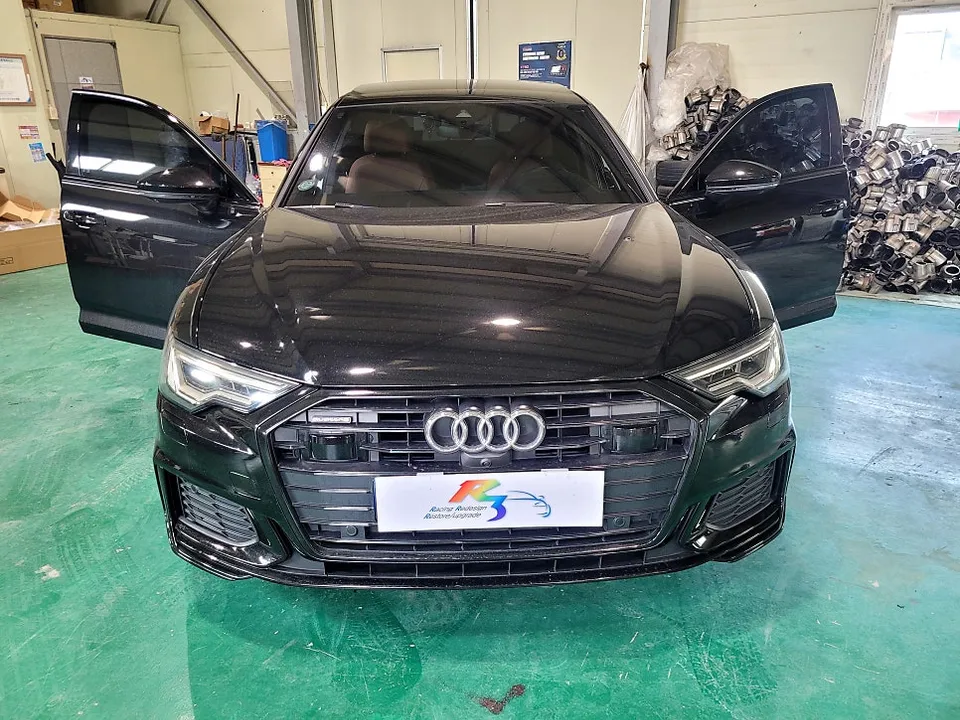
Audi Q7 OEM Options Retrofit Review
Service Price
$150+
Estimated price · Actual price may vary by shop

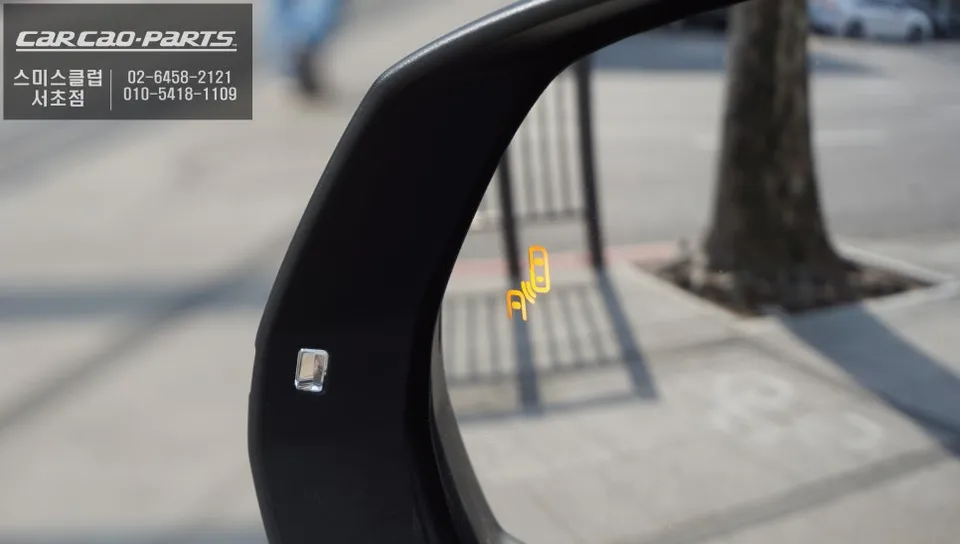
Audi Q7 blind spot sensor retrofit: ~$150+. Enhances safety by warning of vehicles in blind spots.
Enhance Your Audi Q7 with Essential OEM Options
When you drive a premium large SUV like the Audi Q7, safety is paramount. While its elevated driving position offers good visibility, blind spots are an inevitable challenge. Many Q7 owners find themselves wishing for enhanced safety features, especially if their specific trim didn't come equipped with them from the factory. This review focuses on a popular OEM option retrofit: adding a blind spot warning system, also known as a rear-facing sensor system. This upgrade aims to significantly improve safety during lane changes and while reversing, addressing a common concern for Q7 drivers.
Why a Blind Spot Warning System is Crucial for Your Q7
Collisions often occur during lane changes or when reversing because drivers fail to detect vehicles or obstacles in their blind spots. For a large vehicle like the Audi Q7, these visual blind zones can be more pronounced. A blind spot warning system acts as an extra set of eyes, detecting moving vehicles or hazards in areas you can't easily see. It alerts you through visual cues, typically an indicator light in the side mirror, and sometimes an audible warning, giving you crucial time to react and prevent potential accidents. This proactive safety measure is invaluable for confident driving.
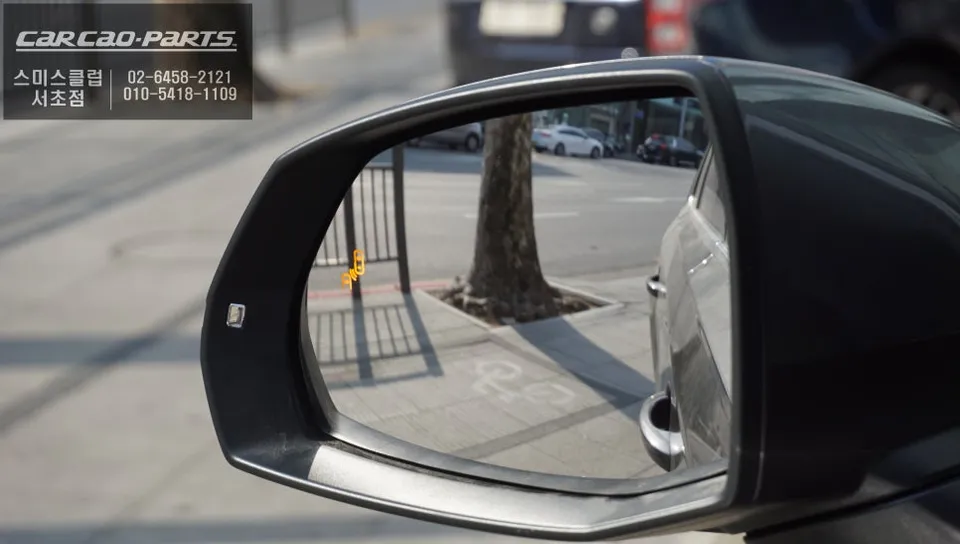
OEM vs. Aftermarket: The Audi Q7 Blind Spot Sensor Installation
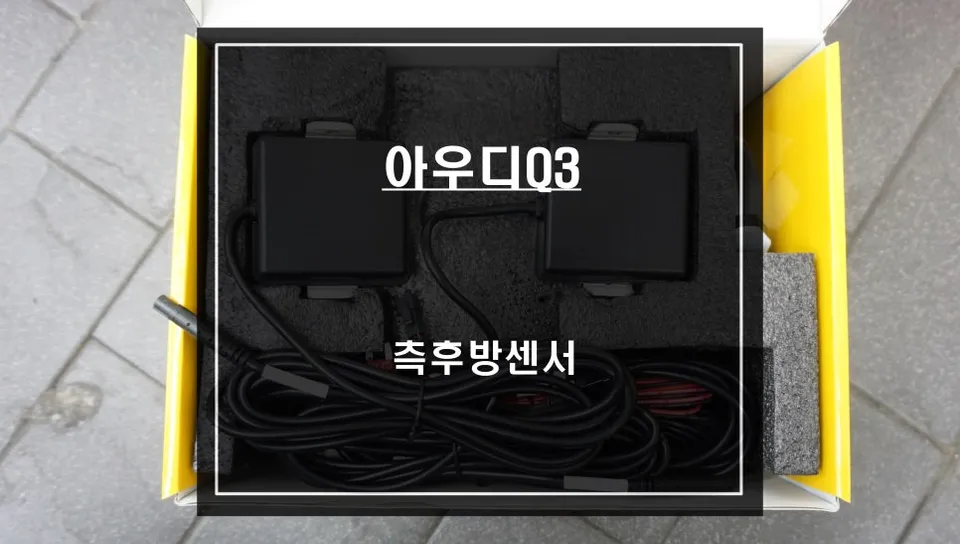
When considering a factory option retrofit for your Audi Q7, the installation method can differ. Genuine OEM installations often integrate warning lights directly into the side mirror housings. An aftermarket system, like the S-RADAR used in the original Korean installation, might employ a different approach, integrating sensors into wide-angle mirrors that offer an expanded field of view. A key advantage highlighted in the original context is the preservation of the vehicle's exterior. Instead of drilling into the bumper, the installation involves temporarily removing the bumper to discreetly mount the sensors internally. Wiring is meticulously routed through factory conduits, ensuring a clean and integrated finish that maintains the vehicle's aesthetic integrity.
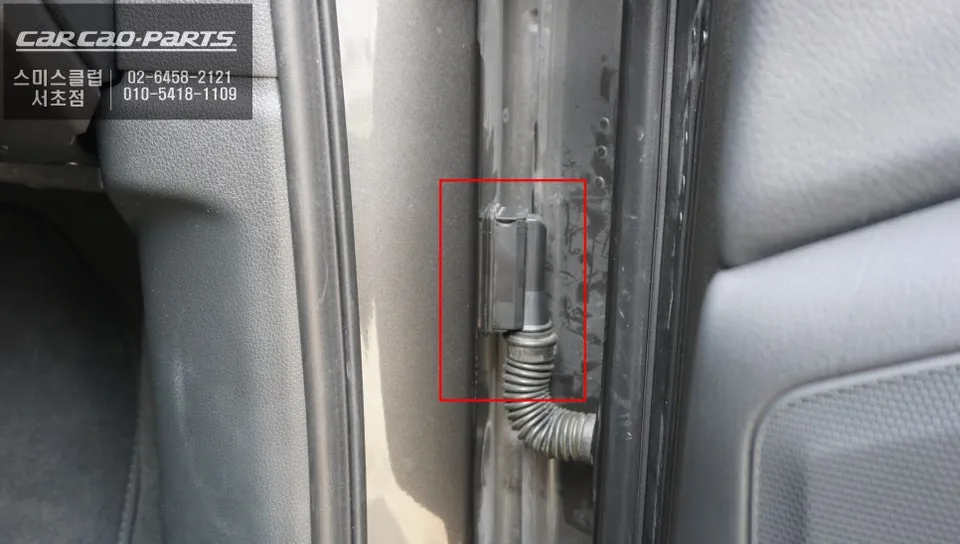
Understanding the Sensor Technology and Installation Process
The effectiveness of a blind spot system relies on its detection capabilities. The S-RADAR system, for instance, is designed to detect only moving objects, ignoring stationary items like buildings or parked cars. This ensures you're alerted to dynamic threats, such as approaching vehicles during a lane change. The detection range is typically around 5-7 meters, providing ample warning time. Furthermore, the system intelligently interfaces with the vehicle's speed via the OBD2 port. It automatically deactivates below 15 km/h (approx. 9 mph) and reactivates at higher speeds, mirroring the logic of factory-installed systems and demonstrating a high level of reliability and integration.
Installation Process:
- Replace the original side mirrors with wide-angle mirror units incorporating the new sensor wiring.
- Carefully remove the rear bumper and securely mount the sensor units to the internal structure.
- Route all wiring internally, utilizing factory channels, and connect to the OBD2 port for vehicle data.
- Test the system's functionality at various speeds to confirm accurate detection and warnings.
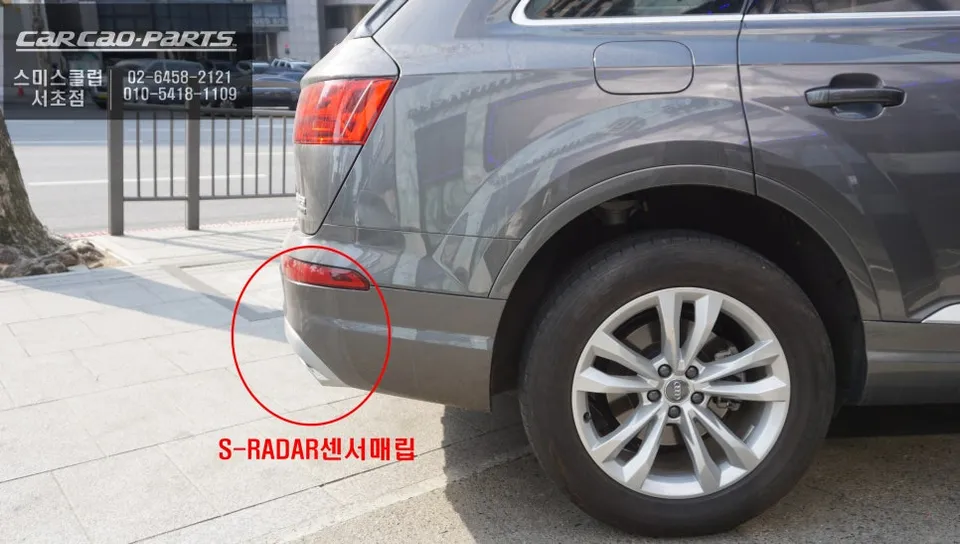
Post-Installation: Verifying Your New Blind Spot System
Once the installation is complete, a thorough test is essential. With the vehicle running and moving above 15 km/h, the blind spot warning system should become active. You'll observe the indicator lights on the side mirrors illuminate. As another vehicle approaches from the rear or enters your blind spot, the LED indicators will light up, and an audible alert will sound, confirming the system is working correctly and enhancing your driving safety.

Frequently Asked Questions
Q. How much does OEM option and factory upgrade installation cost for a Audi Q7?
The specific OEM option retrofit for blind spot sensors on an Audi Q7 is estimated at $150+. Actual costs can vary based on the specific option and your location in the US or UK.
Q. How long does OEM options installation take on a Audi Q7?
While the exact time can vary, blind spot sensor installations typically take a few hours. These systems are designed for long-term durability with minimal maintenance required beyond occasional cleaning of the sensors.
Q. Are OEM options worth adding after purchase for a Audi Q7?
Adding OEM options like blind spot sensors can be highly worthwhile for Audi Q7 owners seeking to enhance safety and driving confidence. It's particularly beneficial for those whose vehicles lacked these features from the factory.
Q. How are OEM factory options installed on a Audi Q7?
Installation typically involves integrating sensors discreetly, often within the bumper or side mirror housings, without compromising the vehicle's exterior. Wiring is routed internally through factory channels, and the system is connected to the vehicle's data network, often via the OBD2 port, to ensure seamless operation.
Q. What is the difference between dealer-installed options and aftermarket upgrades for a Audi Q7?
Dealer-installed options, often referred to as OEM options, are designed to integrate seamlessly with your vehicle's existing systems and aesthetics. Aftermarket upgrades may offer similar functionality but might not always match the factory fit and finish or integrate as flawlessly with vehicle electronics.
Kakao Parts